Edward Kamens – författare
Visar alla böcker från författaren Edward Kamens. Handla med fri frakt och snabb leverans.
10 produkter
Buddhist Poetry of the Great Kamo Priestess
Daisaiin Senshi and Hosshin Wakashu
Häftad, 2021
233 kr
Lägg i varukorg
Senshi was born in 964 and died in 1035, in the Heian period of Japanese history (794–1185). Most of the poems discussed here are what may loosely be called Buddhist poems, since they deal with Buddhist scriptures, practices, and ideas. For this reason, most of them have been treated as examples of …
Utamakura, Allusion, and Intertextuality in Traditional Japanese Poetry
Inbunden, 1996
1050 kr
Lägg i varukorg
A central feature of traditional Japanese poetry (waka) is the use of utamakura—a category of poetic words, many of which are place-names or the names of features associated with them—to cultivate allusion and intertextuality between individual poems and within the tradition. In this book Edward …
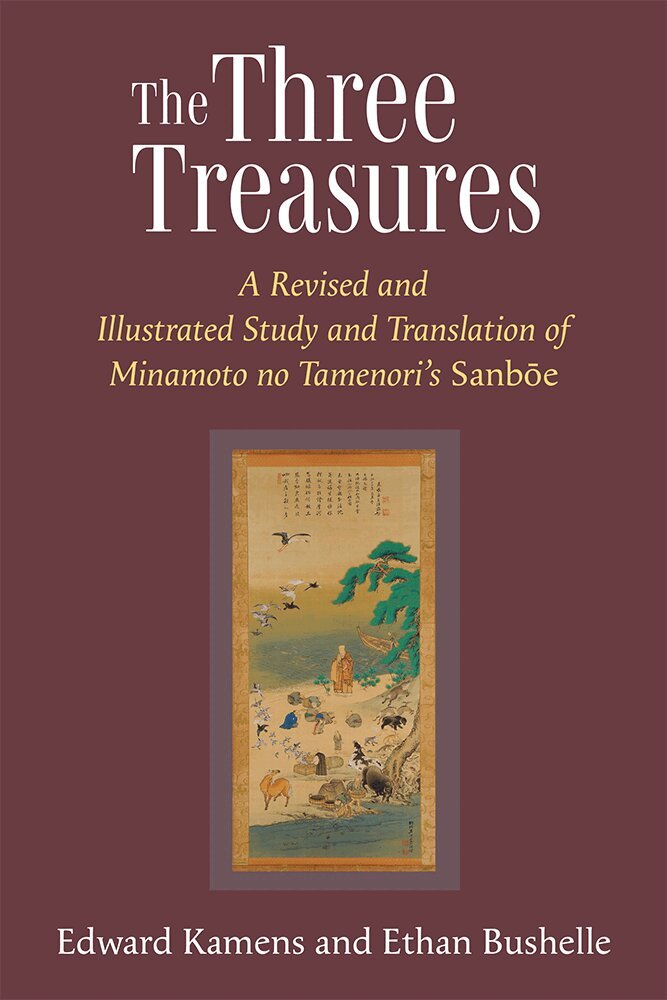
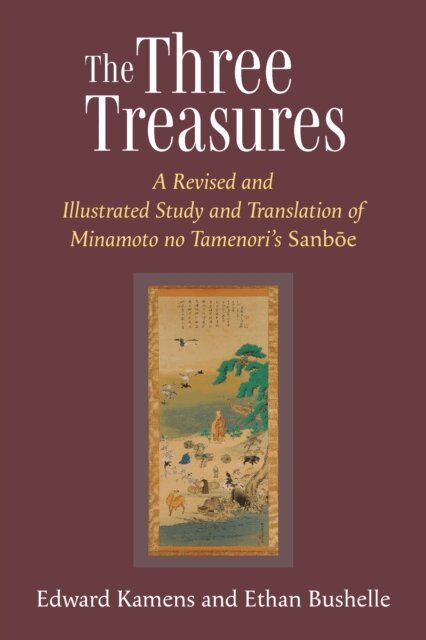
Three Treasures
A Revised and Illustrated Study and Translation of Minamoto no Tamenori's Sanboe
Av Edward Kamens, Ethan Bushelle
Häftad, 2023
650 kr
Lägg i varukorg
When the young Princess Sonshi became a Buddhist nun in the year 984, a scholar-official of the royal court was commissioned to create a guide to the Buddhist religion that would be accessible for her. He did so in the form of the illustrated works of fiction (monogatari) that appealed to women …
Three Treasures
A Revised and Illustrated Study and Translation of Minamoto no Tamenori's Sanboe
Av Edward Kamens, Ethan Bushelle
Inbunden, 2023
1457 kr
Lägg i varukorg
When the young Princess Sonshi became a Buddhist nun in the year 984, a scholar-official of the royal court was commissioned to create a guide to the Buddhist religion that would be accessible for her. He did so in the form of the illustrated works of fiction (monogatari) that appealed to women …
Three Treasures
A Revised and Illustrated Study and Translation of Minamoto no Tamenori''s Sanboe
Av Ethan Bushelle, Edward Kamens
E-bok, 2023
949 kr
Lägg i varukorg
When the young Princess Sonshi became a Buddhist nun in the year 984, a scholar-official of the royal court was commissioned to create a guide to the Buddhist religion that would be accessible for her. He did so in the form of the illustrated works of fiction ( monogatari ) that appealed to women …
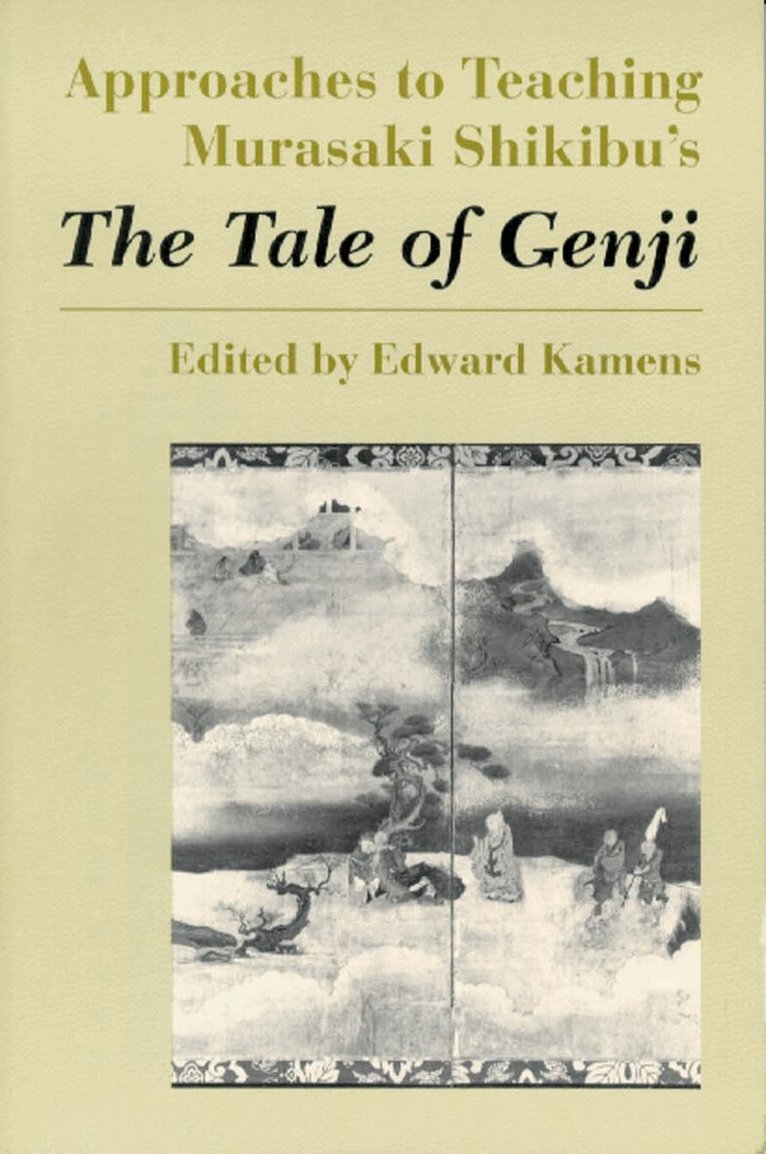
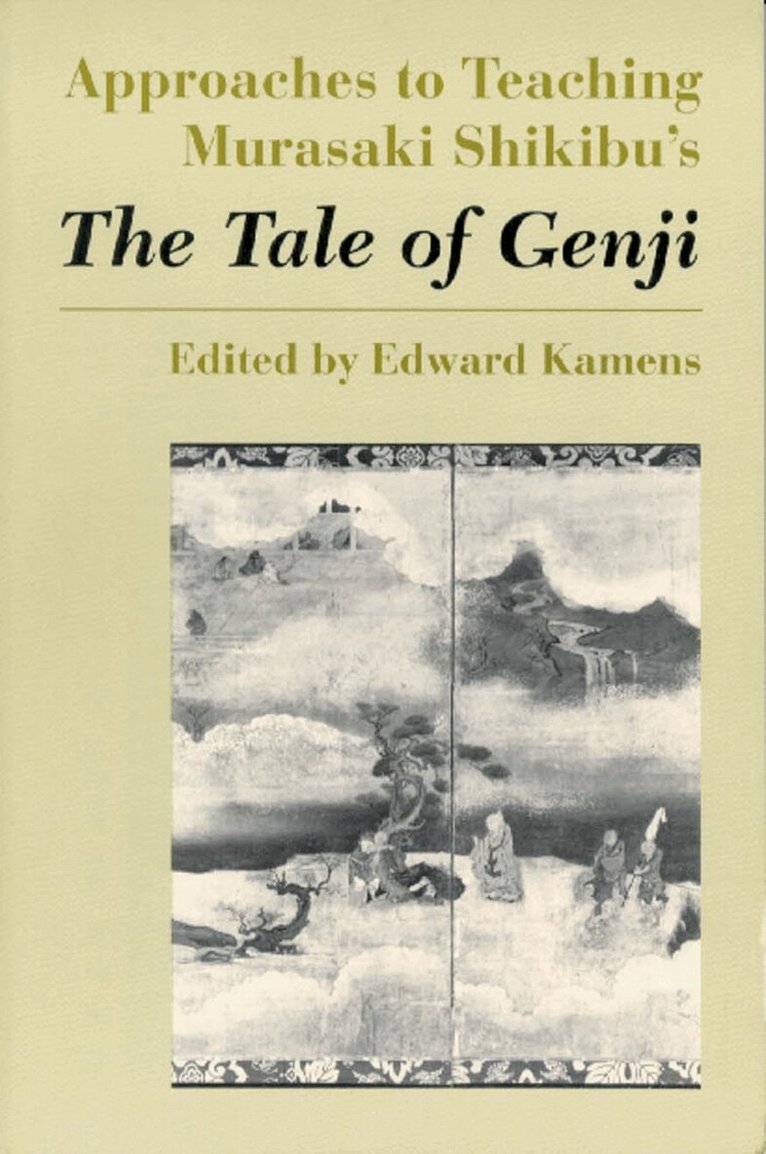
Approaches to Teaching Murasaki Shikibu's the Tale of Genji
Häftad, 1993
508 kr
Lägg i varukorg
Now at seventy-three volumes, this popular MLA series (ISSN 10591133) addresses a broad range of literary texts. Each volume surveys teaching aids and critical material and brings together essays that apply a variety of perspectives to teaching the text. Upper-level undergraduate and graduate …
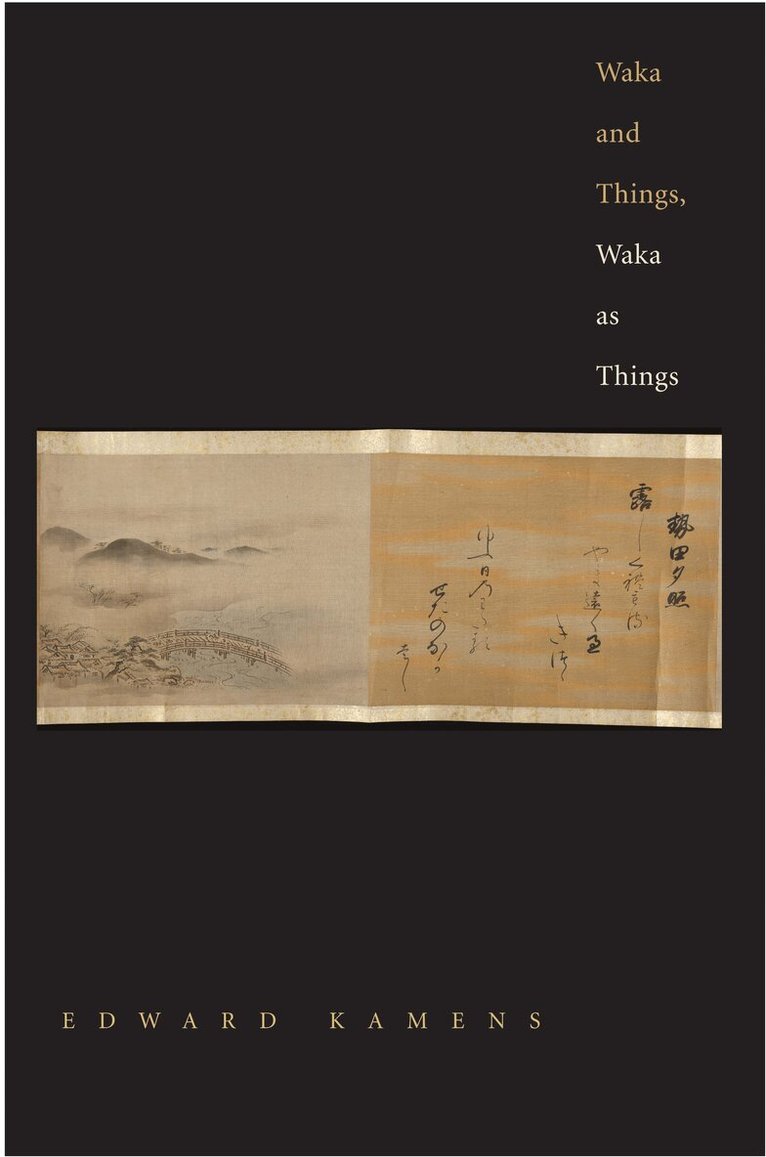
Waka and Things, Waka as Things
Inbunden, 2018
767 kr
Tillfälligt slut
A challenging study offering a new perspective on classical Japanese poems and how they interact with and are part of material cultureThis generously illustrated volume offers a fresh perspective on classical Japanese poetry (waka), including many poems treated here for the first time in a …
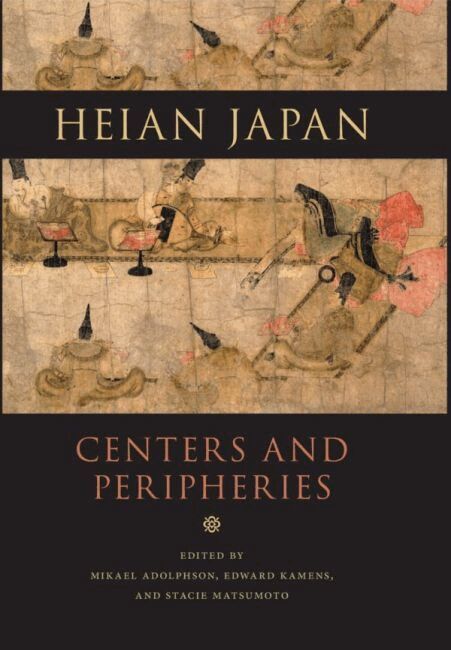
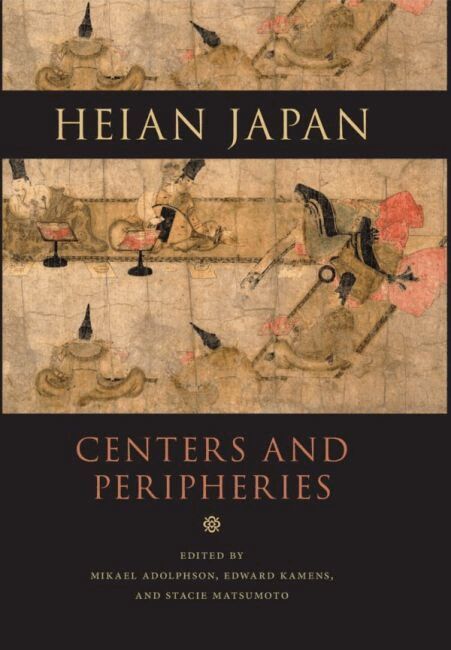
Heian Japan, Centers and Peripheries
Av Mikael Adolphson, Edward Kamens m. fl.
Inbunden, 2007
672 kr
Tillfälligt slut
The first three centuries of the Heian period (794-1086) saw some of its most fertile innovations and epochal achievements in Japanese literature and the arts. It was also a time of important transitions in the spheres of religion and politics, as aristocratic authority was consolidated in Kyoto, …
Heian Japan, Centers and Peripheries
Av Mikael S. Adolphson, Edward Kamens m. fl.
Häftad, 2021
340 kr
Tillfälligt slut
The first three centuries of the Heian period (794–1086) saw some of its most fertile innovations and epochal achievements in Japanese literature and the arts. It was also a time of important transitions in the spheres of religion and politics, as aristocratic authority was consolidated in Kyoto, …