Edward M. Schoolman – författare
Visar alla böcker från författaren Edward M. Schoolman. Handla med fri frakt och snabb leverans.
4 produkter
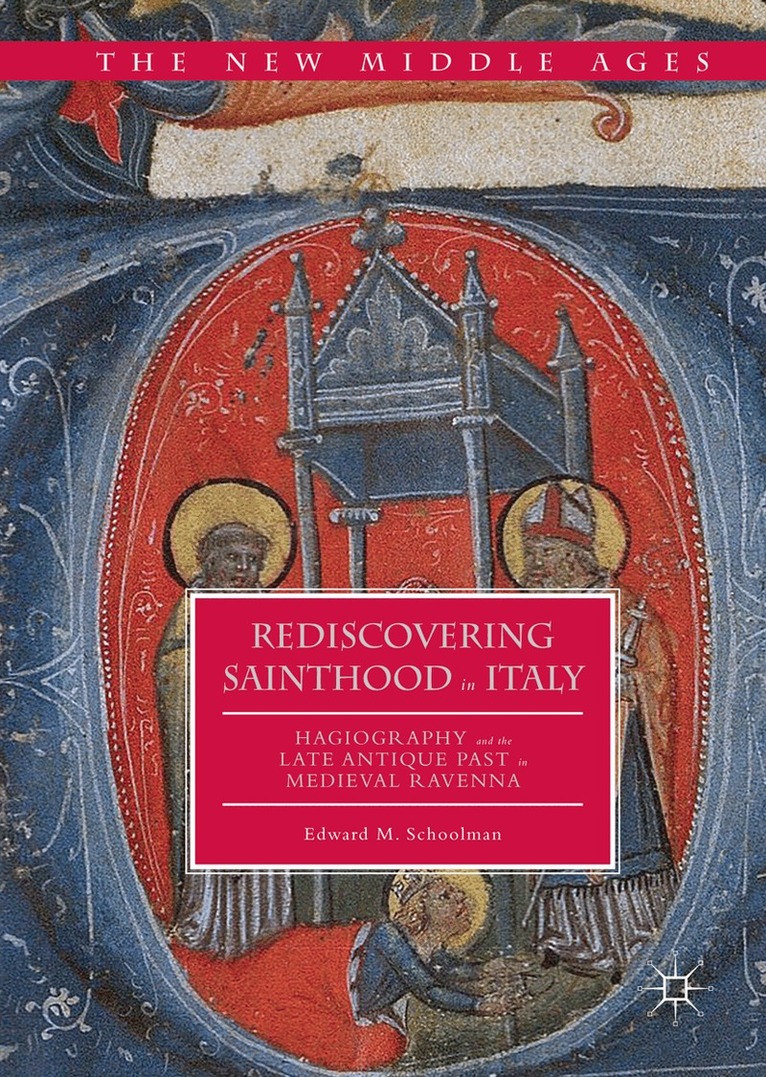
Rediscovering Sainthood in Italy
Hagiography and the Late Antique Past in Medieval Ravenna
Inbunden, 2016
989 kr
Lägg i varukorg
Beginning with Saint Barbatianus, a fifth-century wonderworking monk and confessor to the Empress Galla Placidia, this book focuses on the changes in the religious landscape of Ravenna, a former capital of the Late Roman Empire, through the Middle Ages. During this period, written stories about …
Rediscovering Sainthood in Italy
Hagiography and the Late Antique Past in Medieval Ravenna
E-bok, 2016
932 kr
Lägg i varukorg
Beginning with Saint Barbatianus, a fifth-century wonderworking monk and confessor to the Empress Galla Placidia, this book focuses on the changes in the religious landscape of Ravenna, a former capital of the Late Roman Empire, through the Middle Ages. During this period, written stories about …
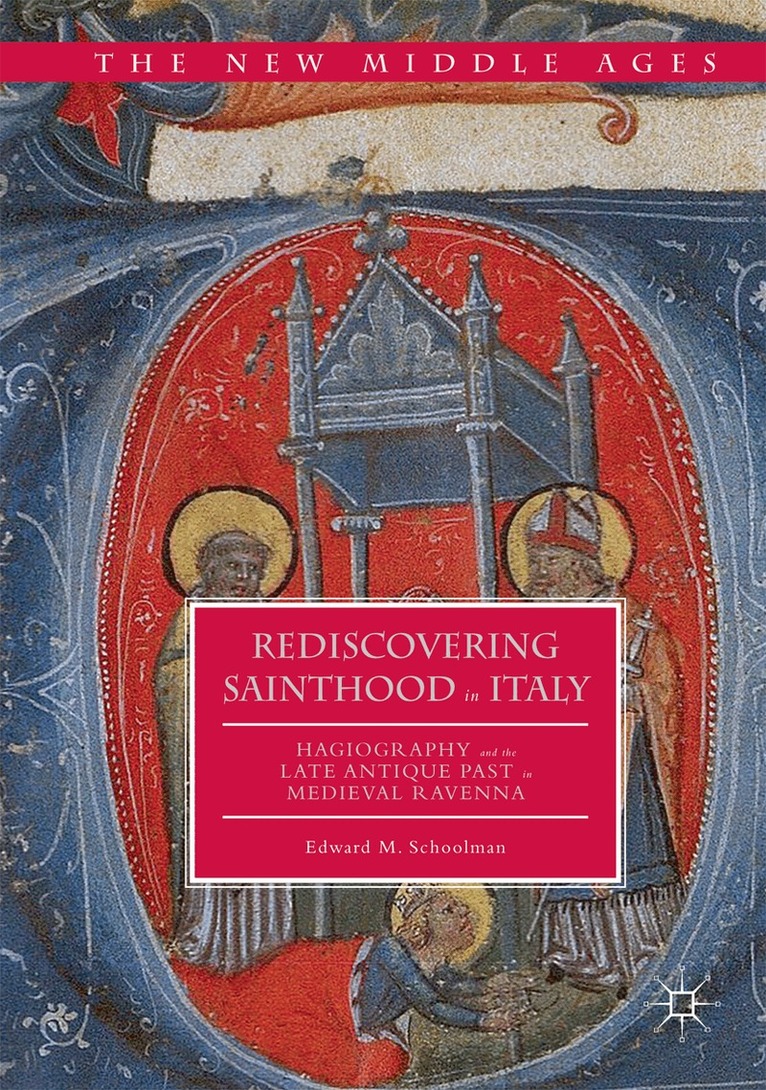
Rediscovering Sainthood in Italy
Hagiography and the Late Antique Past in Medieval Ravenna
Häftad, 2021
661 kr
Lägg i varukorg
Beginning with Saint Barbatianus, a fifth-century wonderworking monk and confessor to the Empress Galla Placidia, this book focuses on the changes in the religious landscape of Ravenna, a former capital of the Late Roman Empire, through the Middle Ages. During this period, written stories about …
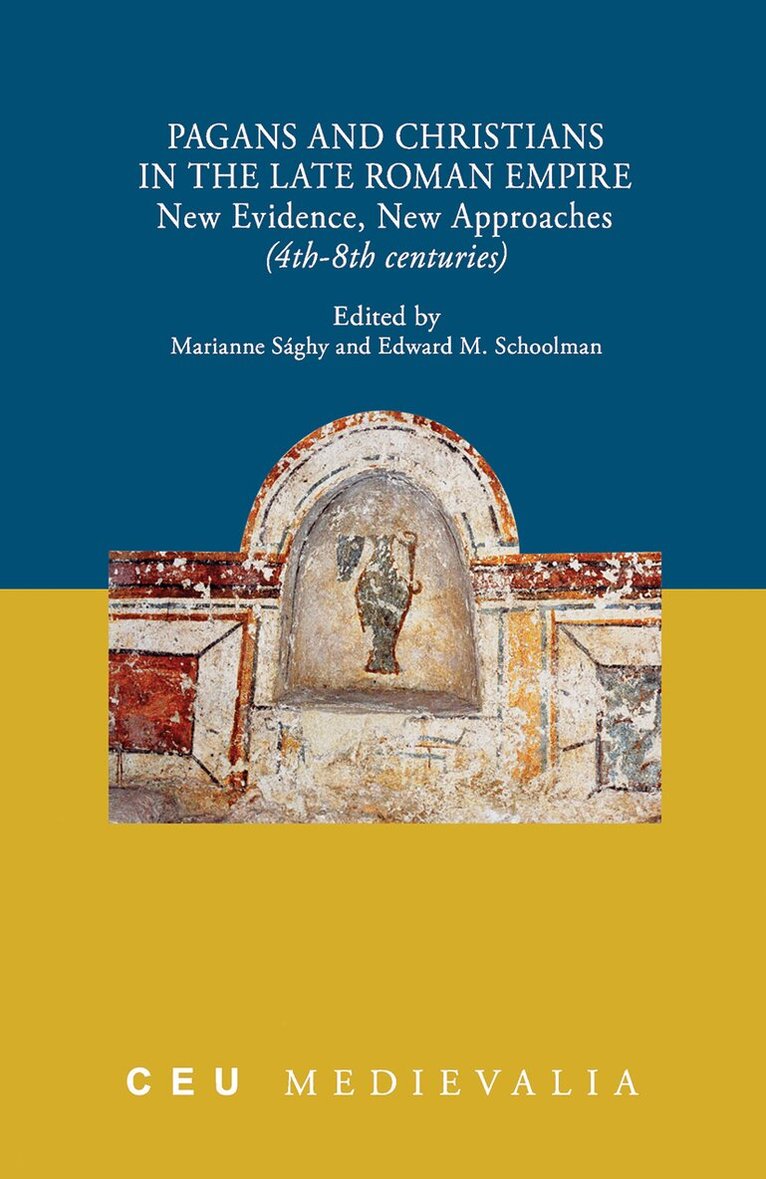
Pagans and Christians in the Late Roman Empire
New Evidence, New Approaches (4th-8th centuries)
Av Marianne Sághy, Edward M. Schoolman
Häftad, 2017
981 kr
Lägg i varukorg
Do the terms 'pagan' and 'Christian,' 'transition from paganism to Christianity' still hold as explanatory devices to apply to the political, religious and cultural transformation experienced Empire-wise? Revisiting 'pagans' and 'Christians' in Late Antiquity has been a fertile site of scholarship …