Edward Ragg – författare
Visar alla böcker från författaren Edward Ragg. Handla med fri frakt och snabb leverans.
4 produkter
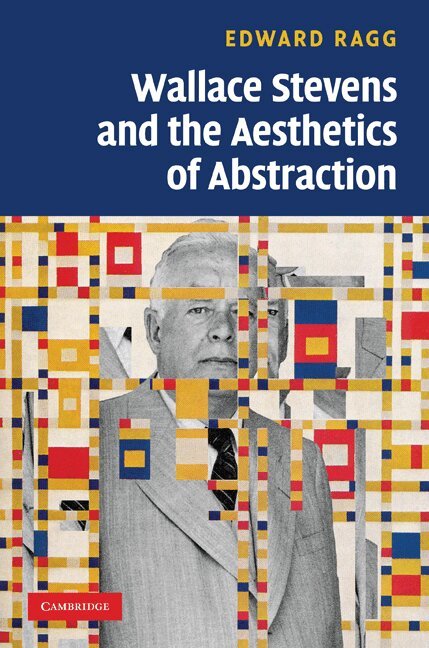
Wallace Stevens and the Aesthetics of Abstraction
Av Edward Ragg
Inbunden, 2010
1832 kr
Lägg i varukorg
Edward Ragg's study was the first to examine the role of abstraction throughout the work of Wallace Stevens. By tracing the poet's interest in abstraction from Harmonium through to his later works, Ragg argues that Stevens only fully appreciated and refined this interest within his later career. …
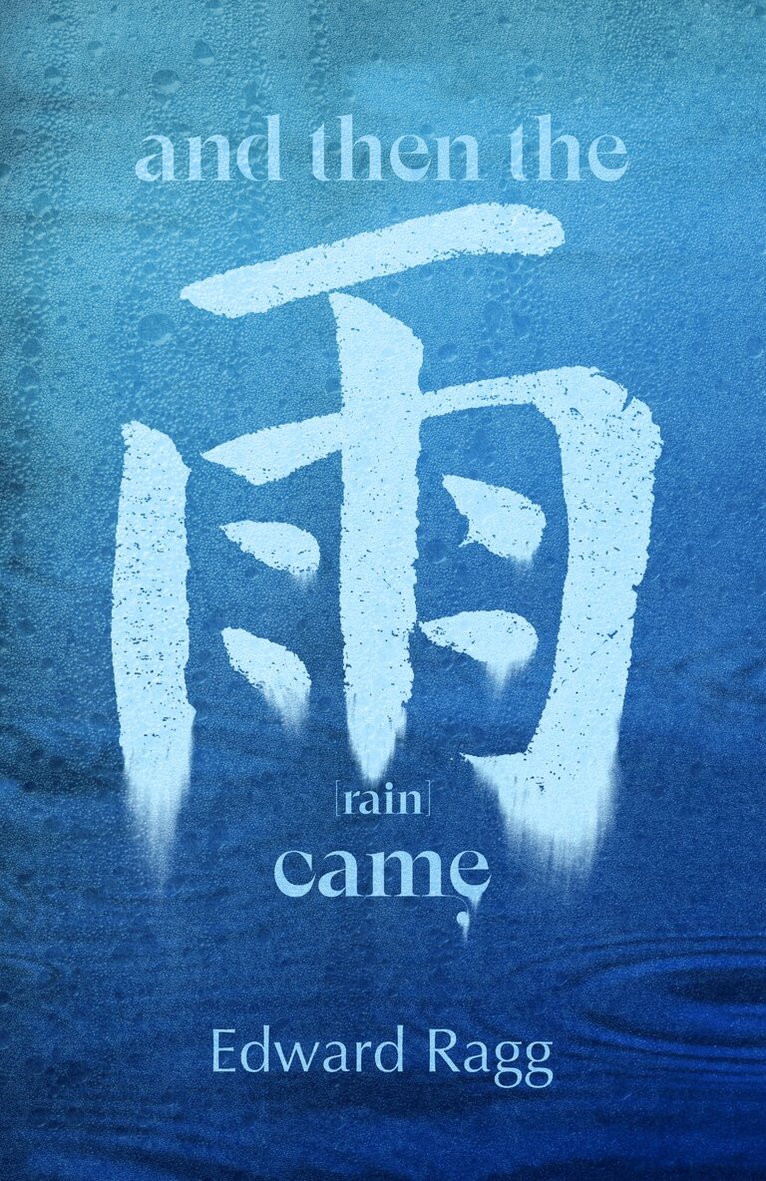
And Then the Rain Came
Av Edward Ragg
Häftad, 2022
114 kr
Lägg i varukorg
Edward Ragg won the 2012 Cinnamon Press Poetry Award and his debut collection was A Force That Takes (2013). His second volume, Holding Unfailing (2017), charted the rise of modern China, whilst Exploring Rights (2020) confronted ‘post-truth’ culture and the prospects of humankind’s survival. And …
Vital Signs
Av Edward Ragg
Häftad, 2024
150 kr
Lägg i varukorg
Vital Signs draws on the inspiration of the medical vital signs in three parts—‘Body’, ‘Pulse’ and ‘Breath’—each with nine poems that explore romantic love, death and the experiences of grief and loss in a poetry that is as embodied, pulsing with life and rhythmically breathing.
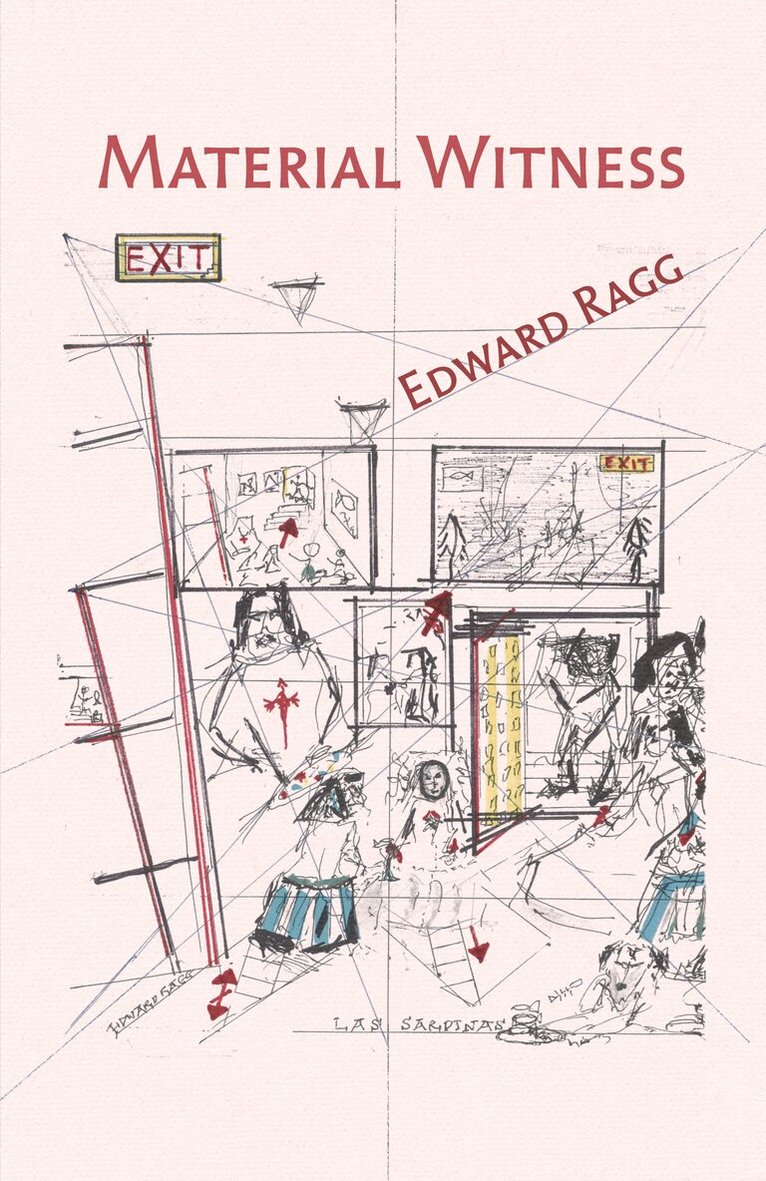
Material Witness
Av Edward Ragg
Häftad, 2026
164 kr
Lägg i varukorg
Material Witness, Edward Ragg's sixth collection, bears witness to all manner of materials: from botany, bower birds, diving bell spiders, rock formations and coral reefs to a Nazi-stamped photo of the poet’s mother as well as Dante’s Divine Comedy and the Las Meninas paintings of Velázquez and …