Edward Rothstein - Böcker
Visar alla böcker från författaren Edward Rothstein. Handla med fri frakt och snabb leverans.
3 produkter
3 produkter
642 kr
Skickas inom 5-8 vardagar
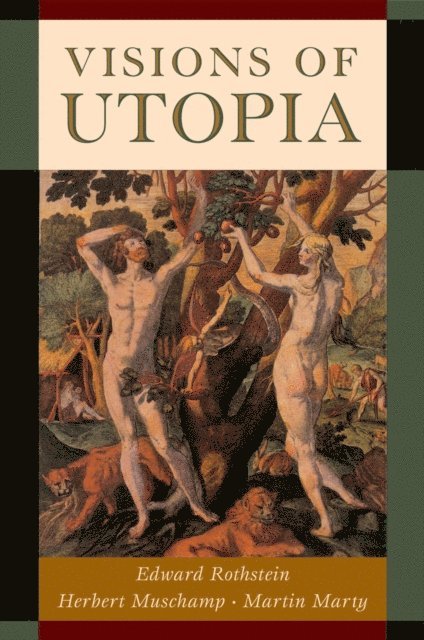
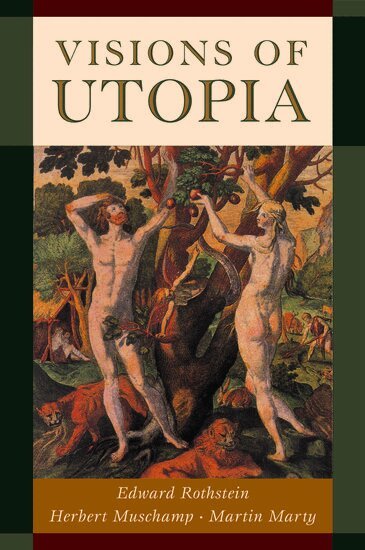
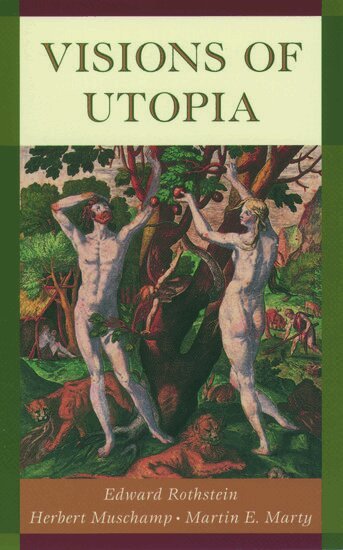
From the sex-free paradise of the Shakers to the worker's paradise of Marx, utopian ideas seem to have two things in common--they all are wonderfully plausible at the start and they all end up as disasters. In Visions of Utopia, three leading cultural critics--Edward Rothstein, Martin Marty, and Herbert Muschamp--look at the history of utopian thinking, exploring why they fail and why they are still worth pursuing.Edward Rothstein, New York Times cultural critic, contends that every utopia is really a dystopia--a disaster in the making--one that overlooks the nature of humanity and the impossibilities of paradise. He traces the ideal in politics and technology and suggests that only in art--and especially in music--does the desire for utopia find satisfaction. Martin Marty examines several models of utopia--from Thomas More's to a 1960s experimental city that he helped to plan--to show that, even though utopias can never be realized, we should not be too quick to condemn them. They can express dimensions of the human spirit that might otherwise be stifled and can plant ideas that may germinate in more realistic and practical soil. And Herbert Muschamp, the New York Times architectural critic, looks at Utopianism as exemplified in two different ways: the Buddhist tradition and the work of visionary Viennese architect Adolph Loos. Utopian thinking embodies humanity's noblest impulses, yet it can lead to horrors such as Nazi Germany and the Soviet Regime. In Visions of Utopia, these leading thinkers offer an intriguing look at the paradoxes of paradise.
263 kr
Skickas inom 5-8 vardagar
From the sex-free paradise of the Shakers to the worker's paradise of Marx, utopian ideas seem to have two things in common--they all are wonderfully plausible at the start and they all end up as disasters. In Visions of Utopia, three leading cultural critics--Edward Rothstein, Martin Marty, and Herbert Muschamp--look at the history of utopian thinking, exploring why they fail and why they are still worth pursuing.Rothstein contends that every utopia is really a dystopia-- one that overlooks the nature of humanity and the impossibilities of paradise. He traces the ideal in politics and technology and suggests that only in art--and especially in music--does the desire for utopia find satisfaction. Marty examines several models of utopia--from Thomas More's to a 1960s experimental city that he helped to plan--to show that, even though utopias can never be realized, we should not be too quick to condemn them. They can express dimensions of the human spirit that might otherwise be stifled and can plant ideas that may germinate in more realistic and practical soil. Muschamp looks at Utopianism as exemplified in two different ways: the Buddhist tradition and the work of visionary Viennese architect Adolph Loos. Utopian thinking embodies humanity's noblest impulses, yet it can lead to horrors such as Nazi Germany and the Soviet Regime. In Visions of Utopia, these leading thinkers offer an intriguing look at the paradoxes of paradise.
178 kr
Skickas inom 7-10 vardagar
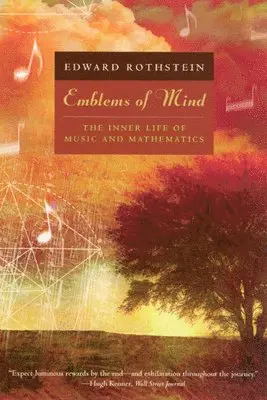
One is a science, the other an art; one useful, the other seemingly decorative, but mathematics and music share common origins in cult and mystery and have been linked throughout history. "Emblems of Mind" is Edward Rothstein's classic exploration of their profound similarities, a journey into their "inner life." Along the way, Rothstein explains how mathematics makes sense of space, how music tells a story, how theories are constructed, how melody is shaped. He invokes the poetry of Wordsworth, the anthropology of Levi-Strauss, the imagery of Plato, and the philosophy of Kant. Math and music, Rothstein shows, apply comparable methods as they create their abstractions, display similar concerns with ratio and proportion, and depend on metaphors and analogies to create their meanings. Ultimately, Rothstein argues, they reveal the ways in which we come to understand the world. They are images of the mind at work and play; indeed, they are emblems of Mind itself. Jacques Barzun called this book "splendid." Martin Gardner said it was "beautifully written, marvelous and entertaining." It will provoke all serious readers to think in new ways about the grand patterns in art and life.