Eglė Rindzevičiūtė – författare
Visar alla böcker från författaren Eglė Rindzevičiūtė. Handla med fri frakt och snabb leverans.
9 produkter
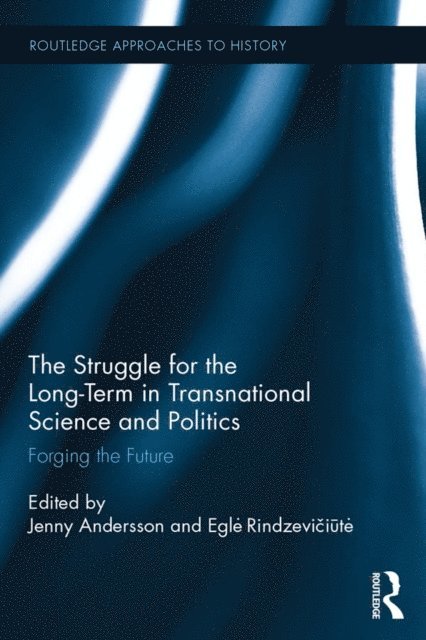
Struggle for the Long-Term in Transnational Science and Politics
Forging the Future
Av Jenny Andersson, Eglė Rindzevičiūtė
Häftad, 2019
787 kr
Lägg i varukorg
This book reconsiders the power of the idea of the future. Bringing together perspectives from cultural history, environmental history, political history and the history of science, it investigates how the future became a specific field of action in liberal democratic, state socialist and …
Struggle for the Long-Term in Transnational Science and Politics
Forging the Future
Av Jenny Andersson, Eglė Rindzevičiūtė
Inbunden, 2015
2586 kr
Lägg i varukorg
This book reconsiders the power of the idea of the future. Bringing together perspectives from cultural history, environmental history, political history and the history of science, it investigates how the future became a specific field of action in liberal democratic, state socialist and …
Struggle for the Long-Term in Transnational Science and Politics
Forging the Future
Av Egle Rindzeviciute, Jenny Andersson
E-bok, 2015
927 kr
Lägg i varukorg
This book reconsiders the power of the idea of the future. Bringing together perspectives from cultural history, environmental history, political history and the history of science, it investigates how the future became a specific field of action in liberal democratic, state socialist and …
Struggle for the Long-Term in Transnational Science and Politics
Forging the Future
Av Egle Rindzeviciute, Jenny Andersson
E-bok, 2015
927 kr
Lägg i varukorg
This book reconsiders the power of the idea of the future. Bringing together perspectives from cultural history, environmental history, political history and the history of science, it investigates how the future became a specific field of action in liberal democratic, state socialist and …
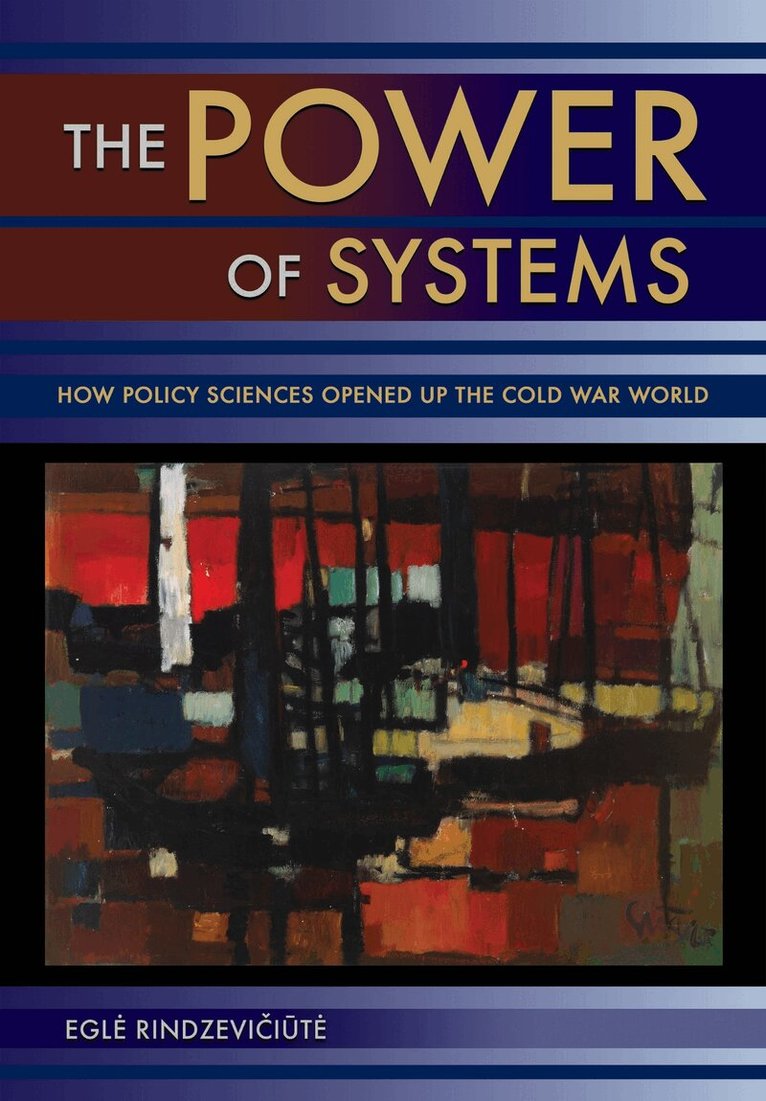
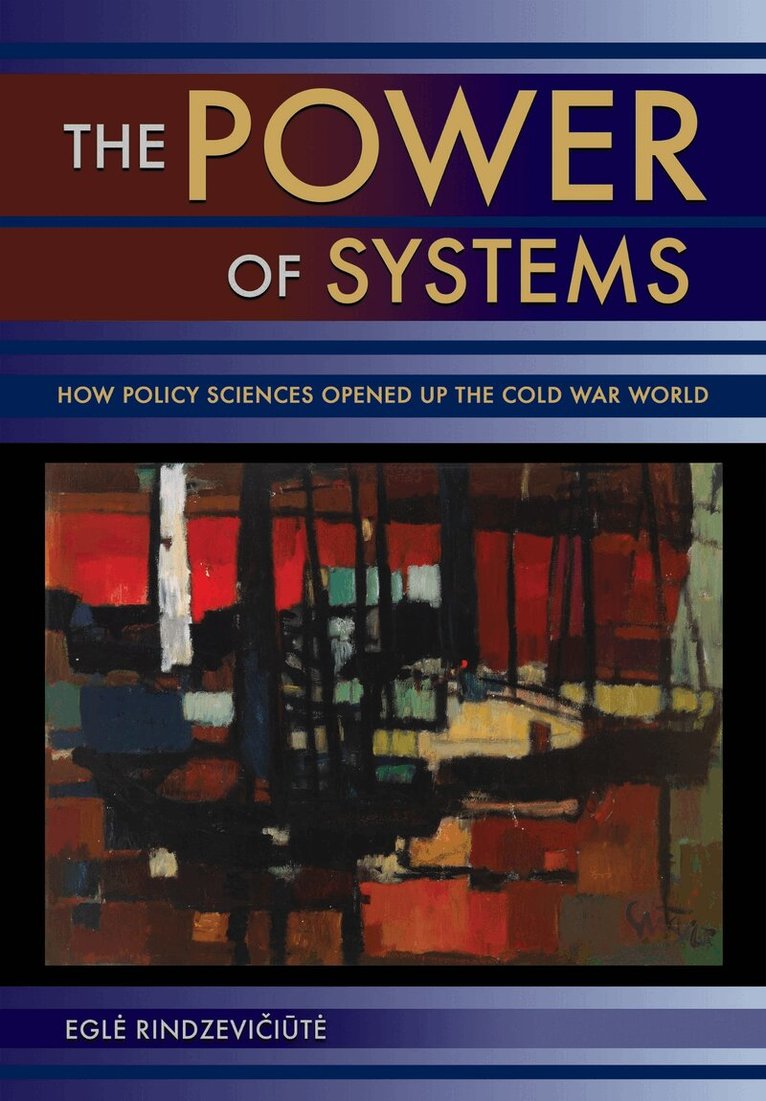
Power of Systems
How Policy Sciences Opened Up the Cold War World
Inbunden, 2016
1690 kr
Lägg i varukorg
In The Power of Systems, Eglė Rindzevičiūtė introduces readers to one of the best-kept secrets of the Cold War: the International Institute of Applied Systems Analysis (IIASA), an international think tank established by the US and USSR to advance scientific collaboration. From 1972 until the late …
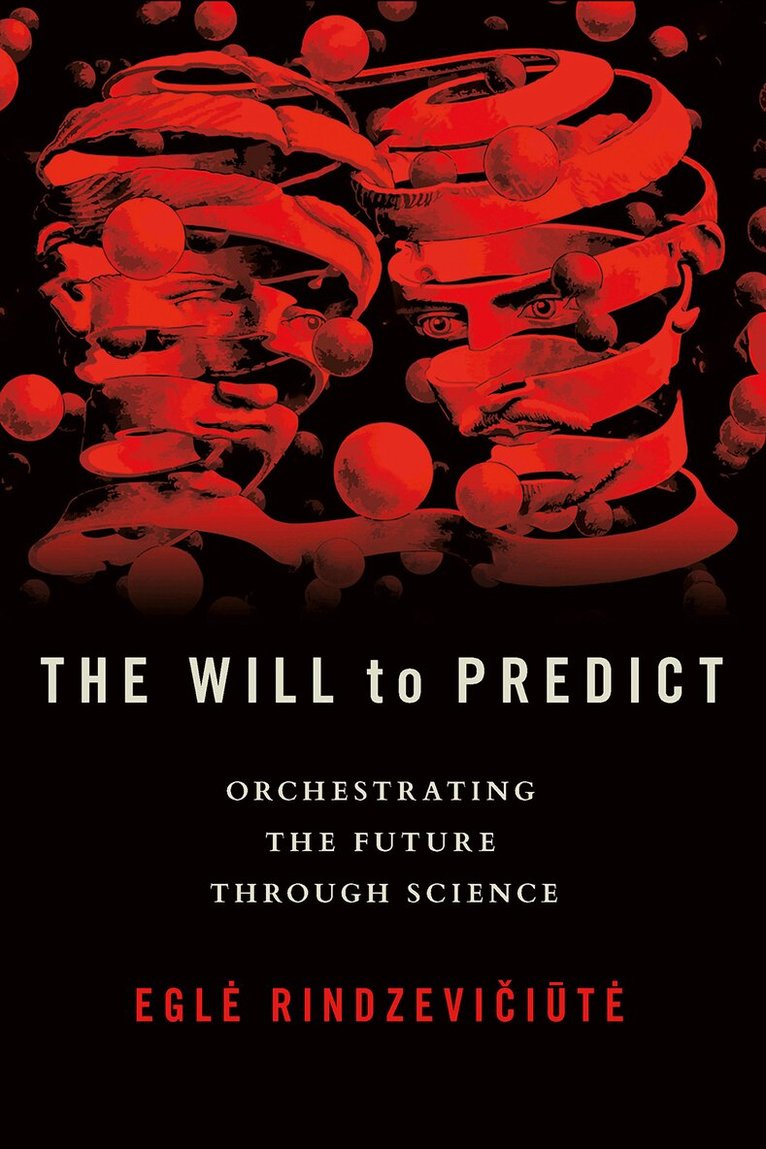
Will to Predict
Orchestrating the Future Through Science
Inbunden, 2023
703 kr
Lägg i varukorg
In The Will to Predict, Eglė Rindzevičiūtė demonstrates how the logic of scientific expertise cannot be properly understood without knowing the conceptual and institutional history of scientific prediction. She notes that predictions of future population, economic growth, environmental change, and …
Power of Systems
How Policy Sciences Opened Up the Cold War World
Häftad, 2025
312 kr
Lägg i varukorg
In The Power of Systems, Eglė Rindzevičiūtė introduces readers to one of the best-kept secrets of the Cold War: the International Institute of Applied Systems Analysis (IIASA), an international think tank established by the US and USSR to advance scientific collaboration. From 1972 until the late …
Nuclear Cultural Heritage
Av Eglė Rindzevičiūtė, Anna Storm m. fl.
Inbunden, 2027
740 kr
Lägg i varukorg
Nuclear Cultural Heritage takes you on a global journey. It includes nuclear weapon deployment sites and irradiated landscapes in the Pacific, the US, Japan and Eastern Europe, military base remnants in Cuba and nuclear power plants. It argues that nuclear cultural heritage-making brings …
Nuclear Cultural Heritage
Av Eglė Rindzevičiūtė, Anna Storm m. fl.
Häftad, 2027
496 kr
Kommande
Nuclear Cultural Heritage takes you on a global journey. It includes nuclear weapon deployment sites and irradiated landscapes in the Pacific, the US, Japan and Eastern Europe, military base remnants in Cuba and nuclear power plants. It argues that nuclear cultural heritage-making brings …