Elaine Genders – författare
Visar alla böcker från författaren Elaine Genders. Handla med fri frakt och snabb leverans.
5 produkter
Grendon: A Study of a Therapeutic Prison
Av Elaine Genders, Elaine Player
Inbunden, 1995
1677 kr
Lägg i varukorg
Grendon Prison opened in 1962, originally intended to investigate and treat prisoners whose crimes had recognisable psychiatric causes. Thirty years later, its radical ideas of the rehabilitation of prisoners through psychological or psychotherapeutic treatment have been embraced by the Woolf …
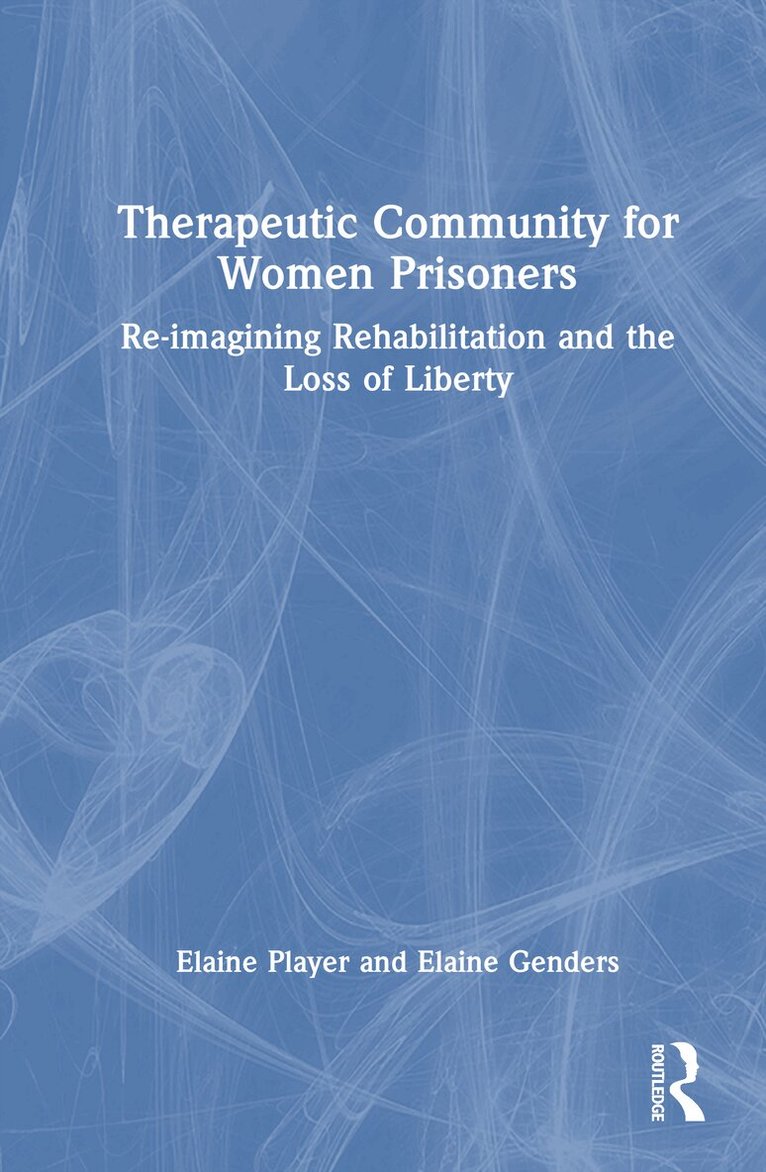
Therapeutic Community for Women Prisoners
Re-imagining Rehabilitation and the Loss of Liberty
Av Elaine Player, Elaine Genders
Häftad, 2025
669 kr
Lägg i varukorg
Based upon an extensive empirical study of a democratic therapeutic community for women serving long and medium sentences, this book explores the opportunities it provided for restorative rehabilitation. In so doing it identifies some of the interconnected ways in which these ambitions are …
Therapeutic Community for Women Prisoners
Re-imagining Rehabilitation and the Loss of Liberty
Av Elaine Player, Elaine Genders
Inbunden, 2025
2594 kr
Lägg i varukorg
Based upon an extensive empirical study of a democratic therapeutic community for women serving long and medium sentences, this book explores the opportunities it provided for restorative rehabilitation. In so doing it identifies some of the interconnected ways in which these ambitions are …
Therapeutic Community for Women Prisoners
Re-imagining Rehabilitation and the Loss of Liberty
Av Elaine Genders, Elaine Player
E-bok, 2025
768 kr
Lägg i varukorg
Based upon an extensive empirical study of a democratic therapeutic community for women serving long and medium sentences, this book explores the opportunities it provided for restorative rehabilitation. In so doing it identifies some of the interconnected ways in which these ambitions are …
Therapeutic Community for Women Prisoners
Re-imagining Rehabilitation and the Loss of Liberty
Av Elaine Genders, Elaine Player
E-bok, 2025
768 kr
Lägg i varukorg
Based upon an extensive empirical study of a democratic therapeutic community for women serving long and medium sentences, this book explores the opportunities it provided for restorative rehabilitation. In so doing it identifies some of the interconnected ways in which these ambitions are …