Elaine M. Fisher – författare
Visar alla böcker från författaren Elaine M. Fisher. Handla med fri frakt och snabb leverans.
4 produkter
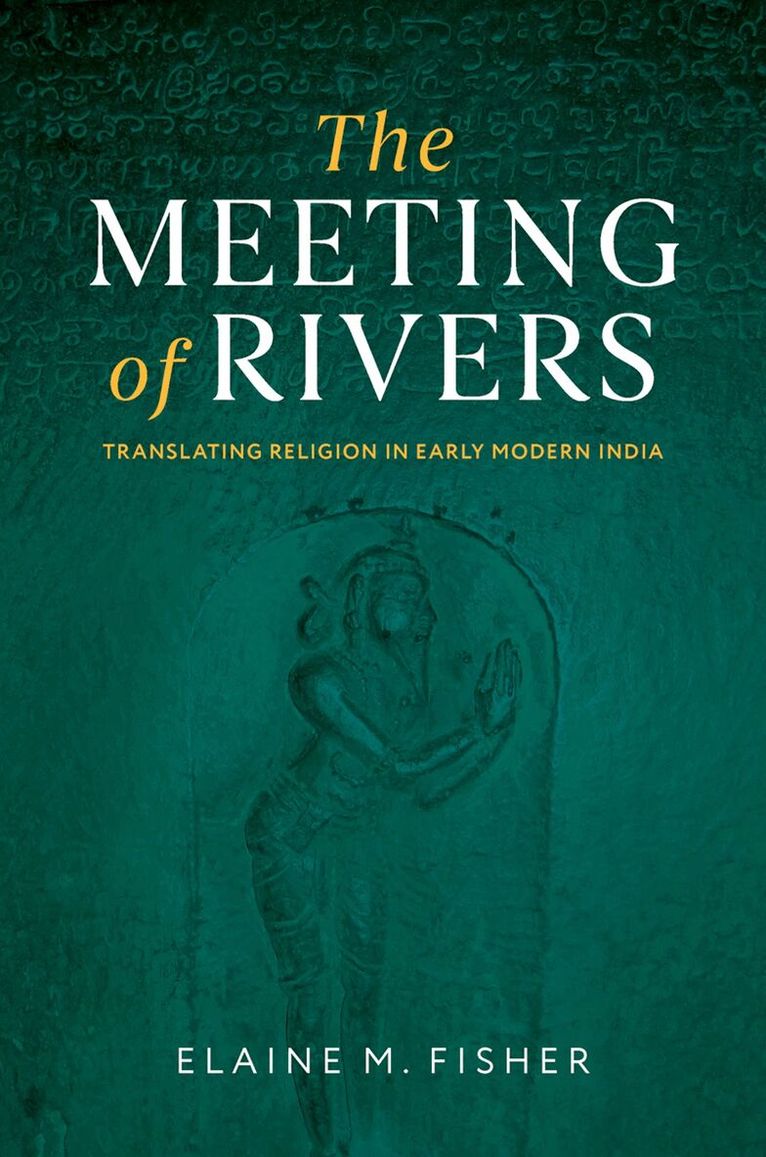
The Meeting of Rivers
Translating Religion in Early Modern India
Inbunden, 2026
1233 kr
Lägg i varukorg
The Meeting of Rivers reconstructs the prehistory of India's newest religion, Virasaivism (or Lingayatism) from its own voices, drawing on unstudied and unpublished archival sources in several south Indian languages. By radically reframing our understanding of the origins of Virasaivism, Elaine …
Meeting of Rivers
Translating Religion in Early Modern India
E-bok, 2025
1314 kr
Lägg i varukorg
The Meeting of Rivers reconstructs the prehistory of India's newest religion, Virasaivism (or Lingayatism) from its own voices, drawing on unstudied and unpublished archival sources in several south Indian languages. By radically reframing our understanding of the origins of Virasaivism, Elaine …
Meeting of Rivers
Translating Religion in Early Modern India
E-bok, 2025
1314 kr
Lägg i varukorg
The Meeting of Rivers reconstructs the prehistory of India's newest religion, Virasaivism (or Lingayatism) from its own voices, drawing on unstudied and unpublished archival sources in several south Indian languages. By radically reframing our understanding of the origins of Virasaivism, Elaine …
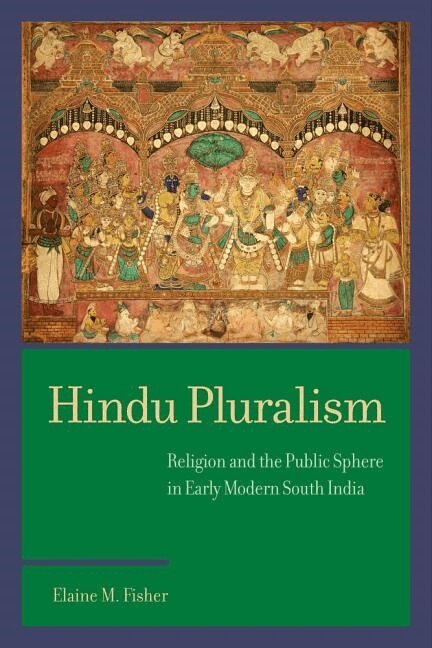
Hindu Pluralism
Religion and the Public Sphere in Early Modern South India
Häftad, 2017
306 kr
Lägg i varukorg
A free ebook version of this title is available through Luminos, University of California Press's Open Access publishing program. Visit www.luminosoa.org to learn more. In Hindu Pluralism, Elaine M. Fisher complicates the traditional scholarly narrative of the unification of Hinduism. By calling …