Eleonora Naxidou - Böcker
Visar alla böcker från författaren Eleonora Naxidou. Handla med fri frakt och snabb leverans.
3 produkter
3 produkter
2 176 kr
Skickas inom 10-15 vardagar
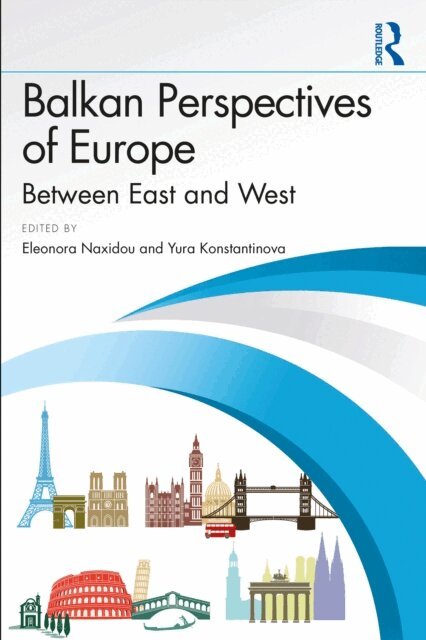
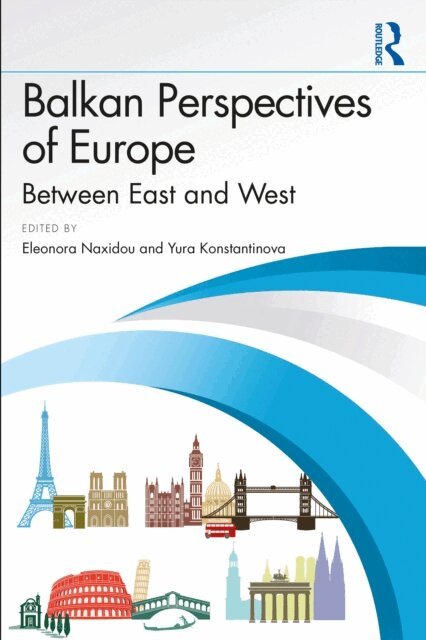
Through the lens of the Balkan nations, this volume makes a valuable and significant contribution to the fields of European and Southeast European studies by reconsidering the East/West dichotomy – both in terms of the Orient–Occident divide and the Eastern–Western Europe binary.Balkan Perspectives of Europe focuses on concepts of Europe as articulated in the Balkans from the nineteenth century to the present – an area that remains largely underexplored, despite extensive research on national identity and the construction of the Other. The authors address this scholarly gap through meticulous bibliographic research, drawing on both published and unpublished sources in Balkan languages. A key strength of the collection is its inclusion of contributors from the Balkans as well as from wider European and American academic contexts, enabling a nuanced and comprehensive examination of the subject through internal and external perspectives. The authors argue that, in asserting their cultural identification with Europe, Balkan nations have developed concepts of Europe that resonate with Occidental discourses and offer a counter-narrative to dominant Western conceptualizations of the Balkans.Broadening access to these ideas, this book’s approach allows scholars, students, and general readers to deepen their understanding of the Balkan region and its perspectives on identity and otherness.
595 kr
Skickas inom 10-15 vardagar
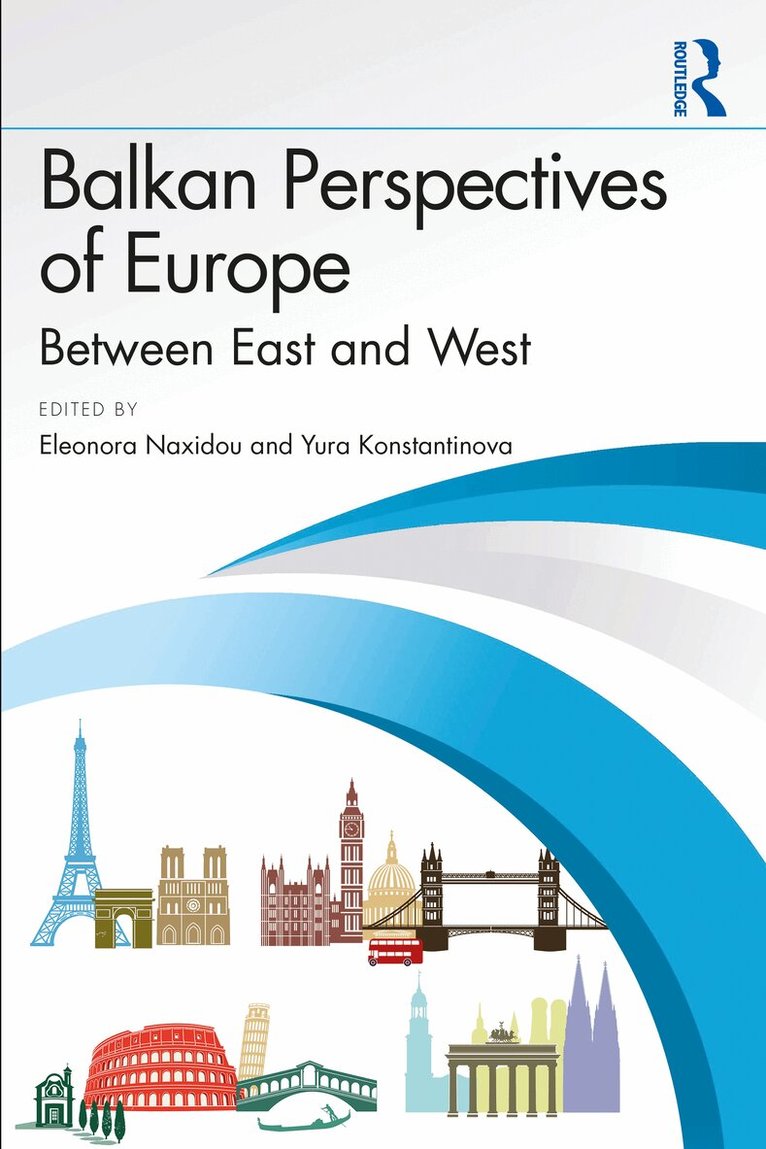
Through the lens of the Balkan nations, this volume makes a valuable and significant contribution to the fields of European and Southeast European studies by reconsidering the East/West dichotomy – both in terms of the Orient–Occident divide and the Eastern–Western Europe binary.Balkan Perspectives of Europe focuses on concepts of Europe as articulated in the Balkans from the nineteenth century to the present – an area that remains largely underexplored, despite extensive research on national identity and the construction of the Other. The authors address this scholarly gap through meticulous bibliographic research, drawing on both published and unpublished sources in Balkan languages. A key strength of the collection is its inclusion of contributors from the Balkans as well as from wider European and American academic contexts, enabling a nuanced and comprehensive examination of the subject through internal and external perspectives. The authors argue that, in asserting their cultural identification with Europe, Balkan nations have developed concepts of Europe that resonate with Occidental discourses and offer a counter-narrative to dominant Western conceptualizations of the Balkans.Broadening access to these ideas, this book’s approach allows scholars, students, and general readers to deepen their understanding of the Balkan region and its perspectives on identity and otherness.
1 746 kr
Skickas inom 10-15 vardagar
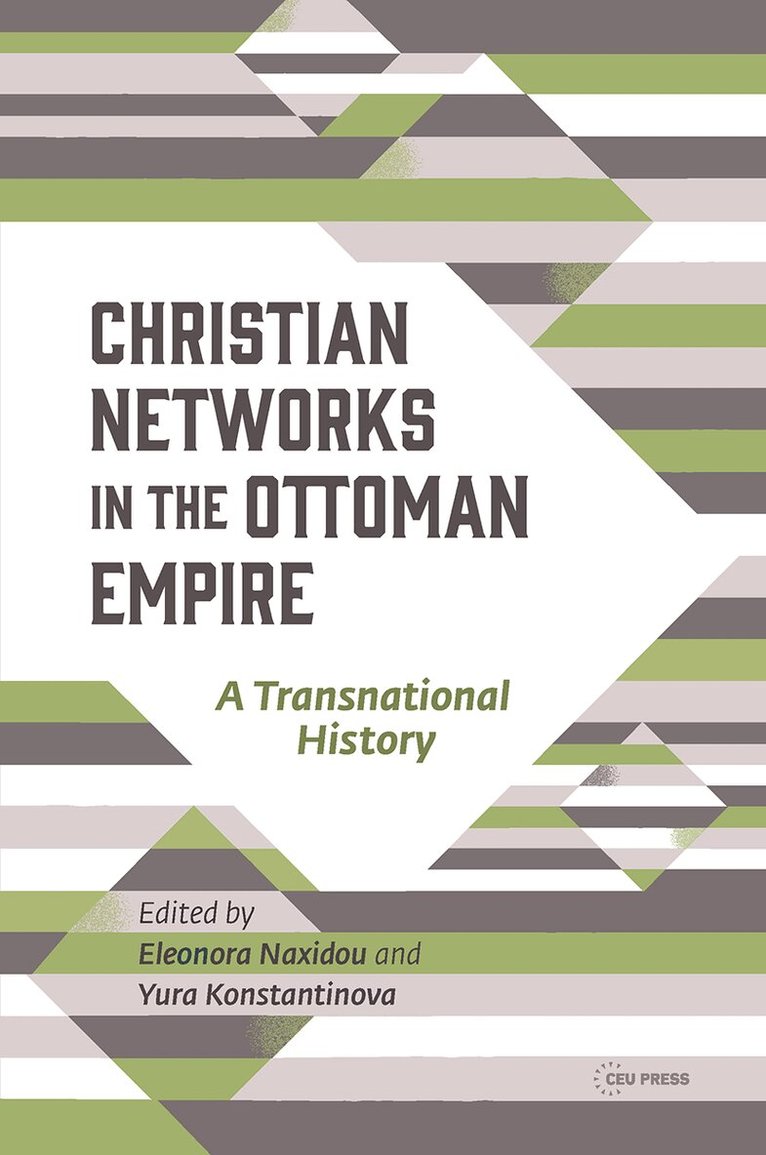
Observers and historians continue to marvel at the diversity and complexity of the Ottoman Empire. This book explores the significant and multifaceted role that Orthodox Christian networks played in the sultan’s realm from the 17th century until WWI. These multi-ethnic, multi-lingual, and multi-confessional formations contributed fundamentally to the political, economic, social, and cultural development of the Empire as well as to its gradual disintegration.Bringing together scholars from most Balkan countries, Christian Networks in the Ottoman Empire describes the variety of Orthodox Christian networks under Ottoman rule. The examples examined include commercial relations, intellectual networks, educational systems, religious dynamics, consular activities, and revolutionary movements, and involve Muslims and Christians, Romanians and Serbs, Bulgarians and Greeks, Albanians and Turks. The contributions show that the Christian populations and their elites were an integral part of Ottoman society.The geographical spread of the formal and informal networks enriches our understanding of the terms ‘center’ and ‘periphery.’ They were either centered within the official Ottoman borders and extended their activities to other states and empires, or vice versa, located elsewhere, but also active in the Ottoman Empire. A common feature of these formations is their constant fluctuation, which enables a dynamic understanding of Ottoman history.