
Eleri H. Cousins - Böcker
Visar alla böcker från författaren Eleri H. Cousins. Handla med fri frakt och snabb leverans.
3 produkter
3 produkter
1 363 kr
Skickas inom 7-10 vardagar
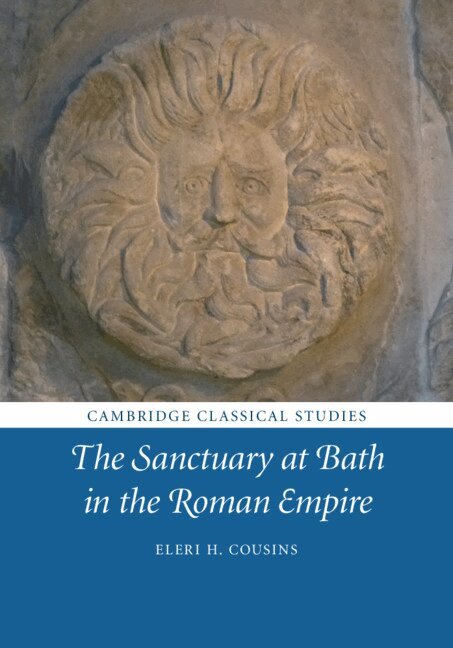
The Roman sanctuary at Bath has long been used in scholarship as an example par excellence of religious and artistic syncretisms in Roman Britain. With its monumental temple, baths, and hot springs, its status as one of the most significant Roman sites in the province is unquestioned. But our academic narratives about Roman Bath are also rooted in the narratives of our more recent past. This book begins by exploring how Georgian and Victorian antiquaries developed our modern story of a healing sanctuary at Roman Bath. It shows that a curative function for the sanctuary is in fact unsupported by the archaeological evidence. It then retells the story of Roman Bath by focusing on three interlinked aspects: the entanglement of the sanctuary with Roman imperialism, the role of the hot springs in the lives of worshipers, and Bath's place within the wider world of the western Roman Empire.
389 kr
Skickas inom 7-10 vardagar
The Roman sanctuary at Bath has long been used in scholarship as an example par excellence of religious and artistic syncretisms in Roman Britain. With its monumental temple, baths, and hot springs, its status as one of the most significant Roman sites in the province is unquestioned. But our academic narratives about Roman Bath are also rooted in the narratives of our more recent past. This book begins by exploring how Georgian and Victorian antiquaries developed our modern story of a healing sanctuary at Roman Bath. It shows that a curative function for the sanctuary is in fact unsupported by the archaeological evidence. It then retells the story of Roman Bath by focusing on three interlinked aspects: the entanglement of the sanctuary with Roman imperialism, the role of the hot springs in the lives of worshipers, and Bath's place within the wider world of the western Roman Empire.
523 kr
Skickas
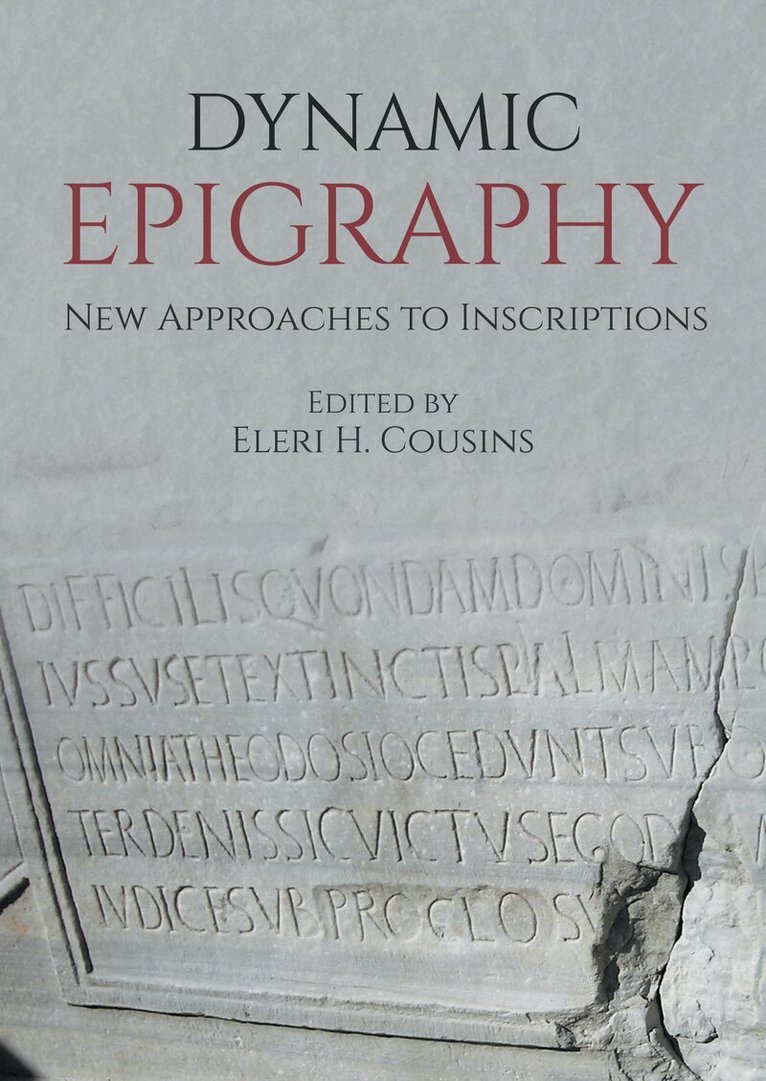
This volume, with origins in a panel at the 2018 Celtic Conference in Classics, presents creative new approaches to epigraphic material, in an attempt to 'shake up' how we deal with inscriptions. Broad themes include the embodied experience of epigraphy, the unique capacities of epigraphic language as a genre, the visuality of inscriptions and the interplay of inscriptions with literary texts. Although each chapter focuses on specific objects and epigraphic landscapes, ranging from Republican Rome to early modern Scotland, the emphasis here is on using these case studies not as an end in themselves, but as a means of exploring broader methodological and theoretical issues to do with how we use inscriptions as evidence, both for the Greco-Roman world and for other time periods. Drawing on conversations from fields such as archaeology and anthropology, philology, art history, linguistics and history, contributors also seek to push the boundaries of epigraphy as a discipline and to demonstrate the analytical fruits of interdisciplinary approaches to inscribed material. Methodologies such as phenomenology, translingualism, intertextuality and critical fabulation are deployed to offer new perspectives on the social functions of inscriptions as texts and objects and to open up new horizons for the use of inscriptions as evidence for past societies.