Eli Friedland – författare
Visar alla böcker från författaren Eli Friedland. Handla med fri frakt och snabb leverans.
6 produkter
Nietzsche's Therapeutic Teaching
For Individuals and Culture
Av Horst Hutter, Eli Friedland
E-bok, 2013
608 kr
Lägg i varukorg
The theme of the philosopher as therapist dominates Nietzsche's entire opus, from his earliest writings to the Zarathustra period and beyond. Nietzsche wishes to hasten the coming and future sanctification of a new type of synthetic human being, and his entire teaching is shaped by his own …
Nietzsche's Therapeutic Teaching
For Individuals and Culture
Av Horst Hutter, Eli Friedland
E-bok, 2013
608 kr
Lägg i varukorg
The theme of the philosopher as therapist dominates Nietzsche's entire opus, from his earliest writings to the Zarathustra period and beyond. Nietzsche wishes to hasten the coming and future sanctification of a new type of synthetic human being, and his entire teaching is shaped by his own …
Nietzsche's Therapeutic Teaching
For Individuals and Culture
Av Horst Hutter, Eli Friedland
Inbunden, 2013
2133 kr
Lägg i varukorg
The theme of the philosopher as therapist dominates Nietzsche's entire opus, from his earliest writings to the Zarathustra period and beyond. Nietzsche wishes to hasten the coming and future sanctification of a new type of synthetic human being, and his entire teaching is shaped by his own …
Nietzsche's Therapeutic Teaching
For Individuals and Culture
Av Horst Hutter, Eli Friedland
Häftad, 2015
560 kr
Lägg i varukorg
The theme of the philosopher as therapist dominates Nietzsche's entire opus, from his earliest writings to the Zarathustra period and beyond. Nietzsche wishes to hasten the coming and future sanctification of a new type of synthetic human being, and his entire teaching is shaped by his own …
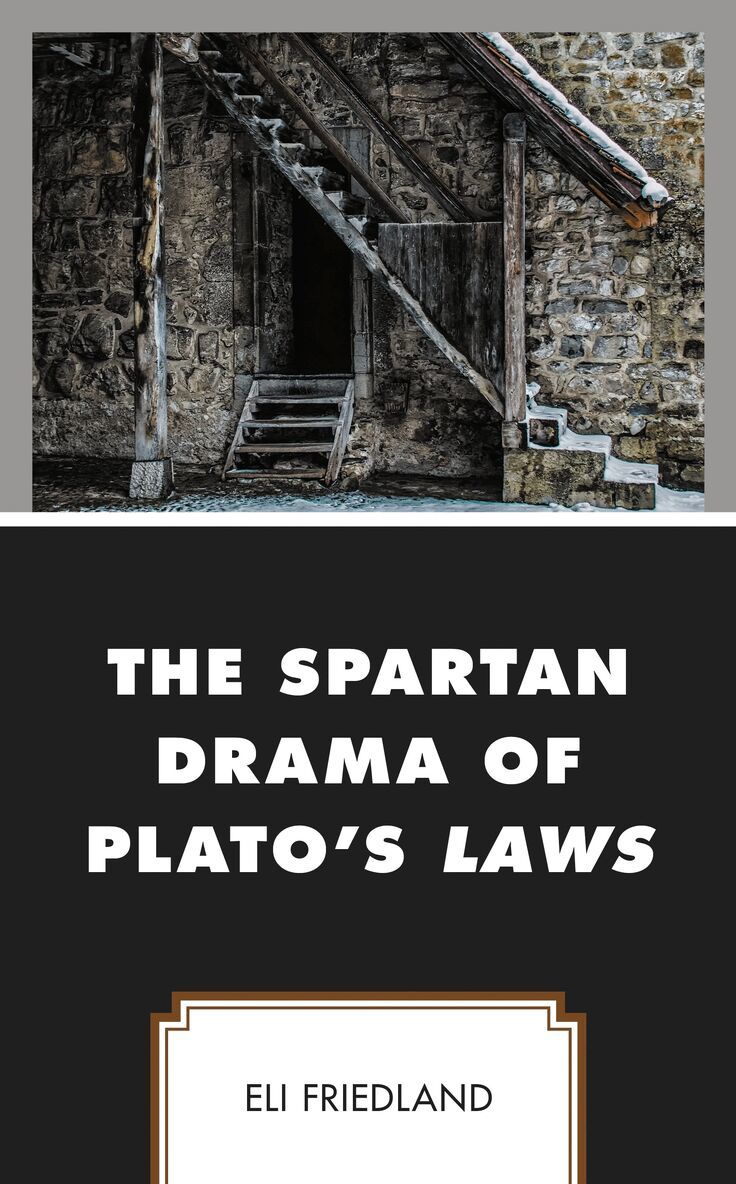
Spartan Drama of Plato’s Laws
Inbunden, 2020
1212 kr
Lägg i varukorg
Friedland presents the Laws, Plato's longest dialogue, as a drama that must be interpreted with close and sustained attention to each of its three characters. He argues that Megillos, seen by most commentators as the most obtuse character in the dialogue, is in fact a man of few words but of …
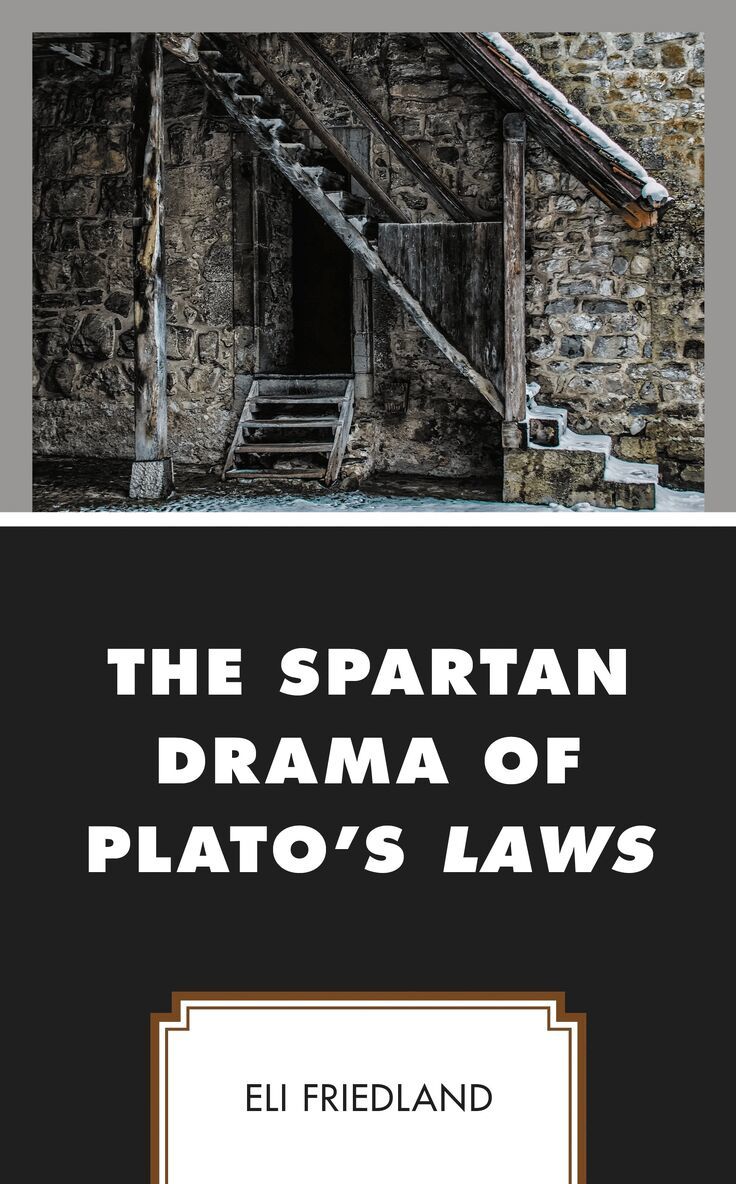
Spartan Drama of Plato’s Laws
Häftad, 2022
517 kr
Lägg i varukorg
Friedland presents the Laws, Plato's longest dialogue, as a drama that must be interpreted with close and sustained attention to each of its three characters. He argues that Megillos, seen by most commentators as the most obtuse character in the dialogue, is in fact a man of few words but of …