Eliot Epstein - Böcker
Visar alla böcker från författaren Eliot Epstein. Handla med fri frakt och snabb leverans.
6 produkter
6 produkter
958 kr
Skickas inom 10-15 vardagar
FROM THE PREFACEThe main objective of composting is to transform organic materials into a stable usable product. Often organic materials which may have limited beneficial use in their raw state or have regulatory disposal constraints can be transformed by composting into marketable products. The limits on beneficial reuse may be regulations or they may be due to the potential for materials to be putrescible or pathogenic. Composting can be a solution for each of these.The implementation of composting on a large scale (in contrast to home or backyard composting) involves materials handling. Technological implementation of composting must be consistent with the biological demand of the system. If the biological system is violated, conditions will not be optimized for composting, and problems such as odor generation, insufficient aeration or moisture, or a combination of these conditions may result. Past problems and closure of facilities have been largely due to violations of the biological systems. Product quality with respect to particle size, inclusions, moisture content and other physical aspects are a function of engineering design. A well designed system must have the biological and engineering principles in harmony at all times.
917 kr
Skickas inom 10-15 vardagar
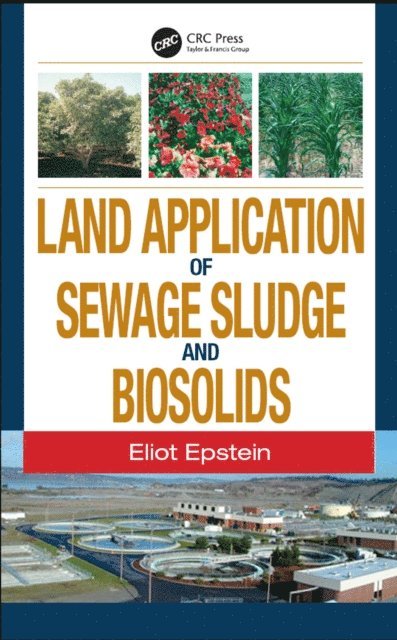
Over 50 percent of the 6,900 million dry tons of sewage sludge generated each year in the United States is land applied. The principal controversies surrounding the land application of biosolids involve heavy metals and pathogens. Land Application of Sewage Sludge and Biosolids is a comprehensive, scientific text providing a complete review of various aspects of this controversial subject, from an extensive discussion of heavy metals and pathogens to the fate and effects of organic compounds. Consideration is given to crop removal of metals and organics, soil erosion, and leaching, as well as to differing approaches and regulations in Europe and Canada. The result is an authoritative, science-based, and unbiased perspective on the benefits and the potential risks of land application to human health and the environment.About the Author:Elliot Epstein, Ph.D. is Chief Environmental Scientist for Tetra Tech, Inc. and an adjunct professor of public health at Boston University School of Public Health. He received his Ph.D. in soil physics from Purdue University and served as a research leader for the U.S. Department of Agriculture's Agricultural Research Service for 16 years. Dr. Epstein has more than 30 years of experience in biosolids composting, and has managed or directed more than 400 composting projects. He has consulted on composting and biosolids management for the USEPA, World Bank, and United Nations.
2 317 kr
Skickas inom 10-15 vardagar
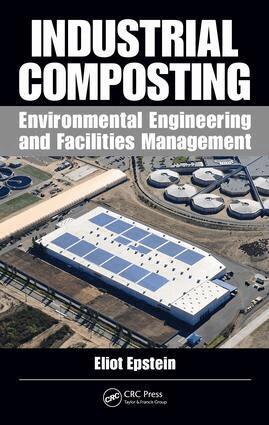
The ultimate in recycling, composting has been in use in some form since ancient times. A well-managed composting facility should exist as a good neighbor contributing to ecology. However, since local populations often perceive risks if a composting facility is built nearby, composting facilities must be designed and operated with minimal odor, dust, and noise emissions. Industrial Composting examines the key operational aspects and problems associated with composting, with strong emphasis on odor mitigation, pathogens, and aerosols. Designed for composting professionals and supported by extensive quality references, this book covers: Facilities Planning and DesignOdor ManagementDesign, Material, Energy, and Water BalancesEconomics of Product Marketing and SalesPublic Relations, Participation, and Communication RegulationsPathogen Concentrations as Related to FeedstocksBioaerosols Associated with Composting and Their Potential DiseasesWhile many books cover composting, most of those currently available are either out of date or contain only a few chapters on the subject. With interest growing in the use of composting for biosolids, food wastes, and other specialty areas, the need for an up-to-date, focused resource is also increasing. To assist composting practitioners, community decision makers, and advocates, Industrial Composting brings recent advances and best practices in composting together in an accessible, professional volume.
1 049 kr
Tillfälligt slut
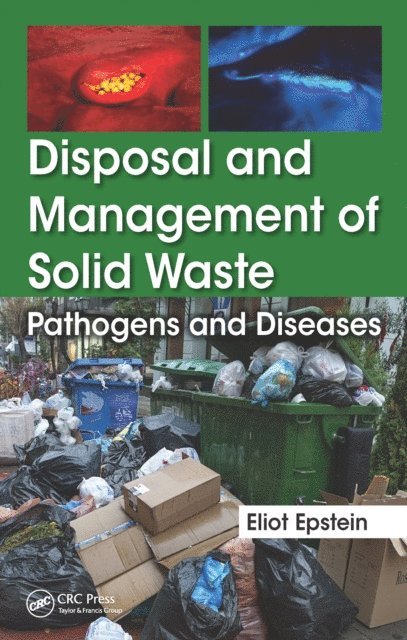
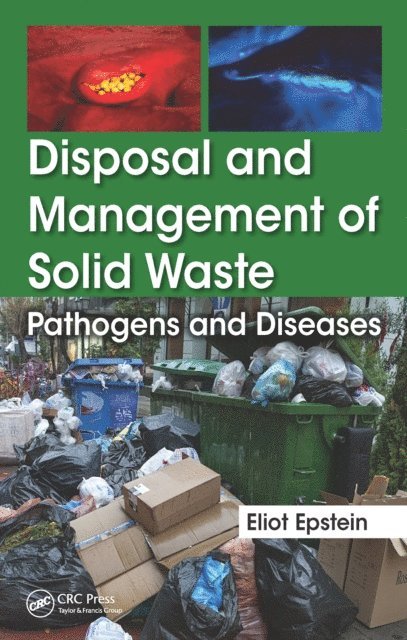
Disposal and Management of Solid Waste: Pathogens and Diseases takes a closer look at pathogens that are found in solid wastes and the diseases that they produce. While comparing the differences between developed and developing countries, this book provides an understanding of the risks and exposure of pathogens in solid wastes, addresses pathogens in soil and plants, and bioaerosols, and helps readers determine how pathogens can be directly or indirectly detrimental to human health. The text places special emphasis on developing countries where environmentally safe systems are relatively rare, and provides extensive details on potential sources of infection and disease. The author discusses the transmission routes of diseases and pathogens from various solid wastes, and presents the proper disposal options and the management of solid waste.This book covers: Global aspects of pathogens and diseases from solid wastePathogens and diseases in various solid wastes other than hospital wastesDisposal and management of solid wastes in relation to diseasesDisposal and Management of Solid Waste: Pathogens and Diseases describes the various pathogens and diseases that can be found in solid waste, and utilizes recent available data to offer insight and suggestions on the management and disposal of solid waste to reduce infection and disease.
1 889 kr
Tillfälligt slut
Over 50 percent of the 6,900 million dry tons of sewage sludge generated each year in the United States is land applied. The principal controversies surrounding the land application of biosolids involve heavy metals and pathogens. Land Application of Sewage Sludge and Biosolids is a comprehensive, scientific text providing a complete review of various aspects of this controversial subject, from an extensive discussion of heavy metals and pathogens to the fate and effects of organic compounds. Consideration is given to crop removal of metals and organics, soil erosion, and leaching, as well as to differing approaches and regulations in Europe and Canada. The result is an authoritative, science-based, and unbiased perspective on the benefits and the potential risks of land application to human health and the environment.About the Author:Elliot Epstein, Ph.D. is Chief Environmental Scientist for Tetra Tech, Inc. and an adjunct professor of public health at Boston University School of Public Health. He received his Ph.D. in soil physics from Purdue University and served as a research leader for the U.S. Department of Agriculture's Agricultural Research Service for 16 years. Dr. Epstein has more than 30 years of experience in biosolids composting, and has managed or directed more than 400 composting projects. He has consulted on composting and biosolids management for the USEPA, World Bank, and United Nations.
5 306 kr
Skickas inom 10-15 vardagar
FROM THE PREFACEThe main objective of composting is to transform organic materials into a stable usable product. Often organic materials which may have limited beneficial use in their raw state or have regulatory disposal constraints can be transformed by composting into marketable products. The limits on beneficial reuse may be regulations or they may be due to the potential for materials to be putrescible or pathogenic. Composting can be a solution for each of these.The implementation of composting on a large scale (in contrast to home or backyard composting) involves materials handling. Technological implementation of composting must be consistent with the biological demand of the system. If the biological system is violated, conditions will not be optimized for composting, and problems such as odor generation, insufficient aeration or moisture, or a combination of these conditions may result. Past problems and closure of facilities have been largely due to violations of the biological systems. Product quality with respect to particle size, inclusions, moisture content and other physical aspects are a function of engineering design. A well designed system must have the biological and engineering principles in harmony at all times.