Elisabeth van Houts – författare
Visar alla böcker från författaren Elisabeth van Houts. Handla med fri frakt och snabb leverans.
16 produkter
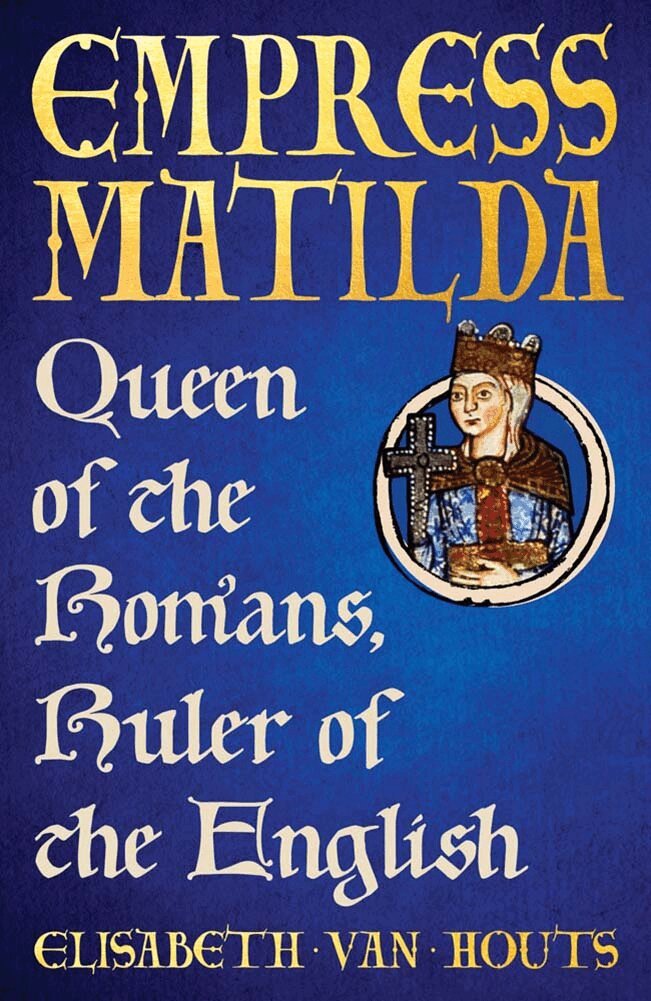
Empress Matilda
Queen of the Romans, Ruler of the English
Inbunden, 2026
373 kr
Lägg i varukorg
An authoritative new biography of Empress Matilda Born in 1102, Empress Matilda combined the blood of two dynasties: the house of Wessex and their conquerors, the dukes of Normandy. As a widowed German empress, she was named as heir successor by her father, Henry I. But, after his death in 1135, …
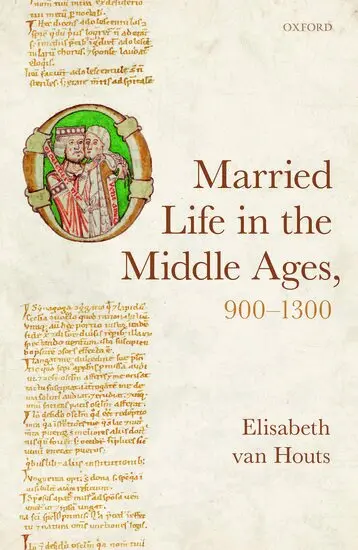
Married Life in the Middle Ages, 900-1300
E-bok, 2019
416 kr
Lägg i varukorg
Married Life in the Middle Ages, 900-1300 contains an analysis of the experience of married life by men and women in Christian medieval Europe, c . 900-1300. The study focusses on the social and emotional life of the married couple rather than on the institutional history of marriage, breaking it …
Married Life in the Middle Ages, 900-1300
E-bok, 2019
416 kr
Lägg i varukorg
Married Life in the Middle Ages, 900-1300 contains an analysis of the experience of married life by men and women in Christian medieval Europe, c . 900-1300. The study focusses on the social and emotional life of the married couple rather than on the institutional history of marriage, breaking it …
Married Life in the Middle Ages, 900-1300
Häftad, 2022
477 kr
Lägg i varukorg
Married Life in the Middle Ages, 900-1300 contains an analysis of the experience of married life by men and women in Christian medieval Europe, c. 900-1300. The study focusses on the social and emotional life of the married couple rather than on the institutional history of marriage, breaking it …
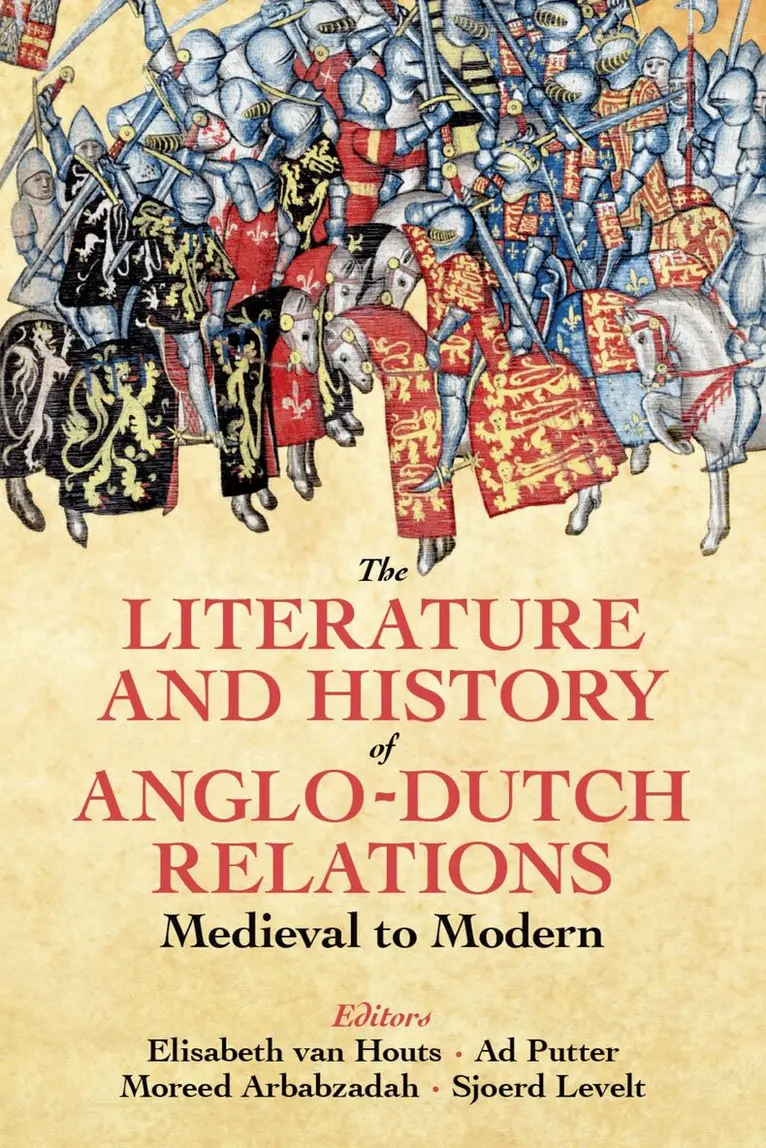
The Literature and History of Anglo-Dutch Relations, Medieval to Modern
Av Elisabeth Van Houts, Ad Putter m. fl.
Inbunden, 2024
1604 kr
Lägg i varukorg
Ranging from c. 1050 to c. 1600, The Literature and History of Anglo-Dutch Relations, Medieval to Modern crosses chronological, linguistic, geographical, and disciplinary boundaries to explore the cultural history of relations between English and Dutch speakers. The evidence consists of many …
Married Life in the Middle Ages, 900-1300
Inbunden, 2019
1623 kr
Lägg i varukorg
Married Life in the Middle Ages, 900-1300 contains an analysis of the experience of married life by men and women in Christian medieval Europe, c. 900-1300. The study focusses on the social and emotional life of the married couple rather than on the institutional history of marriage, breaking it …
The Warenne (Hyde) Chronicle
Av Elisabeth Van Houts, Rosalind Love m. fl.
Inbunden, 2013
3366 kr
Lägg i varukorg
The Warenne Chronicle is the more appropriate name for the Latin text known as the Hyde Chronicle. It covers the period from 1035 - the year in which Robert the Magnificent, duke of Normandy, died - up to the account of the White ship disaster in November 1120 when William Adelin, eldest son and …
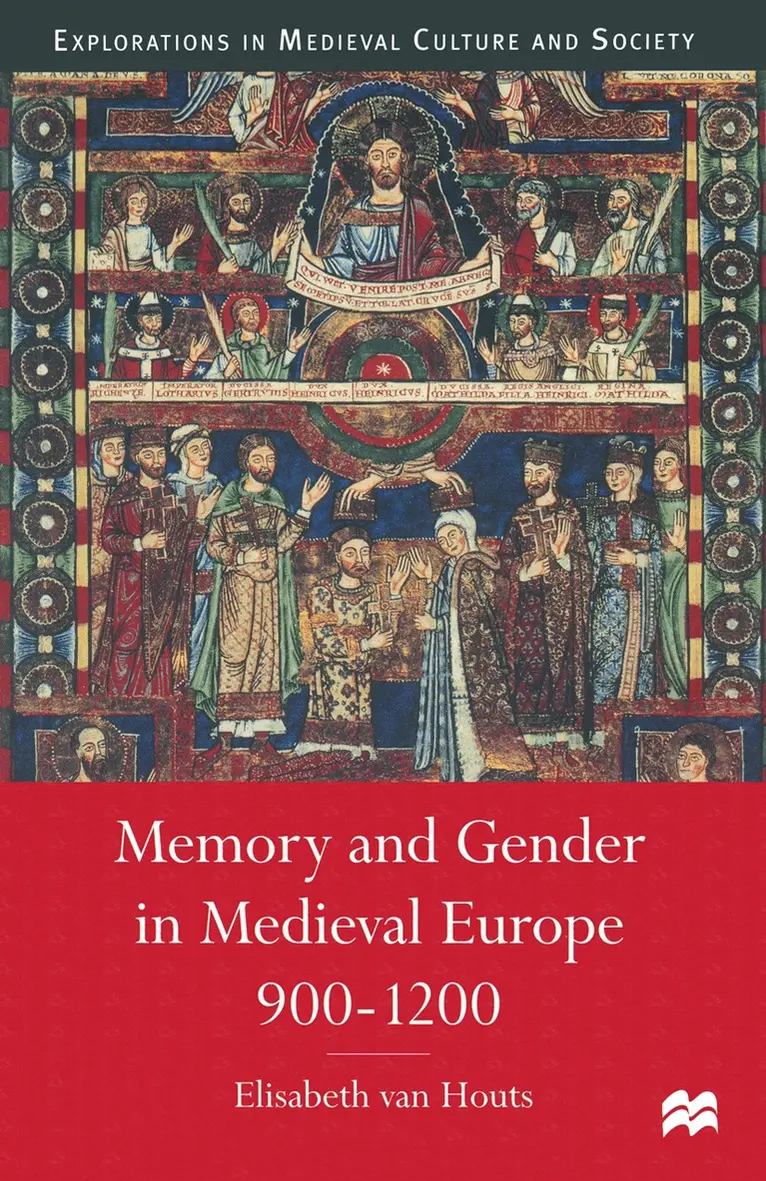
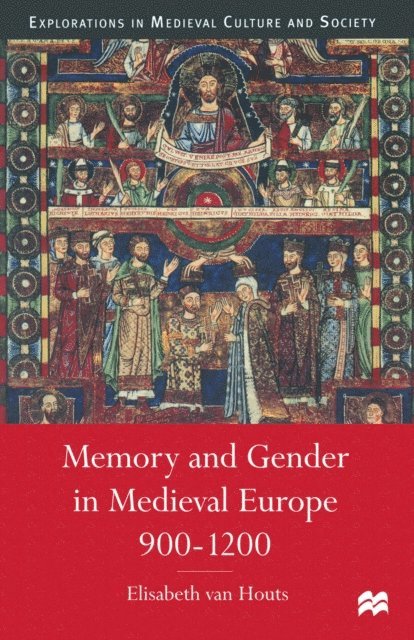
Memory and Gender in Medieval Europe, 900-1200
Häftad, 1999
625 kr
Lägg i varukorg
Remembering the past in the Middle Ages is a subject that is usually perceived as a study of chronicles and annals written by monks in monasteries. Following in the footsteps of early Christian historians such as Eusebius and St Augustine, the medieval chroniclers are thought of as men isolated in …
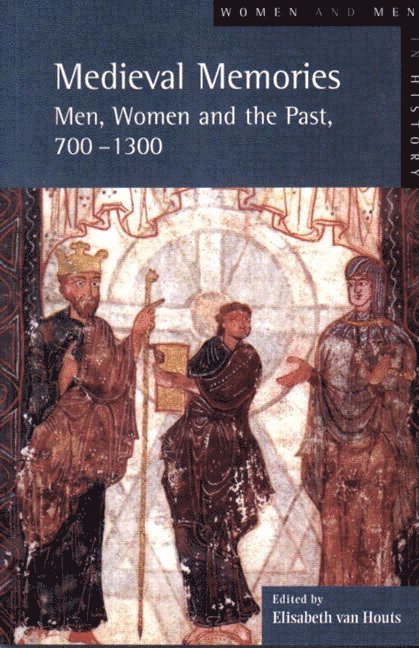
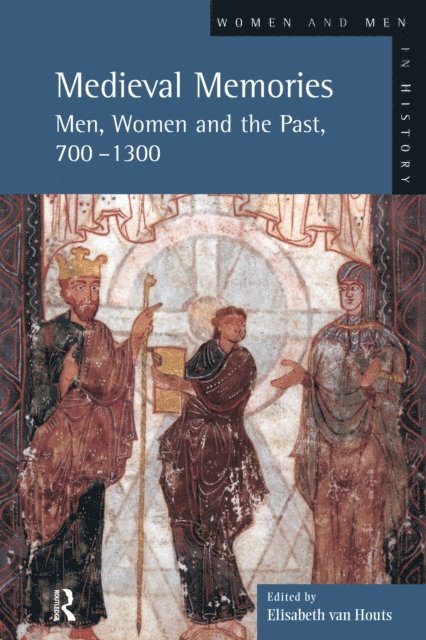
Medieval Memories
Men, Women and the Past, 700-1300
Häftad, 2001
967 kr
Lägg i varukorg
Who, exactly, was responsible for the preservation of knowledge about the past? How did people preserve their recollections and pass them on to the next generation? Did they write them down or did they hand then on orally? The book is concerned with the memories of medieval people. In the Middle …
Normans in Europe
Häftad, 2000
382 kr
Lägg i varukorg
This book provides a selection from the abundant source material generated by the Normans and the peoples they conquered. As this study demonstrates, few other medieval peoples generated historical writing of such quantity and quality. Van Houts takes a wide European perspective on the Normans, …
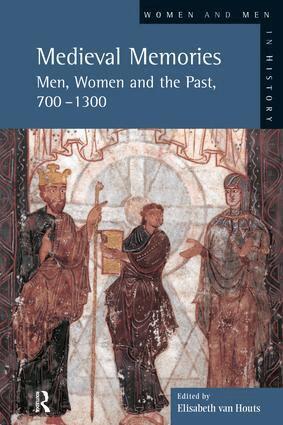
Medieval Memories
Men, Women and the Past, 700-1300
Inbunden, 2015
2586 kr
Lägg i varukorg
Who, exactly, was responsible for the preservation of knowledge about the past? How did people preserve their recollections and pass them on to the next generation? Did they write them down or did they hand then on orally? The book is concerned with the memories of medieval people. In the Middle …
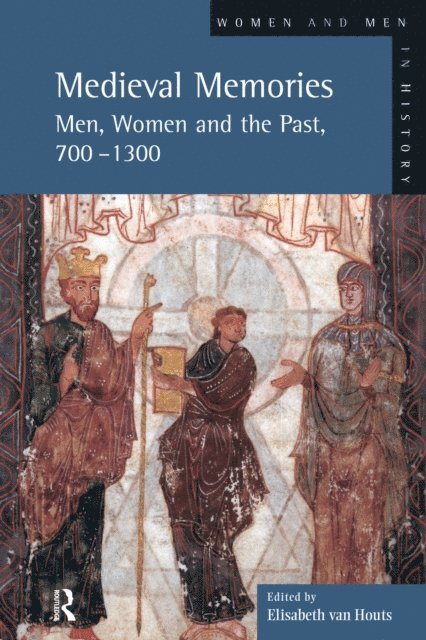
Medieval Memories
Men, Women and the Past, 700-1300
E-bok, 2013
1141 kr
Lägg i varukorg
Who, exactly, was responsible for the preservation of knowledge about the past? How did people preserve their recollections and pass them on to the next generation? Did they write them down or did they hand then on orally? The book is concerned with the memories of medieval people. In the Middle …
Medieval Memories
Men, Women and the Past, 700-1300
E-bok, 2013
1141 kr
Lägg i varukorg
Who, exactly, was responsible for the preservation of knowledge about the past? How did people preserve their recollections and pass them on to the next generation? Did they write them down or did they hand then on orally? The book is concerned with the memories of medieval people. In the Middle …
Memory and Gender in Medieval Europe, 900-1200
E-bok, 2016
892 kr
Lägg i varukorg
Remembering the past in the Middle Ages is a subject that is usually perceived as a study of chronicles and annals written by monks in monasteries. Following in the footsteps of early Christian historians such as Eusebius and St Augustine, the medieval chroniclers are thought of as men isolated in …
Normans in Europe
E-bok, 2013
273 kr
Lägg i varukorg
This book provides a selection from the abundant source material generated by the Normans and the peoples they conquered. As this study demonstrates, few other medieval peoples generated historical writing of such quantity and quality. Van Houts takes a wide European perspective on the Normans, …
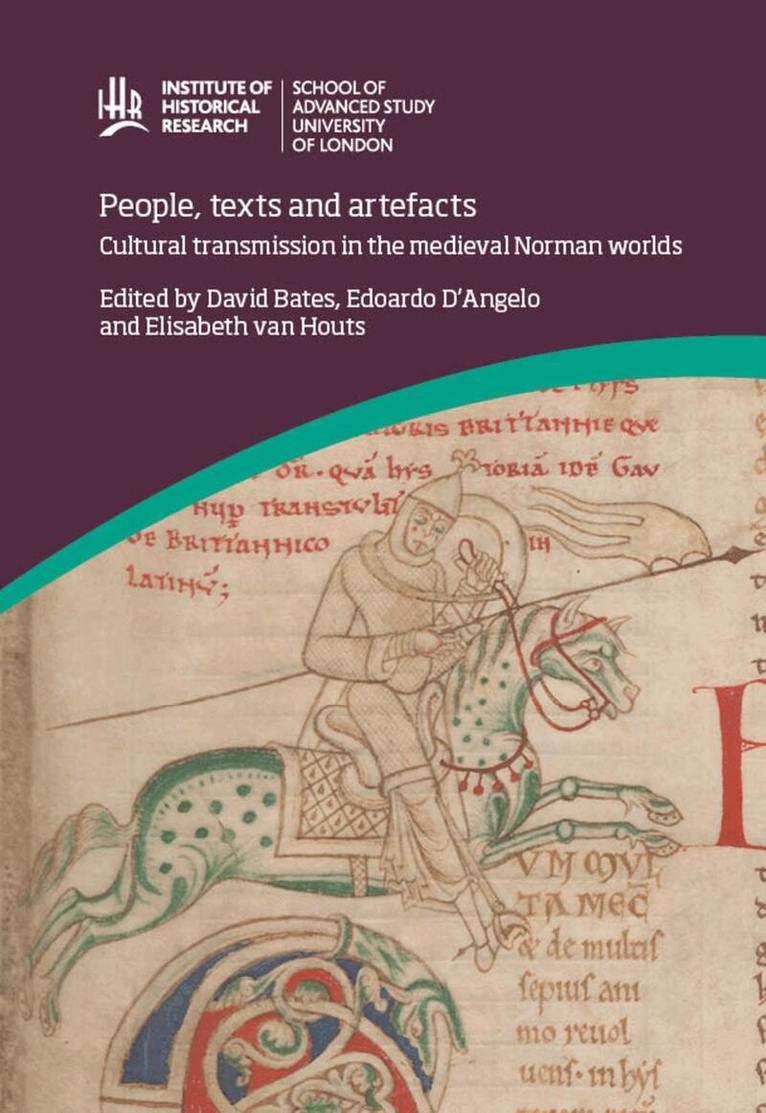
People, Texts and Artefacts
Cultural Transmission in the Medieval Norman Worlds
Av David Bates, Edoardo D'Angelo m. fl.
Inbunden, 2018
1274 kr
Lägg i varukorg