Elisabetta Marino – författare
Visar alla böcker från författaren Elisabetta Marino. Handla med fri frakt och snabb leverans.
6 produkter
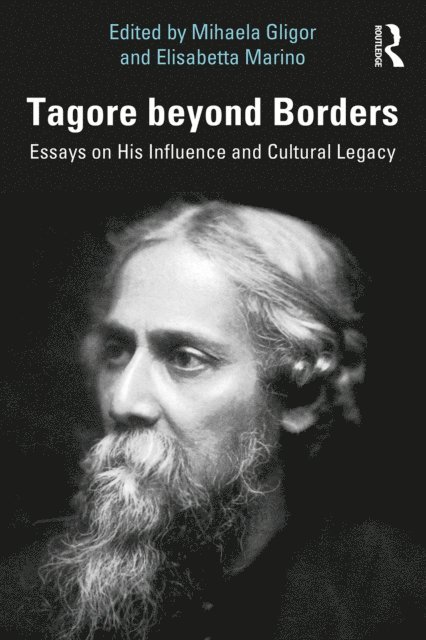
Tagore beyond Borders
Essays on His Influence and Cultural Legacy
Av Elisabetta Marino, Mihaela Gligor
E-bok, 2022
837 kr
Lägg i varukorg
This book looks at Rabindranath Tagore’s creative art, social commitment, literary and artistic representation and his unique legacy in the cultural history of modern India – as a blend of the quintessentially Indian and the liberal universalist. Tagore’s genius, which he expressed through …
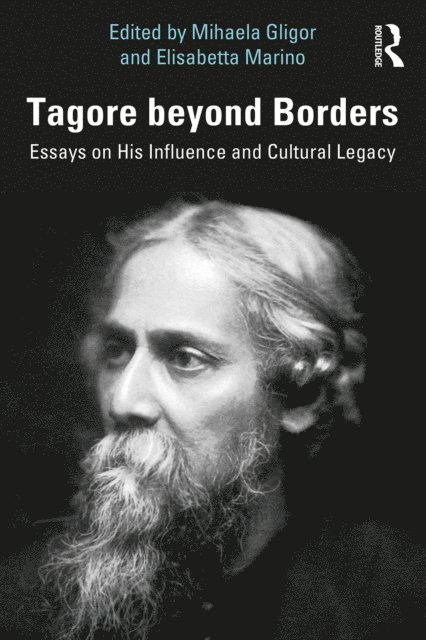
Tagore beyond Borders
Essays on His Influence and Cultural Legacy
Av Elisabetta Marino, Mihaela Gligor
E-bok, 2022
837 kr
Lägg i varukorg
This book looks at Rabindranath Tagore’s creative art, social commitment, literary and artistic representation and his unique legacy in the cultural history of modern India – as a blend of the quintessentially Indian and the liberal universalist. Tagore’s genius, which he expressed through …
Tagore beyond Borders
Essays on His Influence and Cultural Legacy
Av Mihaela Gligor, Elisabetta Marino
Inbunden, 2022
2451 kr
Lägg i varukorg
This book looks at Rabindranath Tagore’s creative art, social commitment, literary and artistic representation and his unique legacy in the cultural history of modern India – as a blend of the quintessentially Indian and the liberal universalist. Tagore’s genius, which he expressed through his …
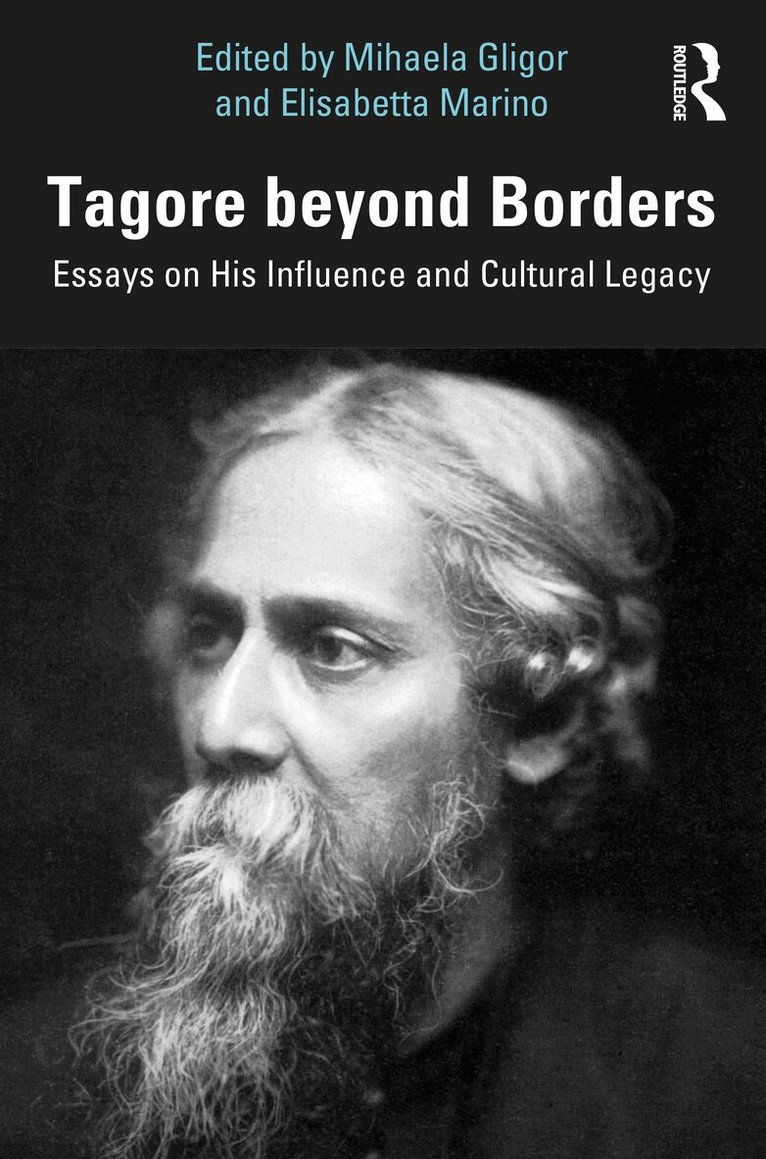
Tagore beyond Borders
Essays on His Influence and Cultural Legacy
Av Mihaela Gligor, Elisabetta Marino
Häftad, 2022
711 kr
Lägg i varukorg
This book looks at Rabindranath Tagore’s creative art, social commitment, literary and artistic representation and his unique legacy in the cultural history of modern India – as a blend of the quintessentially Indian and the liberal universalist. Tagore’s genius, which he expressed through his …
Victorian Ladies in the Ottoman Empire
Lifting the Veil
Inbunden, 2027
1788 kr
Kommande
Focusing on prominent accounts by 10 distinguished women writers, who travelled to the Ottoman Empire (in particular, to modern-day Turkey, Egypt, and Cyprus) during the reign of Queen Victoria, this volume analyzes the multi-faceted, often ambivalent and conflicting ways their encounters with …
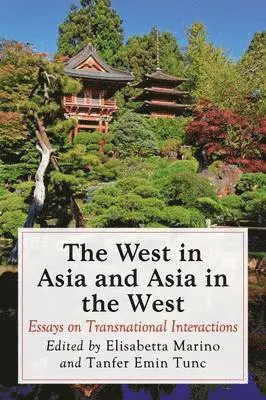
West in Asia and Asia in the West
Essays on Transnational Interactions
Av Elisabetta Marino, Tanfer Emin Tunc
Häftad, 2015
599 kr
Tillfälligt slut
This collection of new essays examines the "transnational turn" in cultural studies between Asia and the West. Drawing on literature, history, culture, film and media studies, scholars from a range of disciplines explore the constructs of "Asia" and "the West" and their cultural collision.Topics …