Elise A Friedland - Böcker
Visar alla böcker från författaren Elise A Friedland. Handla med fri frakt och snabb leverans.
3 produkter
3 produkter
661 kr
Skickas inom 5-8 vardagar
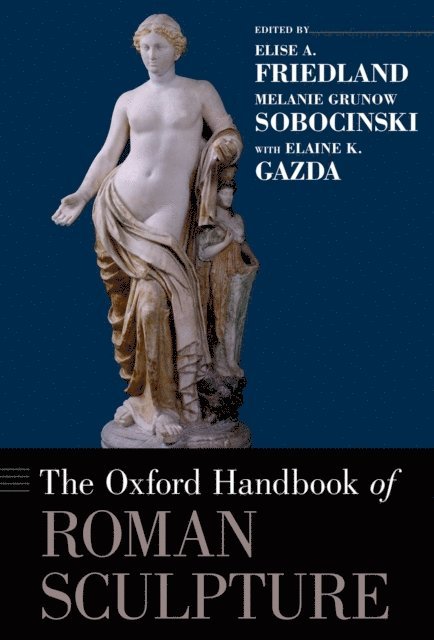
The study of Roman sculpture has been an essential part of the disciplines of Art History and Classics since the eighteenth century. Famous works like the Laocoön, the Arch of Titus, and the colossal portrait of Constantine are familiar to millions. Again and again, scholars have returned to sculpture to answer questions about Roman art, society, and history. Indeed, the field of Roman sculptural studies encompasses not only the full chronological range of the Roman world but also its expansive geography, and a variety of artistic media, formats, sizes, and functions. Exciting new theories, methods, and approaches have transformed the specialized literature on the subject in recent decades. Rather than creating another chronological catalogue of representative examples from various periods, genres, and settings, The Oxford Handbook of Roman Sculpture synthesizes current best practices for studying this central medium of Roman art, situating it within the larger fields of Art History, Classical Archaeology, and Roman Studies. This comprehensive volume fills the gap between introductory textbooks and highly focused professional literature. The Oxford Handbook of Roman Sculpture conveniently presents new technical, scientific, literary, and theoretical approaches to the study of Roman sculpture in one reference volume while simultaneously complementing textbooks and other publications that present well-known works in the corpus. The contributors to this volume address metropolitan and provincial material from the early republican period through late antiquity in an engaging and fresh style. Authoritative, innovative, and up-to-date, The Oxford Handbook of Roman Sculpture will remain an invaluable resource for years to come.
2 617 kr
Skickas inom 5-8 vardagar
The study of Roman sculpture has been an essential part of the disciplines of Art History and Classics since the eighteenth century. From formal concerns such as Kopienkritic (copy criticism) to social readings of plebeian and patrician art and beyond, scholars have returned to Roman sculpture to answer a variety of questions about Roman art, society, and history. Indeed, the field of Roman sculptural studies encompasses not only the full chronological range of the Roman world but also its expansive geography, and a variety of artistic media, formats, sizes, and functions. Exciting new theories, methods, and approaches have transformed the specialized literature on the subject in recent decades. Rather than creating another chronological ARCH15OXH of representative examples of various periods, genres, and settings, The Oxford Handbook of Roman Sculpture synthesizes current best practices for studying this central medium of Roman art, situating it within the larger fields of art history, classical archaeology, and Roman studies. This volume fills the gap between introductory textbooks--which hide the critical apparatus from the reader--and the highly focused professional literature. The handbook conveniently presents new technical, scientific, literary, and theoretical approaches to the study of Roman sculpture in one reference volume and complements textbooks and other publications that present well-known works in the corpus. Chronologically, the volume addresses material from the Early Republican period through Late Antiquity. The Oxford Handbook of Roman Sculpture not only contributes to the field of classical art and archaeology but also provides a useful reference for classicists and historians of the ancient world.
Del 17 - Archaeological Reports
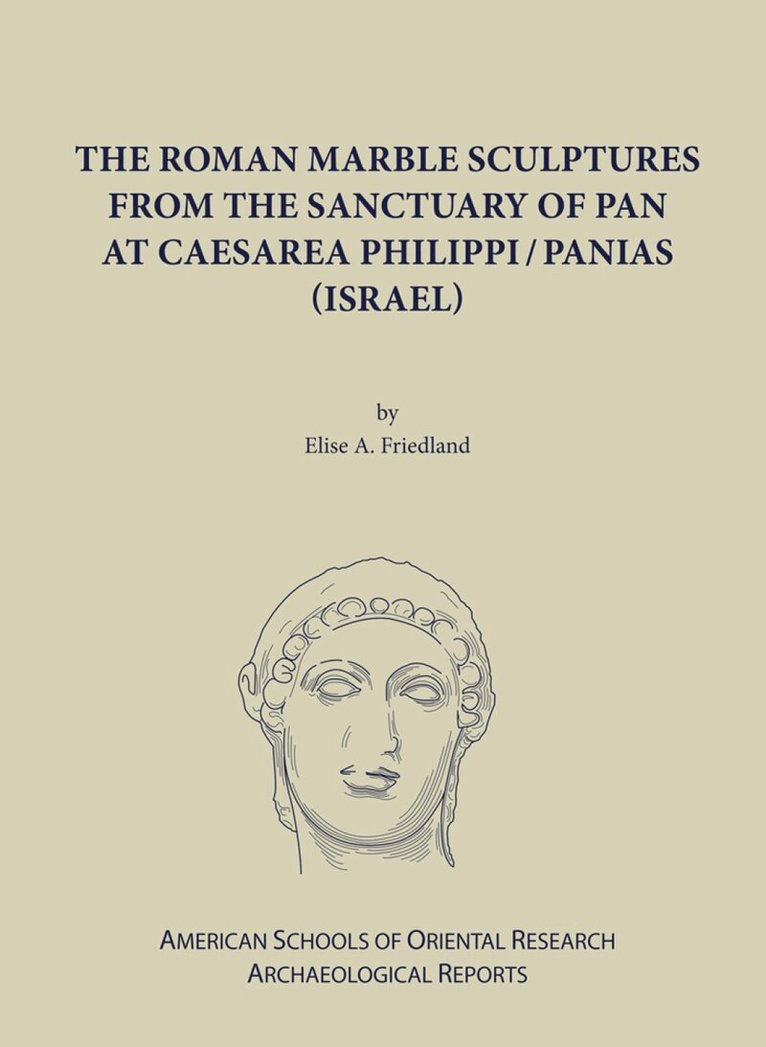
Roman Marble Sculptures from the Sanctuary of Pan at Caesarea Philippi/Panias (Israel)
Inbunden, Engelska, 2013
326 kr
Skickas inom 5-8 vardagar
Includes 95 b/w figures and 8 tables. This is the first publication on a deposit of broken marble statues, discovered in 1992 during excavations of the Roman Sanctuary of Pan at Caesarea Philippi , in Panias, Israel. From 245 fragments, twenty-nine statues ranging from colossal to miniature and representing mainstream Graeco-Roman deities and mythological figures are reconstructed. Most date stylistically to the first through the late fourth centuries AD. A catalogue discusses each sculpture's subject, comparanda, workshop associations, and date; three interpretive chapters present the artistic and material origins of the sculptures; patterns of patronage, chronology of sculptural dedication, and display; and sculptural evidence for the sanctuary's pantheon.