Elissa Auther – författare
Visar alla böcker från författaren Elissa Auther. Handla med fri frakt och snabb leverans.
5 produkter
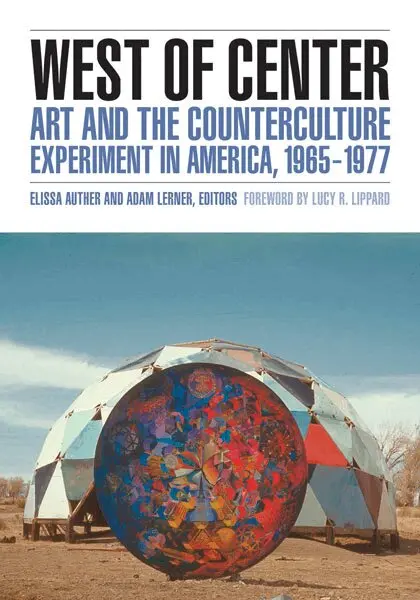
West of Center
Art and the Counterculture Experiment in America, 1965–1977
Häftad, 2011
455 kr
Lägg i varukorg
In the heady and hallucinogenic days of the 1960s and ’70s, a diverse range of artists and creative individuals based in the American West-from the Pacific coast to the Rocky Mountains and the Southwest-broke the barriers between art and lifestyle and embraced the new, hybrid sensibilities of the …
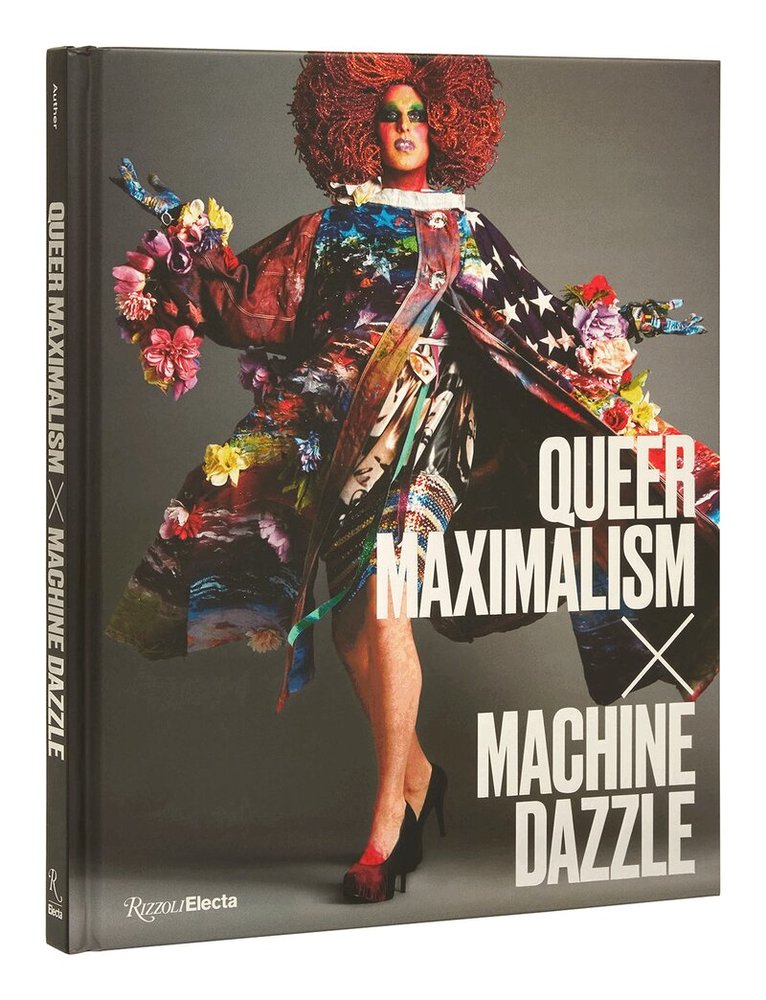
Queer Maximalism x Machine Dazzle
Av Elissa Auther, Justin Vivian Bond
Inbunden, 2022
387 kr
Lägg i varukorg
Machine Dazzle, to my mind, [is] a true theatrical genius who has created some of the most inventive costumes and sets I have ever seen. —Hilton Als, The New YorkerMachine Dazzle is the much-in-demand designer and artist behind popular cabaret, drag, and performance stars such as Taylor Mac and …
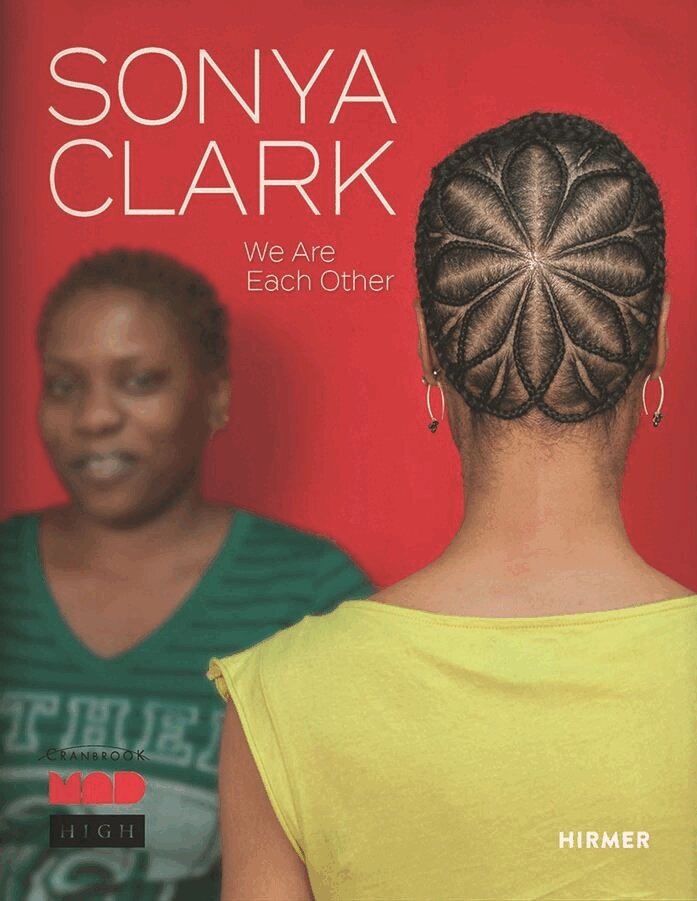
Sonya Clark
We Are Each Other
Av Elissa Auther, Andrew Blauvelt m. fl.
Inbunden, 2023
426 kr
Lägg i varukorg
This is the first volume to document and contextualize Sonya Clark’s large-scale, collaborative artworks. These projects demonstrate Clark’s career-long commitment to addressing the urgent issue of racial inequality in American society and her philosophy of creatively engaging the viewer in …
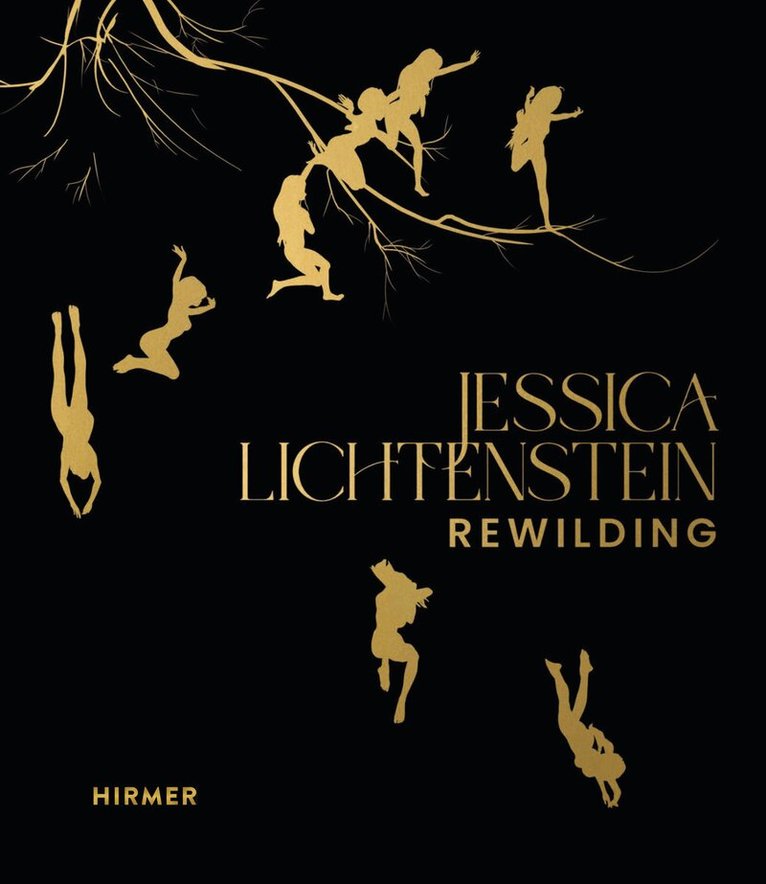
Rewilding: Jessica Lichtenstein at Work
Works on Femininity, Nature, and the Gaze
Av Jessica Lichtenstein, Elissa Auther
Inbunden, 2027
458 kr
Kommande
Rewilding: Jessica Lichtenstein at Work presents the artist’s multimedia practice across two decades, spanning wall sculpture, immersive installation, design, video and poetry. Featuring approximately 180 images, the book brings together earlier series alongside new works on the occasion of her …
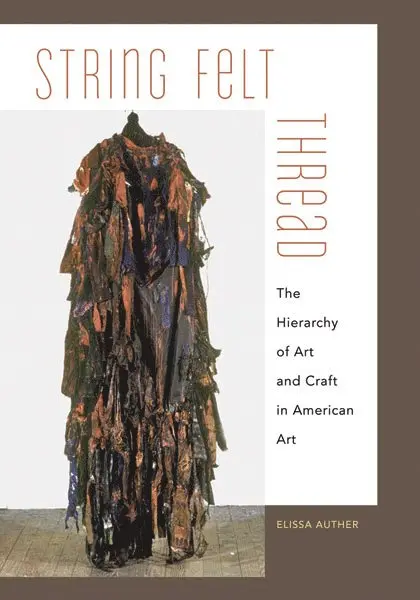
String, Felt, Thread
The Hierarchy of Art and Craft in American Art
Häftad, 2009
339 kr
Tillfälligt slut
String, Felt, Thread presents an unconventional history of the American art world, chronicling the advance of thread, rope, string, felt, and fabric from the "low" world of craft to the "high" world of art in the 1960s and 1970s and the emergence today of a craft counterculture. In this full-color …