Elizabeth A. Popham – författare
Visar alla böcker från författaren Elizabeth A. Popham. Handla med fri frakt och snabb leverans.
8 produkter
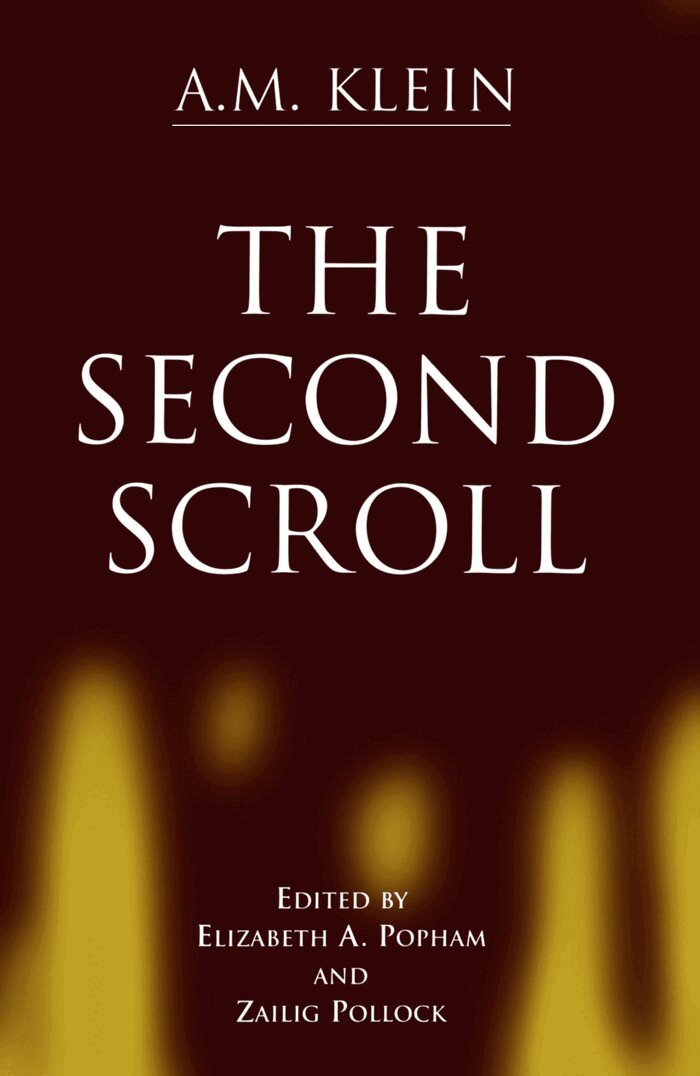
Second Scroll
Collected Works of a.M. Klein
Av A.M. Klein, Zailig Pollock m. fl.
Inbunden, 2000
863 kr
Lägg i varukorg
The Second Scroll, the only novel by poet A.M. Klein, is an ambitious and complex work that interlaces prose, poetry, drama, and commentary. The narrative follows a Canadian Jew to the newly established state of Israel on a double mission - to collect the emerging national literature and to search …
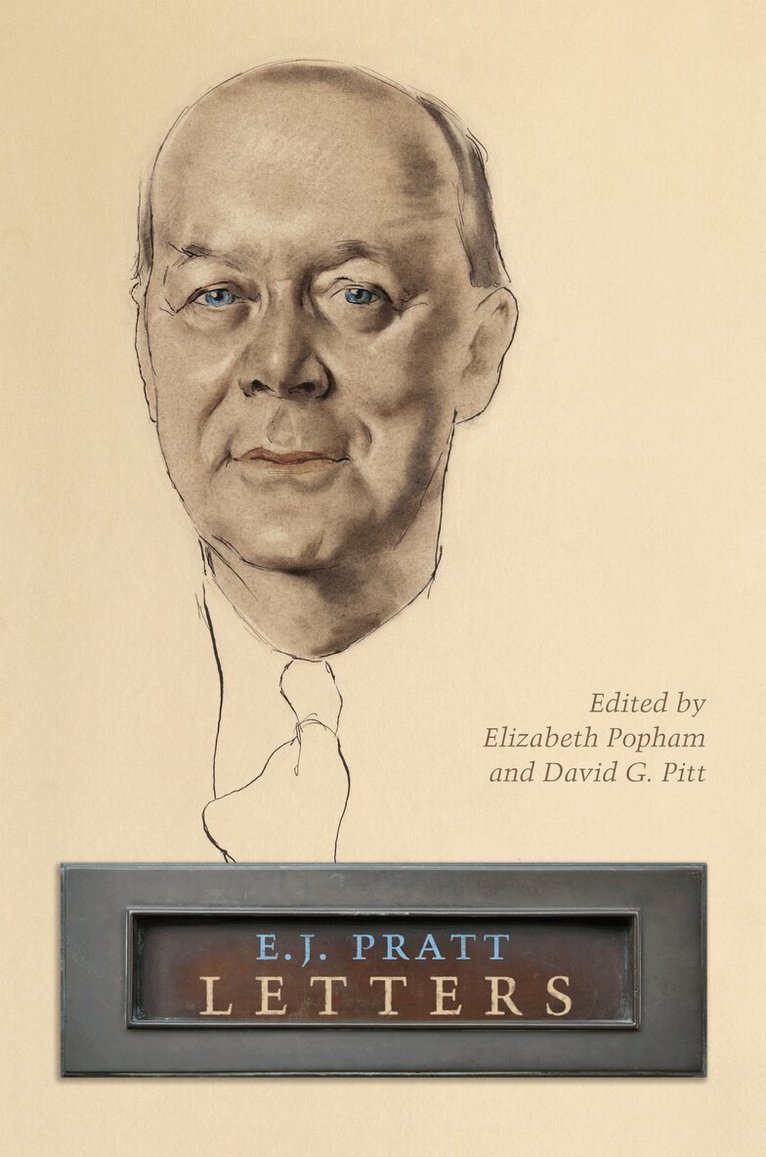
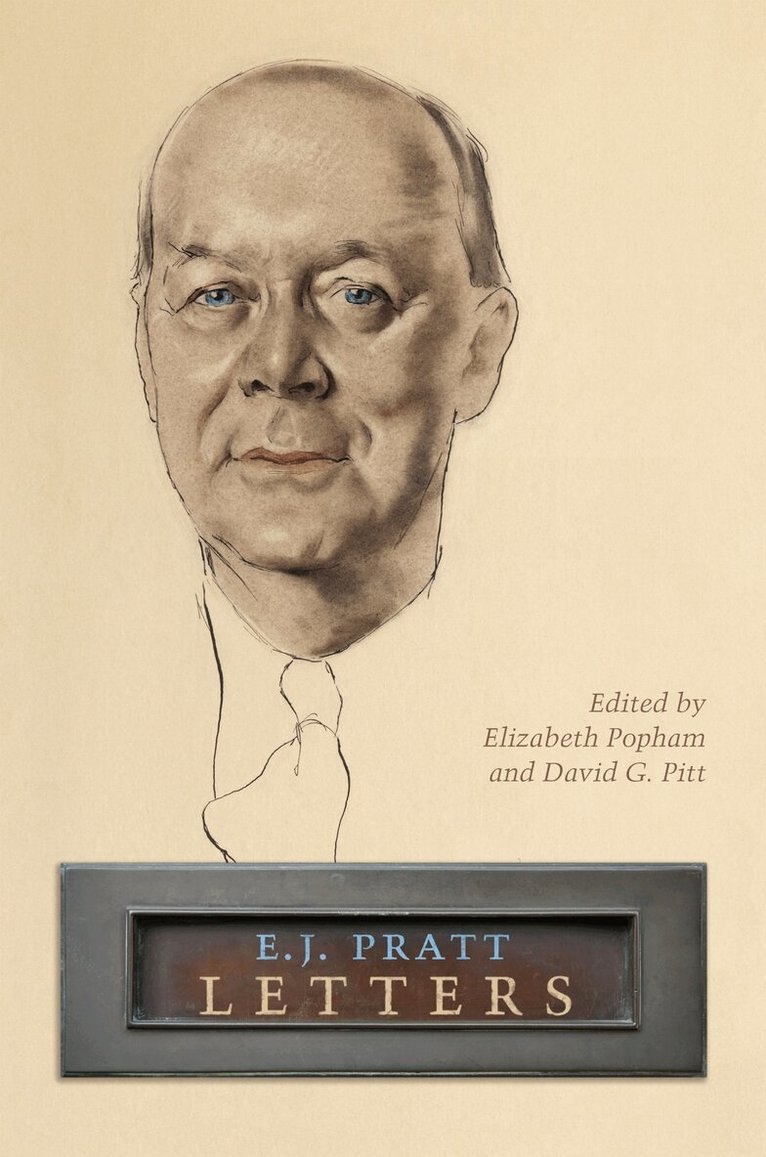
E.J. Pratt: Letters
Av E.J. Pratt Library, Elizabeth A. Popham m. fl.
E-bok, 2016
1817 kr
Lägg i varukorg
This edition of E.J. Pratt’s letters is the final volume in the Collected Works series. Because of Pratt’s role in the making of Canadian culture between and after the World Wars, his correspondence highlights key moments in our cultural history and provides a view of the enterprise from its very …
E.J. Pratt: Letters
Av E.J. Pratt Library, Elizabeth A. Popham m. fl.
E-bok, 2017
1955 kr
Lägg i varukorg
This edition of E.J. Pratt’s letters is the final volume in the Collected Works series. Because of Pratt’s role in the making of Canadian culture between and after the World Wars, his correspondence highlights key moments in our cultural history and provides a view of the enterprise from its very …
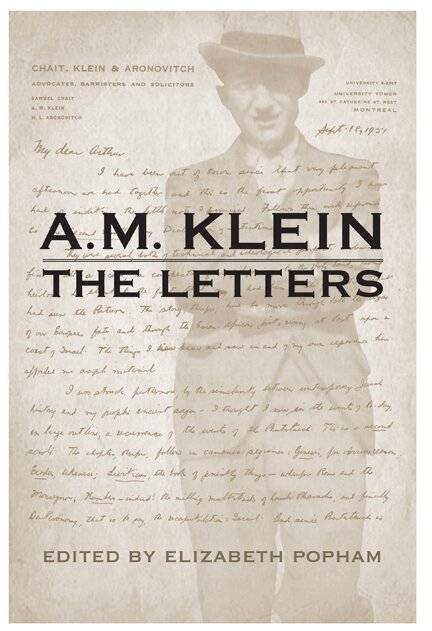
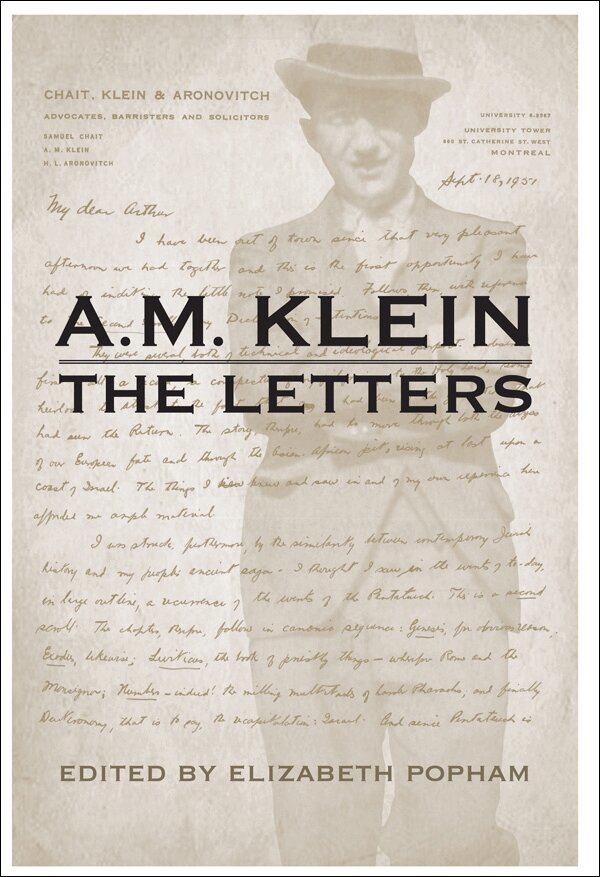
A.M. Klein: the Letters
Collected Works of a.M. Klein
Av A.M. Klein, Elizabeth A. Popham
Inbunden, 2011
1035 kr
Lägg i varukorg
In the final volume of the Collected Works of A.M. Klein, Elizabeth Popham completes the process of restoring the public voice of one of Canada's most respected authors. A.M. Klein: The Letters is the first compilation of a significant body of Klein's correspondence. Using his communications to …
E.J. Pratt: Letters
Av E.J. Pratt Library, Elizabeth A. Popham m. fl.
Inbunden, 2017
1572 kr
Lägg i varukorg
This edition of E.J. Pratt’s letters is the final volume in the Collected Works series. Because of Pratt’s role in the making of Canadian culture between and after the World Wars, his correspondence highlights key moments in our cultural history and provides a view of the enterprise from its very …
A.M. Klein the Letters
Collected Works of a.M. Klein
Av A.M. Klein, Elizabeth A. Popham
E-bok, 2011
1332 kr
Lägg i varukorg
In the final volume of the Collected Works of A.M. Klein, Elizabeth Popham completes the process of restoring the public voice of one of Canada's most respected authors. A.M. Klein: The Letters is the first compilation of a significant body of Klein's correspondence. Using his communications to …
Second Scroll
Collected Works of a.M. Klein
Av A.M. Klein, Zailig Pollock m. fl.
E-bok, 2000
1181 kr
Lägg i varukorg
The Second Scroll, the only novel by poet A.M. Klein, is an ambitious and complex work that interlaces prose, poetry, drama, and commentary. The narrative follows a Canadian Jew to the newly established state of Israel on a double mission - to collect the emerging national literature and to search …
A.M. Klein the Letters
Collected Works of a.M. Klein
Av A.M. Klein, Elizabeth A. Popham
E-bok, 2011
1240 kr
Lägg i varukorg
In the final volume of the Collected Works of A.M. Klein, Elizabeth Popham completes the process of restoring the public voice of one of Canada's most respected authors. A.M. Klein: The Letters is the first compilation of a significant body of Klein's correspondence. Using his communications to …