Elizabeth Effinger - Böcker
Visar alla böcker från författaren Elizabeth Effinger. Handla med fri frakt och snabb leverans.
6 produkter
6 produkter
910 kr
Skickas
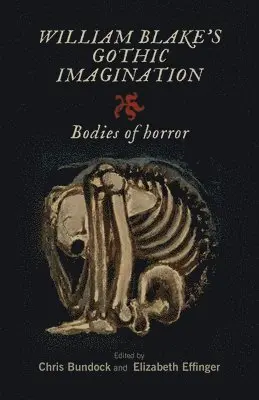
Scholars of the Gothic have long recognised Blake’s affinity with the genre. Yet, to date, no major scholarly study focused on Blake’s intersection with the Gothic exists. William Blake’s gothic imagination seeks to redress this disconnect. The papers here do not simply identify Blake’s Gothic conventions but, thanks to recent scholarship on affect, psychology, and embodiment in Gothic studies, reach deeper into the tissue of anxieties that take confused form through this notoriously nebulous historical, aesthetic, and narrative mode. The collection opens with papers touching on literary form, history, lineation, and narrative in Blake’s work, establishing contact with major topics in Gothic studies. Then refines its focus to Blake’s bloody, nervous bodies, through which he explores various kinds of Gothic horror related to reproduction, anatomy, sexuality, affect, and materiality. Rather than transcendent images, this collection attends to Blake’s ‘dark visions of torment’.
320 kr
Skickas
Scholars of the Gothic have long recognised Blake’s affinity with the genre. Yet, to date, no major scholarly study focused on Blake’s intersection with the Gothic exists. William Blake’s gothic imagination seeks to redress this disconnect. The papers here do not simply identify Blake’s Gothic conventions but, thanks to recent scholarship on affect, psychology, and embodiment in Gothic studies, reach deeper into the tissue of anxieties that take confused form through this notoriously nebulous historical, aesthetic, and narrative mode. The collection opens with papers touching on literary form, history, lineation, and narrative in Blake’s work, establishing contact with major topics in Gothic studies. Then refines its focus to Blake’s bloody, nervous bodies, through which he explores various kinds of Gothic horror related to reproduction, anatomy, sexuality, affect, and materiality. Rather than transcendent images, this collection attends to Blake’s ‘dark visions of torment’.
Erasing Frankenstein
Remaking the Monster, a Public Humanities Prison Arts Project
Häftad, Engelska, 2024
475 kr
Skickas inom 7-10 vardagar
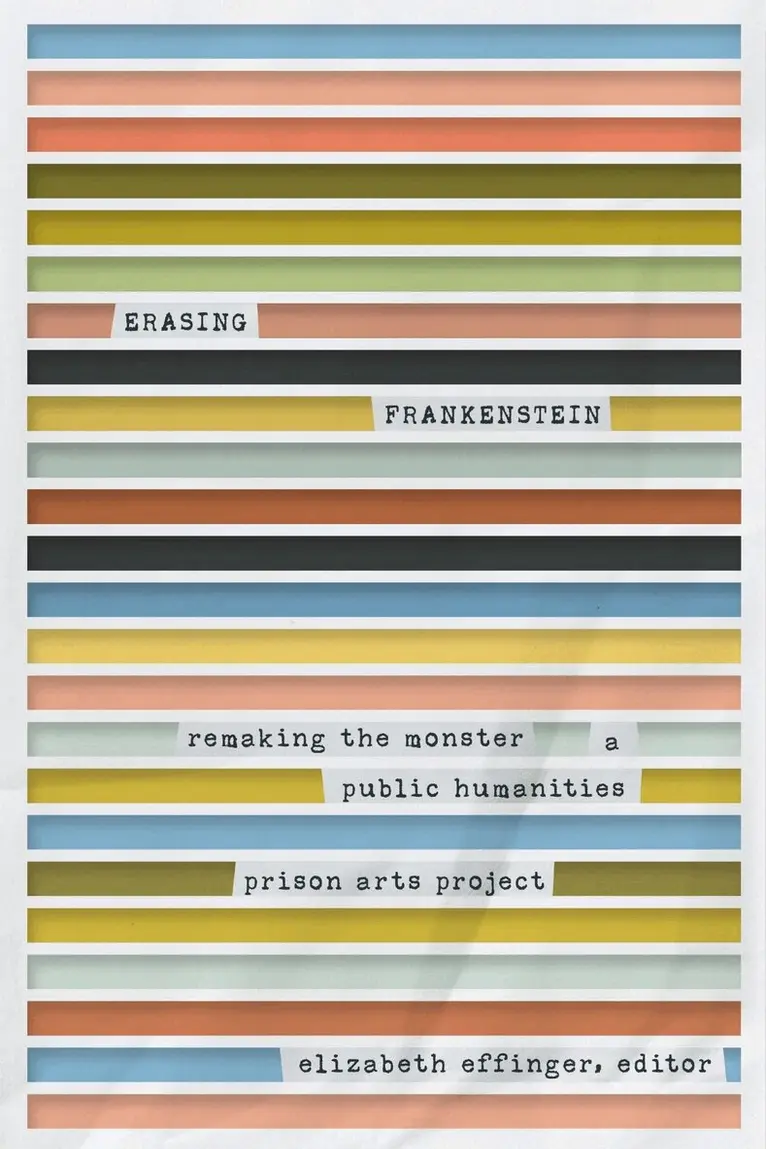
Erasing Frankenstein showcases a creative exchange between federally incarcerated women and members of the prison-education think tank Walls to Bridges Collective at the Grand Valley Institution for Women (GVI) in Kitchener, Ontario, and graduate and undergraduate students from the University of New Brunswick (UNB) in Fredericton, New Brunswick. Working collaboratively by long-distance mail, the artists and contributors made the first-ever poetic adaptation of Frankenstein, turning it into a book-length erasure poem. An erasure poem is an example of “found art,” a poem created by piggybacking on an existing text; the words that are not part of the poem are erased or blacked out, and what is left is the poem. This book presents the original erasure poem alongside reflections from participants on the experience.
512 kr
Tillfälligt slut
512 kr
Tillfälligt slut
Del 1 - Anthem Studies in Gothic Literature
Taxidermy and the Gothic
The Horror of Still Life
Inbunden, Engelska, 2024
1 442 kr
Skickas inom 5-8 vardagar
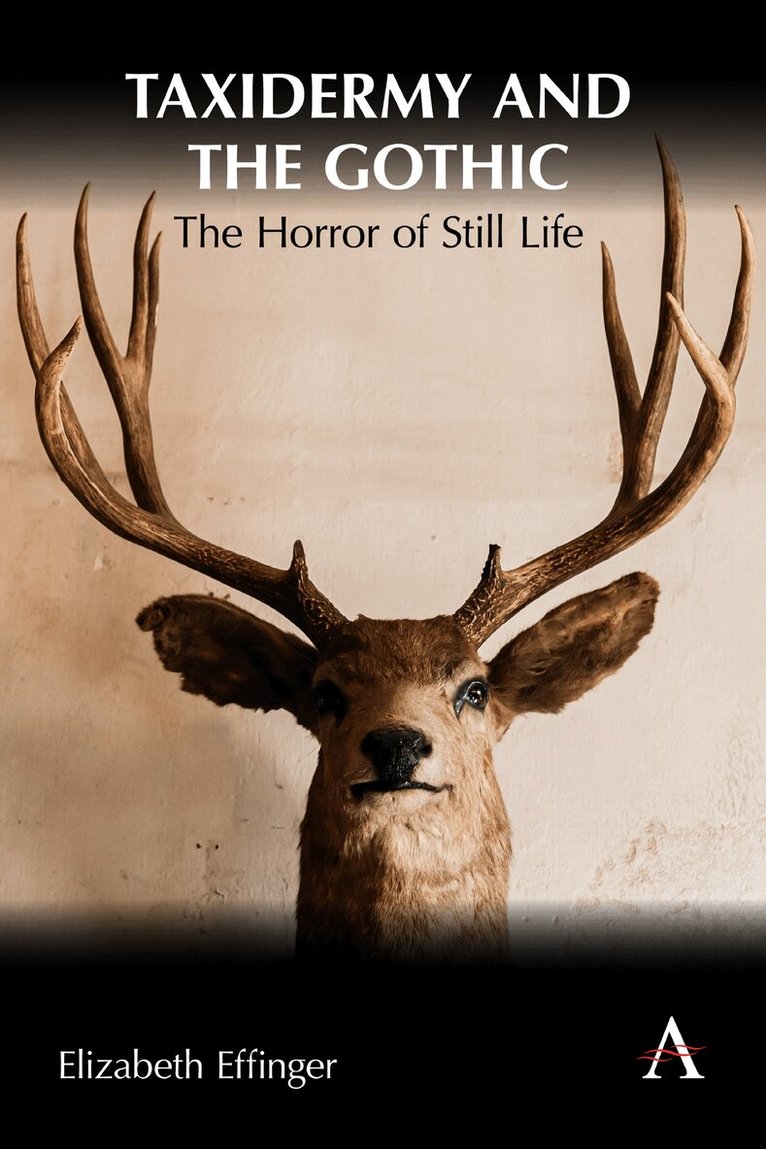
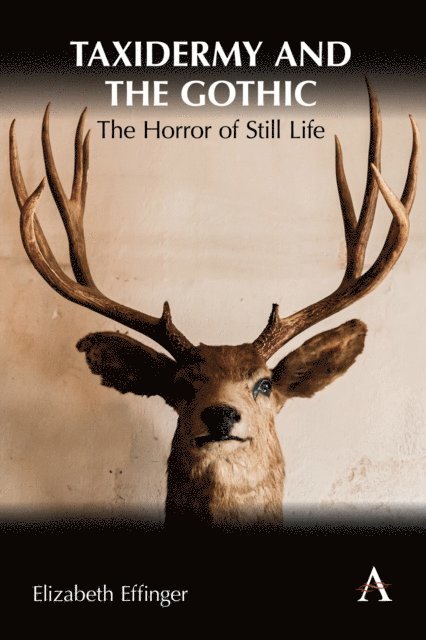
Taxidermy and the Gothic: The Horror of Still Life is the first extended study of the Gothic’s collusion with taxidermy. It tells the story of the emergence in the long nineteenth century of the twin golden ages of the Gothic genre and the practice of taxidermy, and their shared rhetorical and narratological strategies, anxieties, and sensibilities. It follows the thread into twentieth- and twenty-first-century culture, including recent horror film, fiction, television, and visual arts to argue that the Gothic and taxidermy are two discursive bodies, stuffed and stitched together. Moving beyond the well-worn path that treats taxidermy as a sentimental art or art of mourning, this book takes readers down a new dark trail, finding an overlooked but rich tradition in the Gothic that aligns it with the affective and corporeal work of horror and the unsettling aesthetics, experiences, and pleasures that come with it. Over the course of four chapters, it argues that in addition to entwined origins, taxidermy’s uncanny appearance in Gothic and horror texts is a driving force in generating fear. For taxidermy embodies the phenomenological horror of stuckness, of being there. In sum, taxidermy’s imbrication with the Gothic is more than skin deep: these are rich discourses stuffed by affinities for corporeal transgressions, the uncanny, and the counterfeit.