Elizabeth Fentress – författare
Visar alla böcker från författaren Elizabeth Fentress. Handla med fri frakt och snabb leverans.
5 produkter
Berbers
The Peoples of Africa
Av Michael Brett, Elizabeth Fentress
Häftad, 1997
653 kr
Lägg i varukorg
The Berbers provides a comprehensive overview of the history of the Berber-speaking peoples.
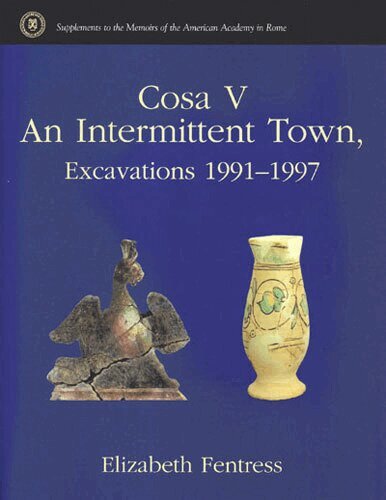
Cosa V
An Intermittent Town, Excavations 1991-1997
Inbunden, 2003
1509 kr
Lägg i varukorg
Since excavation began in 1948, the site of Cosa has become one of our most important sources on Roman colonization, urbanism, and daily life. These excavations illuminate every phase of the site's history, from the Republican and early imperial period, to a medieval castle destroyed in the 14th …
Slaving States
From West Africa to the Ancient Mediterranean
Av Adam Rabinowitz, Elizabeth Fentress
E-bok, 2026
514 kr
Lägg i varukorg
A pathbreaking new perspective on the ways ancient societies were shaped and transformed by slave tradingThe growing economies of ancient Greece and Rome created an ever-increasing demand for enslaved labor, which was supplied by states on the peripheries of their empires. In Slaving States, …
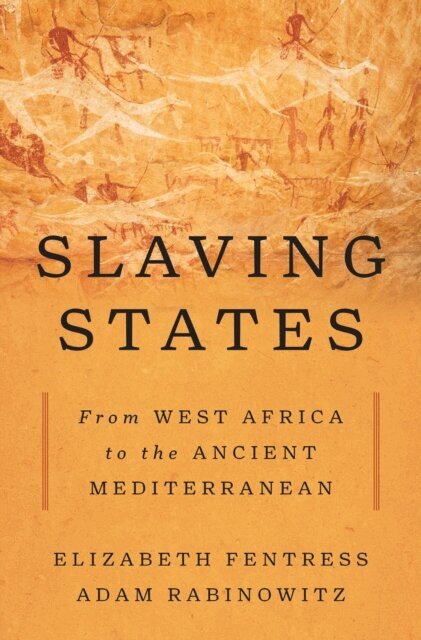
Slaving States
From West Africa to the Ancient Mediterranean
Av Elizabeth Fentress, Adam Rabinowitz
Inbunden, 2026
714 kr
Lägg i varukorg
A pathbreaking new perspective on the ways ancient societies were shaped and transformed by slave tradingThe growing economies of ancient Greece and Rome created an ever-increasing demand for enslaved labor, which was supplied by states on the peripheries of their empires. In Slaving States, …
Slaving States
From West Africa to the Ancient Mediterranean
Av Adam Rabinowitz, Elizabeth Fentress
E-bok, 2026
514 kr
Lägg i varukorg
A pathbreaking new perspective on the ways ancient societies were shaped and transformed by slave tradingThe growing economies of ancient Greece and Rome created an ever-increasing demand for enslaved labor, which was supplied by states on the peripheries of their empires. In Slaving States, …