Elizabeth Fowler - Böcker
Visar alla böcker från författaren Elizabeth Fowler. Handla med fri frakt och snabb leverans.
4 produkter
4 produkter
1 255 kr
Skickas inom 5-8 vardagar
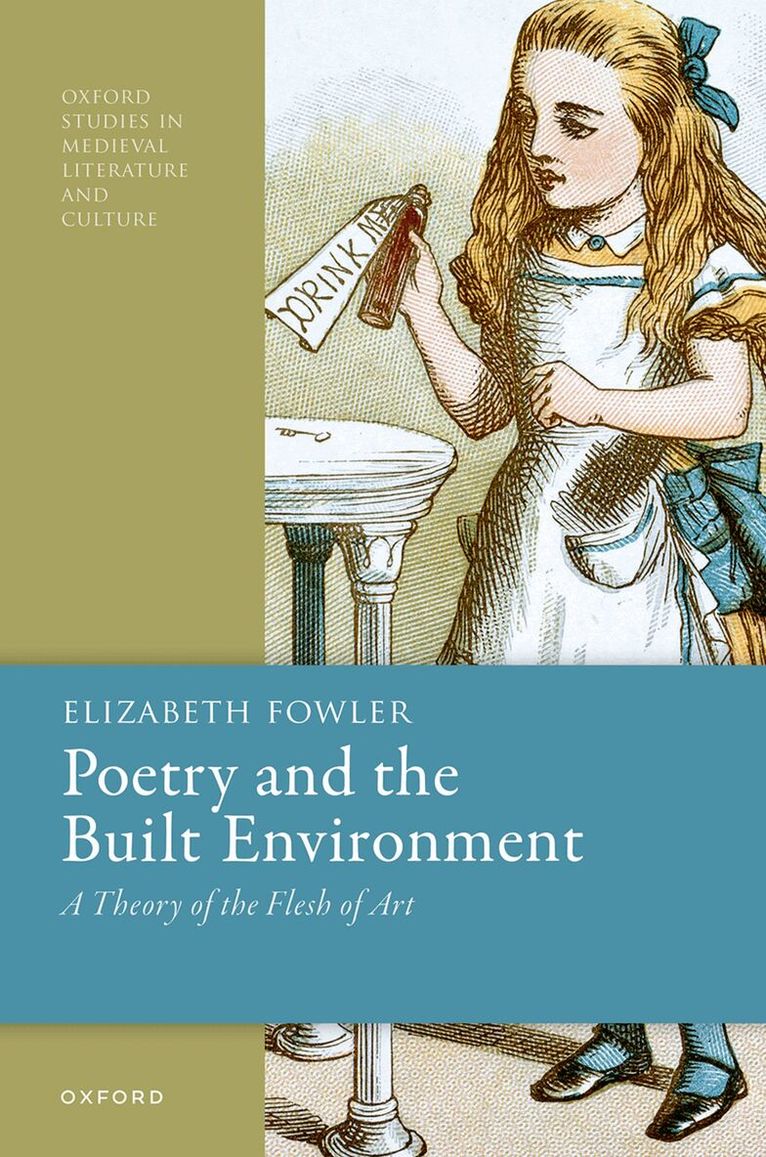
Like gardens, sculptures, paintings, and architecture, Fowler argues, poems are cultural artifacts designed to appeal to our divergent human bodies. As we move through the built environment, we draw on our achieved expertise in negotiating its complex instructions to us. So it is when we read. All art mobilizes our bodily expertise, deploying sophisticated conventions and entangling the virtual with the real. As we engage with them, poems, like other artifacts, support skilled collaborations of the sensate (our perceiving flesh) and the sensible (the perceptible properties of the artifact), further developing our kinesthetic and cultural expertise.In ten essays, this book explores a range of works by poets from Geoffrey Chaucer and John Milton to Seamus Heaney and Tracy K. Smith, and by artists from Jean de Touyl and Nicholas Stone to Antonin Mercié and Kara Walker. Fowler calls the sphere of interaction between us and such artifacts "the flesh of art," signaling the phenomenological nature of her approach. She theorizes how interactions with art enflesh and acculturate us, making art a primary means through which we orient ourselves in spatiality and work out our places in the social world. Writing poetics at the juncture between aesthetics and politics, Fowler concludes with 43 theses in manifesto. Poetry and the Built Environment insistently demonstrates art's ability to shape us. In poetry, Fowler argues, we see how, especially when the transparency and sensibleness of the world are under stress, art equips us with strategies for transformation.
Del 16 - Cambridge Studies in Renaissance Literature and Culture
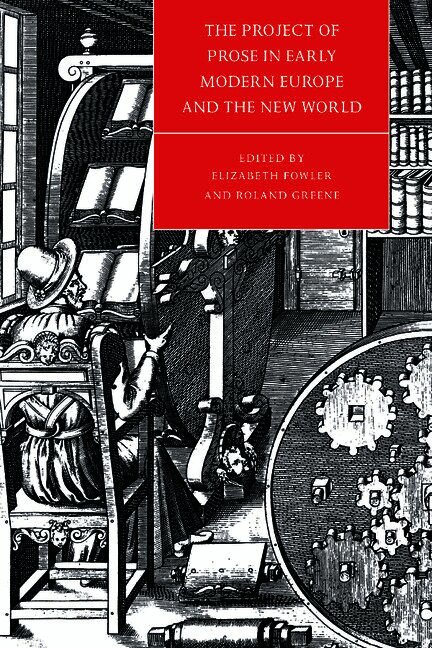
The Project of Prose in Early Modern Europe and the New World
Häftad, Engelska, 2007
493 kr
Skickas inom 7-10 vardagar
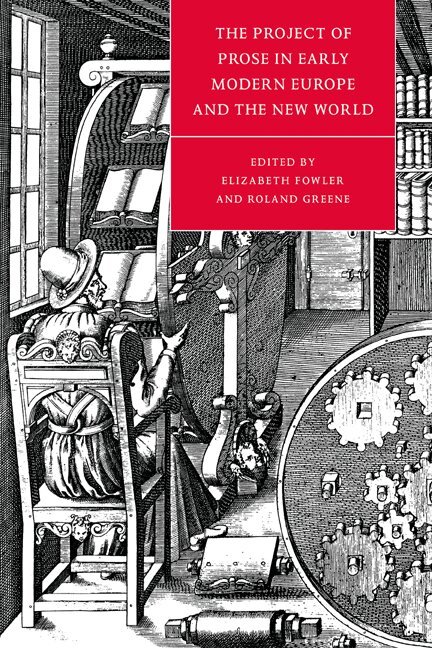
What were the possibilities of prose as a literary medium in the sixteenth and seventeenth centuries? And how did it operate in the literary and social world? The Project of Prose in Early Modern Europe and the New World brings together ten essays by leading scholars of the literatures of England, Spain, France, Italy, Portugal, and the colonial Americas, to answer these questions in wide-ranging ways. Several of the essays shed light on landmark prose works of the period; some discuss what lesser-known writings reveal about the medium; others move between the literary and the non-literary to reflect on the medium's intersections with history, fiction, subjectivity, the state, science and other aspects of social and cultural life. Overall, this 1997 collection will provoke an international reconsideration of the remarkable visibility and diversity of the medium of prose in the early modern period.
Del 16 - Cambridge Studies in Renaissance Literature and Culture
The Project of Prose in Early Modern Europe and the New World
Inbunden, Engelska, 1997
1 431 kr
Skickas inom 7-10 vardagar
What were the possibilities of prose as a literary medium in the sixteenth and seventeenth centuries? And how did it operate in the literary and social world? The Project of Prose in Early Modern Europe and the New World brings together ten essays by leading scholars of the literatures of England, Spain, France, Italy, Portugal, and the colonial Americas, to answer these questions in wide-ranging ways. Several of the essays shed light on landmark prose works of the period; some discuss what lesser-known writings reveal about the medium; others move between the literary and the non-literary to reflect on the medium's intersections with history, fiction, subjectivity, the state, science and other aspects of social and cultural life. Overall, this 1997 collection will provoke an international reconsideration of the remarkable visibility and diversity of the medium of prose in the early modern period.
959 kr
Skickas inom 10-15 vardagar
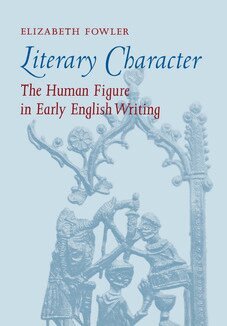
Chaucer introduces the characters of the Knight and the Prioress in the General Prologue to The Canterbury Tales. Beginning with these familiar figures, Elizabeth Fowler develops a new method of analyzing literary character. She argues that words generate human figures in our reading minds by reference to paradigmatic cultural models of the person. These models—such as the pilgrim, the conqueror, the maid, the narrator—originate in a variety of cultural spheres. A concept Fowler terms the "social person" is the key to understanding both the literary details of specific characterizations and their indebtedness to history and culture.Drawing on central texts of medieval and early modern England, Fowler demonstrates that literary characters are created by assembling social persons from throughout culture. Her perspective allows her to offer strikingly original readings of works by Chaucer, Langland, Skelton, and Spenser, and to reformulate and resolve several classic interpretive problems. In so doing, she reframes accepted notions of the process and the consequences of reading.Developing insights from law, theology, economic thought, and political philosophy, Fowler's book replaces the traditional view of characters as autonomous individuals with an interpretive approach in which each character is seen as a battle of many archetypes. According to Fowler, the social person provides the template that enables authors to portray, and readers to recognize, the highly complex human figures that literature requires.