Elizabeth G. Rivero - Böcker
Visar alla böcker från författaren Elizabeth G. Rivero. Handla med fri frakt och snabb leverans.
2 produkter
2 produkter
1 391 kr
Skickas inom 10-15 vardagar
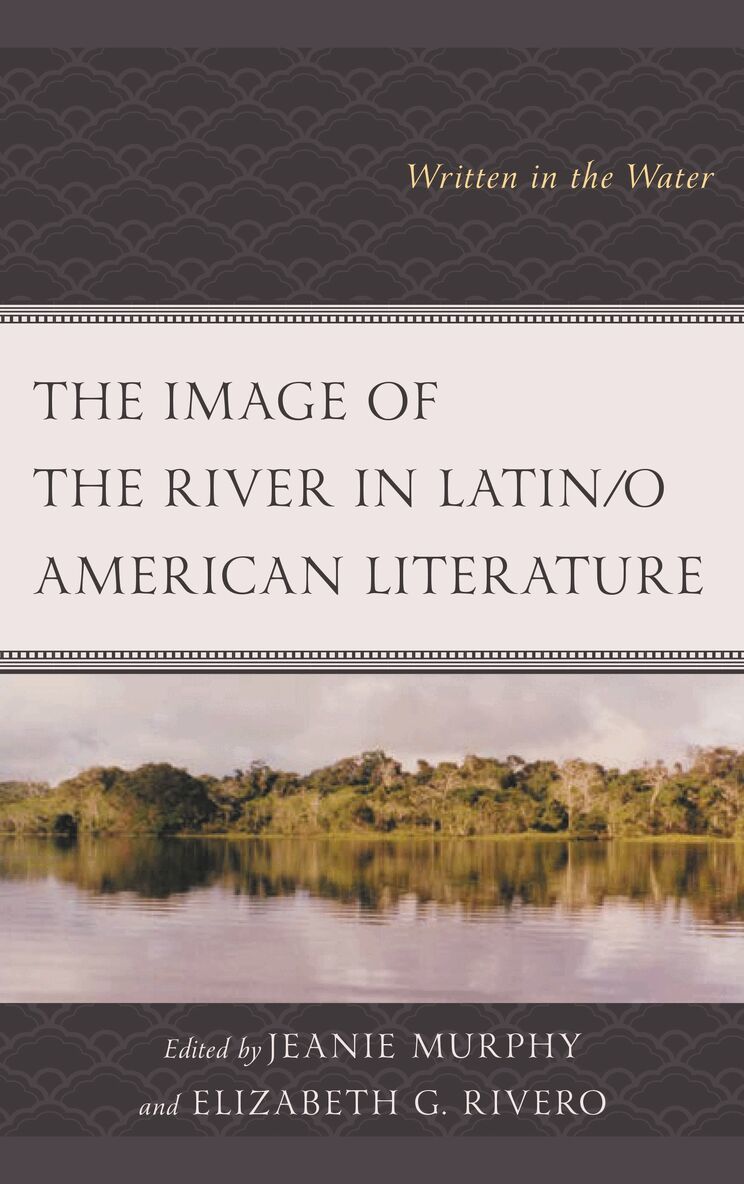
Although fictional—and often fantastic—representations of nature have been a distinguishing feature of Latin American literature for centuries, ecocriticism, understood as the study of literature as it relates to depictions of the natural world, environmental issues, and the ways in which human beings interact and identify with their natural surroundings, did not emerge as a field of scholarly interest in the region until the end of the twentieth century. This volume employs an ecocritical lens in order to explore and question the use of the river imagery in Latino and Latin American literature from the colonial period to our modern world, creating a space in which to examine both its literal and figurative meanings, associated as much with processes of a personal nature as with those of the collective experience in the region. The slow, meandering streams of nostalgia, the raging currents of conflict or the stagnant waters of social decay are just a few of the ways in which the river has become an important symbol and inspiration to many of the region’s writers. This book offers a diverse collection of writings that, through a trans-historical and trans-geographical perspective, allows us, from the vantage point of the twenty-first century, to reflect on the rich and dynamic image of the river and, by extension, on the vital context of Latin/o America, its people and societies.
Uruguayan Post-dictatorial Documentary
Traumatic Memory, Affects, and Emotions
Inbunden, Engelska, 2026
1 844 kr
Kommande
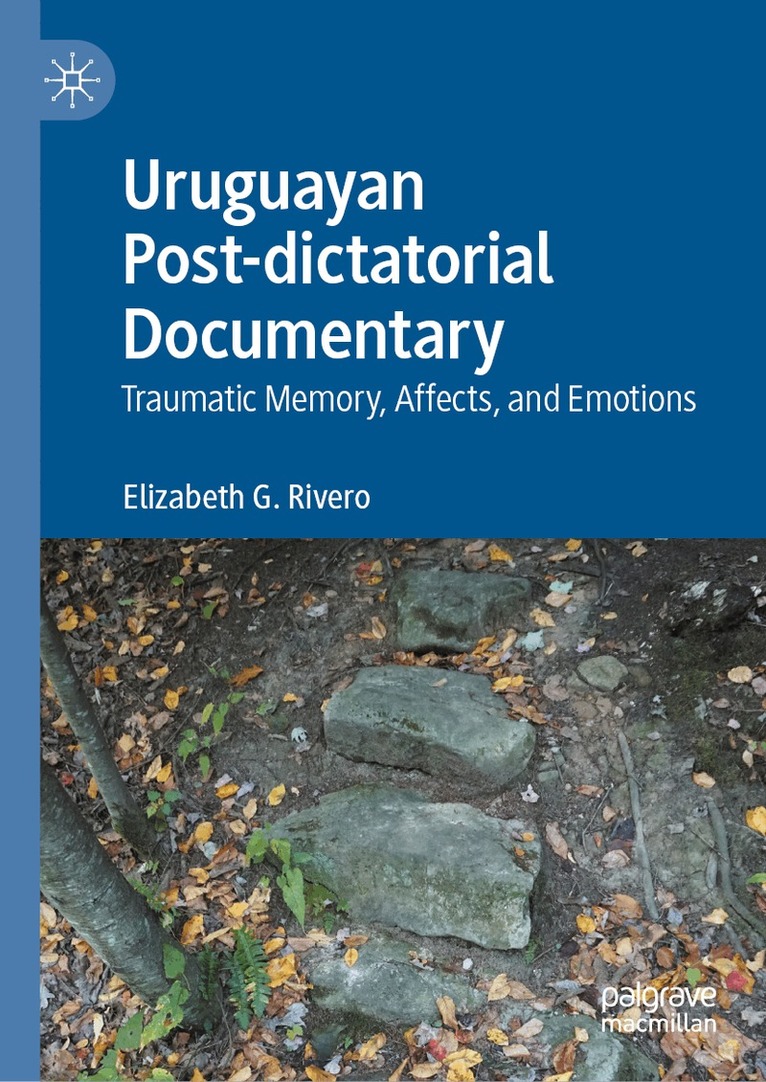
Uruguayan Post-dictatorial Documentary: Memory, Affects, and Emotions analyzes how twelve Uruguayan documentaries from the re-democratization period harness the affective potential of film to inscribe the traumatic dictatorial past (1973–1985), construct memory discourses through which to interpret it, and engage spectators. This book fills a significant gap in the study of Southern Cone documentary film and, more specifically, in contemporary Uruguayan documentary. Whereas critics have predominantly focused on Argentine and Chilean post-dictatorial productions, analyses of comparable works from Uruguay remain scarce. Furthermore, it offers an original approach by foregrounding affects as a crucial element in the production of knowledge about the dictatorial past and its impact on the present. Produced between 2004 and 2015, the films examined in this study convene both dominant and marginalized narratives of the recent past. Crafted by seasoned filmmakers such as Mario Handler, José Pedro Charlo, and Virginia Martínez, as well as emerging directors including Maiana Bidegain, Juan Álvarez Neme, and Pablo Martínez Pessi, these works present diverse aesthetic and ideological perspectives.