Elizabeth Norton – författare
Visar alla böcker från författaren Elizabeth Norton. Handla med fri frakt och snabb leverans.
24 produkter
24 produkter
233 kr
Tillfälligt slut
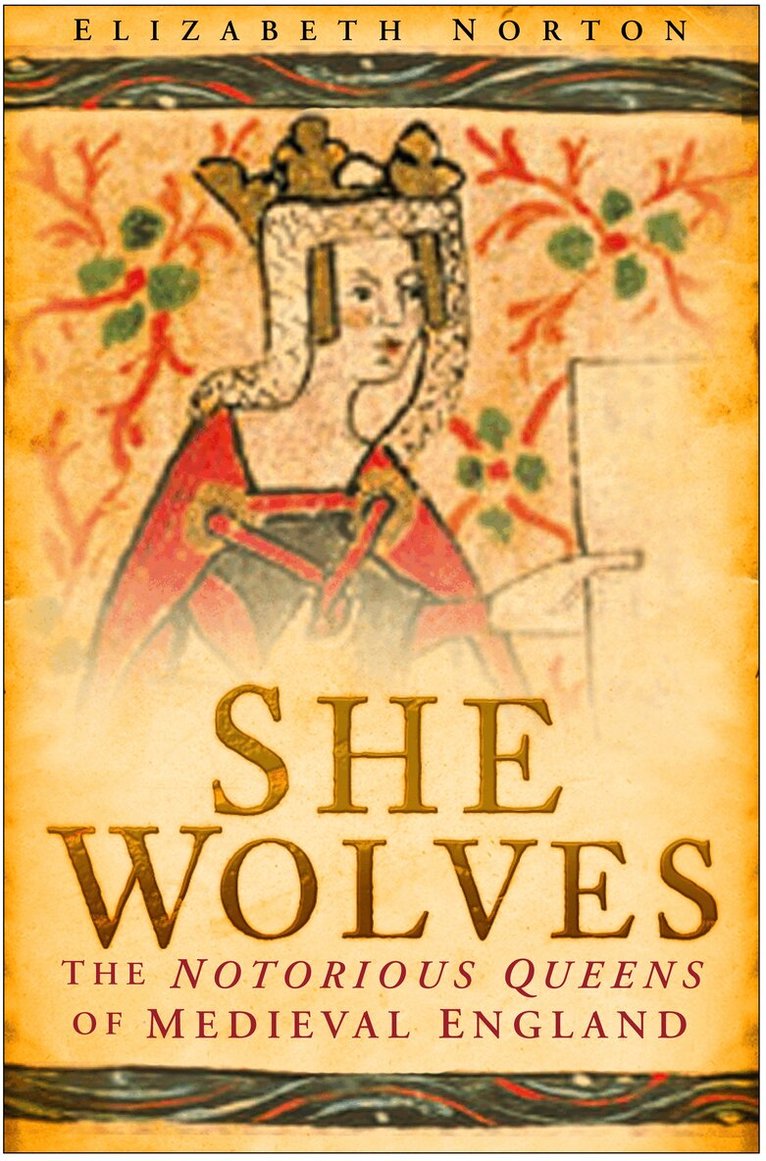
Some of the queens featured in She Wolves are well known and have been the subject of biography – Eleanor of Aquitaine, Emma of Normandy, Isabella of France and Anne Boleyn, for example – others have not been written about outside academic journals. The appeal of these notorious queens, apart from their shared taste for witchcraft, murder, adultery and incest, is that because they were notorious they attracted a great deal of attention during their lifetimes. She Wolves reveals much about the role of the medieval queen and the evolution of the role that led, ultimately, to the reign of Elizabeth I and a new concept of queenship.
2 325 kr
Kommande
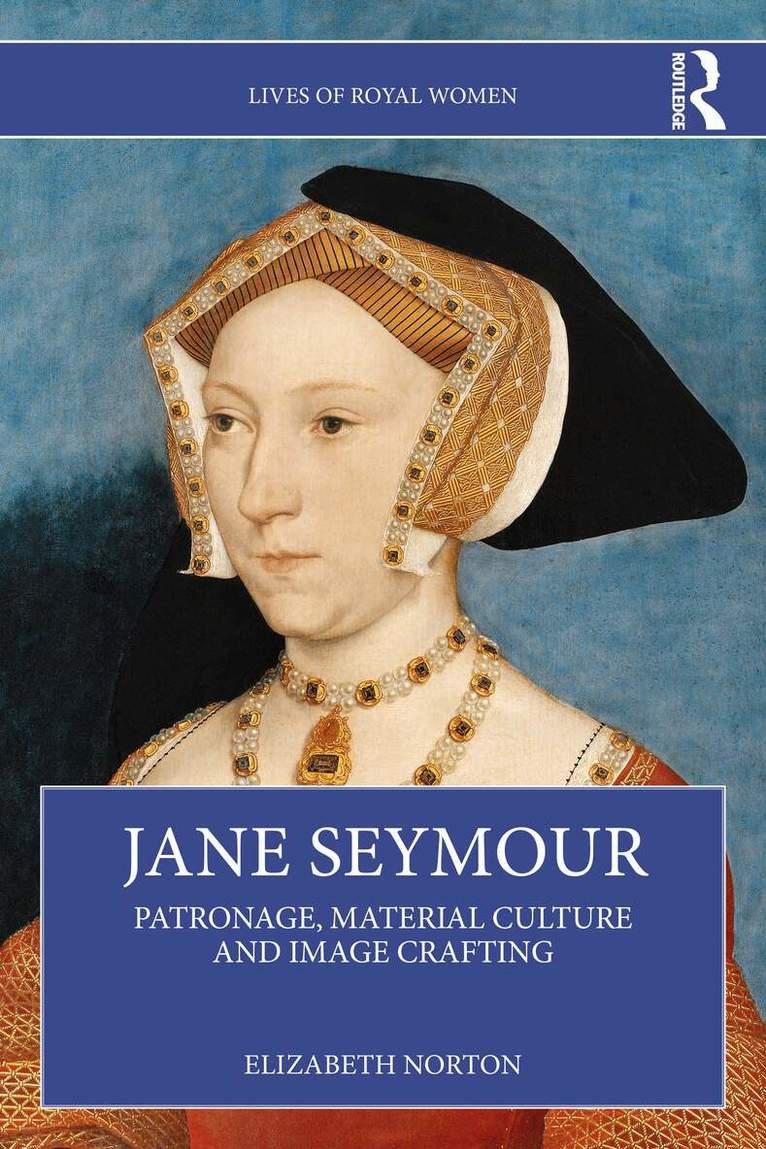
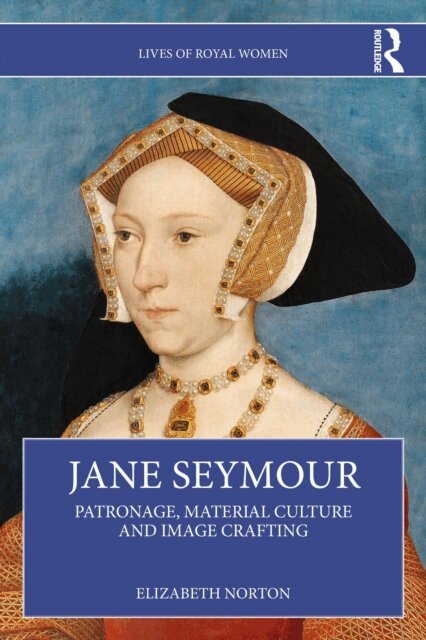
Jane Seymour, the third wife of Henry VIII, was queen of England for only seventeen months, something which has accounted for the little interest shown in her by historians. In her lifetime, however, she was a significant political figure, while her legacy and memorialization extended beyond her early death following childbirth in October 1537.Jane Seymour: Patronage, Material Culture and Image Crafting is the first full length academic study of Jane’s life and queenship. Using extensive archival research, it pulls together all of the surviving information to provide both a biographical and a thematic account. Chapters include a consideration of Jane’s queenship and political role, her material cultural environment, her household, her financial position and her religion, before also considering her afterlife and attempts to commemorate her both officially and unofficially. In doing so, the book banishes many myths that have grown up around the queen, most notably ideas of her passivity and powerlessness and also often repeated (but unsubstantiated) claims of her conservative religious outlook. This book presents a picture of Jane as an active and highly political queen consort.The book is a valuable resource for students and established scholars since it adds considerably to knowledge of the queen and re-inserts her into the heart of the dynasty, while also drawing pertinent conclusions on sixteenth-century queenship.
635 kr
Kommande
Jane Seymour, the third wife of Henry VIII, was queen of England for only seventeen months, something which has accounted for the little interest shown in her by historians. In her lifetime, however, she was a significant political figure, while her legacy and memorialization extended beyond her early death following childbirth in October 1537.Jane Seymour: Patronage, Material Culture and Image Crafting is the first full length academic study of Jane’s life and queenship. Using extensive archival research, it pulls together all of the surviving information to provide both a biographical and a thematic account. Chapters include a consideration of Jane’s queenship and political role, her material cultural environment, her household, her financial position and her religion, before also considering her afterlife and attempts to commemorate her both officially and unofficially. In doing so, the book banishes many myths that have grown up around the queen, most notably ideas of her passivity and powerlessness and also often repeated (but unsubstantiated) claims of her conservative religious outlook. This book presents a picture of Jane as an active and highly political queen consort.The book is a valuable resource for students and established scholars since it adds considerably to knowledge of the queen and re-inserts her into the heart of the dynasty, while also drawing pertinent conclusions on sixteenth-century queenship.
274 kr
Skickas inom 11-20 vardagar
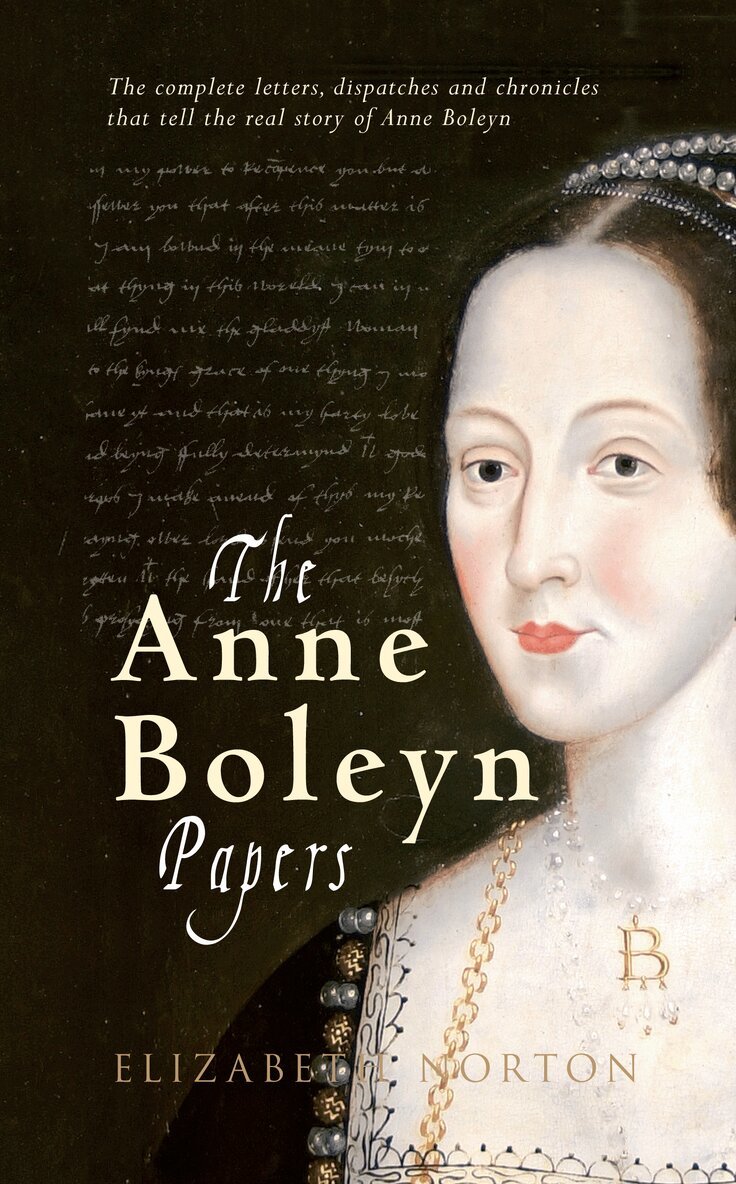
The complete letters, dispatches and chronicles that tell the real story of Anne Boleyn. Anne Boleyn, the second wife of Henry VIII, caused comment wherever she went. Through the chronicles, letters and dispatches written by both Anne and her contemporaries, it is possible to see her life and thoughts as she struggled to become queen of England, ultimately ending her life on the scaffold. Only through the original sources is it truly possible to evaluate the real Anne. George Wyatt's Life of Queen Anne provided the first detailed account of the queen, based on the testimony of those that knew her. The poems of Anne's supposed lover, Thomas Wyatt, as well as accounts such as Cavendish's Life of Wolsey also give details of her life, as do the hostile dispatches of the Imperial Ambassador, Eustace Chapuys and the later works of the slanderous Nicholas Slander and Nicholas Harpsfield. Henry VIII's love letters and many of Anne's own letters survive, providing an insight into the love affair that changed England forever. The reports on Anne's conduct in the Tower of London show the queen's shock and despair when she realised that she was to die. Collected together for the first time, these and other sources make it possible to view the real Anne Boleyn through her own words and those of her contemporaries.
125 kr
Skickas
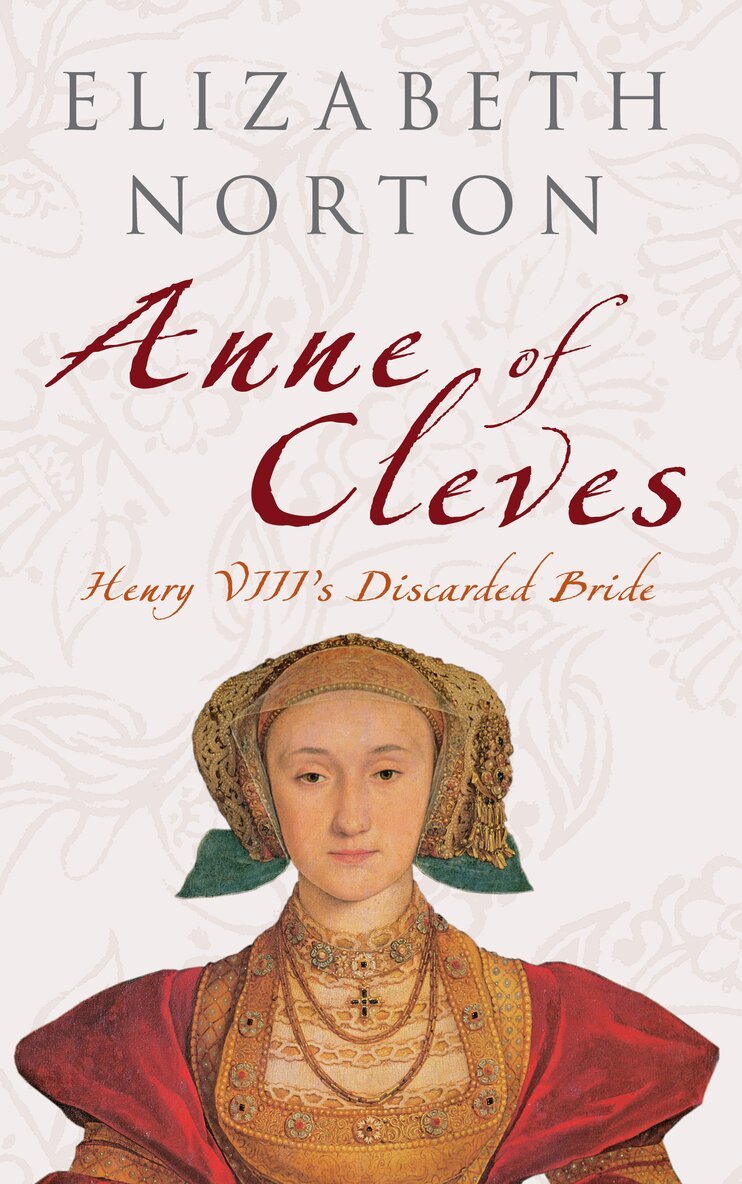
The first major biography of Henry VIII least favourite wife - but the one who outlived them all. 'I like her not!' was the verdict of Henry VIII on meeting his fourth wife, Anne of Cleves, for the first time. Anne could have said something similar on meeting Henry and, having been promised the most handsome prince in Europe, she was destined to be disappointed in the elderly and corpulent king. Henry also felt that Anne was not as she had been described, complaining that he had been sent a Flander's mare. Forced to proceed with their wedding for diplomatic reasons, Henry and Anne tried to make the best of the situation, but attempts to consummate the match were farcical. Henry could not bring himself to touch his new bride and Anne, entirely ignorant of such matters, did not even notice that there was a problem. After only seven months of marriage Henry was so desperate to rid himself of Anne that he declared himself impotent in order to secure a divorce. Anne was also eager to end her marriage and, with her clever handling of Henry obtained one of the biggest divorce settlements in English history. Following her divorce, Anne made good use of her many properties, including Richmond Palace, Hever Castle and the house at Lewes now known as 'Anne of Cleves' House'. Anne of Cleves is often portrayed as a stupid and comical figure. The real Anne was both intelligent and practical, ensuring that, whilst she was queen for the shortest period, she was the last of all Henry VIII's wives to survive. Henry's chief minister, Thomas Cromwell lost his head for his role in the Cleves marriage, but Anne's shrewdness ensured she kept hers. Even after Henry's death, Anne managed to work to her own advancement, attempting to annul her divorce in order to ensure her financial security as a dowager queen. Anne of Cleves led a dramatic and often dangerous life but, for all this, of Henry VIII's six wives, she is truly the wife that survived.
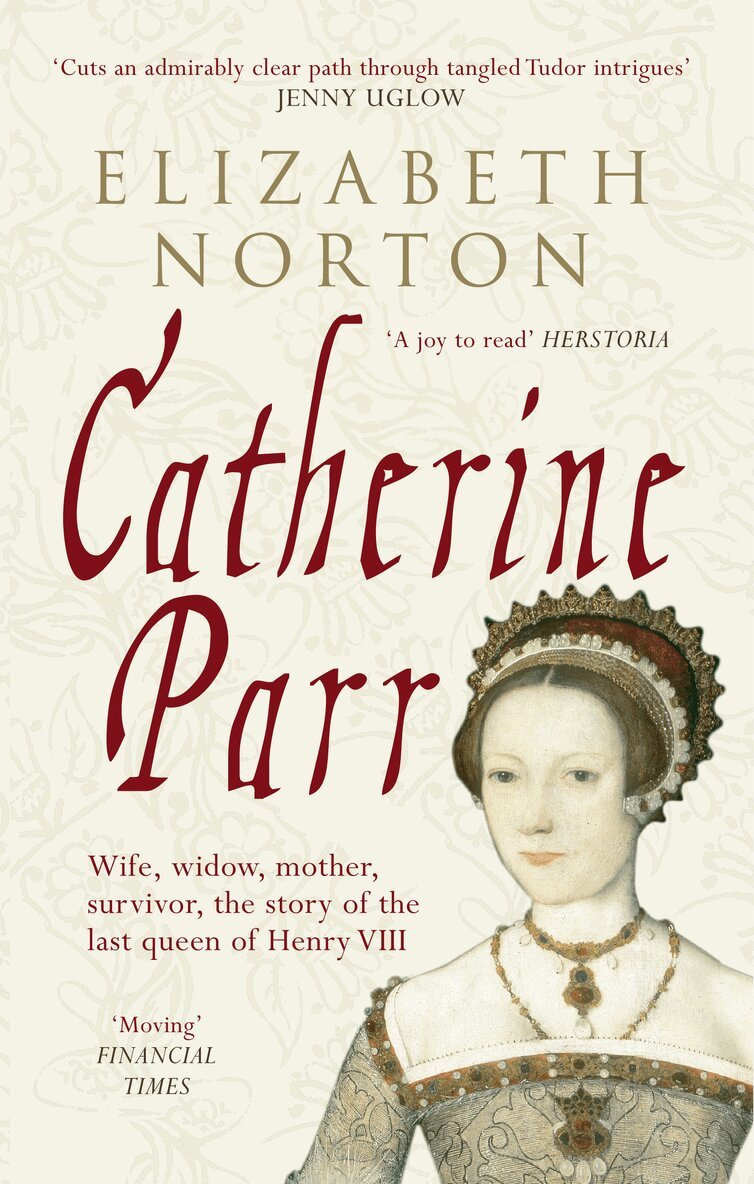
Catherine Parr
Wife, widow, mother, survivor, the story of the last queen of Henry VIII
Häftad, Engelska, 2011
146 kr
Skickas
Wife, widow, mother, survivor, the story of the last queen of Henry VIII. Catherine Parr was enjoying her freedom after her first two arranged marriages when she caught the attention of the elderly Henry VIII. The most reluctant of all Henry's wives, she offered to become his mistress rather than submit herself to the dangers of becoming Henry's queen. This only increased Henry's enthusiasm for the vibrant, intelligent young widow and Catherine was forced to abandon her handsome lover, Thomas Seymour, for the decrepit king. She quickly made her role as queen a success, providing Henry VIII with a domestic tranquillity that he had not known since the early days of his first marriage. For Henry, Catherine was a satisfactory choice but he never stopped considering a new marriage, much to Catherine's terror. Catherine is remembered as the wife who survived but, without her strength of character it could have been very different. It was a relief for Catherine when Henry finally died and she could secretly marry Thomas Seymour. Left with no role in government affairs in her widowhood, she retired to the country, spending time at her manors at Chelsea and Sudeley. It was here that her heart was broken by her discovery of a love affair between her stepdaughter, the future Elizabeth I, and her husband. She died in childbirth accusing her husband of plotting her death. Traditionally portrayed as a matronly and dutiful figure, Elizabeth Norton's new biography shows another side to Catherine. Her life was indeed one of duty but, throughout, she attempted to escape her destiny and find happiness for herself. Ultimately, Catherine was betrayed and her great love affair with Thomas Seymour turned sour.
136 kr
Skickas
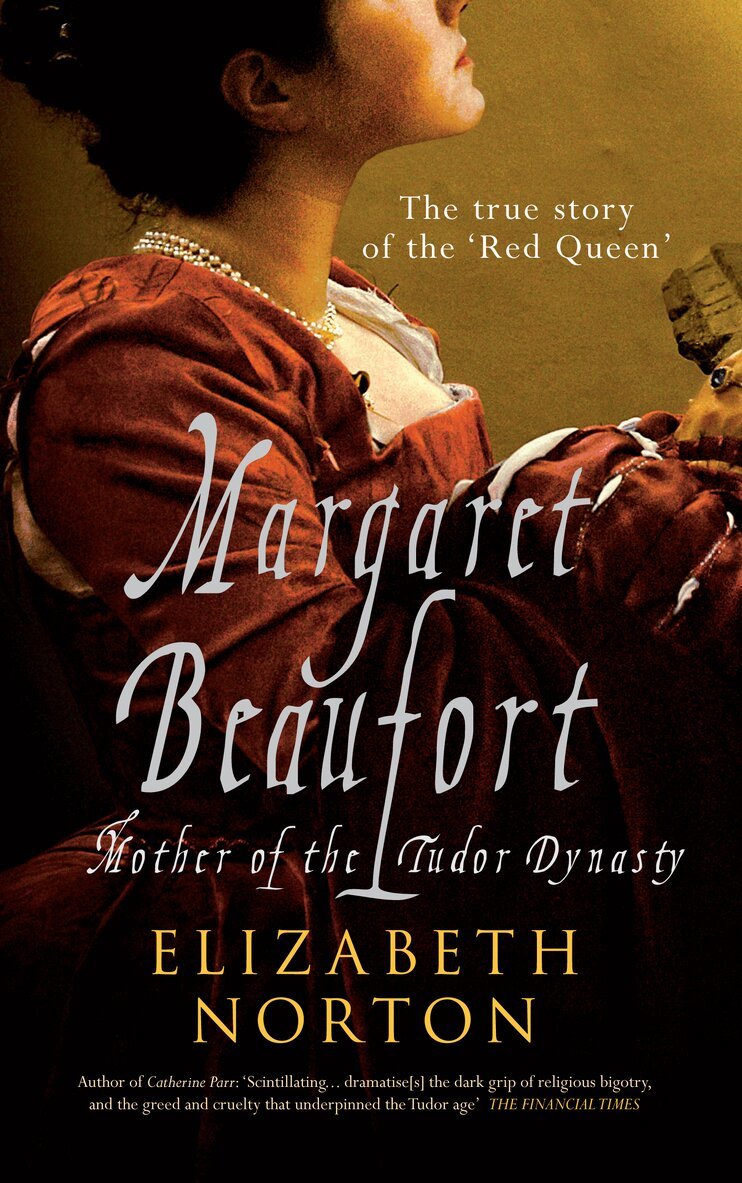
The extraordinary true story of the 'Red Queen'. Born in the midst of the Wars of the Roses, Margaret Beaufort became the greatest heiress of her time. She survived a turbulent life, marrying four times and enduring imprisonment before passing her claim to the crown of England to her son, Henry VII, the first of the Tudor monarchs. Margaret's royal blood placed her on the fringes of the Lancastrian royal dynasty. After divorcing her first husband at the age of ten, she married the king's half-brother, Edmund Tudor, becoming a widow and bearing her only child, the future Henry VII, before her fourteenth birthday. Margaret was always passionately devoted to the interests of her son who claimed the throne through her. She embroiled herself in both treason and conspiracy as she sought to promote his claims, allying herself with the Yorkist Queen, Elizabeth Woodville, in an attempt to depose Richard III. She was imprisoned by Richard and her lands confiscated, but she continued to work on her son's behalf, ultimately persuading her fourth husband, the powerful Lord Stanley, to abandon the king in favour of Henry on the eve of the decisive Battle of Bosworth. It was Lord Stanley himself who placed the crown on Henry's head on the battlefield. Henry VII gave his mother unparalleled prominence during his reign. She established herself as an independent woman and ended her life as regent of England, ruling on behalf of her seventeen-year-old grandson, Henry VIII.
183 kr
Skickas inom 11-20 vardagar
Nearly eighty women have sat on the throne of England, either as queen regnant or queen consort and the voices of all of them survive through their own writings and those of their contemporaries. The primary role of the queen over the ages was to provide an heir. Catherine of Aragon found this to her cost, divorced by Henry VIII for failing to produce a healthy son. The birth of an heir was also a route to power for a queen and Eleanor of Aquitaine became the most powerful woman in Europe during the reigns of her sons. Strong relationships could also develop between the queens and their husbands. Edward VIII even abandoned his throne when forced to choose between the crown and his lover, Wallis Simpson. Not all marriages were happy and queens such as Isabella of France and Catherine Howard took lovers to escape their marriages. The unhappy Sophia Dorothea of Celle was imprisoned for over thirty years by her husband George I when her affair was discovered. Her lover, Count von Konigsmarck was murdered. Most queens made arranged marriages and were used by their families to build alliances. Some queens were able to break away from this control. Queen Victoria spent her childhood secluded with her overprotective mother, even sharing the same bedroom until the day when she was proclaimed queen and finally freed herself from her mother's control. For the first time, the voice of each individual queen can be heard together, charting the course of English queenship through nearly two thousand years of history
168 kr
Skickas
Anne Boleyn, the second wife of Henry VIII, caused comment wherever she went. Through the chronicles, letters and dispatches written by both Anne and her contemporaries, it is possible to see her life and thoughts as she struggled to become queen of England, ultimately ending her life on the scaffold. Only through the original sources is it truly possible to evaluate the real Anne. George Wyatt's Life of Queen Anne provided the first detailed account of the queen, based on the testimony of those that knew her. The poems of Anne's supposed lover, Thomas Wyatt, as well as accounts such as Cavendish's Life of Wolsey also give details of her life, as do the hostile dispatches of the Imperial Ambassador, Eustace Chapuys and the later works of the slanderous Nicholas Slander and Nicholas Harpsfield. Henry VIII's love letters and many of Anne's own letters survive, providing an insight into the love affair that changed England forever. The reports on Anne's conduct in the Tower of London show the queen's shock and despair when she realised that she was to die. Collected together for the first time, these and other sources make it possible to view the real Anne Boleyn through her own words and those of her contemporaries.
146 kr
Tillfälligt slut
Bessie Blount was the longest-lasting mistress of Henry VIII, and one of the earliest known. She was the king's first love. More beautiful than Anne Boleyn or any of Henry's other wives or concubines, Bessie's looks and other charms ensured that she turned heads, winning a place at court as one of Catherine of Aragon's ladies. Within months she was partnering the king in dancing and she rose to be the woman with the most influence over Henry, much to Catherine of Aragon's despair. The affair probably lasted five years (longer than most of Henry's marriages) and in 1519 she bore Henry VIII a son, Henry Fitzroy. As a mark of his importance Cardinal Wolsey was appointed his guardian and godfather. Fitzroy was not the only issue of the relationship and the evidence suggests that Bessie also bore the king a second illegitimate child. Supplanted by Mary Boleyn, Bessie's importance rests on the vital proof she gave Henry VIII that he could father a healthy son and, through Henry Fitzroy, Bessie remained a prominent figure at court. She was also able to build a relationship with her eldest son, as well as raising her own family and running her own estates following her marriages. In the country at large her position as mother of such an important child made her an object of interest to many of her contemporaries. Sidelined by historians until now, Bessie and the son she had by the king are one of the great 'what ifs' of English history. If Jane Seymour had not produced a male heir and Bessie's son had not died young, aged seventeen, in all likelihood Henry Fitzroy could have followed his father as King Henry IX and Bessie could have been propelled to the status of mother of the king.
125 kr
Skickas
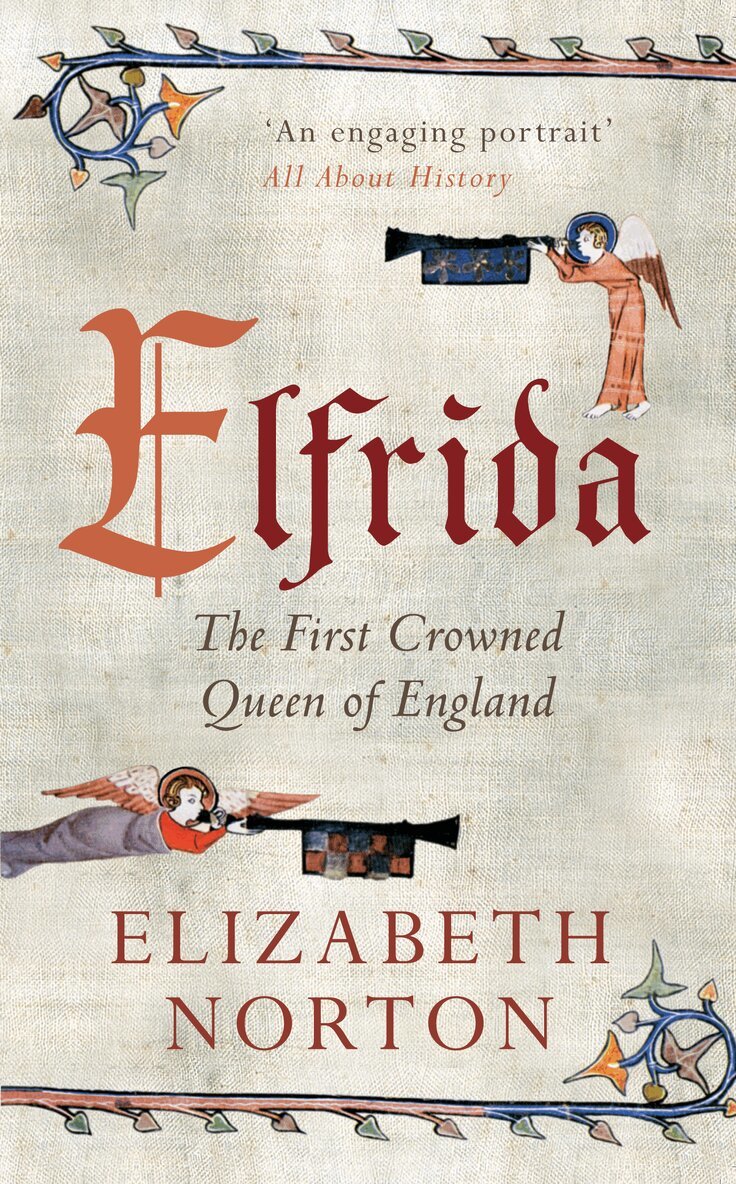
Contrary to popular belief, Anglo-Saxon England had queens, with the tenth-century Elfrida being the most powerful and notorious of them all. She was the first woman to be crowned Queen of England, sharing her husband King Edgar’s imperial coronation at Bath in 973. The couple made a love match, with claims that they plotted the death of her first husband to ensure that she was free. Edgar divorced his second wife, a former nun, after conducting an adulterous affair with Elfrida, leading to an enmity between the two women that lasted until their deaths.During her marriage Elfrida claimed to be the king’s only legitimate wife, but she failed to secure the succession for her son, Ethelred. Elfrida was implicated in the murder of her stepson, King Edward the Martyr, who died on a visit to her at Corfe Castle. She then ruled England on behalf of her young son for six years before he expelled her from court. Elfrida was eventually able to return to court but, since he proved himself unable to counter the Viking attacks, she may have come to regret winning the crown for Ethelred the Unready.Wife, mother, murderer, ruler, crowned queen. The life of Queen Elfrida was filled with drama as she rose to become the most powerful woman in Anglo-Saxon England.
142 kr
Skickas
England has always been a place of queens. The earliest known lived nearly 2,000 years ago. Early queens, such as Boudica and Cartimandua, are historical figures, while others, such as Cordelia and Guinevere, are mythical. In both historical documents and romantic legends, the early queens of Britain played a prominent role, and this has never ceased to be the case.Nearly eighty women have sat on the throne of England, either as queen regnant or queen consort, and the voices of all of them survive through their writings and those of their contemporaries. For the first time, the voices of each individual queen can be heard. This volume charts the course of English queenship from our earliest named queen, the fierce Boudica, through the Anglo-Saxons, Normans, Plantagenets, to the queens of the Wars of the Roses and the woman whose marriage brought peace after years of conflict, Elizabeth of York.
114 kr
Tillfälligt slut
The six wives of Henry VIII brought queenship into the early modern era and his daughters, Mary I and Elizabeth I, found themselves in an almost unprecedented position as reigning queens. From these Tudor women to the present, each queen has a unique story to tell. The unhappy Sophia Dorothea of Celle was imprisoned for over thirty years by her husband George I when her affair was discovered and her lover was murdered. Queen Victoria spent her childhood secluded with her overprotective mother, even sharing the same bedroom until the day when she was proclaimed queen and finally freed herself from her mother’s control.Nearly eighty women have sat on the throne of England, either as queen regnant or queen consort and the voices of all of them survive through their writings and those of their contemporaries. For the first time, the voices of each individual queen can be heard. This volume charts the course of English queenship from Henry’s wives through the Tudors, Stuarts, Hanoverians, right up to the House of Windsor and our current queen, Elizabeth II.
173 kr
Skickas
Henry VIII had the most controversial love life of the Tudor period, and he remains Britain’s most famous king because of it. His pursuit of a male heir for his throne led him to cast aside five consecutive wives and bring about the reformation of the Catholic Church, changing the face of British history as he broke from the pope and tradition. But who were the women who were instrumental in causing this change? Why was Catherine of Aragon divorced and Anne Boleyn beheaded, and what happened to the last wife, Catherine Parr?Elizabeth Norton provides a lavishly illustrated guide to the six wives of Henry VIII, exploring their private lives as well as the reasons behind the fundamental changes they caused in Tudor history. With a chapter on each wife, and an extra section on his mistresses, this is the ultimate companion to the six wives of Henry VIII.
231 kr
Skickas inom 3-6 vardagar
111 kr
Skickas inom 7-10 vardagar
England, late 1547. Henry VIII is dead. His 14-year-old daughter Elizabeth is living with the old king's widow Catherine Parr and her new husband Thomas Seymour. Ambitious, charming and dangerous, Seymour begins an overt flirtation with Elizabeth that ends in her being sent away by Catherine. When Catherine dies in autumn 1548 and Seymour is arrested for treason soon after, the scandal explodes into the open. Alone and in dreadful danger, Elizabeth is closely questioned by the king's regency council: Was she still a virgin? Was there a child? Had she promised to marry Seymour? In her replies, she shows the shrewdness and spirit she would later be famous for. She survives the scandal. Thomas Seymour is not so lucky. The Seymour Scandal led to the creation of the Virgin Queen. On hearing of Seymour's beheading, Elizabeth observed 'This day died a man of much wit, and very little judgement'. His fate remained with her. She would never allow her heart to rule her head again.
130 kr
Skickas inom 7-10 vardagar
The turbulent Tudor age never fails to capture the imagination. But what was it actually like to be a woman during this period? This was a time when death in infancy or during childbirth was rife; when marriage was usually a legal contract, not a matter for love, and the education of women was minimal at best. Yet the Tudor century was also dominated by powerful and characterful women in a way that no era had been before. Elizabeth Norton explores the seven ages of the Tudor woman, from childhood to old age, through the diverging examples of women such as Elizabeth Tudor, Henry VIII's sister who died in infancy; Cecily Burbage, Elizabeth's wet nurse; Mary Howard, widowed but influential at court; Elizabeth Boleyn, mother of a controversial queen; and Elizabeth Barton, a peasant girl who would be lauded as a prophetess. Their stories are interwoven with studies of topics ranging from Tudor toys to contraception to witchcraft, painting a portrait of the lives of queens and serving maids, nuns and harlots, widows and chaperones.
266 kr
Skickas
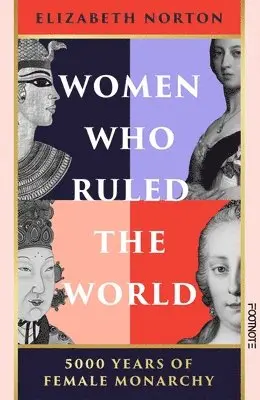
A BBC HISTORY MAGAZINE BOOK OF THE YEAR 2025'A breath-taking history of female sovereignty' -- Alison Weir'Gripping and beautifully crafted' -- Tracy Borman'Filled with fascinating figures from history' - Gareth RussellThese are the stories of the female kings: women who risked everything, sometimes unwillingly, to find their place in a man's world.Female kings have always been a rarity, an oddity, or an undesirable outcome. In almost all places throughout the world a male ruler was preferred to a woman, with female inheritance vanishingly rare and frequently disputed. In spite of this, women have secured crowns - or fought for them - over several millennia.From the lush oases of Ancient Egypt to the cherry blossomed lands of Japan, the machinations of the Tudor court to the far reaches of Pacific Island kingdoms, Women Who Ruled the World is an expansive and comprehensive history of female royal power.Covering five millennia of global history, renowned historian Elizabeth Norton weaves together the stories of women rulers throughout the ages. Establishing beloved and already celebrated figures amongst those who have been left in the margins of history, Norton peels away the layers of time, geography and culture to reveal what it was to be a woman who ruled.
221 kr
Skickas inom 11-20 vardagar
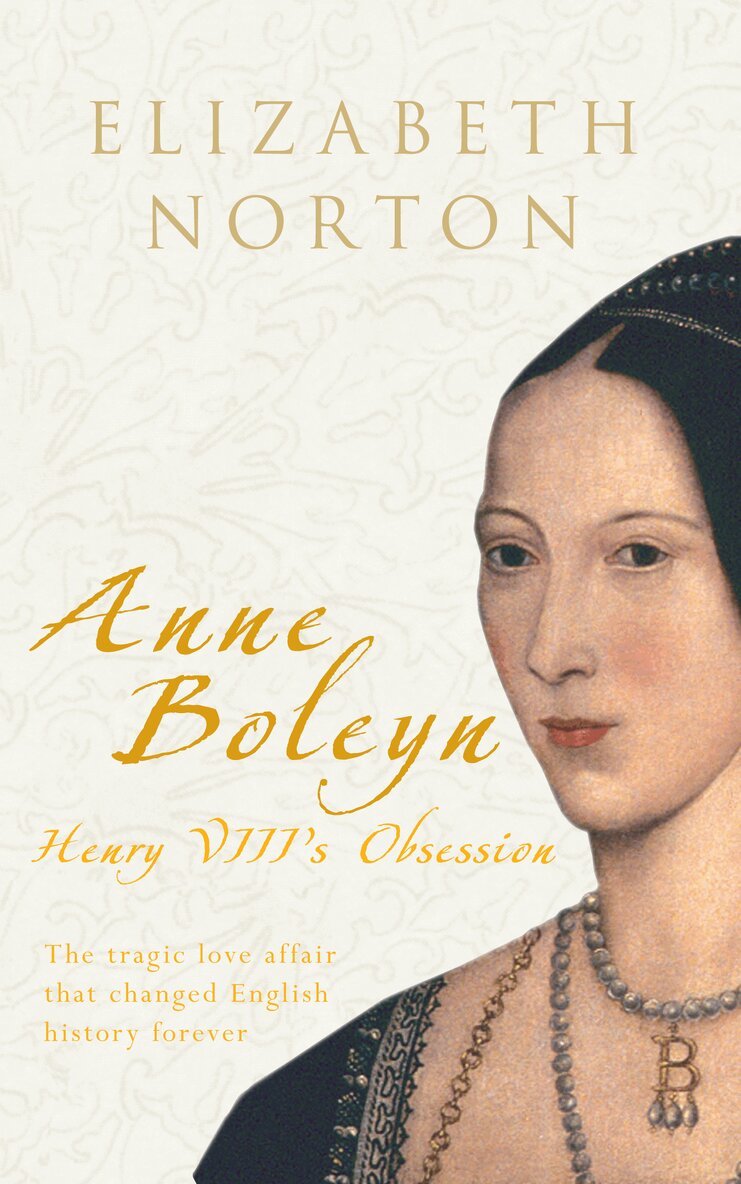
Alluring but not beautiful, Anne's wit and poise won her numerous admirers at the English court, and caught the roving eye of King Henry. Anne was determined to shape her own destiny, first through a secret engagement to Henry Percy, the heir of the Earl of Northumberland, and later through her insistence on marriage with the king, after a long and tempestuous relationship as his mistress. Their love affair was as extreme as it was deadly, from Henry's 'mine own sweetheart' to 'cursed and poisoning whore' her fall from grace was total.
221 kr
Skickas inom 11-20 vardagar
The first major biography of Henry VIII least favourite wife - but the one who outlived them all. 'I like her not!' was the verdict of Henry VIII on meeting his fourth wife, Anne of Cleves, for the first time. Anne could have said something similar on meeting Henry and, having been promised the most handsome prince in Europe, she was destined to be disappointed in the elderly and corpulent king. Henry also felt that Anne was not as she had been described, complaining that he had been sent a Flander's mare. Forced to proceed with their wedding for diplomatic reasons, Henry and Anne tried to make the best of the situation, but attempts to consummate the match were farcical. Henry could not bring himself to touch his new bride and Anne, entirely ignorant of such matters, did not even notice that there was a problem. After only seven months of marriage Henry was so desperate to rid himself of Anne that he declared himself impotent in order to secure a divorce. Anne was also eager to end her marriage and, with her clever handling of Henry obtained one of the biggest divorce settlements in English history. Following her divorce, Anne made good use of her many properties, including Richmond Palace, Hever Castle and the house at Lewes now known as 'Anne of Cleves' House'. Anne of Cleves is often portrayed as a stupid and comical figure. The real Anne was both intelligent and practical, ensuring that, whilst she was queen for the shortest period, she was the last of all Henry VIII's wives to survive. Henry's chief minister, Thomas Cromwell lost his head for his role in the Cleves marriage, but Anne's shrewdness ensured she kept hers. Even after Henry's death, Anne managed to work to her own advancement, attempting to annul her divorce in order to ensure her financial security as a dowager queen. Anne of Cleves led a dramatic and often dangerous life but, for all this, of Henry VIII's six wives, she is truly the wife that survived.
125 kr
Skickas
Doomed queen of Henry VIII, mother to Elizabeth I, the epic story of Anne Boleyn.Anne Boleyn was the most controversial and scandalous woman ever to sit on the throne of England. From her early days at the imposing Hever Castle in Kent, to the glittering courts of Paris and London, Anne caused a stir wherever she went. Alluring but not beautiful, Anne's wit and poise won her numerous admirers at the English court, and caught the roving eye of King Henry. Anne was determined to shape her own destiny, first through a secret engagement to Henry Percy, the heir of the Earl of Northumberland, and later through her insistence on marriage with the king, after a long and tempestuous relationship as his mistress. Their love affair was as extreme as it was deadly, from Henry's 'mine own sweetheart' to 'cursed and poisoning whore' her fall from grace was total.
136 kr
Skickas
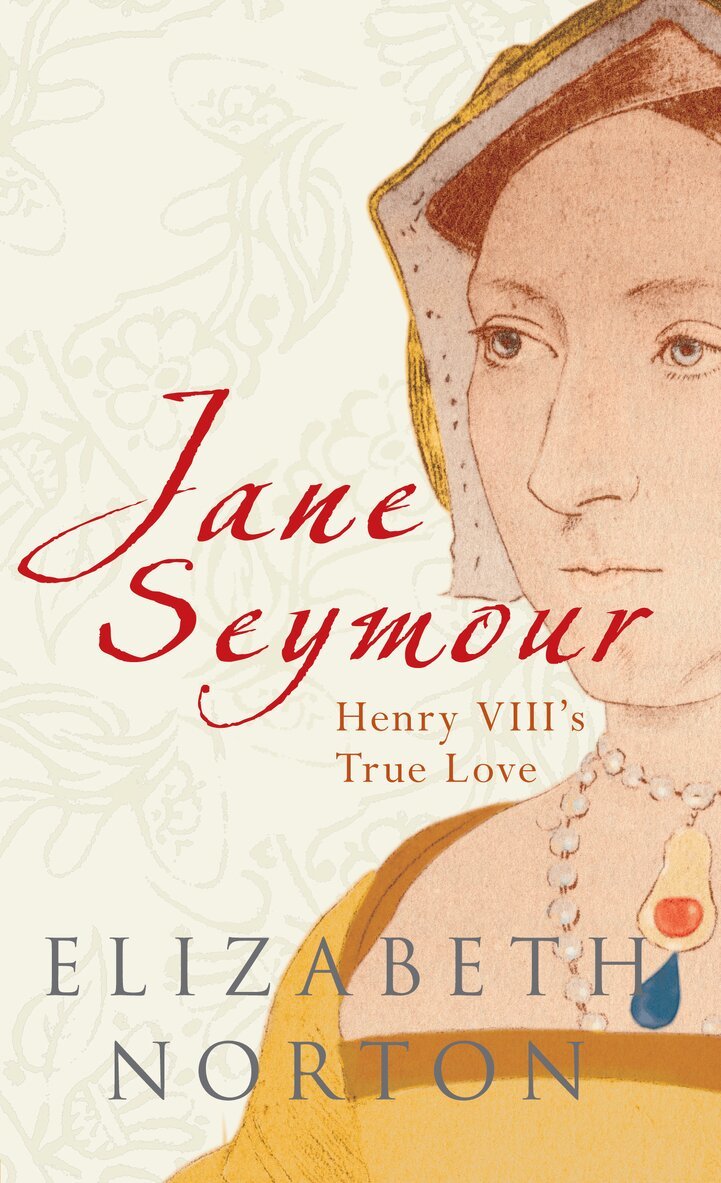
The first ever biography of Jane Seymour, Henry VIII's third wife, who died in childbirth giving the king what he craved most - a son and heir. Jane Seymour is often portrayed as meek and mild and as the most successful, but one of the least significant, of Henry VIII's wives. The real Jane was a very different character, demure and submissive yet with a ruthless streak - as Anne Boleyn was being tried for treason, Jane was choosing her wedding dress. From the lowliest origins of any of Henry's wives her rise shows an ambition every bit as great as Anne's. Elizabeth Norton tells the thrilling life of a country girl from rural Wiltshire who rose to the throne of England and became the ideal Tudor woman.
65 kr
Tillfälligt slut
An accessible, heavily illustrated introduction to the life of Anne Boleyn. Alluring but not beautiful, Anne Boleyn's wit and poise won her numerous admirers at the English court, and caught the roving eye of King Henry VIII. Anne was determined to shape her own destiny, first through a secret engagement to Henry Percy, the heir of the Earl of Northumberland, and later through her insistence on marriage with the king, after a long and tempestuous relationship as his mistress. Their love affair was as extreme as it was deadly, and her fall from grace was total. The book is also the ideal guide to accompany a trip to the heritage sites associated with Anne Boleyn's life: HEVER CASTLE, TOWER OF LONDON, WESTMINSTER ABBEY, HAMPTON COURT PALACE, BLICKLING HALL, and WINDSOR CASTLE.
221 kr
Skickas inom 11-20 vardagar
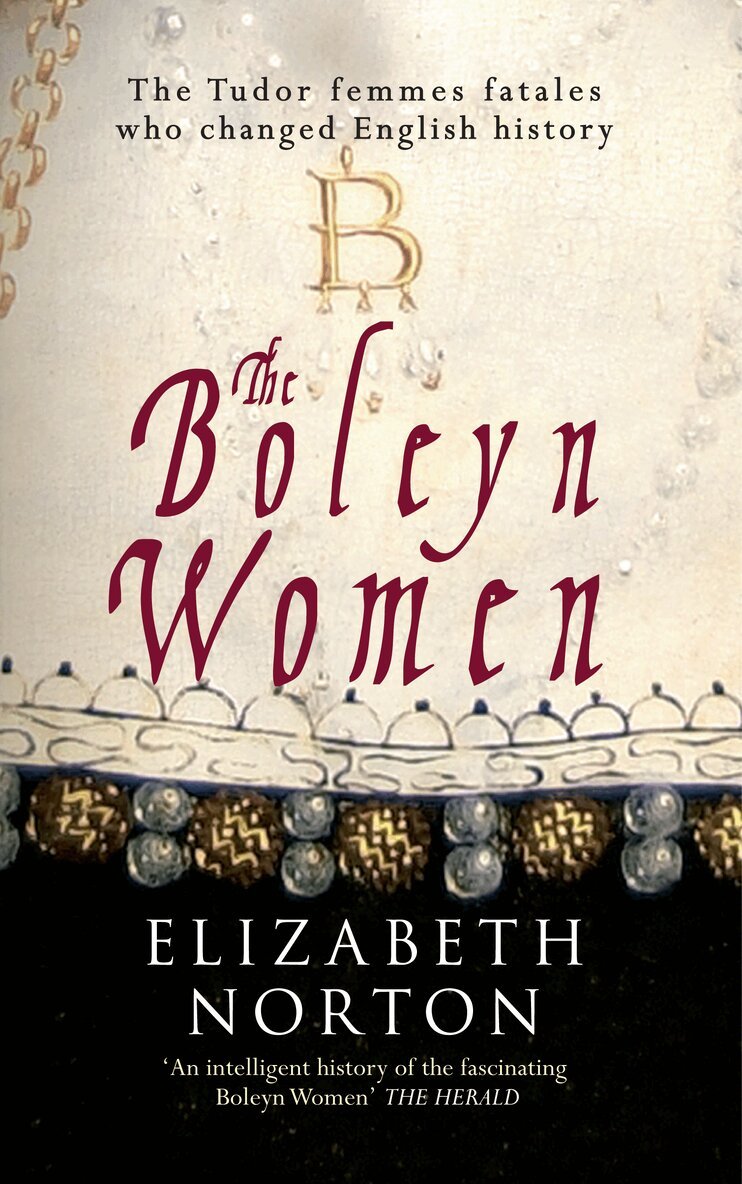
The Boleyn family appeared from nowhere at the end of the fourteenth century, moving from peasant to princess in only a few generations. The women of the family brought about its advancement, beginning with the heiresses Alice Bracton Boleyn, Anne Hoo Boleyn and Margaret Butler Boleyn who brought wealth and aristocratic connections. Then there was Elizabeth Howard Boleyn, who was rumoured to have been the mistress of Henry VIII, along with her daughter Mary and niece Madge, who certainly were. Anne Boleyn became the king's second wife and her aunts, Lady Boleyn and Lady Shelton, helped bring her to the block. The infamous Jane Boleyn, the last of her generation, betrayed her husband before dying on the scaffold with Queen Catherine Howard. The next generation was no less turbulent and Catherine Carey, the daughter of Mary Boleyn fled from England to avoid persecution under Mary Tudor. Her daughter, Lettice was locked in bitter rivalry with the greatest Boleyn lady of all, Elizabeth I, winning the battle for the affections of Robert Dudley but losing her position in society as a consequence. Finally, another Catherine Carey, the Countess of Nottingham, was so close to her cousin, the queen, that Elizabeth died of grief following her death. The Boleyn family was the most ambitious dynasty of the sixteenth century, rising dramatically to prominence in the early years of a century that would end with a Boleyn on the throne.