Elizabeth Perez – författare
Visar alla böcker från författaren Elizabeth Perez. Handla med fri frakt och snabb leverans.
9 produkter
9 produkter
Inbunden, Engelska, 2008
4 249 kr
Skickas inom 3-6 vardagar
For upper-division undergraduate or beginning graduate courses in civil and environmental engineering. The Eighth Edition of this bestselling text has been revised and modernized to meet the needs of today's environmental engineering students who will be engaged in the design and management of water and wastewater systems. It emphasizes the application of the scientific method to problems associated with the development, movement, and treatment of water and wastewater. Recognizing that all waters are potential sources of supply, the authors present treatment processes in the context of what they can do, rather than dividing them along clean water or waste water lines. An abundance of examples and homework problems amplify the concepts presented.
E-bok
Engelska, 2023275 kr
Läs direkt efter köp
If the head is religion, the gut is magic. Taking up this provocation, this Element delves into the digestive system within transnational Afro-Diasporic religions such as Haitian Vodou, Brazilian Candomblé, and Cuban Lucumí (also called Santería). It draws from the ethnographic and archival record to probe the abdomen as a vital zone of sensory perception, amplified in countless divination verses, myths, rituals, and recipes for ethnomedical remedies. Provincializing the brain as only one locus of reason, it seeks to expand the notion of ''mind'' and expose the anti-Blackness that still prevents Black Atlantic knowledges from being accepted as such. The Element examines gut feelings, knowledge, and beings in the belly; African precedents for the Afro-Diasporic gut-brain axis; post-sacrificial offerings in racist fantasy and everyday reality; and the strong stomachs and intestinal fortitude of religious ancestors. It concludes with a reflection on kinship and the spilling of guts in kitchenspaces.
E-bok
PDF, Engelska, 2023278 kr
Läs direkt efter köp
If the head is religion, the gut is magic. Taking up this provocation, this Element delves into the digestive system within transnational Afro-Diasporic religions such as Haitian Vodou, Brazilian Candomblé, and Cuban Lucumí (also called Santería). It draws from the ethnographic and archival record to probe the abdomen as a vital zone of sensory perception, amplified in countless divination verses, myths, rituals, and recipes for ethnomedical remedies. Provincializing the brain as only one locus of reason, it seeks to expand the notion of ''mind'' and expose the anti-Blackness that still prevents Black Atlantic knowledges from being accepted as such. The Element examines gut feelings, knowledge, and beings in the belly; African precedents for the Afro-Diasporic gut-brain axis; post-sacrificial offerings in racist fantasy and everyday reality; and the strong stomachs and intestinal fortitude of religious ancestors. It concludes with a reflection on kinship and the spilling of guts in kitchenspaces.
Häftad, Engelska, 2013
1 183 kr
Skickas inom 7-10 vardagar
For upper-division undergraduate or beginning graduate courses in civil and environmental engineering. The Eighth Edition of this bestselling text has been revised and modernized to meet the needs of today's environmental engineering students who will be engaged in the design and management of water and wastewater systems. It emphasizes the application of the scientific method to problems associated with the development, movement, and treatment of water and wastewater. Recognizing that all waters are potential sources of supply, the authors present treatment processes in the context of what they can do, rather than dividing them along clean water or waste water lines. An abundance of examples and homework problems amplify the concepts presented.
Häftad, Engelska, 2016
374 kr
Skickas inom 5-8 vardagar
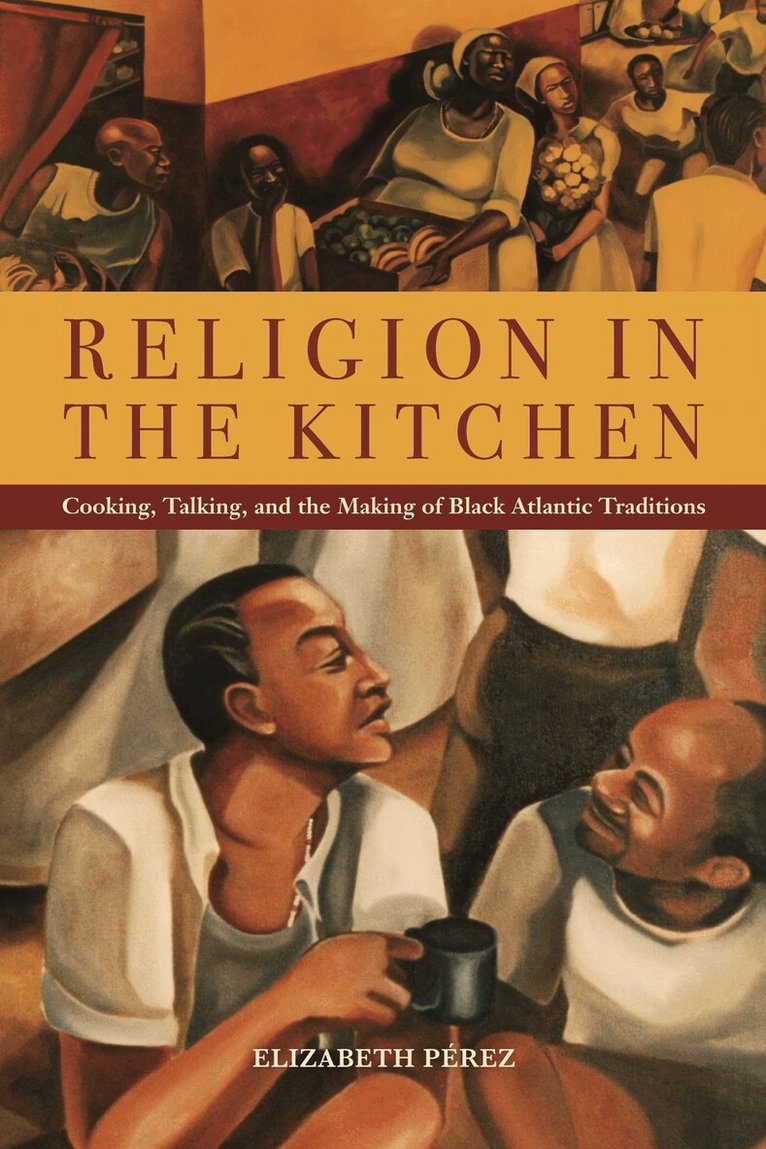
Honorable Mention, 2019 Barbara T. Christian Literary Award, given by the Caribbean Studies AssociationWinner, 2017 Clifford Geertz Prize in the Anthropology of Religion, presented by the Society for the Anthropology of Religion section of the American Anthropological AssociationFinalist, 2017 Albert J. Raboteau Prize for the Best Book in Africana Religions presented by the Journal of Africana ReligionsAn examination of the religious importance of food among Caribbean and Latin American communitiesBefore honey can be offered to the Afro-Cuban deity Ochún, it must be tasted, to prove to her that it is good. In African-inspired religions throughout the Caribbean, Latin America, and the United States, such gestures instill the attitudes that turn participants into practitioners. Acquiring deep knowledge of the diets of the gods and ancestors constructs adherents' identities; to learn to fix the gods' favorite dishes is to be "seasoned" into their service.In this innovative work, Elizabeth Pérez reveals how seemingly trivial "micropractices" such as the preparation of sacred foods, are complex rituals in their own right. Drawing on years of ethnographic research in Chicago among practitioners of Lucumí, the transnational tradition popularly known as Santería, Pérez focuses on the behind-the-scenes work of the primarily women and gay men responsible for feeding the gods. She reveals how cooking and talking around the kitchen table have played vital socializing roles in Black Atlantic religions.Entering the world of divine desires and the varied flavors that speak to them, this volume takes a fresh approach to the anthropology of religion. Its richly textured portrait of a predominantly African-American Lucumí community reconceptualizes race, gender, sexuality, and affect in the formation of religious identity, proposing that every religion coalesces and sustains itself through its own secret recipe of micropractices.
Inbunden, Engelska, 2016
1 096 kr
Skickas inom 10-15 vardagar
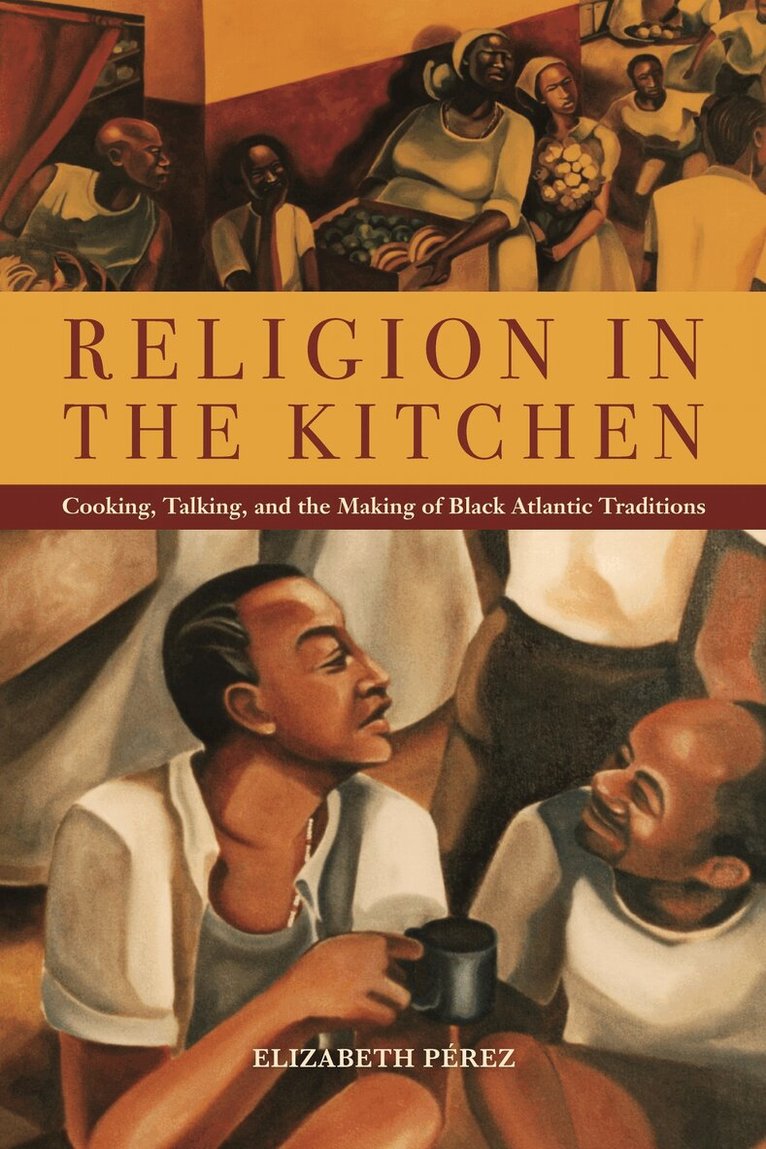
Honorable Mention, 2019 Barbara T. Christian Literary Award, given by the Caribbean Studies AssociationWinner, 2017 Clifford Geertz Prize in the Anthropology of Religion, presented by the Society for the Anthropology of Religion section of the American Anthropological AssociationFinalist, 2017 Albert J. Raboteau Prize for the Best Book in Africana Religions presented by the Journal of Africana ReligionsAn examination of the religious importance of food among Caribbean and Latin American communitiesBefore honey can be offered to the Afro-Cuban deity Ochún, it must be tasted, to prove to her that it is good. In African-inspired religions throughout the Caribbean, Latin America, and the United States, such gestures instill the attitudes that turn participants into practitioners. Acquiring deep knowledge of the diets of the gods and ancestors constructs adherents' identities; to learn to fix the gods' favorite dishes is to be "seasoned" into their service.In this innovative work, Elizabeth Pérez reveals how seemingly trivial "micropractices" such as the preparation of sacred foods, are complex rituals in their own right. Drawing on years of ethnographic research in Chicago among practitioners of Lucumí, the transnational tradition popularly known as Santería, Pérez focuses on the behind-the-scenes work of the primarily women and gay men responsible for feeding the gods. She reveals how cooking and talking around the kitchen table have played vital socializing roles in Black Atlantic religions.Entering the world of divine desires and the varied flavors that speak to them, this volume takes a fresh approach to the anthropology of religion. Its richly textured portrait of a predominantly African-American Lucumí community reconceptualizes race, gender, sexuality, and affect in the formation of religious identity, proposing that every religion coalesces and sustains itself through its own secret recipe of micropractices.
Häftad, Engelska, 2021
208 kr
Skickas inom 5-8 vardagar
Häftad, Engelska, 2022
142 kr
Skickas inom 5-8 vardagar
E-bok
Spanska, 202586 kr
Läs direkt efter köp
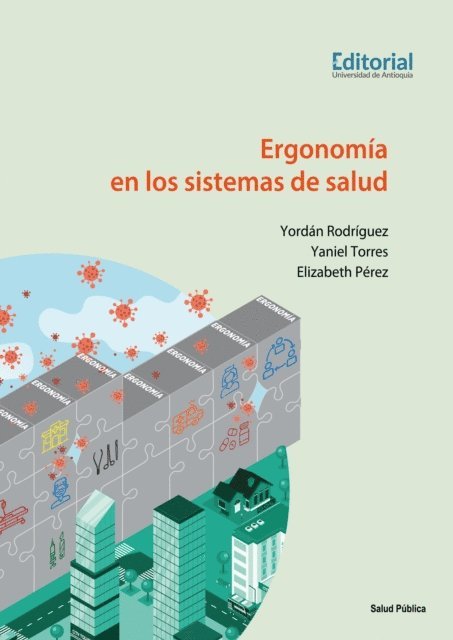
Este libro explica detalladamente los fundamentos teóricos y las herramientas prácticas para la integración de la ergonomía en los sistemas de salud desde los modelos más conocidos; además presenta un nuevo modelo: el denominado modelo de integración dela ergonomía en los sistemas de salud (MIESS) o modelo del muro de protección, que mereció el tercer lugar en el concurso del Mes Nacional de la Ergonomía (2021), auspiciado por la Human Factors and Ergonomics Society de Estados Unidos. El nuevo modelo surgió de una sinergia de visiones provenientes de dos países con sistemas de salud diferentes, uno en desarrollo (el sistema de salud de Colombia) y otro robusto y consolidado (el de Inglaterra), aspecto que contribuye a su universalidad. La guía que ofrece Ergonomía en los sistemas de salud orienta a las organizaciones del sector sanitario en la toma de decisiones y en la implementación de acciones tendientes a evitar los fallos y a dar solución a problemas complejos en sus varios niveles de funcionamiento, con miras a garantizar la seguridad del paciente.