Elizabeth S. Manley - Böcker
Visar alla böcker från författaren Elizabeth S. Manley. Handla med fri frakt och snabb leverans.
4 produkter
4 produkter
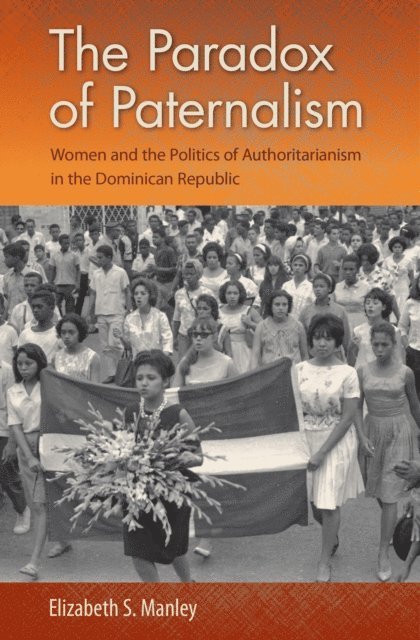
Paradox of Paternalism
Women and the Politics of Authoritarianism in the Dominican Republic
Inbunden, Engelska, 2017
991 kr
Skickas inom 10-15 vardagar
From the rise of dictator Rafael Trujillo in the early 1930s to the rule of his successor Joaquín Balaguer in the 1970s, women were frequently absent or erased from public political narratives in the Dominican Republic. Filling these silences, The Paradox of Paternalism shows that women were central to local, national, and international politics during this period. Women activists from across the political spectrum engaged with the state by working within both authoritarian regimes and inter-American networks, founding modern Dominican feminism and contributing to the rise of twentieth-century women’s liberation in the Global South.
Paradox of Paternalism
Women and the Politics of Authoritarianism in the Dominican Republic
Häftad, Engelska, 2022
321 kr
Skickas inom 10-15 vardagar
From the rise of dictator Rafael Trujillo in the early 1930s through the twelve-year rule of his successor Joaquín Balaguer in the 1960s and 1970s, women are frequently absent or erased from public political narratives in the Dominican Republic. The Paradox of Paternalism shows how women proved themselves as skilled, networked, and non-threatening agents, becoming indispensable to a carefully orchestrated national and international reputation. They garnered concrete political gains like suffrage and paved the way for their continued engagement with the politics of the Dominican state through intense periods of authoritarianism and transition.In this volume, Elizabeth Manley explains how women activists from across the political spectrum engaged with the state by working within both authoritarian regimes and inter-American networks, founding modern Dominican feminism, and contributing to the rise of twentieth-century women's liberation movements in the Global South.
371 kr
Skickas inom 7-10 vardagar
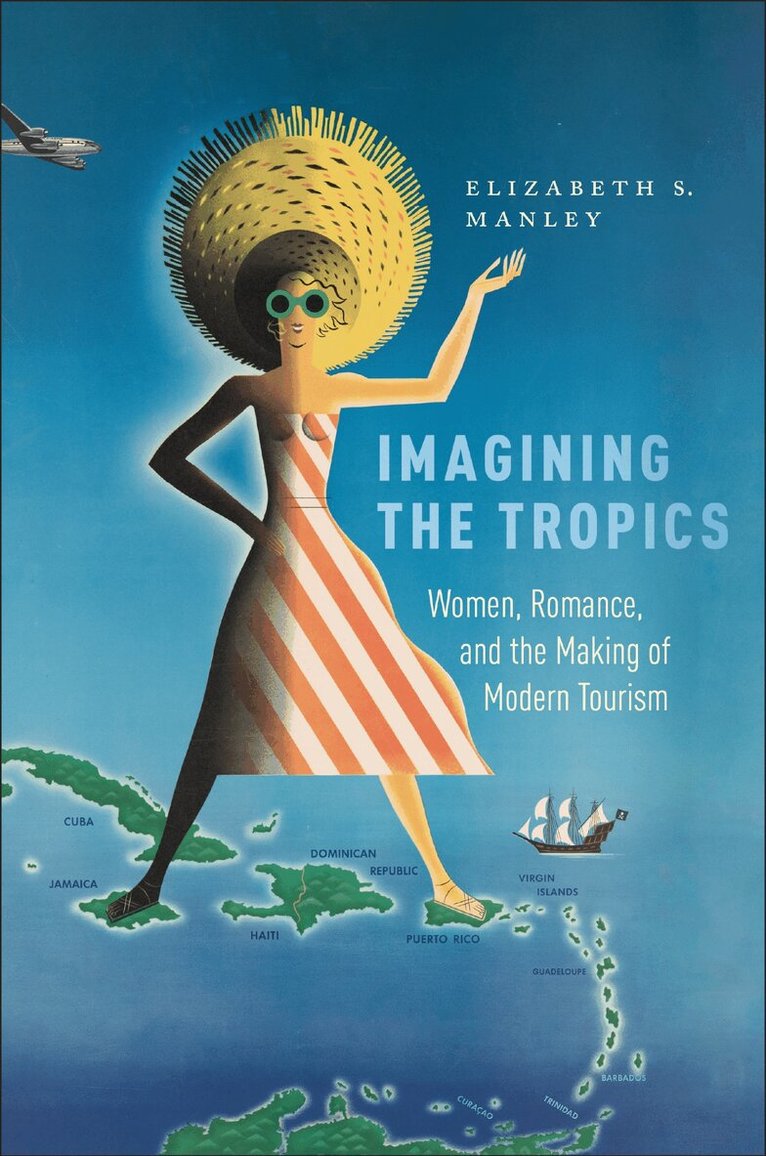
Imagining the Tropics is a history of the development of tourism in the Caribbean from the 1910s through the 1970s that focuses on the ways women’s labors of hospitality, writing, and advocacy built the industry and its ubiquitous imagery of tropical island relaxation, escape, and romance. By examining a range of sources, engaging an array of women protagonists, and looking broadly across multiple Caribbean island-states including Jamaica, Cuba, the Bahamas, Barbados, the Dominican Republic, Haiti, Puerto Rico, Trinidad and Tobago, and the U.S. and British Virgin Islands, it seeks to understand how the region came to be sold as a romantic escape from the “troubles” of the modern world. By putting women at the center of Caribbean tourism history-as both its ambassadors and objects of desire-it seeks to explain some of the complicated contradictions that plague the business of pleasure but also to point toward ways of building alternative models to its present and past extractive realities.
1 408 kr
Skickas inom 7-10 vardagar
Imagining the Tropics is a history of the development of tourism in the Caribbean from the 1910s through the 1970s that focuses on the ways women’s labors of hospitality, writing, and advocacy built the industry and its ubiquitous imagery of tropical island relaxation, escape, and romance. By examining a range of sources, engaging an array of women protagonists, and looking broadly across multiple Caribbean island-states including Jamaica, Cuba, the Bahamas, Barbados, the Dominican Republic, Haiti, Puerto Rico, Trinidad and Tobago, and the U.S. and British Virgin Islands, it seeks to understand how the region came to be sold as a romantic escape from the “troubles” of the modern world. By putting women at the center of Caribbean tourism history—as both its ambassadors and objects of desire—it seeks to explain some of the complicated contradictions that plague the business of pleasure but also to point toward ways of building alternative models to its present and past extractive realities.