Elizabeth W. Williams – författare
Visar alla böcker från författaren Elizabeth W. Williams. Handla med fri frakt och snabb leverans.
7 produkter
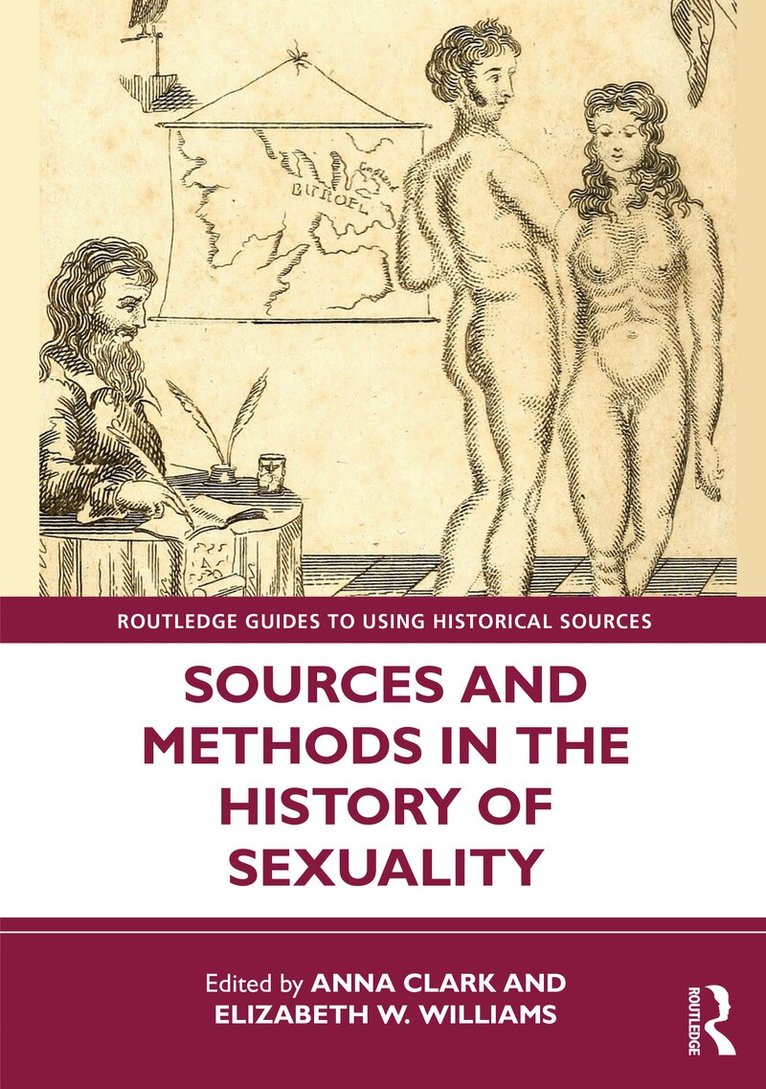
Sources and Methods in the History of Sexuality
Av Anna Clark, Elizabeth W. Williams
Häftad, 2024
638 kr
Lägg i varukorg
Sources and Methods in the History of Sexuality outlines some of the challenges of retracing sexual acts, identities, and desires in the past, and shows how historians have responded to these methodological challenges with ingenuity and creativity.The volume acknowledges that the history of …
Sources and Methods in the History of Sexuality
Av Anna Clark, Elizabeth W. Williams
Inbunden, 2024
2590 kr
Lägg i varukorg
Sources and Methods in the History of Sexuality outlines some of the challenges of retracing sexual acts, identities, and desires in the past, and shows how historians have responded to these methodological challenges with ingenuity and creativity.The volume acknowledges that the history of …
Sources and Methods in the History of Sexuality
Av Elizabeth W. Williams, Anna Clark
E-bok, 2024
733 kr
Lägg i varukorg
Sources and Methods in the History of Sexuality outlines some of the challenges of retracing sexual acts, identities, and desires in the past, and shows how historians have responded to these methodological challenges with ingenuity and creativity. The volume acknowledges that the history of …
Sources and Methods in the History of Sexuality
Av Elizabeth W. Williams, Anna Clark
E-bok, 2024
733 kr
Lägg i varukorg
Sources and Methods in the History of Sexuality outlines some of the challenges of retracing sexual acts, identities, and desires in the past, and shows how historians have responded to these methodological challenges with ingenuity and creativity. The volume acknowledges that the history of …
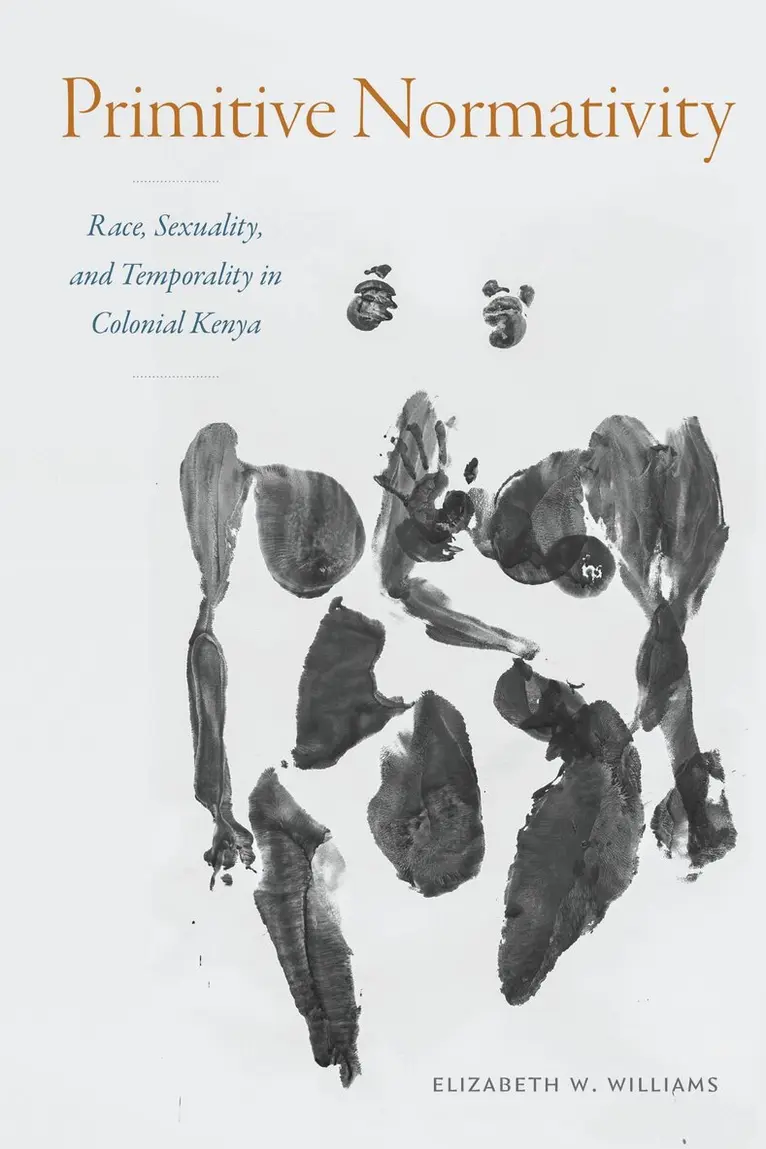
Primitive Normativity
Race, Sexuality, and Temporality in Colonial Kenya
Inbunden, 2024
1191 kr
Lägg i varukorg
In Primitive Normativity Elizabeth W. Williams traces the genealogy of a distinct narrative about African sexuality that British colonial authorities in Kenya used to justify their control over indigenous populations. She identifies a discourse of “primitive normativity” that suggested that …
Primitive Normativity
Race, Sexuality, and Temporality in Colonial Kenya
Häftad, 2024
296 kr
Lägg i varukorg
In Primitive Normativity Elizabeth W. Williams traces the genealogy of a distinct narrative about African sexuality that British colonial authorities in Kenya used to justify their control over indigenous populations. She identifies a discourse of “primitive normativity” that suggested that …
Primitive Normativity
Race, Sexuality, and Temporality in Colonial Kenya
E-bok, 2023
453 kr
Lägg i varukorg
In Primitive Normativity Elizabeth W. Williams traces the genealogy of a distinct narrative about African sexuality that British colonial authorities in Kenya used to justify their control over indigenous populations. She identifies a discourse of “primitive normativity” that suggested that …