Elizabeth Walcott-Hackshaw - Böcker
Visar alla böcker från författaren Elizabeth Walcott-Hackshaw. Handla med fri frakt och snabb leverans.
5 produkter
5 produkter
436 kr
Skickas inom 10-15 vardagar
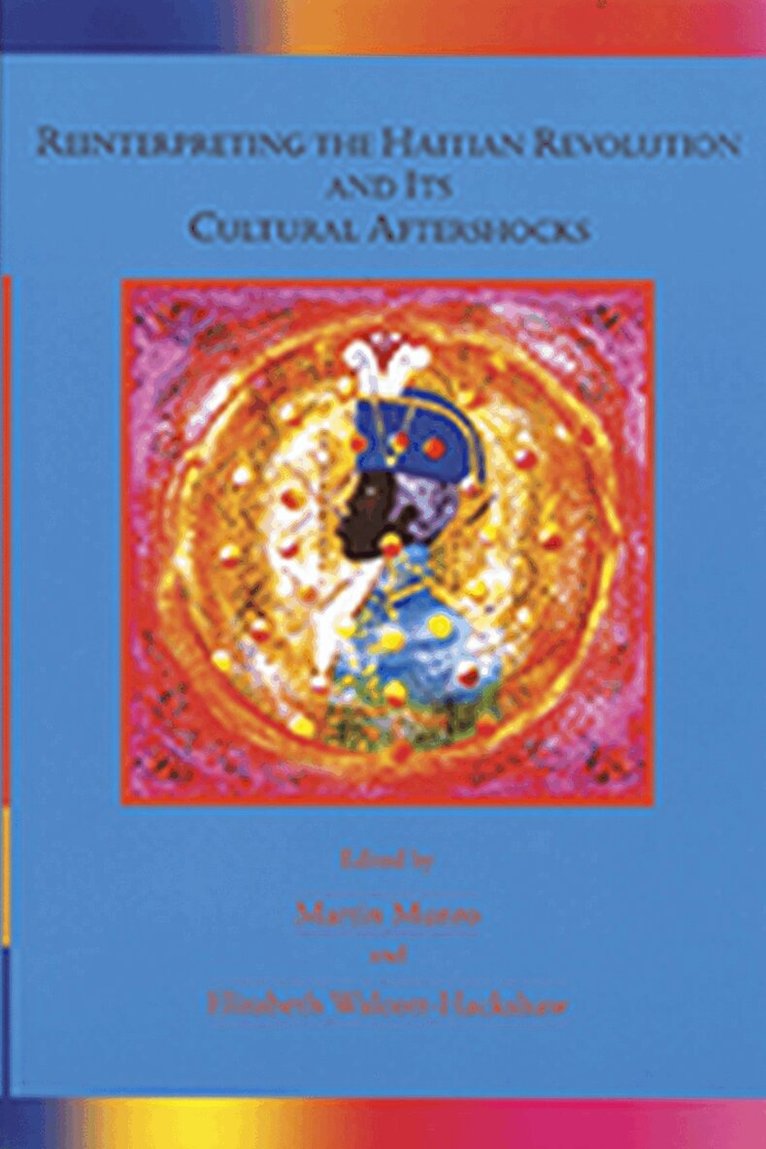
Haiti, its revolution and its culture remain largely unknown or misunderstood in the English-speaking world. This collection of essays seeks to both elucidate aspects of Haitian history and culture and provoke interest in readers and scholars for further research in these fields. Several general guiding questions connect the essays: What were, what are the cultural repercussions of Haiti's revolution, in Haiti and elsewhere? What is the truth of Haiti, its history, its intellectual traditions, its culture? What role has culture played in shaping Haiti's history, and conversely, how has Haiti's history determined, inspired, liberated and restricted Haitian culture and thought? In a land that has constantly relived its past, how can we imagine a Haitian future? Can we rethink history and memory? Can an understanding of post-independence culture and thought point tentatively to a way out of the traps of the past, without effecting a counterproductive forgetting of the revolution?Framed by two essays by Rene Depestre, the chapters offer diverse approaches to these questions: the history of Haitian revolutionary universalism; the idea of the Caribbean's historical lack and its application to Haiti; the relationship between personal and political revolutions in Yanick Lahens's fiction; the attempt to write personal history in Edwidge Danticat's work; the role of Haiti and the revolution in forming ideas of "race"; the importance of the nineteenth-century Haitian intellectual Antenor Firmin in the development of the discipline of anthropology; the influence of St. Domingue refugees in the genesis of New Orleans jazz; the prevalence of the "Haytian Fear" narrative in nineteenth-century Trinidad; and the many and diverse post-independence representations of Toussaint Louverture. This book will be of interest to students and readers of Haitian literature, history and culture, as well as those interested in broader Caribbean studies, postcolonial studies and African-American studies.
464 kr
Skickas inom 10-15 vardagar
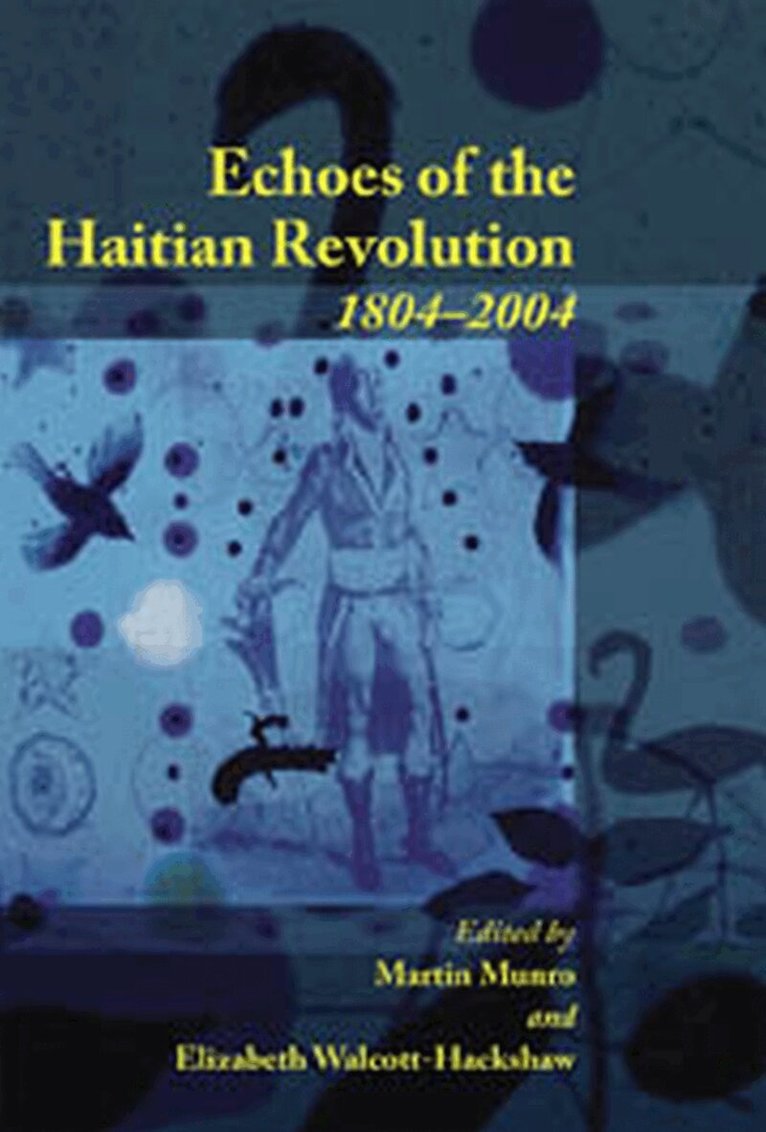
The bicentenary of Haitian independence in 2004 triggered a renewed interest in Haitian history and culture. In many ways, however, much work is still required in this fertile field. Reinterpreting the Haitian Revolution and Its Cultural Aftershocks, the first collection of essays edited by Martin Munro and Elizabeth Walcott-Hackshaw, addressed the repercussions of the Haitian Revolution in Haiti, the Caribbean, North America and Europe. This present volume develops and complements the previous collection to meet the growing demand for original scholarly work on Haiti. Widening the cultural lens to include diasporic studies, art, and questions of race and gender, Echoes of the Haitian Revolution exposes how the history of Haiti has shaped our ideas of race, nation and civilization in ways that we are often unaware of. Haiti's lessons continue to engage us in a dynamic dialog that compels us to question and revisit received arguments. The essays collected here provoke and stimulate these necessary conversations by approaching the legacies and repercussions of the revolution from a cultural perspective.
523 kr
Skickas inom 10-15 vardagar
523 kr
Skickas inom 10-15 vardagar
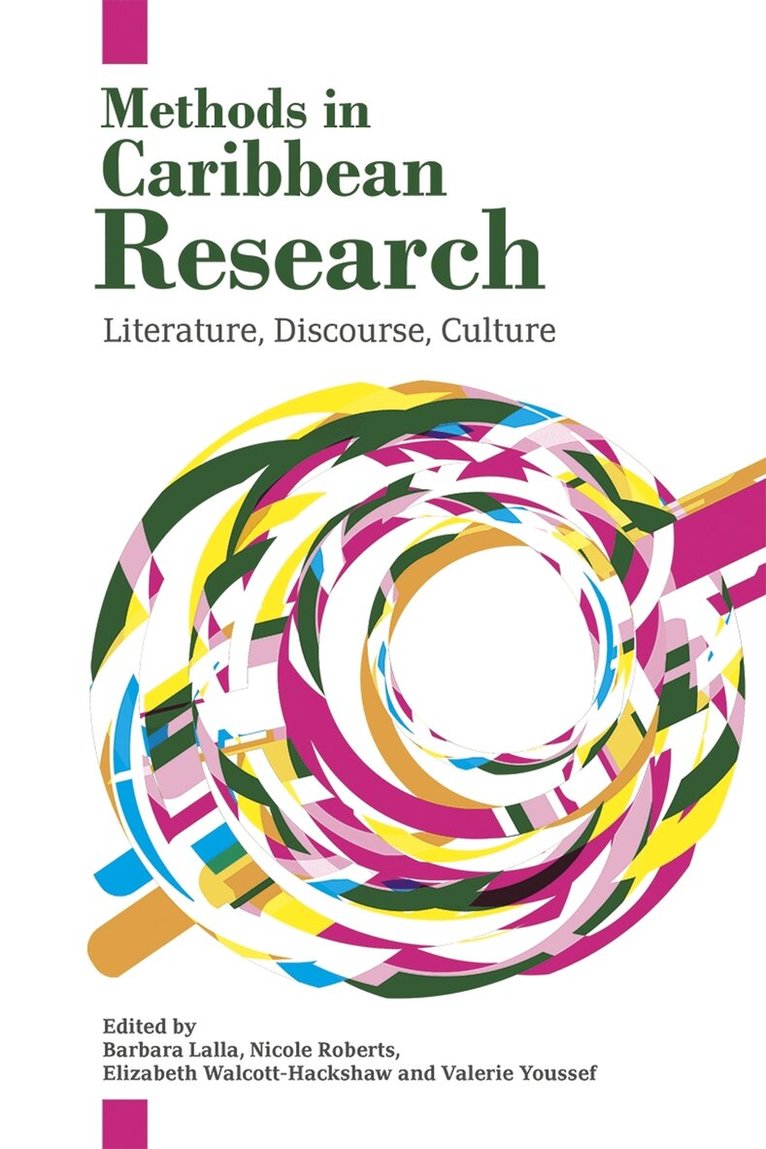
In the introduction to Methods in Caribbean Research, the editors ask, “What sets the Caribbean apart and justifies an application of scholarly method to its own needs? What defines the world of Caribbean letters? Why not merely apply established approaches to scholarship that work satisfactorily in Western metropoles?” The chapters in this collection address these pressing questions and make a unique contribution to the available guides for Caribbean scholars and students of Caribbean studies both inside and outside the region. The authors consider the distinctive needs of research in Caribbean literature, language and culture and focus on honing research methods relevant to Caribbean material and with the insights of the Caribbean experience. The essays in the first part, Research Methodology, examine conceptual frames, data collection, and application and analysis of research. The second part details the research process, from proposal to proofreading. Throughout, the authors emphasise a Caribbean approach that is engaged with and aware of a range of existing theories but does not uncritically adopt external frameworks that are inadequate for a rounded Caribbean critical practice. Contributors: Jean Antoine-Dunne, Béatrice Boufoy-Bastick, Merle Hodge, Barbara Lalla, Paula Morgan, Jennifer Rahim, Nicole Roberts, Louis Regis, Jairo Sánchez-Galvis, Geraldine Skeete, Glenroy Taitt, Elizabeth Walcott-Hackshaw, Valerie Youssef.
164 kr
Skickas inom 10-15 vardagar
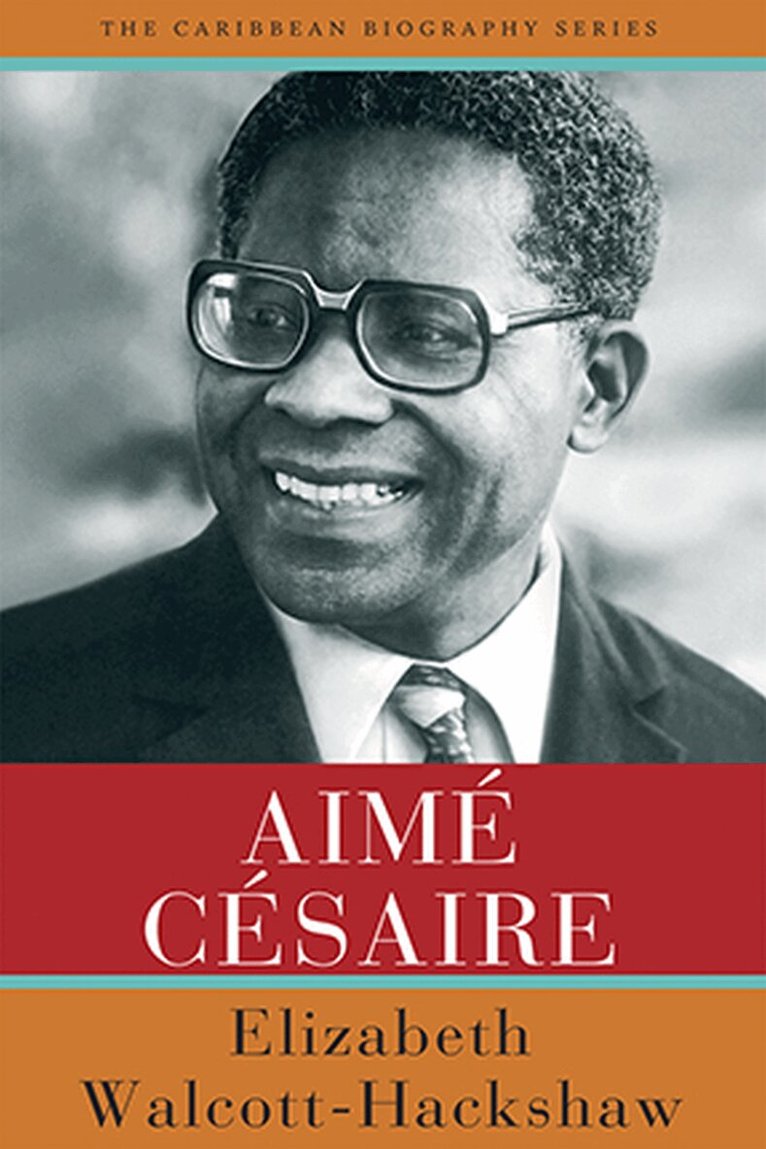
This brief biography looks at one of the most influential writers from the francophone Caribbean. Aimé Césaire was a poet, playwright and politician, who, along with Léon-Gontran Damas from French Guiana and Léopold Senghor of Senegal, founded the Negritude movement in the 1930s. The men had come together as young black students in Paris at a time when the French capital had become the locus of ideas on black identity and pan-Africanism. The Negritude movement called for a cultural awakening of African heritage, a rejection of Western ideology that inherently saw blacks as inferior to whites, and a reclamation of what it meant to be black. Césaire's first major and most famous poetic work, Cahier d'un retour au pays natal (Notebook of a Return to My Native Land), explored the contours of this African heritage and his complex identity as a black man born under French rule on the Caribbean island of Martinique. Throughout his long political career, which lasted for most of his life, Césaire fought not only for his own people but for those who had been wronged by vestiges of colonial regimes. This book is an exploration of Césaire's life in his never-ending decolonizing battle.