Ellen Nerenberg - Böcker
Visar alla böcker från författaren Ellen Nerenberg. Handla med fri frakt och snabb leverans.
2 produkter
2 produkter
309 kr
Skickas inom 7-10 vardagar
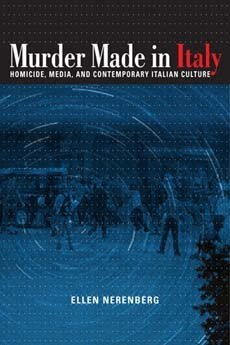
Looking at media coverage of three very prominent murder cases, Murder Made in Italy explores the cultural issues raised by the murders and how they reflect developments in Italian civil society over the past 20 years. Providing detailed descriptions of each murder, investigation, and court case, Ellen Nerenberg addresses the perception of lawlessness in Italy, the country's geography of crime, and the generalized fear for public safety among the Italian population. Nerenberg examines the fictional and nonfictional representations of these crimes through the lenses of moral panic, media spectacle, true crime writing, and the abject body. The worldwide publicity given the recent case of Amanda Knox, the American student tried for murder in a Perugia court, once more drew attention to crime and punishment in Italy and is the subject of the epilogue.
657 kr
Skickas inom 7-10 vardagar
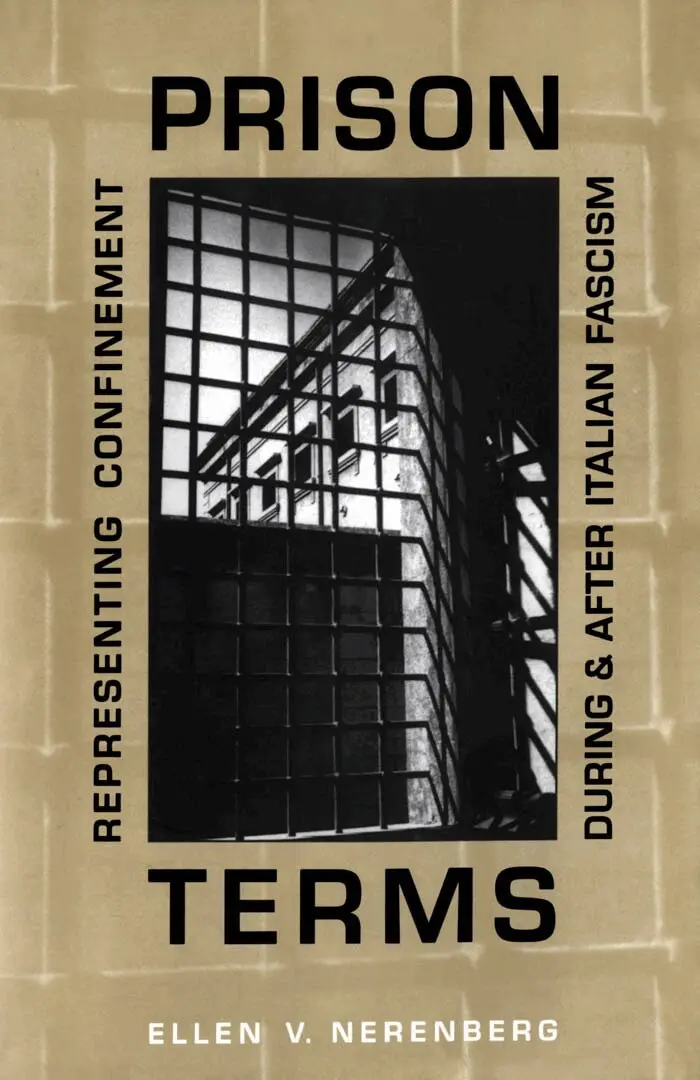
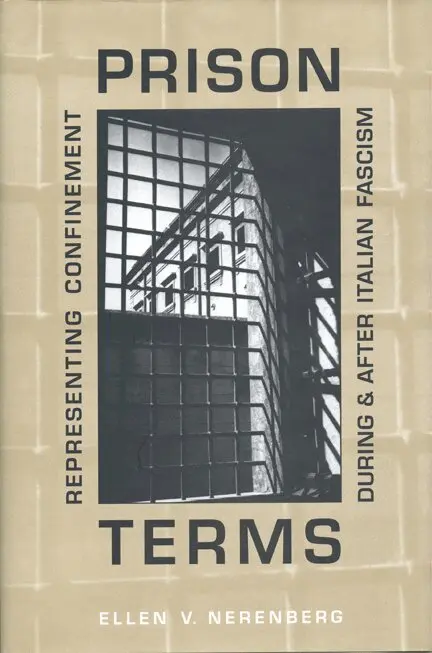
In this ground-breaking work, Ellen Nerenberg offers an analysis of the confinement experience in Italian narrative between 1930 and 1960, the last fifteen years of Fascism and the fifteen that followed. Nerenberg diverges from the notion that a radical break from Fascism coincided with Mussolini's fall, instead revealing a disturbing continuity of social restraints following World War II. Drawing on critical discourses of architectural design, urban planning, and cultural geography, Nerenberg offers readings of Buzzati, Piovène, de Céspedes, Banti, Morante, Pratolini, and Gadda. Not limiting herself to prisons, she also explores military barracks, convents, brothels, and homes as carceral homologue. In a surprising investigation of the male body as defined by the architectural space of the barracks and the discursive practices of military guides and journals, she challenges the notion circulated during Fascism of a homogenous model of masculinity. She also probes the social and symbolic positions of women in relation to confinement, the law, power, and liberty. In a chapter titled "House Arrest," she treats the ominous space of the home as a homologue for prison wherein "women are induced into criminality." A study of literal and literary spaces during and after Italian Fascism, this work examines the ways in which Fascist cultural and discursive practices and ideology endure in other guises past the fall of the Regime.