Ellen R. Welch - Böcker
Visar alla böcker från författaren Ellen R. Welch. Handla med fri frakt och snabb leverans.
4 produkter
4 produkter
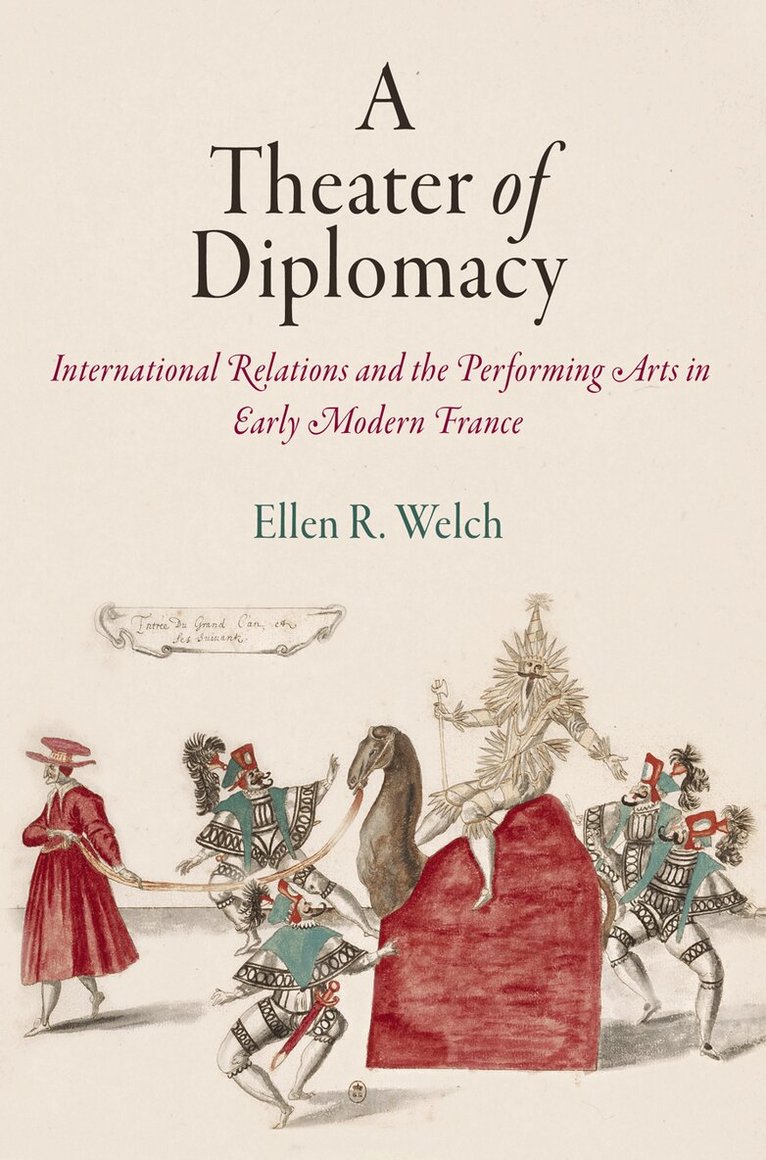
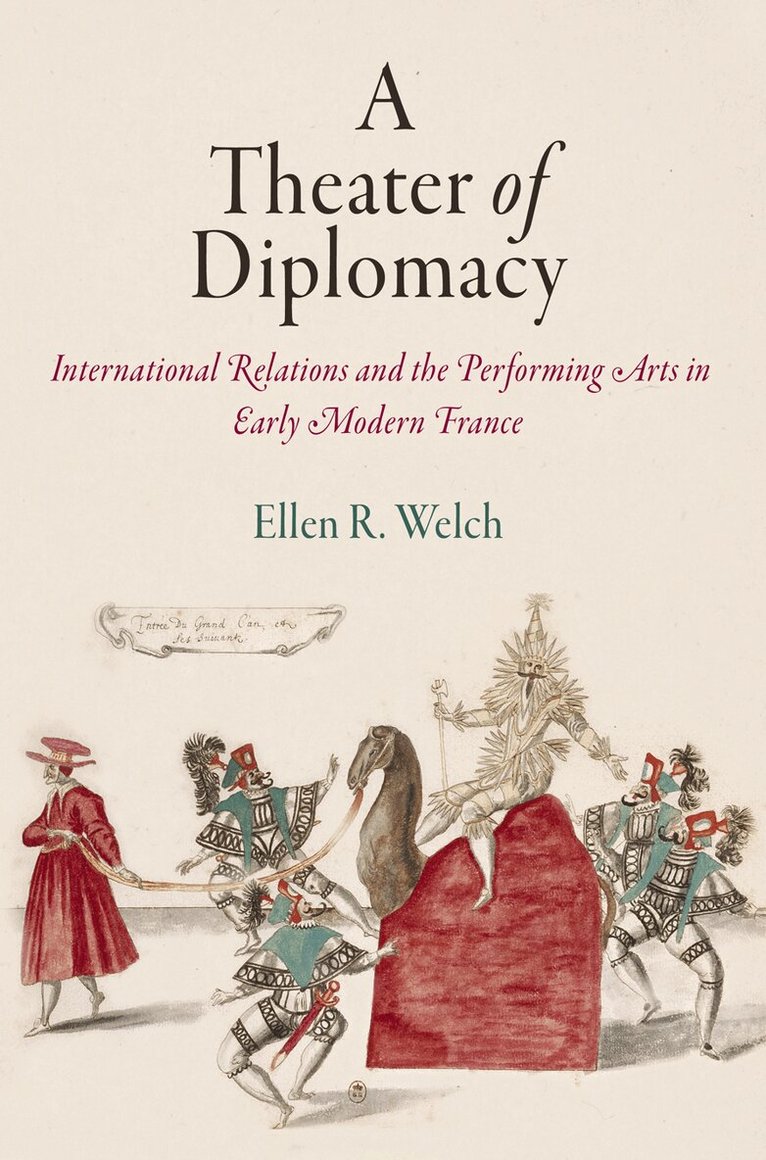
Theater of Diplomacy
International Relations and the Performing Arts in Early Modern France
Inbunden, Engelska, 2017
938 kr
Skickas inom 10-15 vardagar
The seventeenth-century French diplomat FranÇois de CalliÈres once wrote that "an ambassador resembles in some way an actor exposed on the stage to the eyes of the public in order to play great roles." The comparison of the diplomat to an actor became commonplace as the practice of diplomacy took hold in early modern Europe. More than an abstract metaphor, it reflected the rich culture of spectacular entertainment that was a backdrop to emissaries' day-to-day lives. Royal courts routinely honored visiting diplomats or celebrated treaty negotiations by staging grandiose performances incorporating dance, music, theater, poetry, and pageantry. These entertainments-allegorical ballets, masquerade balls, chivalric tournaments, operas, and comedies-often addressed pertinent themes such as war, peace, and international unity in their subject matter. In both practice and content, the extravagant exhibitions were fully intertwined with the culture of diplomacy. But exactly what kind of diplomatic work did these spectacles perform?Ellen R. Welch contends that the theatrical and performing arts had a profound influence on the development of modern diplomatic practices in early modern Europe. Using France as a case study, Welch explores the interconnected histories of international relations and the theatrical and performing arts. Her book argues that theater served not merely as a decorative accompaniment to negotiations, but rather underpinned the practices of embodied representation, performance, and spectatorship that constituted the culture of diplomacy in this period. Through its examination of the early modern precursors to today's cultural diplomacy initiatives, her book investigates the various ways in which performance structures international politics still.
850 kr
Kommande
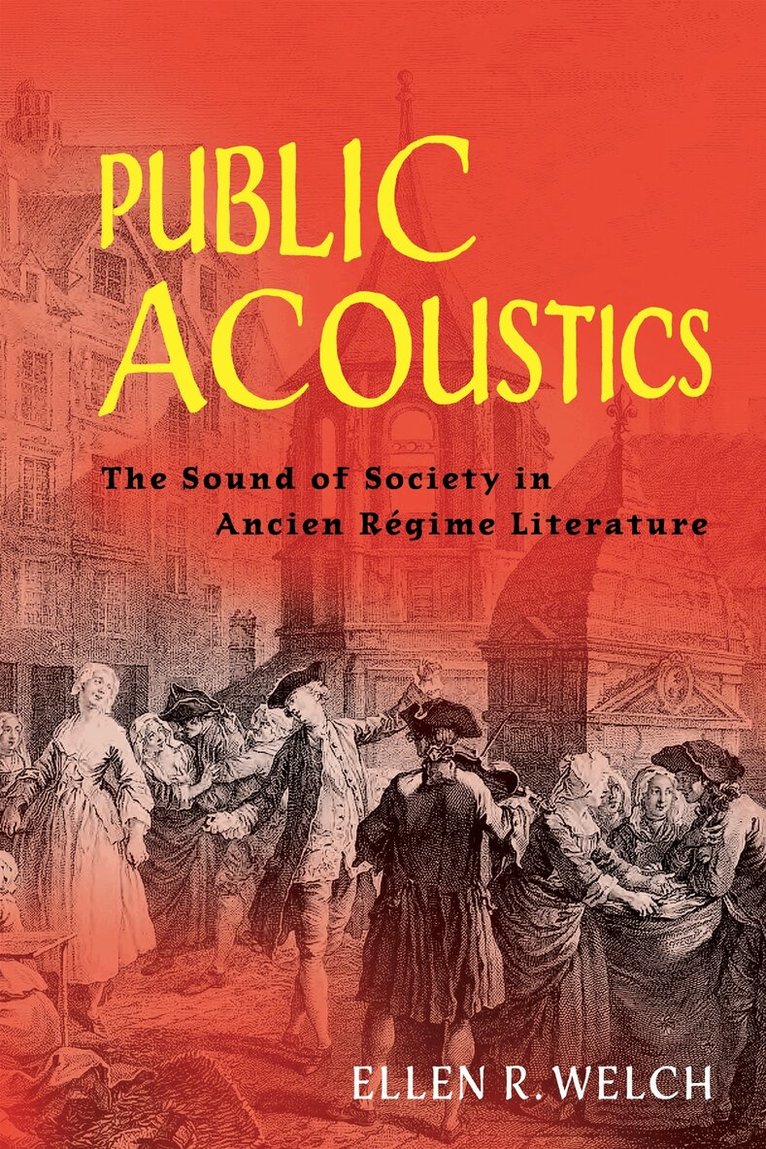
Explores how Ancien Régime writers theorized public communication through acoustic metaphorsThe salons, cafés, theaters, and print shops of Ancien Régime France have long occupied a key place in histories of the "public sphere"—that is, a cultural arena where private individuals could discuss topics of public interest. Seventeenth- and eighteenth-century French writers certainly acknowledged the emerging importance of public discussion to their society and political culture. Yet when they wrote about contemporary public discourse, they typically used different words to describe it. Most often, they reached for a metaphor, referring to it as noise (bruit). What did it mean to characterize the public's discourse in this way?In this book, Ellen R. Welch investigates the figure of noise in Ancien Régime writing as a resource for thinking about public communication. Analyzing plays, novels, letters, essays, and chronicles, Public Acoustics explores how creative writers manipulated commonplace acoustic metaphors to reimagine the political and social force of widespread talk; the workings of informal communication networks; the ethical relationships between chattering masses and listening elites; and the psychological dynamics of these auditory social bonds. Different from traditional ideas of the public sphere, noise represents an understanding of public discussion that is less invested in its rational content than in its mobility, volume, and tone. The term also recognizes the unmanageable multiplicity of perspectives it contains. Welch's excavation of this story of the Ancien Régime's "noise" resonates with our present moment, and the chattering, tweeting, echo-chamber-bound publics engendered by digital media.
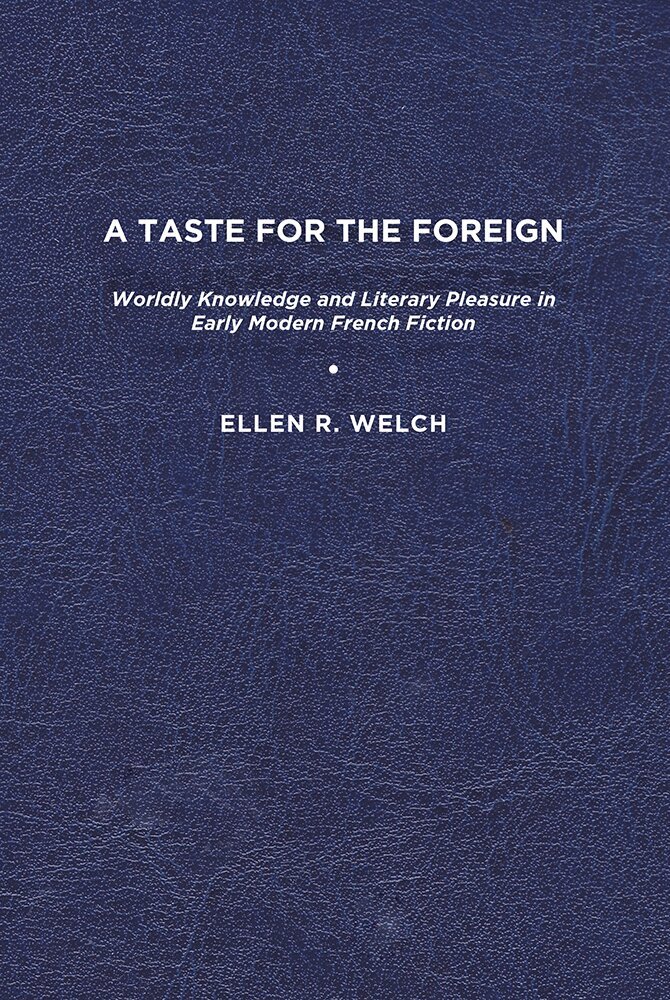
Taste for the Foreign
Worldly Knowledge and Literary Pleasure in Early Modern French Fiction
Inbunden, Engelska, 2011
1 286 kr
Skickas inom 11-20 vardagar
A Taste for the Foreign examines foreignness as a crucial aesthetic category for the development of prose fiction from Jacques Amyot's 1547 translation of The Ethiopian Story to Antoine Galland's early eighteenth-century version of The Thousand and One Nights. While fantastic storylines and elements of magic were increasingly shunned by a neo-classicist literary culture that valued verisimilitude above all else, writers and critics surmised that the depiction of exotic lands could offer a superior source for the novelty, variety, and marvelousness that constituted fiction's appeal. In this sense, early modern fiction presents itself as privileged site for thinking through the literary and cultural stakes of exoticism, or the taste for the foreign. Long before the term exoticism came into common parlance in France, fiction writers thus demonstrated their understanding of the special kinds of aesthetic pleasure produced by evocations of foreignness, developing techniques to simulate those delights through imitations of the exotic. As early modern readers eagerly consumed travel narratives, maps, and international newsletters, novelists discovered ways to blur the distinction between true and imaginary representations of the foreign, tantalizing readers with an illusion of learning about the faraway lands that captured their imaginations.This book analyzes the creative appropriations of those scientific or documentary forms of writing that claimed to inform the French public about exotic places. Concentrating on the most successful examples of some of the most important sub-genres of prose fiction in the long seventeenth century—heroic romances, shorter urban novels, fictional memoirs, and extraordinary voyages—the book examines how these types of fiction creatively appropriate the scientific or documentary forms of writing that claimed to inform the French public about exotic places.Published by University of Delaware Press. Distributed worldwide by Rutgers University Press.
Taste for the Foreign
Worldly Knowledge and Literary Pleasure in Early Modern French Fiction
Häftad, Engelska, 2011
589 kr
Skickas inom 10-15 vardagar
A Taste for the Foreign examines foreignness as a crucial aesthetic category for the development of prose fiction from Jacques Amyot's 1547 translation of The Ethiopian Story to Antoine Galland's early eighteenth-century version of The Thousand and One Nights. While fantastic storylines and elements of magic were increasingly shunned by a neo-classicist literary culture that valued verisimilitude above all else, writers and critics surmised that the depiction of exotic lands could offer a superior source for the novelty, variety, and marvelousness that constituted fiction's appeal. In this sense, early modern fiction presents itself as privileged site for thinking through the literary and cultural stakes of exoticism, or the taste for the foreign. Long before the term exoticism came into common parlance in France, fiction writers thus demonstrated their understanding of the special kinds of aesthetic pleasure produced by evocations of foreignness, developing techniques to simulate those delights through imitations of the exotic. As early modern readers eagerly consumed travel narratives, maps, and international newsletters, novelists discovered ways to blur the distinction between true and imaginary representations of the foreign, tantalizing readers with an illusion of learning about the faraway lands that captured their imaginations.This book analyzes the creative appropriations of those scientific or documentary forms of writing that claimed to inform the French public about exotic places. Concentrating on the most successful examples of some of the most important sub-genres of prose fiction in the long seventeenth century—heroic romances, shorter urban novels, fictional memoirs, and extraordinary voyages—the book examines how these types of fiction creatively appropriate the scientific or documentary forms of writing that claimed to inform the French public about exotic places.Published by University of Delaware Press. Distributed worldwide by Rutgers University Press.