Ellen Rosand – författare
Visar alla böcker från författaren Ellen Rosand. Handla med fri frakt och snabb leverans.
10 produkter
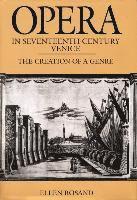
Opera in Seventeenth-Century Venice
The Creation of a Genre
Av Ellen Rosand
Häftad, 2007
735 kr
Lägg i varukorg
Ellen Rosand shows how opera, born of courtly entertainment, took root in the special social and economic environment of seventeenth-century Venice and there developed the stylistic and aesthetic characteristics we recognize as opera today. With ninety-one music examples, most of them complete …
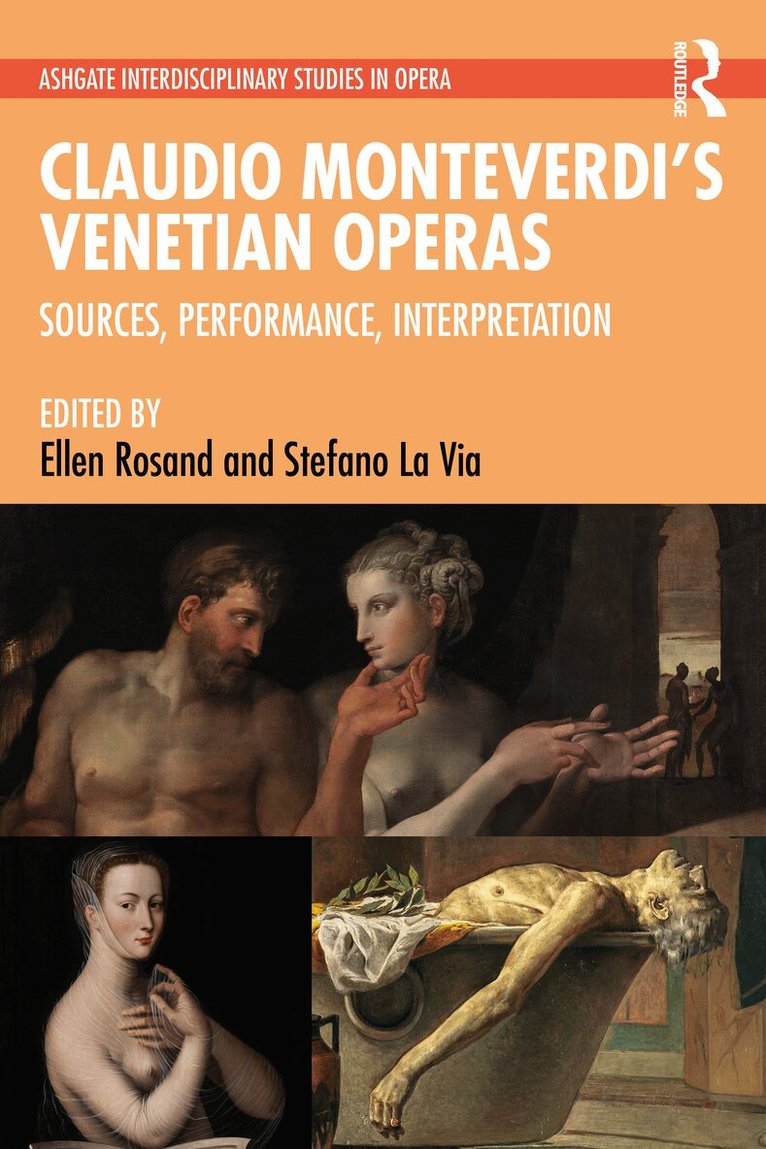
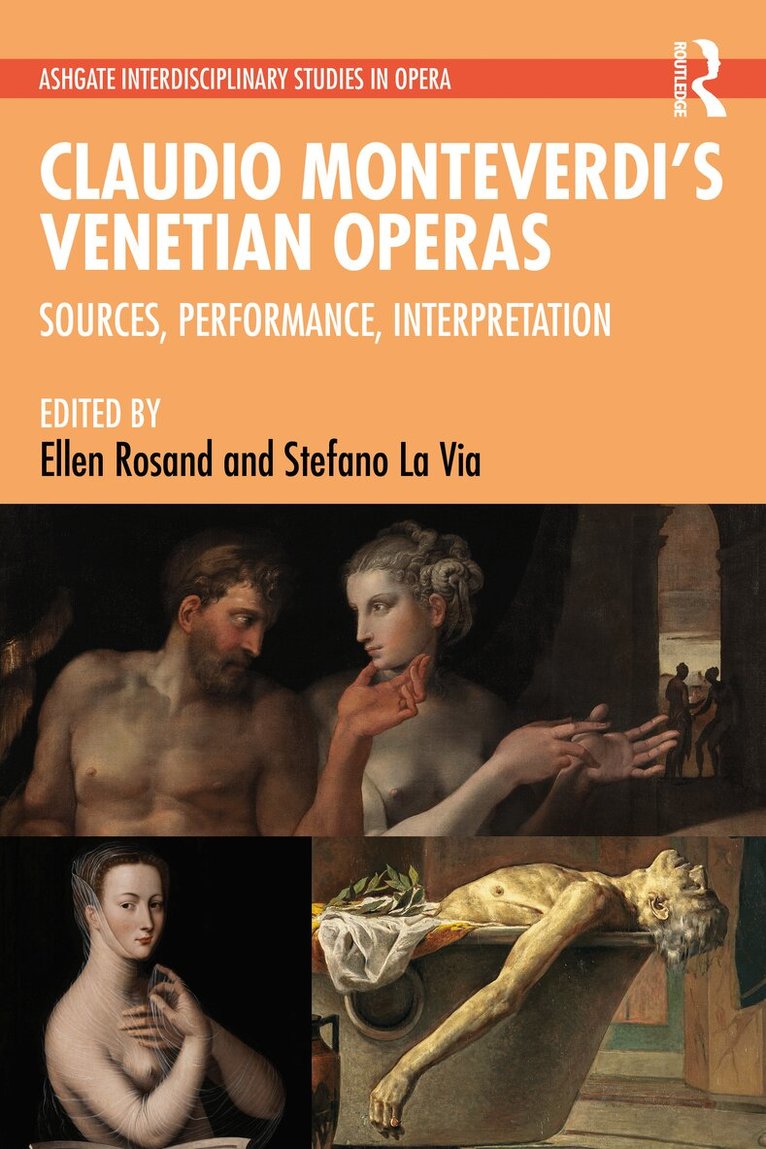
Claudio Monteverdi’s Venetian Operas
Sources, Performance, Interpretation
Av Ellen Rosand, Stefano La Via
Inbunden, 2022
2888 kr
Lägg i varukorg
Claudio Monteverdi’s Venetian Operas features chapters by a group of scholars and performers of varied backgrounds and specialties, who confront the various questions raised by Monteverdi’s late operas from an interdisciplinary perspective. The premise of the volume is the idea that constructive …
Claudio Monteverdi's Venetian Operas
Sources, Performance, Interpretation
Av Stefano La Via, Ellen Rosand
E-bok, 2022
876 kr
Lägg i varukorg
Claudio Monteverdi’s Venetian Operas features chapters by a group of scholars and performers of varied backgrounds and specialties, who confront the various questions raised by Monteverdi’s late operas from an interdisciplinary perspective. The premise of the volume is the idea that constructive …
Claudio Monteverdi's Venetian Operas
Sources, Performance, Interpretation
Av Stefano La Via, Ellen Rosand
E-bok, 2022
876 kr
Lägg i varukorg
Claudio Monteverdi’s Venetian Operas features chapters by a group of scholars and performers of varied backgrounds and specialties, who confront the various questions raised by Monteverdi’s late operas from an interdisciplinary perspective. The premise of the volume is the idea that constructive …
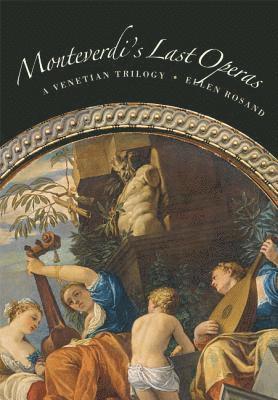
Monteverdi's Last Operas: A Venetian Trilogy
Av Ellen Rosand
Inbunden, 2007
759 kr
Lägg i varukorg
Claudio Monteverdi (1567-1643) was the first important composer of opera. This innovative study by one of the foremost experts on Monteverdi and seventeenth-century opera examines the composer's celebrated final works - "Il ritorno d'Ulisse" (1640) and "L'incoronazione di Poppea" (1642) - from a …
Claudio Monteverdi’s Venetian Operas
Sources, Performance, Interpretation
Av Ellen Rosand, Stefano La Via
Häftad, 2024
742 kr
Lägg i varukorg
Claudio Monteverdi’s Venetian Operas features chapters by a group of scholars and performers of varied backgrounds and specialties, who confront the various questions raised by Monteverdi’s late operas from an interdisciplinary perspective. The premise of the volume is the idea that constructive …
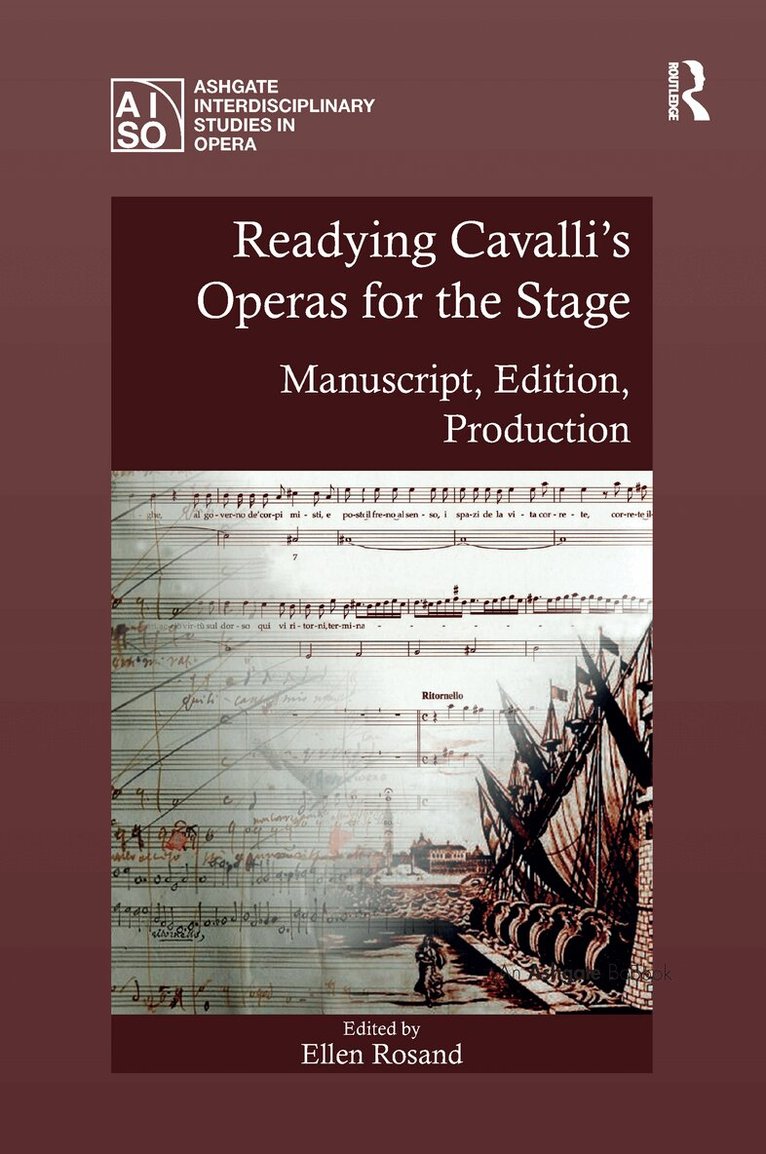
Readying Cavalli's Operas for the Stage
Manuscript, Edition, Production
Av Ellen Rosand
Häftad, 2016
949 kr
Lägg i varukorg
After more than three centuries of silence, the voice of Francesco Cavalli is being heard loud and clear on the operatic stages of the world. The coincidence of productions at La Scala (Milan) and Covent Garden (London) in the same month (September 2008) of two different operas signals a new stage …
Readying Cavalli's Operas for the Stage
Manuscript, Edition, Production
Av Ellen Rosand
E-bok, 2017
1124 kr
Lägg i varukorg
After more than three centuries of silence, the voice of Francesco Cavalli is being heard loud and clear on the operatic stages of the world. The coincidence of productions at La Scala (Milan) and Covent Garden (London) in the same month (September 2008) of two different operas signals a new stage …
Readying Cavalli's Operas for the Stage
Manuscript, Edition, Production
Av Ellen Rosand
E-bok, 2017
1124 kr
Lägg i varukorg
After more than three centuries of silence, the voice of Francesco Cavalli is being heard loud and clear on the operatic stages of the world. The coincidence of productions at La Scala (Milan) and Covent Garden (London) in the same month (September 2008) of two different operas signals a new stage …
Readying Cavalli's Operas for the Stage
Manuscript, Edition, Production
Av Ellen Rosand
Inbunden, 2013
2818 kr
Lägg i varukorg
After more than three centuries of silence, the voice of Francesco Cavalli is being heard loud and clear on the operatic stages of the world. The coincidence of productions at La Scala (Milan) and Covent Garden (London) in the same month (September 2008) of two different operas signals a new stage …