Elliott West - Böcker
Visar alla böcker från författaren Elliott West. Handla med fri frakt och snabb leverans.
6 produkter
6 produkter
305 kr
Skickas
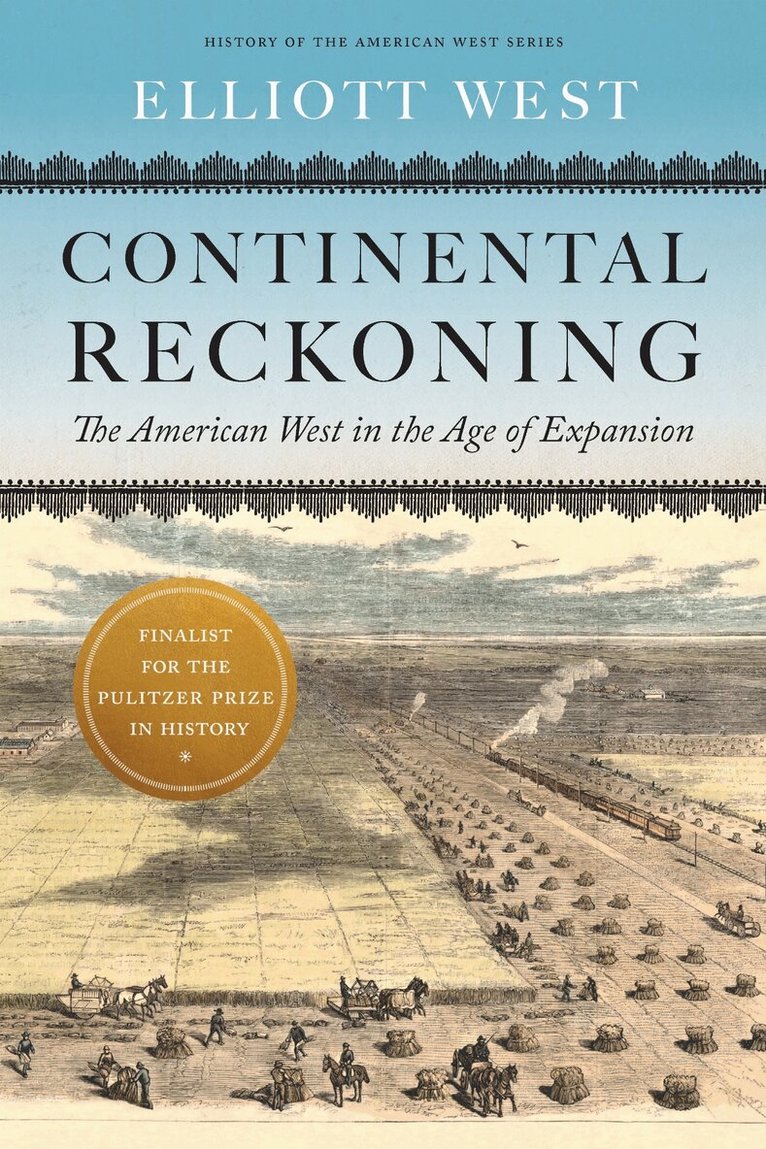
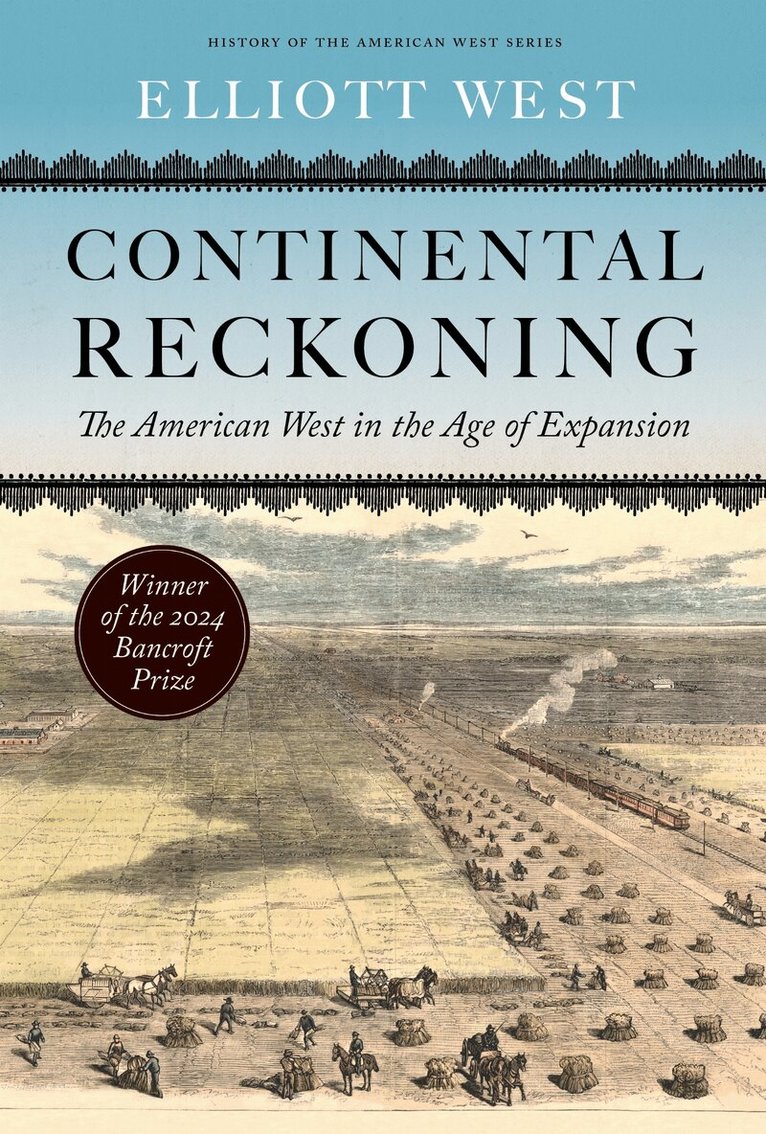
Finalist for the 2024 Pulitzer Prize in HistoryWinner of Columbia University's 2024 Bancroft Prize in American HistoryWinner of the 2024 Caughey Western History PrizeWinner of the 2024 Spur AwardNamed a Best Civil War Book of 2023 by Civil War MonitorIn Continental Reckoning renowned historian Elliott West presents a sweeping narrative of the American West and its vital role in the transformation of the nation. In the 1840s, by which time the United States had expanded to the Pacific, what would become the West was home to numerous vibrant Native cultures and vague claims by other nations. Thirty years later it was organized into states and territories and bound into the nation and world by an infrastructure of rails, telegraph wires, and roads and by a racial and ethnic order, with its Indigenous peoples largely dispossessed and confined to reservations.Unprecedented exploration uncovered the West’s extraordinary resources, beginning with the discovery of gold in California within days of the United States acquiring the territory following the Mexican-American War. As those resources were developed, often by the most modern methods and through modern corporate enterprise, half of the contiguous United States was physically transformed. Continental Reckoning guides the reader through the rippling, multiplying changes wrought in the western half of the country, arguing that these changes should be given equal billing with the Civil War in this crucial transition of national life.As the West was acquired, integrated into the nation, and made over physically and culturally, the United States shifted onto a course of accelerated economic growth, a racial reordering and redefinition of citizenship, engagement with global revolutions of science and technology, and invigorated involvement with the larger world. The creation of the West and the emergence of modern America were intimately related. Neither can be understood without the other. With masterful prose and a critical eye, West presents a fresh approach to the dawn of the American West, one of the most pivotal periods of American history.
223 kr
Skickas inom 5-8 vardagar
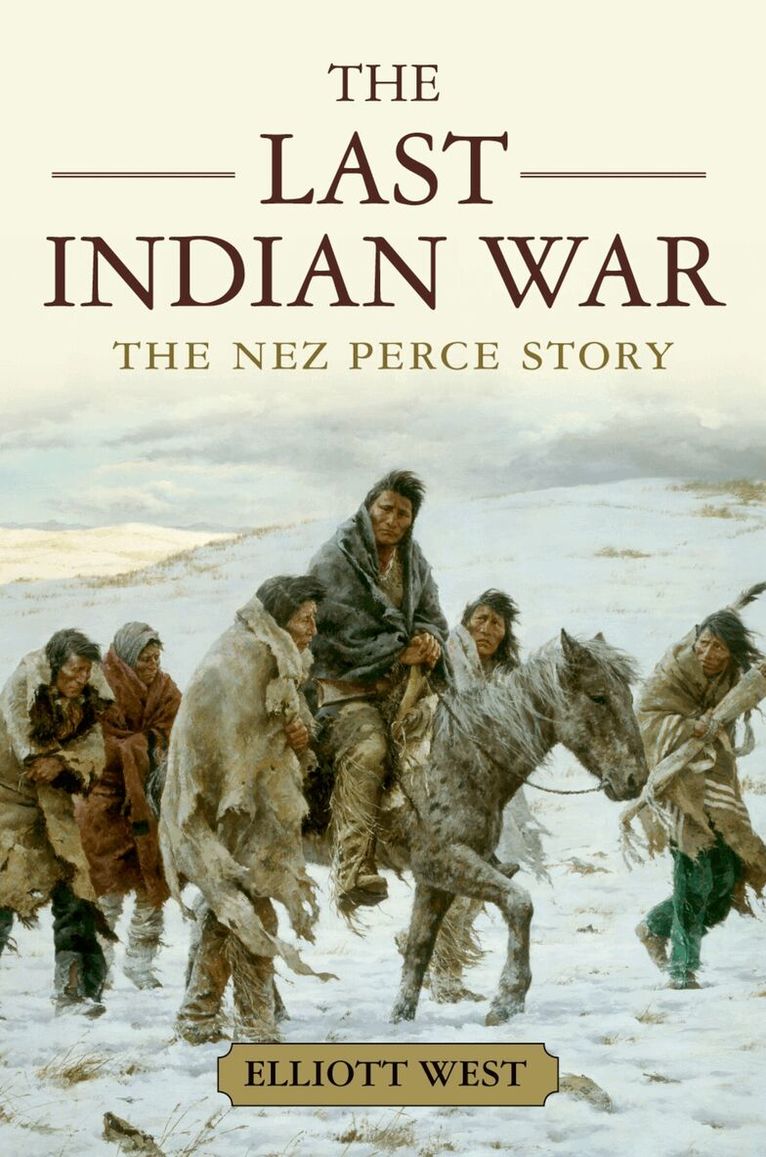
This volume in Oxford's acclaimed Pivotal Moments series offers an unforgettable portrait of the Nez Perce War of 1877, the last great Indian conflict in American history. It was, as Elliott West shows, a tale of courage and ingenuity, of desperate struggle and shattered hope, of short-sighted government action and a doomed flight to freedom.To tell the story, West begins with the early history of the Nez Perce and their years of friendly relations with white settlers. In an initial treaty, the Nez Perce were promised a large part of their ancestral homeland, but the discovery of gold led to a stampede of settlement within the Nez Perce land. Numerous injustices at the hands of the US government combined with the settlers' invasion to provoke this most accommodating of tribes to war. West offers a riveting account of what came next: the harrowing flight of 800 Nez Perce, including many women, children and elderly, across 1500 miles of mountainous and difficult terrain. He gives a full reckoning of the campaigns and battles--and the unexpected turns, brilliant stratagems, and grand heroism that occurred along the way. And he brings to life the complex characters from both sides of the conflict, including cavalrymen, officers, politicians, and--at the center of it all--the Nez Perce themselves (the Nimiipuu, "true people").
405 kr
Skickas inom 10-15 vardagar
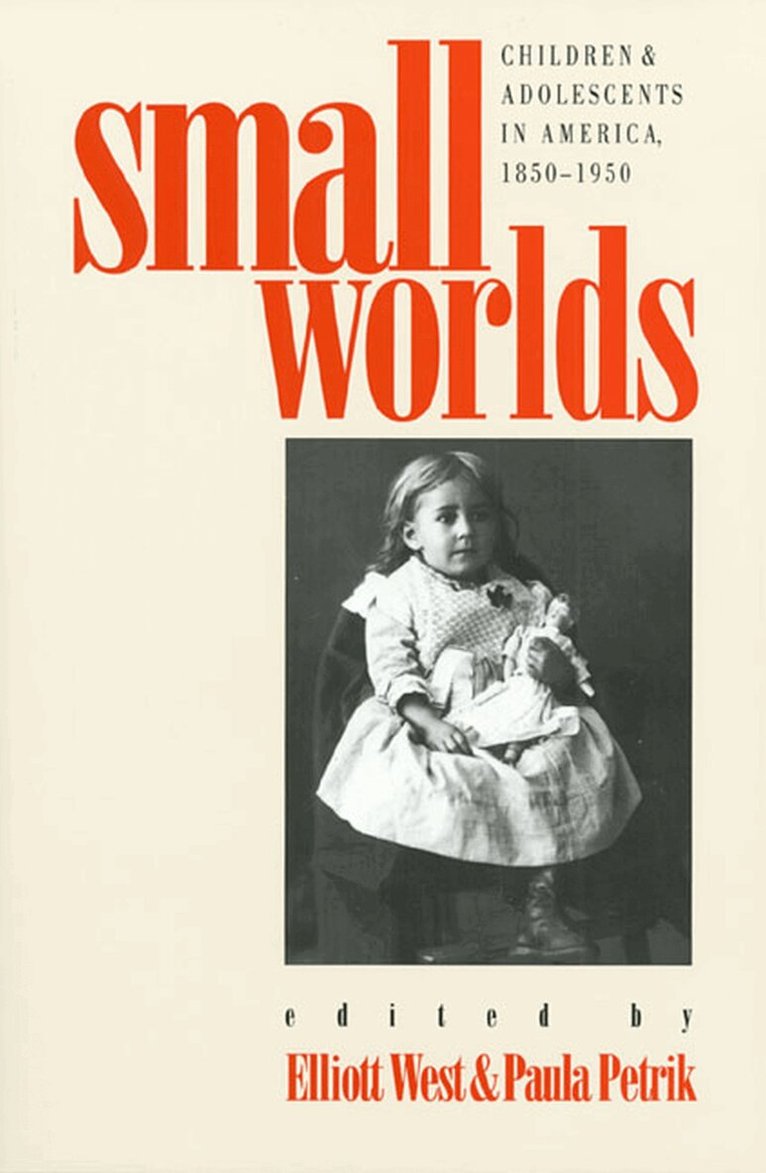
The 13 essays in ""Small Worlds"" treat children as active, influential participants in society. Here children and adolescents from the pre-Civil War generation to 1950 are seen as actors in their own right, shapers of their own history who not only mirror adult values, but also modify them. Editors Elliott West and Paula Petrik have organized the essays in ""Small Worlds"" around four topics: cultural and regional variations, toys and play, family life and the ways evolving memories of childhood shape how adults think of themselves. And, since photography provides the best record of childhood, they've added a photographic essay by Ray Hiner entitled ""Seen But Not Heard"". Young people, West and Petrik argue, performed many of the essential jobs in newly industrialized America, and they continued to play vital roles on their families' farms well into the 20th century. As a result, children have been increasingly influential in American economic life - as consumers. According to West and Petrik, the study of children also reveals how values evolve out of the mutual give-and-take between society and child in the socialization process. This enormously complex evolution continues as the child matures and, in turn, tries mightily to pass on values to a new generation of children who work just as strenuously to make up their own minds.
279 kr
Skickas inom 11-20 vardagar
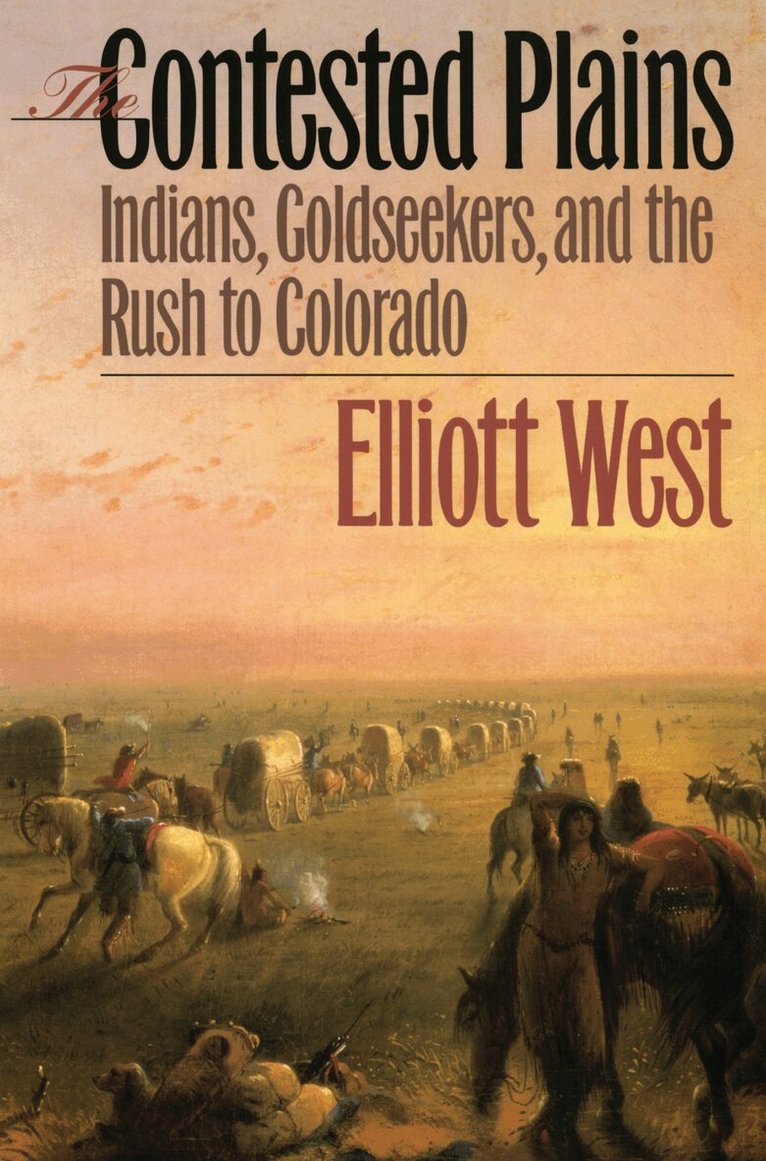
Although many books have been written about the Colorado gold rush, this one concentrates on assessing the cataclysmic changes that it brought to the Great Plains. In addition, rather than casting the story in the usual terms of heartless aggressors and hapless victims, it supplies a large and insightful interpretation that at once softens and increases our understanding of the Anglo disruption of Plains Indian cultures. The book's lucid writing and extensive research give meaning to the frontier concept that has been lambasted for 30 years or more. West's story is a story of cultural revisions - and thus the imaginations and aspirations of many people.
269 kr
Skickas inom 10-15 vardagar
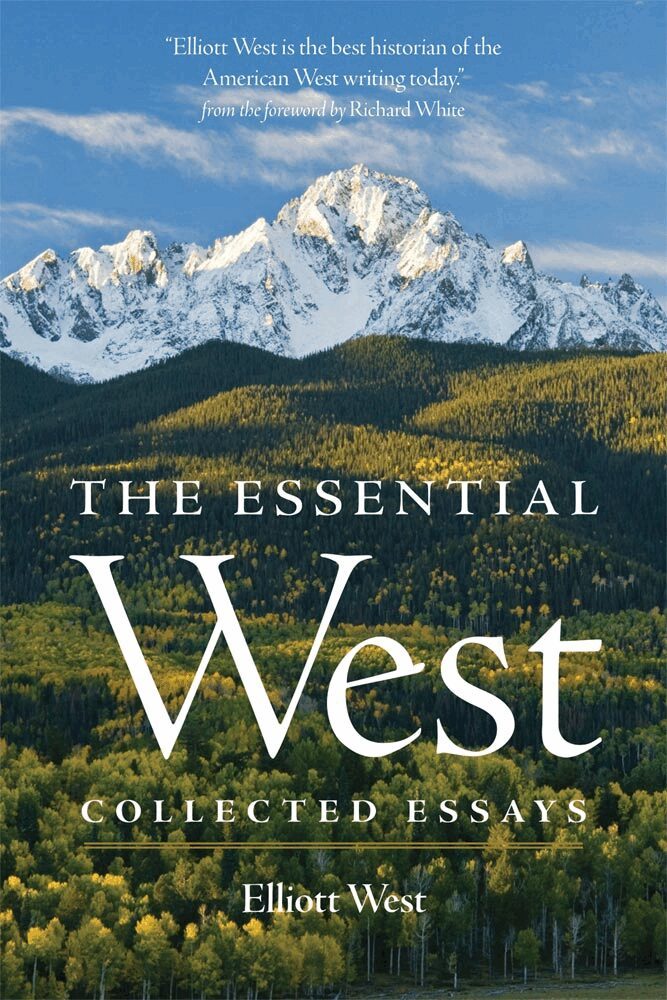
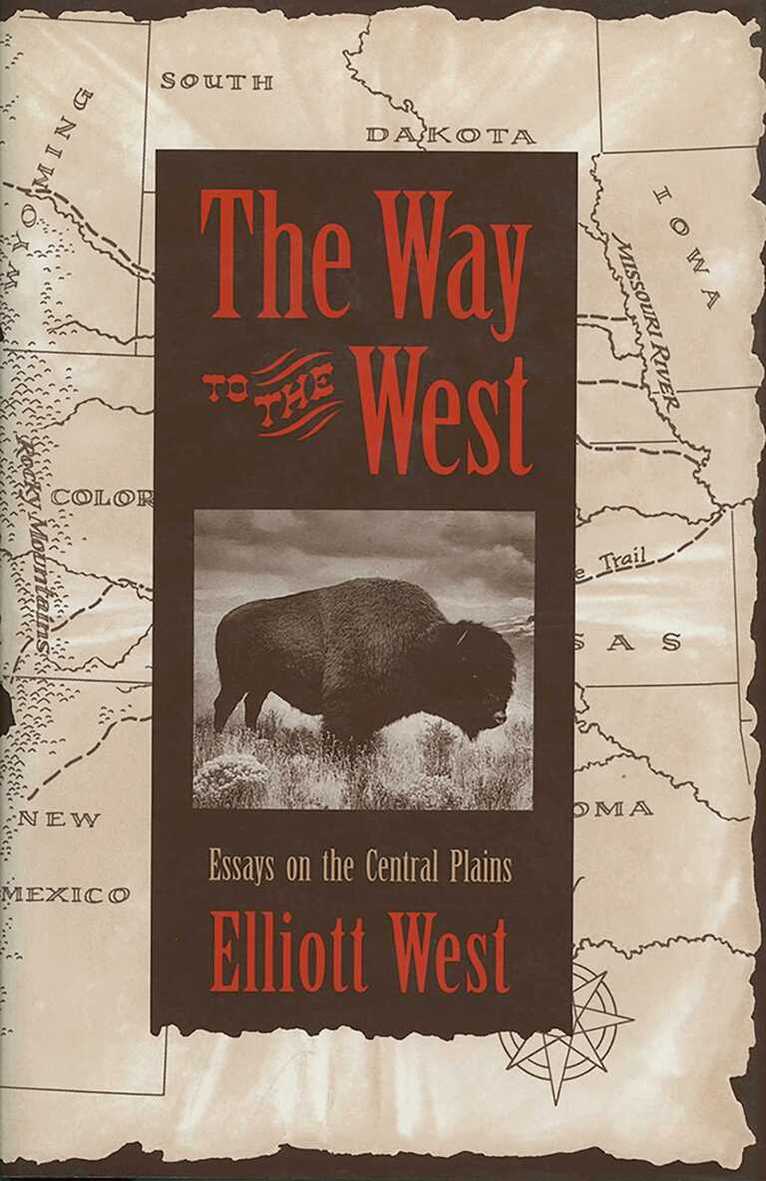
Scholars and enthusiasts of western American history have praised Elliott West as a distinguished historian and an accomplished writer, and this book proves them right on both counts. Capitalizing on West's wide array of interests, this collection of his essays touches on topics ranging from viruses and the telegraph to children, bison, and Larry McMurtry. Drawing from the past three centuries, West weaves the western story into that of the nation and the world beyond, from Kansas and Montana to Haiti, Africa, and the court of Louis XV. Divided into three sections, the volume begins with conquest. West is not the first historian to write about Lewis and Clark, but he is the first to contrast their expedition with Mungo Park's contemporaneous journey in Africa. ""The Lewis and Clark expedition,"" West begins, ""is one of the most overrated events in American history - and one of the most revealing."" The humor of this insightful essay is a chief characteristic of the whole book, which comprises ten chapters previously published in major journals and magazines - but revised for this edition - and four brand-new ones. West is well known for his writings about frontier family life, especially the experiences of children at work and play. Fans of his earlier books on these subjects will not be disappointed. In a final section, he looks at the West of myth and imagination, in part to show that our fantasies about the West are worth studying precisely because they have been so at odds with the real West. In essays on buffalo, Jesse James and the McMurtry novel Lonesome Dove, West directs his formidable powers to subjects that continue to shape our understanding - and often our misunderstanding - of the American West, past and present.
475 kr
Skickas inom 3-6 vardagar
Finalist for the 2024 Pulitzer Prize in HistoryWinner of Columbia University's 2024 Bancroft Prize in American HistoryWinner of the 2024 Caughey Western History PrizeWinner of the 2024 Spur AwardNamed a Best Civil War Book of 2023 by Civil War MonitorIn Continental Reckoning renowned historian Elliott West presents a sweeping narrative of the American West and its vital role in the transformation of the nation. In the 1840s, by which time the United States had expanded to the Pacific, what would become the West was home to numerous vibrant Native cultures and vague claims by other nations. Thirty years later it was organized into states and territories and bound into the nation and world by an infrastructure of rails, telegraph wires, and roads and by a racial and ethnic order, with its Indigenous peoples largely dispossessed and confined to reservations.Unprecedented exploration uncovered the West’s extraordinary resources, beginning with the discovery of gold in California within days of the United States acquiring the territory following the Mexican-American War. As those resources were developed, often by the most modern methods and through modern corporate enterprise, half of the contiguous United States was physically transformed. Continental Reckoning guides the reader through the rippling, multiplying changes wrought in the western half of the country, arguing that these changes should be given equal billing with the Civil War in this crucial transition of national life.As the West was acquired, integrated into the nation, and made over physically and culturally, the United States shifted onto a course of accelerated economic growth, a racial reordering and redefinition of citizenship, engagement with global revolutions of science and technology, and invigorated involvement with the larger world. The creation of the West and the emergence of modern America were intimately related. Neither can be understood without the other. With masterful prose and a critical eye, West presents a fresh approach to the dawn of the American West, one of the most pivotal periods of American history.