Elliott Young – författare
Visar alla böcker från författaren Elliott Young. Handla med fri frakt och snabb leverans.
14 produkter
Forever Prisoners
How the United States Made the World's Largest Immigrant Detention System
Inbunden, 2021
534 kr
Lägg i varukorg
Stories of non-US citizens caught in the jaws of the immigration bureaucracy and subject to indefinite detention are in the headlines daily. These men, women, and children remain almost completely without rights, unprotected by law and the Constitution, and their status as outsiders, even though …
Forever Prisoners
How the United States Made the World's Largest Immigrant Detention System
E-bok, 2020
370 kr
Lägg i varukorg
Stories of non-US citizens caught in the jaws of the immigration bureaucracy and subject to indefinite detention are in the headlines daily. These men, women, and children remain almost completely without rights, unprotected by law and the Constitution, and their status as outsiders, even though …
Forever Prisoners
How the United States Made the World's Largest Immigrant Detention System
E-bok, 2020
370 kr
Lägg i varukorg
Stories of non-US citizens caught in the jaws of the immigration bureaucracy and subject to indefinite detention are in the headlines daily. These men, women, and children remain almost completely without rights, unprotected by law and the Constitution, and their status as outsiders, even though …
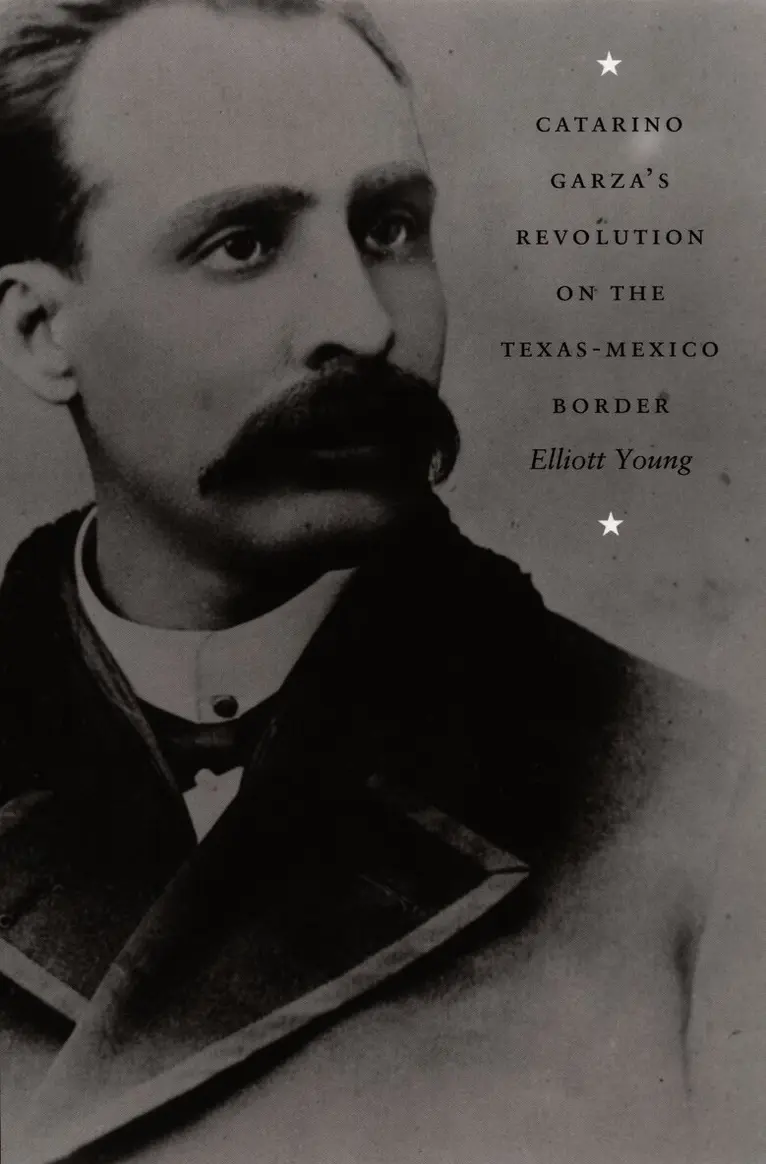
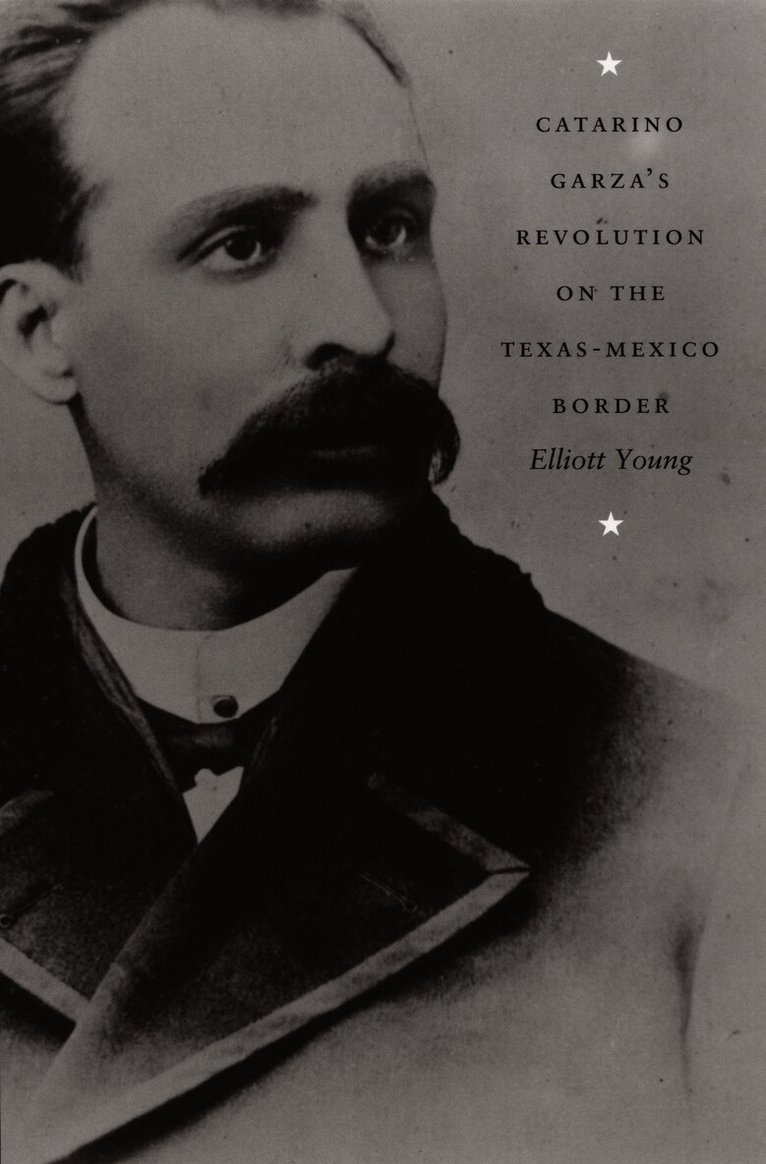
Catarino Garza's Revolution on the Texas-Mexico Border
Häftad, 2004
651 kr
Lägg i varukorg
Catarino Garza’s Revolution on the Texas-Mexico Border rescues an understudied episode from the footnotes of history. On September 15, 1891, Garza, a Mexican journalist and political activist, led a band of Mexican rebels out of South Texas and across the Rio Grande, declaring a revolution against …
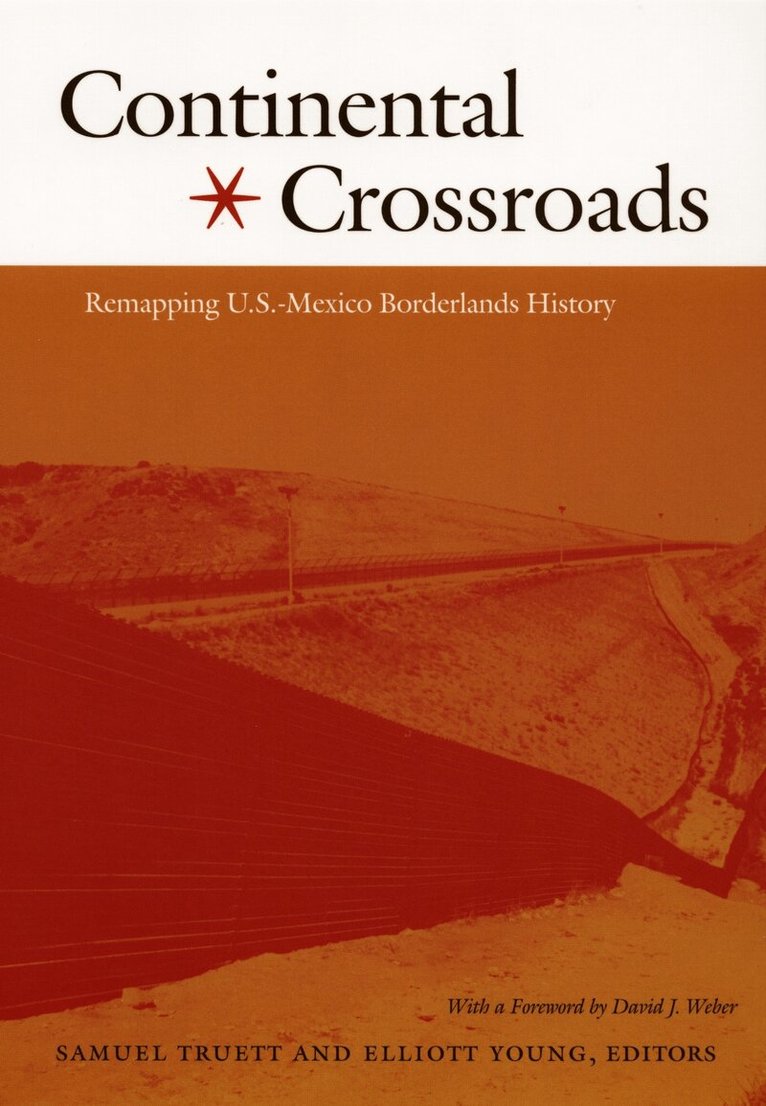
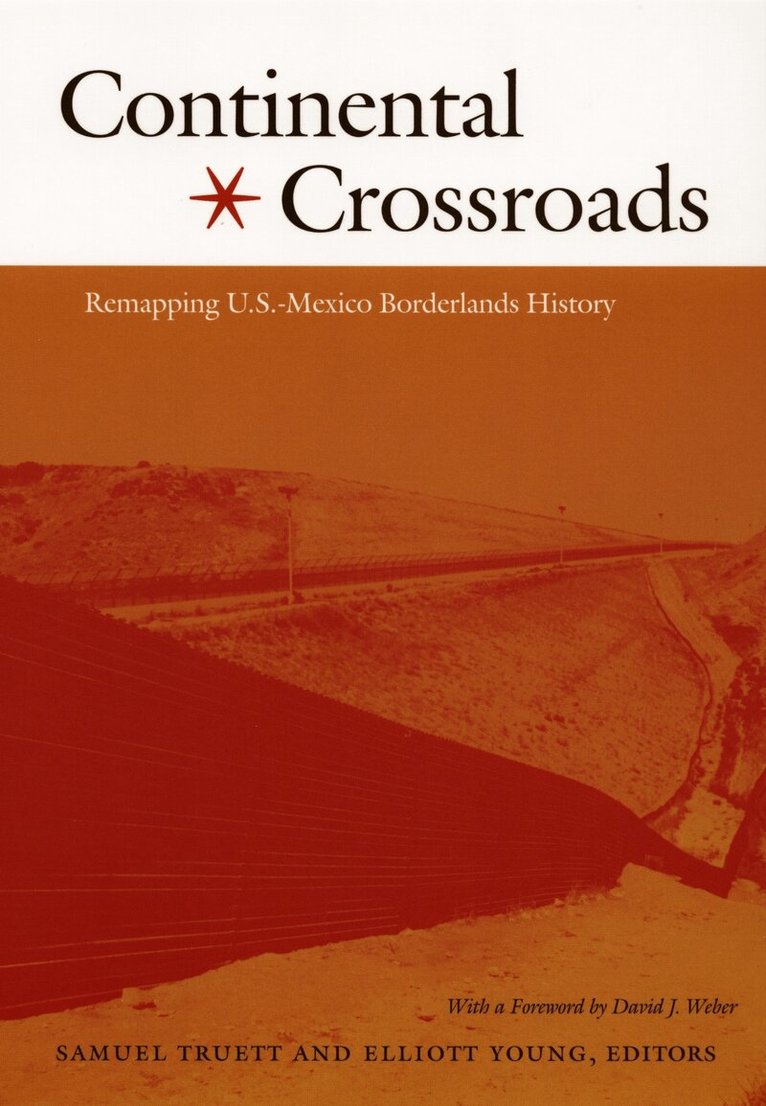
Continental Crossroads
Remapping U.S.-Mexico Borderlands History
Av Samuel Truett, Elliott Young
Häftad, 2004
651 kr
Lägg i varukorg
Published in Cooperation with the William P. Clements Center for Southwest Studies, Southern Methodist University.The U.S.-Mexico borderlands have long supported a web of relationships that transcend the U.S. and Mexican nations. Yet national histories usually overlook these complex connections. …
Continental Crossroads
Remapping U.S.-Mexico Borderlands History
Av Elliott Young, Samuel Truett
E-bok, 2004
671 kr
Lägg i varukorg
Published in Cooperation with the William P. Clements Center for Southwest Studies, Southern Methodist University. The U.S.-Mexico borderlands have long supported a web of relationships that transcend the U.S. and Mexican nations. Yet national histories usually overlook these complex connections. …
Catarino Garza's Revolution on the Texas-Mexico Border
E-bok, 2004
671 kr
Lägg i varukorg
Catarino Garza’s Revolution on the Texas-Mexico Border rescues an understudied episode from the footnotes of history. On September 15, 1891, Garza, a Mexican journalist and political activist, led a band of Mexican rebels out of South Texas and across the Rio Grande, declaring a revolution against …
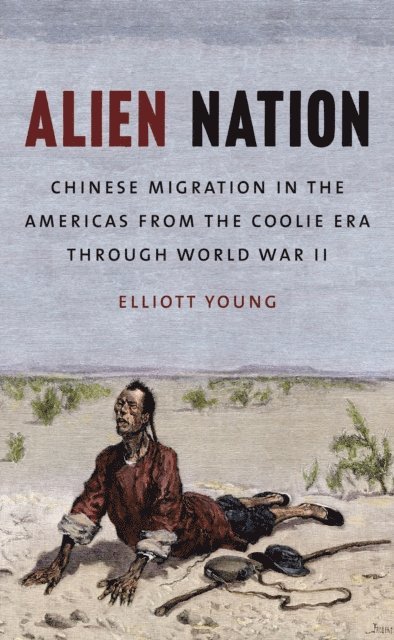
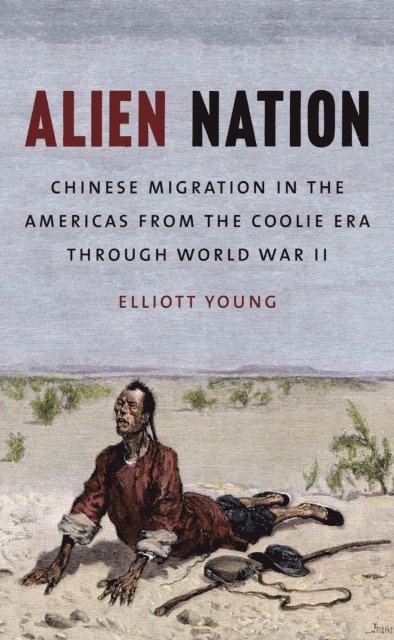
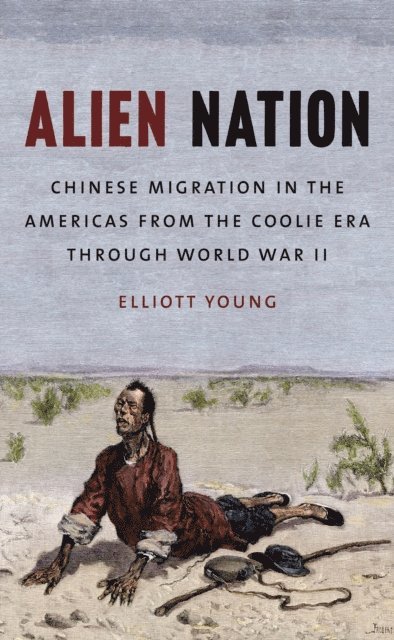
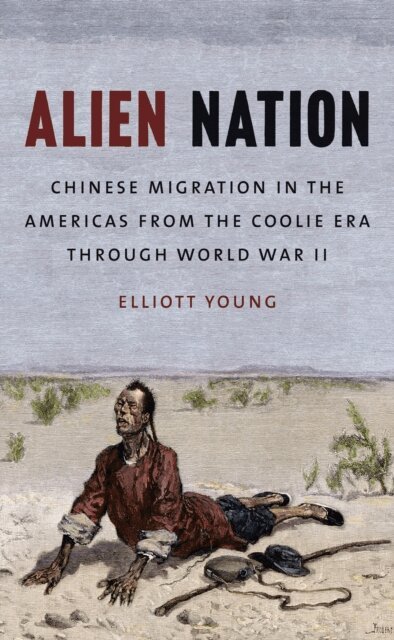
Alien Nation
Chinese Migration in the Americas from the Coolie Era Through World War II
Häftad, 2014
459 kr
Lägg i varukorg
In this sweeping work, Elliott Young traces the pivotal century of Chinese migration to the Americas, beginning with the 1840s at the start of the "coolie" trade and ending during World War II. The Chinese came as laborers, streaming across borders legally and illegally and working jobs few others …
Alien Nation
Chinese Migration in the Americas from the Coolie Era through World War II
E-bok, 2014
1169 kr
Lägg i varukorg
In this sweeping work, Elliott Young traces the pivotal century of Chinese migration to the Americas, beginning with the 1840s at the start of the “coolie” trade and ending during World War II. The Chinese came as laborers, streaming across borders legally and illegally and working jobs few others …
Alien Nation
Chinese Migration in the Americas from the Coolie Era through World War II
E-bok, 2014
337 kr
Lägg i varukorg
In this sweeping work, Elliott Young traces the pivotal century of Chinese migration to the Americas, beginning with the 1840s at the start of the “coolie” trade and ending during World War II. The Chinese came as laborers, streaming across borders legally and illegally and working jobs few others …
Alien Nation
Chinese Migration in the Americas from the Coolie Era through World War II
E-bok, 2014
887 kr
Lägg i varukorg
In this sweeping work, Elliott Young traces the pivotal century of Chinese migration to the Americas, beginning with the 1840s at the start of the “coolie” trade and ending during World War II. The Chinese came as laborers, streaming across borders legally and illegally and working jobs few others …
Alien Nation
Chinese Migration in the Americas from the Coolie Era through World War II
E-bok, 2014
245 kr
Lägg i varukorg
In this sweeping work, Elliott Young traces the pivotal century of Chinese migration to the Americas, beginning with the 1840s at the start of the coolie trade and ending during World War II. The Chinese came as laborers, streaming across borders legally and illegally and working jobs few others …
Catarino Garza's Revolution on the Texas-Mexico Border
Inbunden, 2004
1851 kr
Tillfälligt slut
Catarino Garza’s Revolution on the Texas-Mexico Border rescues an understudied episode from the footnotes of history. On September 15, 1891, Garza, a Mexican journalist and political activist, led a band of Mexican rebels out of South Texas and across the Rio Grande, declaring a revolution against …
Continental Crossroads
Remapping U.S.-Mexico Borderlands History
Av Samuel Truett, Elliott Young
Inbunden, 2004
1361 kr
Tillfälligt slut
Published in Cooperation with the William P. Clements Center for Southwest Studies, Southern Methodist University.The U.S.-Mexico borderlands have long supported a web of relationships that transcend the U.S. and Mexican nations. Yet national histories usually overlook these complex connections. …