Elmar Altvater – författare
Visar alla böcker från författaren Elmar Altvater. Handla med fri frakt och snabb leverans.
16 produkter
Demokrati eller kapitalism? : Europa i kris
Av Elmar Altvater, Jürgen Habermas m. fl.
Häftad, 2015
4,0 utav 5 stjärnor. Totalt antal röster: (4)
216 kr
Lägg i varukorg
Europa upplever sin förmodligen allvarligaste kris sedan 1945. Den hotar såväl det europeiska integrationsprojektet som den europeiska och globala ekonomin, helt bortsett från den omfattande sociala ödeläggelse som krisen redan orsakat i länder i Europa. Vi upplever i dag en konflikt mellan nord …
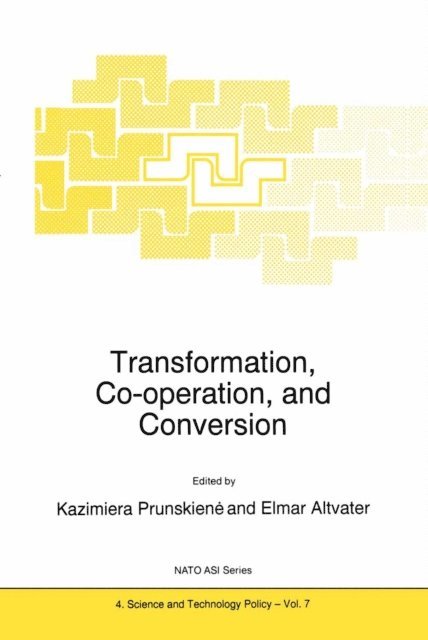
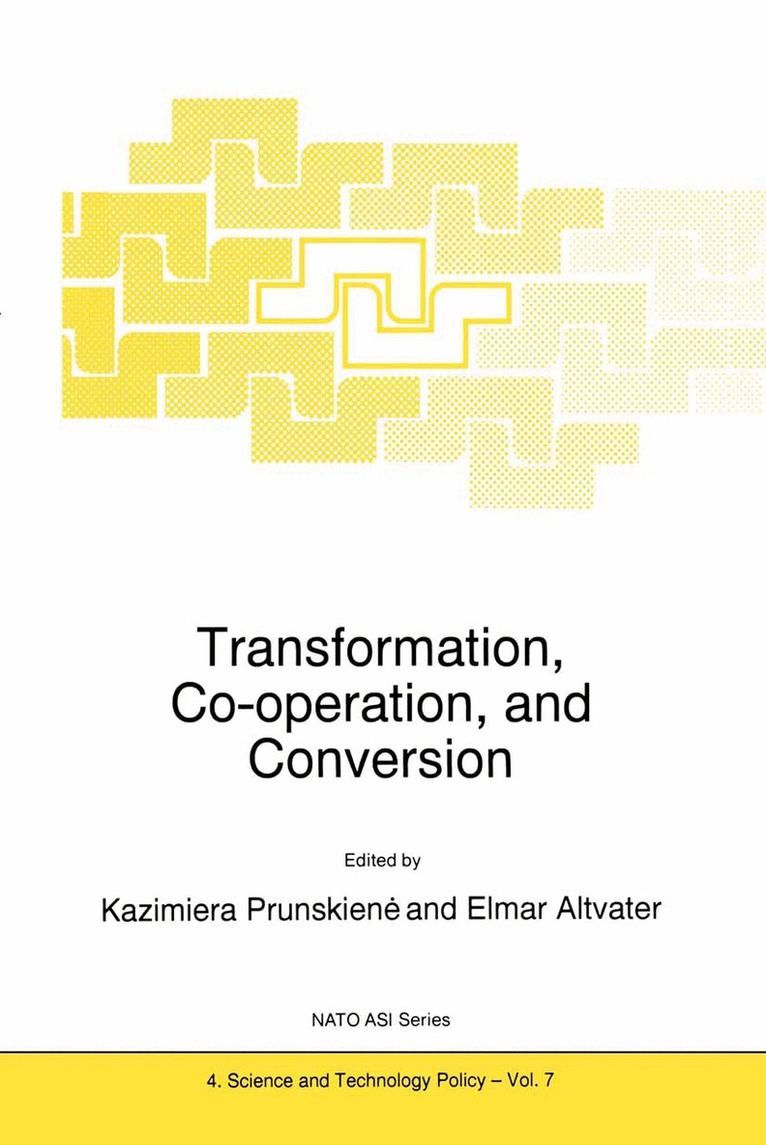
Transformation, Co-operation, and Conversion
Av Kazimiera Prunskiene, Elmar Altvater
Inbunden, 1996
1126 kr
Lägg i varukorg
The scientific-technical potential of the Baltic States and their possibilities for co operation with Europe require in-depth, specific analysis. With the deterioration of the structures of science and technology of the former Soviet Union, the severance of communications with former clients, …
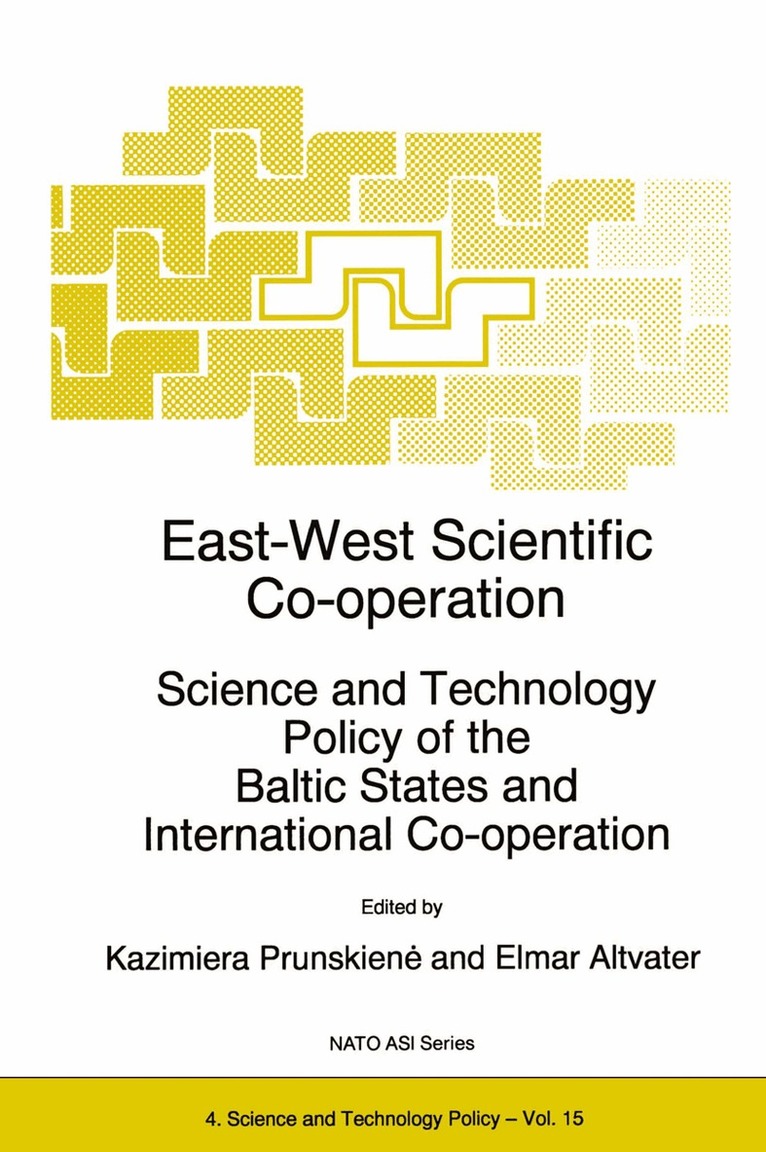
East-West Scientific Co-operation
Science and Technology Policy of the Baltic States and International Co-operation
Av Kazimiera Prunskiene, Elmar Altvater
Inbunden, 1997
1093 kr
Lägg i varukorg
All former Soviet Union countries experience their past as a heavy burden. It led to the centralization of scientific personnel, the separation of research from teaching at universities, and a concentration of certain branches of technology in different parts of the Union. This has given rise to a …
Alternative Wirtschaftspolitik jenseits des Keynesianismus
Wirtschaftspolitische Optionen der Gewerkschaften in Westeuropa
Av Michael Stanger, Kurt Hubner m. fl.
E-bok, 2013
608 kr
Lägg i varukorg
Alternative Wirtschaftspolitik jenseits des Keynesianismus
Wirtschaftspolitische Optionen der Gewerkschaften in Westeuropa
Av Elmar Altvater, Kurt Hübner m. fl.
Häftad, 1983
582 kr
Lägg i varukorg
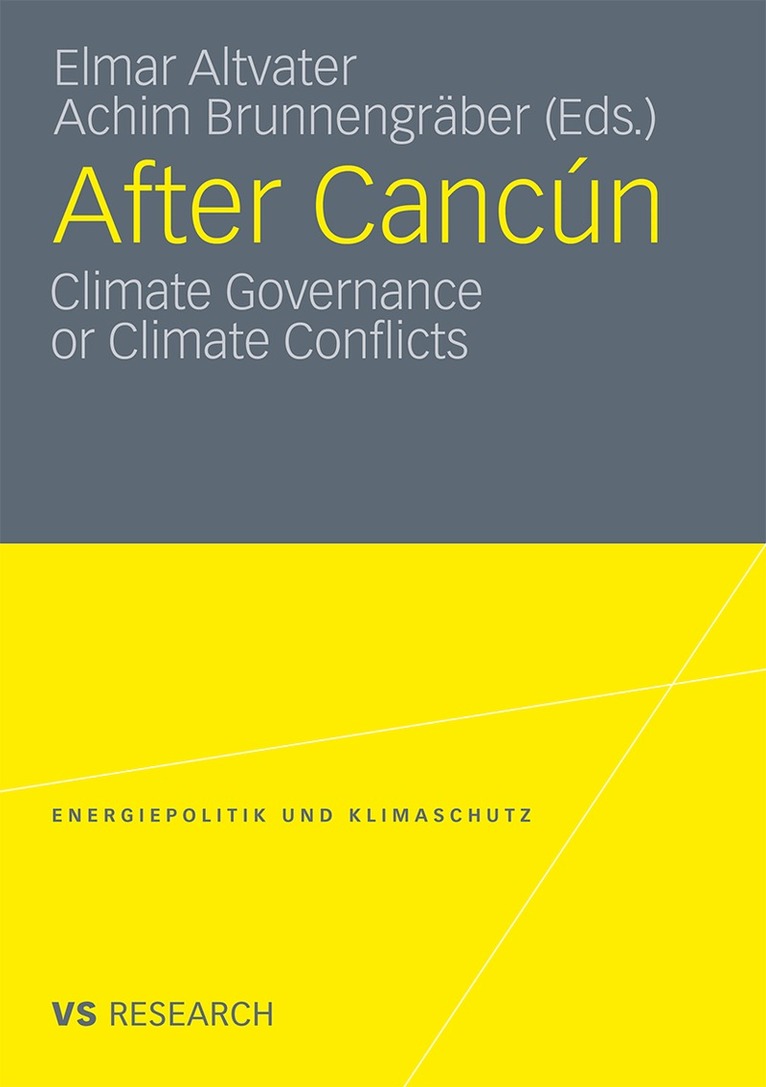
After Cancún
Climate Governance or Climate Conflicts
Av Elmar Altvater, Achim Brunnengräber
Häftad, 2011
496 kr
Lägg i varukorg
The world is facing several serious challenges at the close of the fossil and nuclear energy regime: the limited resources of cheap conventional oil can only be surmounted by tapping unconventional oil reserves, e.g. deep sea oil. The explosion of the oil platform Deepwater Horizon in 2010 and the …
After Cancun
Climate Governance or Climate Conflicts
Av Achim Brunnengraber, Elmar Altvater
E-bok, 2011
652 kr
Lägg i varukorg
The world is facing several serious challenges at the close of the fossil and nuclear energy regime: the limited resources of cheap conventional oil can only be surmounted by tapping unconventional oil reserves, e.g. deep sea oil. The explosion of the oil platform Deepwater Horizon in 2010 and the …
Die Dialektik der Ausbeutung
Ohne Ausbeutung keine Moderne, mit Ausbeutung keine Zukunft
E-bok, 2014
19 kr
Lägg i varukorg
Elmar Altvater erklärt in seinem Kursbuch-Beitrag, warum inkludierende Ausbeutung womöglich besser ist als die Exklusion aus allen Ausbeutungsverhältnissen.
Pengarnas frihet : om finanskrisens politiska ekonomi
Av Wolfgang Schmidt, Elmar Altvater m. fl.
Häftad, 2009
203 kr
Lägg i varukorg
Avregleringar och liberaliseringar skulle frigöra kapitalets skapande kraft. Istället sveper den djupaste ekonomiska krisen sedan 30-talet fram över världen. Euforin över de fria marknadskrafternas självreglerande förmåga har lagt sig, men vad är det som händer? Pengarnas frihet innehåller texter …
Transformation, Co-operation, and Conversion
Av Elmar Altvater, Kazimiera Prunskiene
E-bok, 2012
1459 kr
Lägg i varukorg
The scientific-technical potential of the Baltic States and their possibilities for co operation with Europe require in-depth, specific analysis. With the deterioration of the structures of science and technology of the former Soviet Union, the severance of communications with former clients, …
East-West Scientific Co-operation
Science and Technology Policy of the Baltic States and International Co-operation
Av Kazimiera Prunskiene, Elmar Altvater
Häftad, 2012
1093 kr
Lägg i varukorg
All former Soviet Union countries experience their past as a heavy burden. It led to the centralisation of scientific personnel, the separation of research from teaching at universities, and a concentration of certain branches of technology in different parts of the Union. This has given rise to a …
Transformation, Co-operation, and Conversion
Av Kazimiera Prunskiene, Elmar Altvater
Häftad, 2011
1093 kr
Lägg i varukorg
The scientific-technical potential of the Baltic States and their possibilities for co operation with Europe require in-depth, specific analysis. With the deterioration of the structures of science and technology of the former Soviet Union, the severance of communications with former clients, …
East-West Scientific Co-operation
Science and Technology Policy of the Baltic States and International Co-operation
Av Elmar Altvater, Kazimiera Prunskiene
E-bok, 2013
1418 kr
Lägg i varukorg
All former Soviet Union countries experience their past as a heavy burden. It led to the centralisation of scientific personnel, the separation of research from teaching at universities, and a concentration of certain branches of technology in different parts of the Union. This has given rise to a …
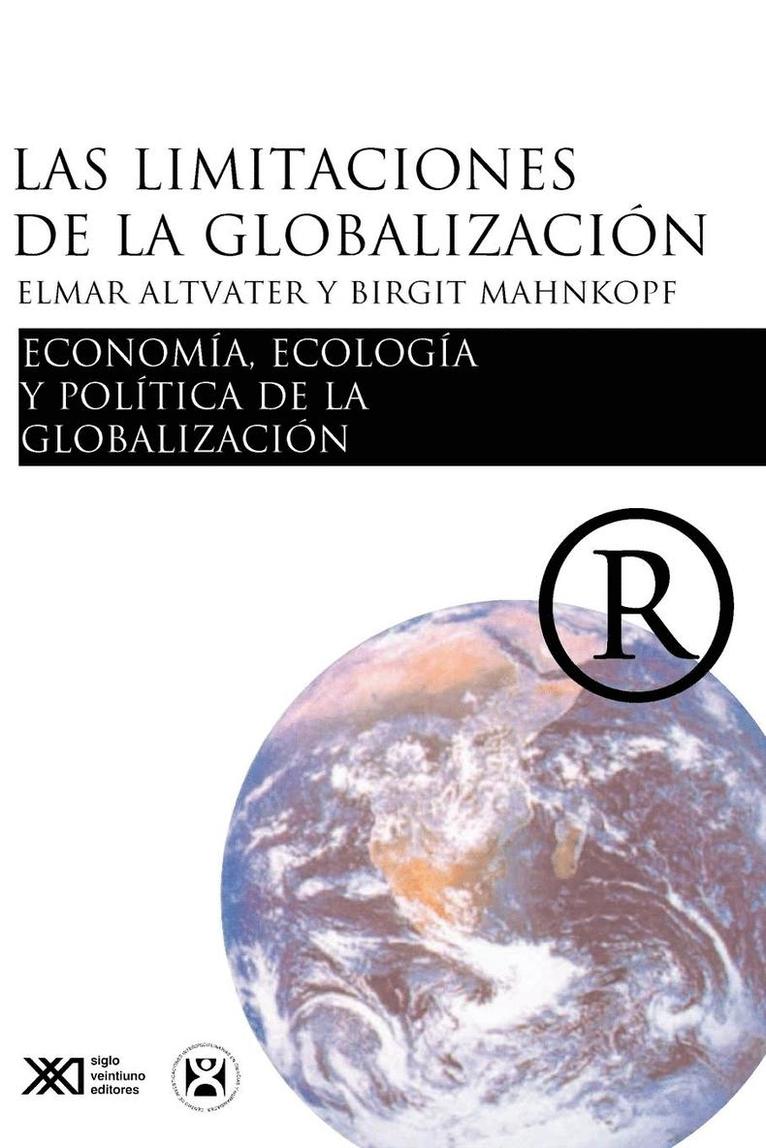
limitaciones de la globalizacion
Av Elmar Altvater, Brigitte Mahnkopf
Häftad, 2002
292 kr
Lägg i varukorg
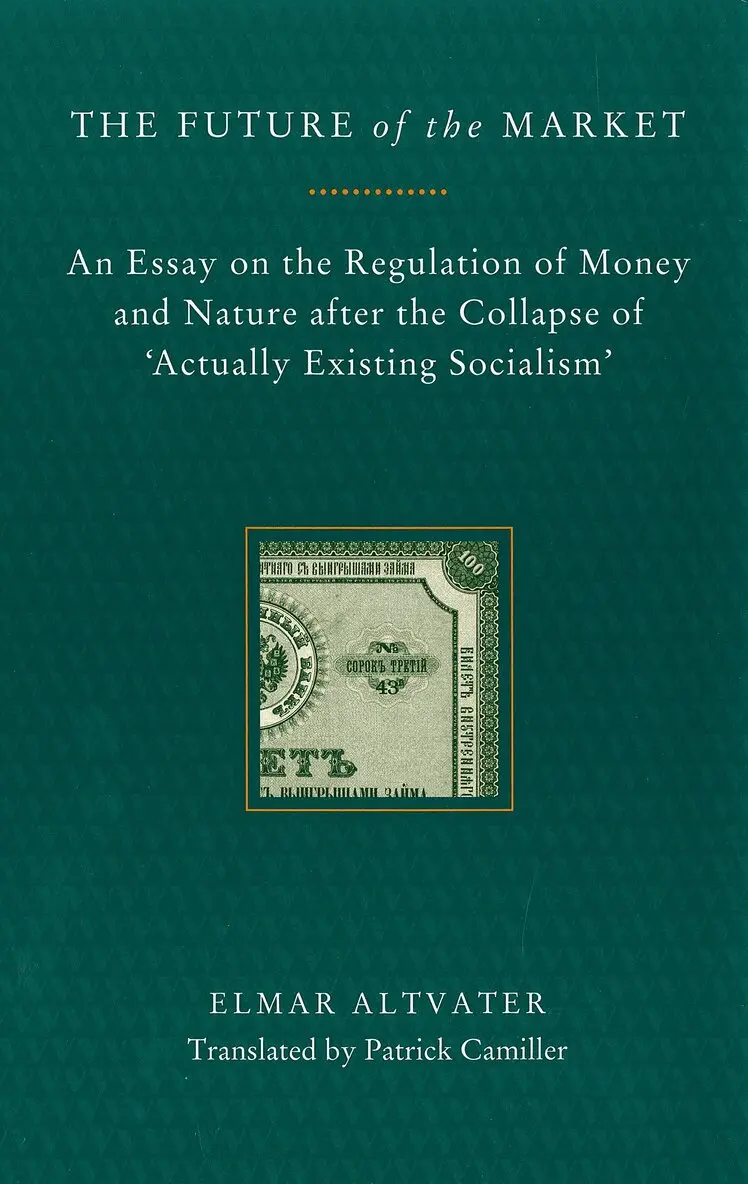
Future of the Market
An Essay on the Regulation of Money and Nature After the Collapse of ‘Actually Existing Socialism’
Häftad, 1993
175 kr
Tillfälligt slut
In this book Elmar Altvater, one of Germany's leading radical economists, considers the discordant state of the capitalist world today, drawing on both green and socialist economics.The end of 'actually existing socialism' has been widely hailed as confirmation of the supremacy of market forces. …