Kazimiera Prunskiene – författare
Visar alla böcker från författaren Kazimiera Prunskiene. Handla med fri frakt och snabb leverans.
6 produkter
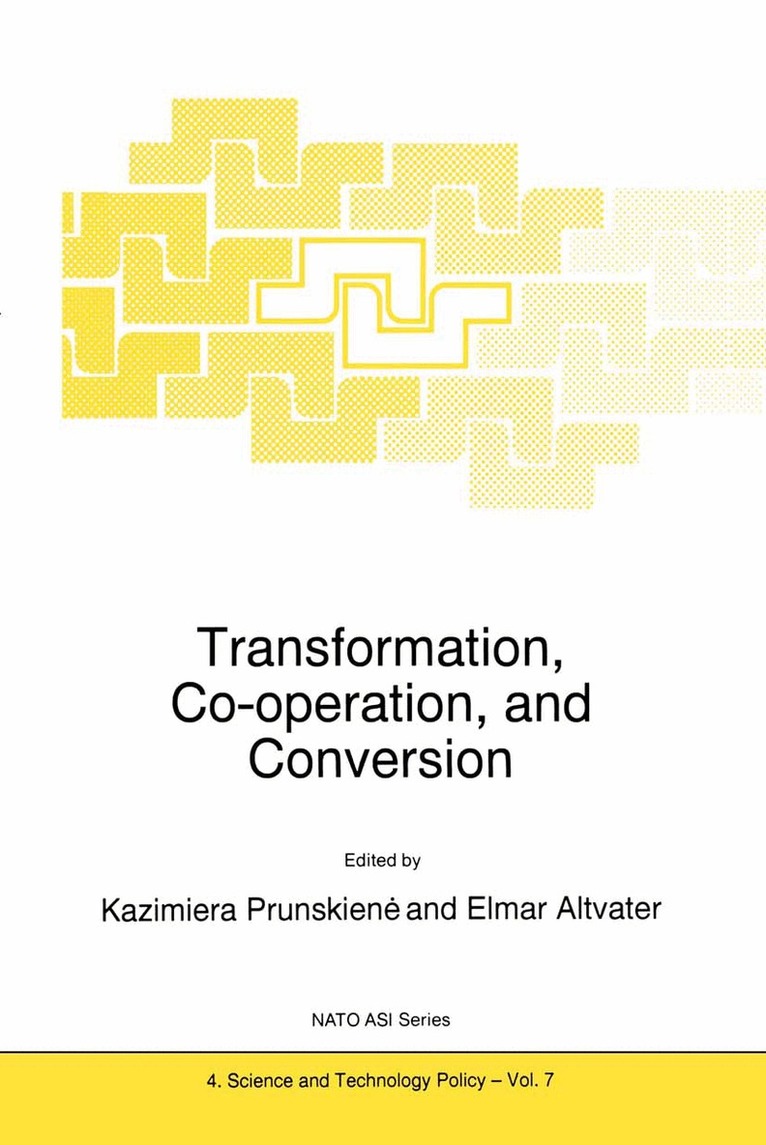
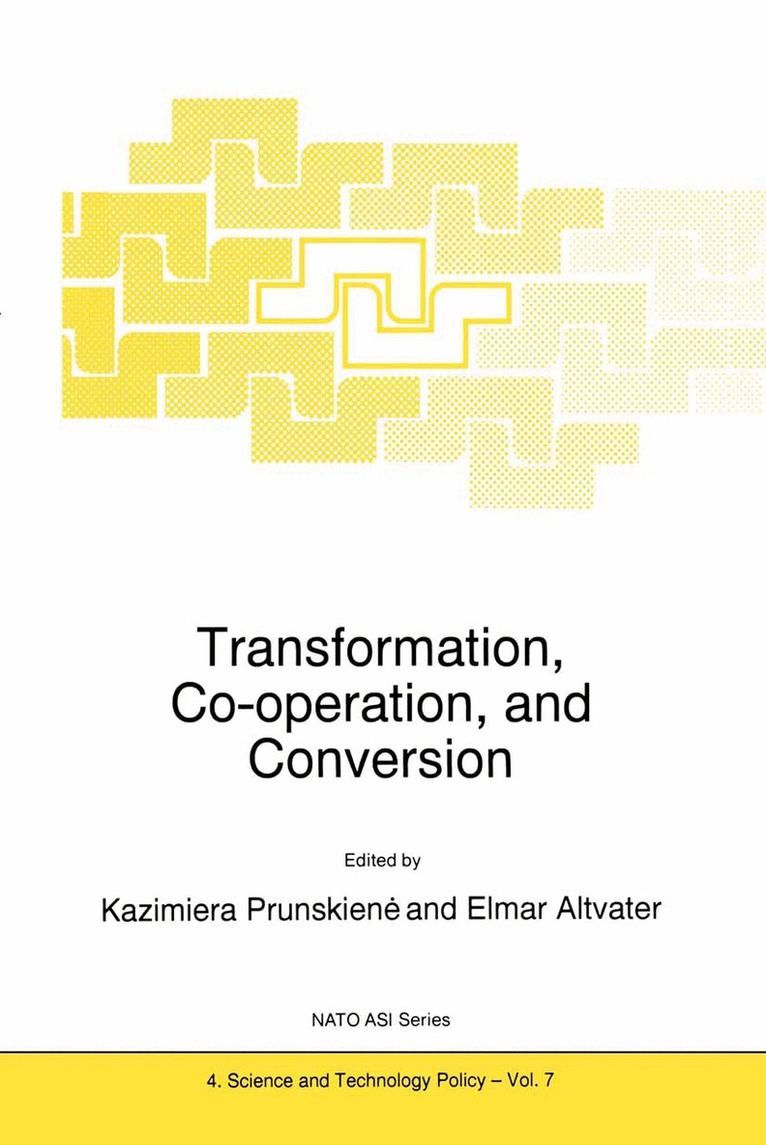
Transformation, Co-operation, and Conversion
Av Kazimiera Prunskiene, Elmar Altvater
Inbunden, 1996
1126 kr
Lägg i varukorg
The scientific-technical potential of the Baltic States and their possibilities for co operation with Europe require in-depth, specific analysis. With the deterioration of the structures of science and technology of the former Soviet Union, the severance of communications with former clients, …
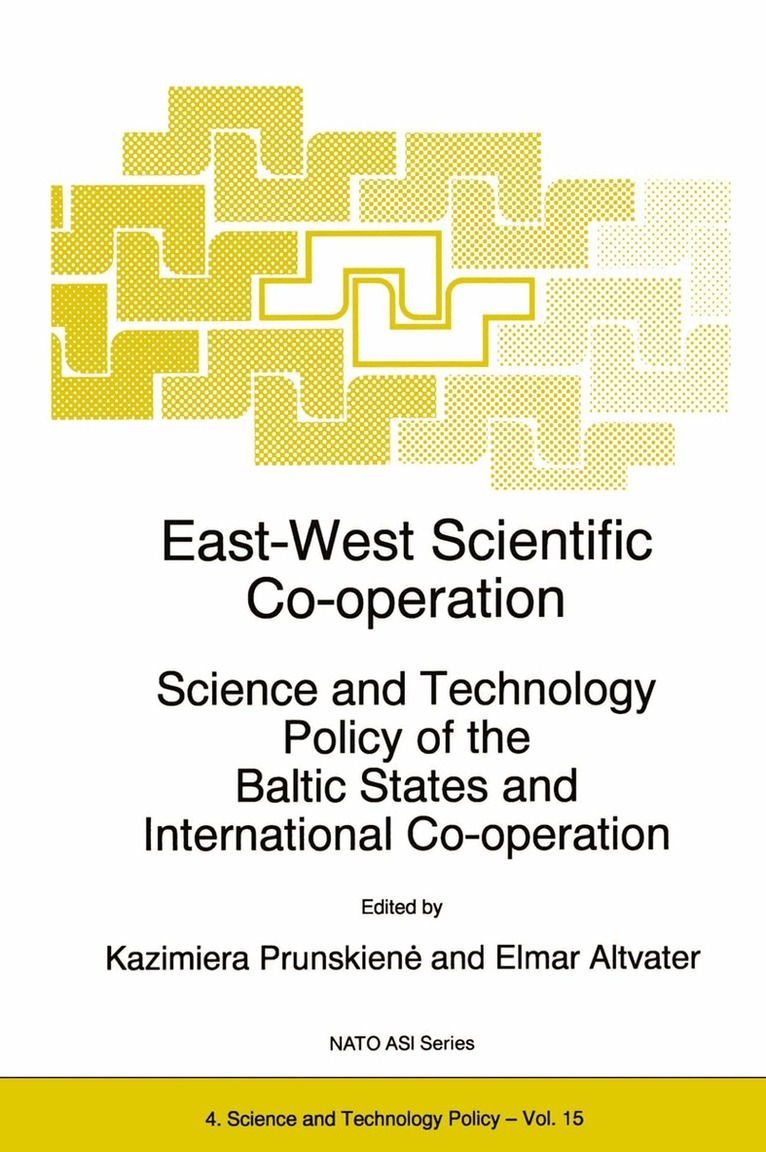
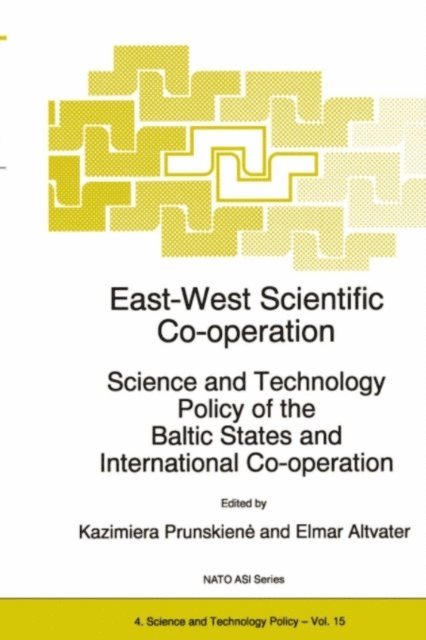
East-West Scientific Co-operation
Science and Technology Policy of the Baltic States and International Co-operation
Av Kazimiera Prunskiene, Elmar Altvater
Inbunden, 1997
1093 kr
Lägg i varukorg
All former Soviet Union countries experience their past as a heavy burden. It led to the centralization of scientific personnel, the separation of research from teaching at universities, and a concentration of certain branches of technology in different parts of the Union. This has given rise to a …
Transformation, Co-operation, and Conversion
Av Elmar Altvater, Kazimiera Prunskiene
E-bok, 2012
1459 kr
Lägg i varukorg
The scientific-technical potential of the Baltic States and their possibilities for co operation with Europe require in-depth, specific analysis. With the deterioration of the structures of science and technology of the former Soviet Union, the severance of communications with former clients, …
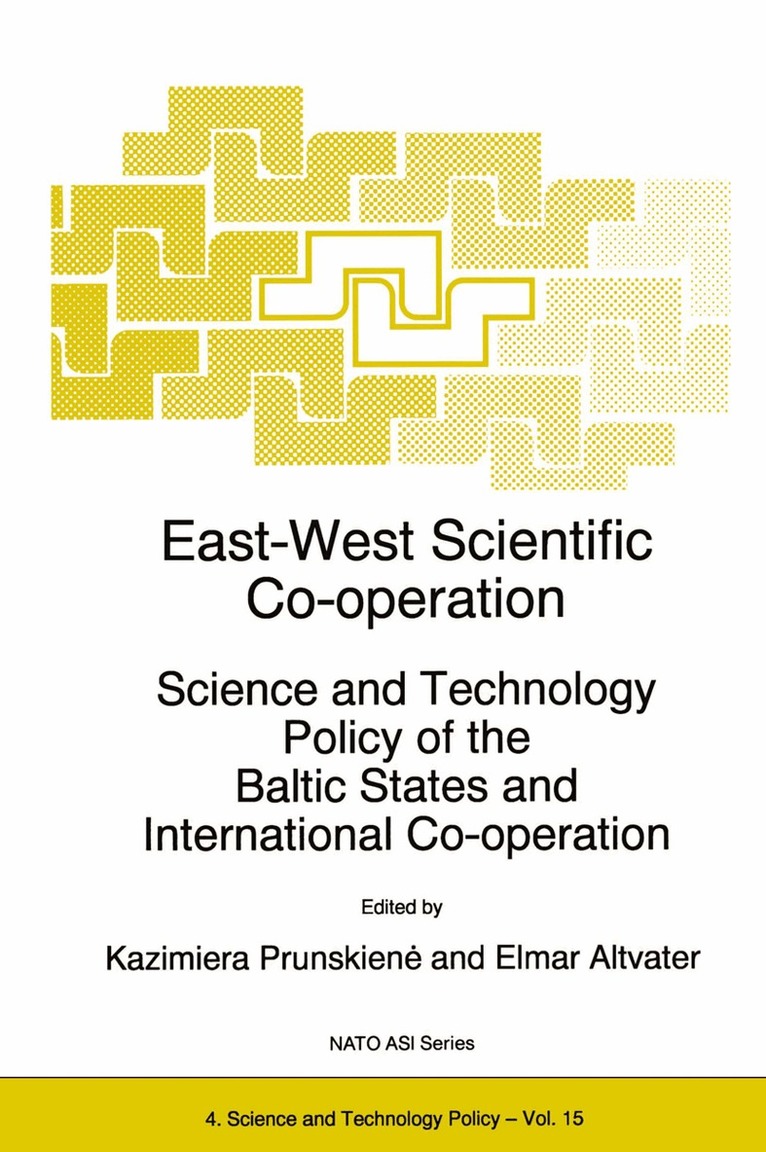
East-West Scientific Co-operation
Science and Technology Policy of the Baltic States and International Co-operation
Av Kazimiera Prunskiene, Elmar Altvater
Häftad, 2012
1093 kr
Lägg i varukorg
All former Soviet Union countries experience their past as a heavy burden. It led to the centralisation of scientific personnel, the separation of research from teaching at universities, and a concentration of certain branches of technology in different parts of the Union. This has given rise to a …
Transformation, Co-operation, and Conversion
Av Kazimiera Prunskiene, Elmar Altvater
Häftad, 2011
1093 kr
Lägg i varukorg
The scientific-technical potential of the Baltic States and their possibilities for co operation with Europe require in-depth, specific analysis. With the deterioration of the structures of science and technology of the former Soviet Union, the severance of communications with former clients, …
East-West Scientific Co-operation
Science and Technology Policy of the Baltic States and International Co-operation
Av Elmar Altvater, Kazimiera Prunskiene
E-bok, 2013
1418 kr
Lägg i varukorg
All former Soviet Union countries experience their past as a heavy burden. It led to the centralisation of scientific personnel, the separation of research from teaching at universities, and a concentration of certain branches of technology in different parts of the Union. This has given rise to a …