Elo-Hanna Seljamaa – författare
Visar alla böcker från författaren Elo-Hanna Seljamaa. Handla med fri frakt och snabb leverans.
2 produkter
2 produkter
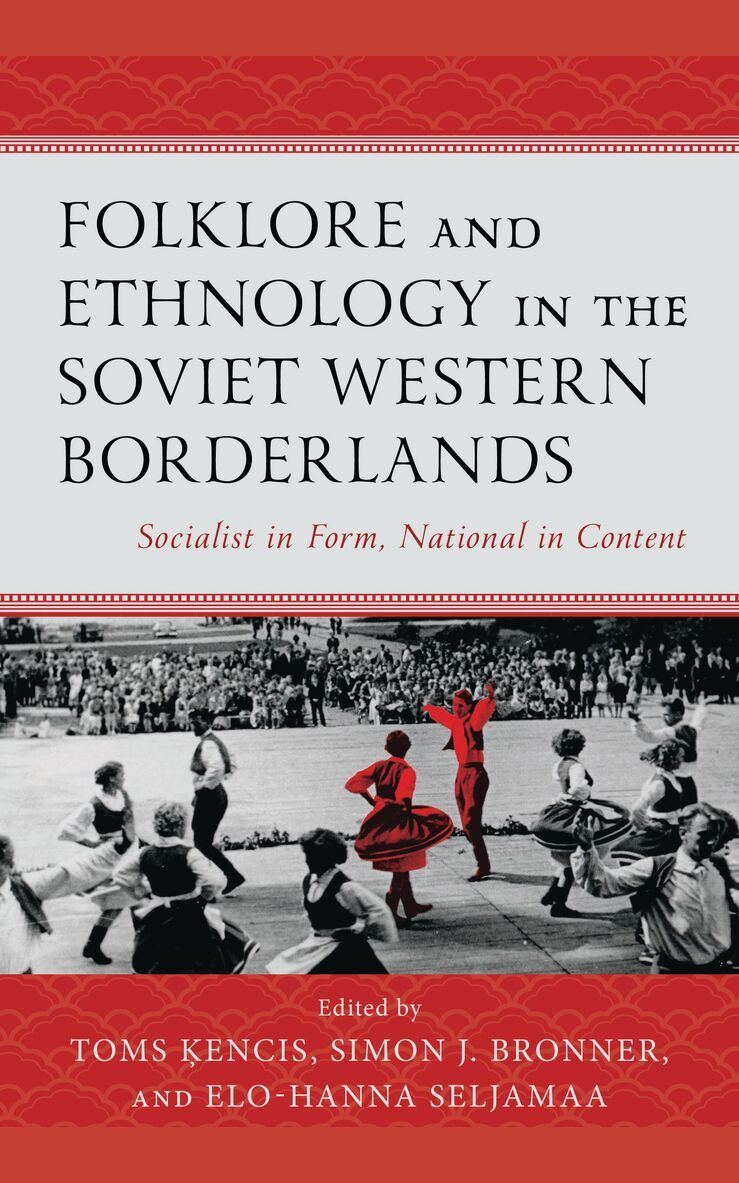
Folklore and Ethnology in the Soviet Western Borderlands
Socialist in Form, National in Content
Inbunden, Engelska, 2023
1 142 kr
Skickas inom 10-15 vardagar
Thirteen international scholars assess the profound impact of Soviet-era movements to study, apply, and perform folklore as a priority in socialist policy-formation and culture-building. Representing generations who lived through and after Soviet occupation, they reflect on the consequences of state-supported promotion of folk arts in a region called the Western Borderlands that include Baltic countries, Ukraine, Poland, Slovakia, Belarus, Romania, and Hungary. In their incisive analyses, authors present original archival materials as well as ethnographic data to understand colonialist support for bottom-up folklore movements and resistance to them. Capping the volume is a timely consideration of Soviet orchestration of folkloristic work on present developments in conflicts of Russia with its neighbors and alignments with Western folkloristics and ethnology.
284 kr
Skickas inom 11-20 vardagar
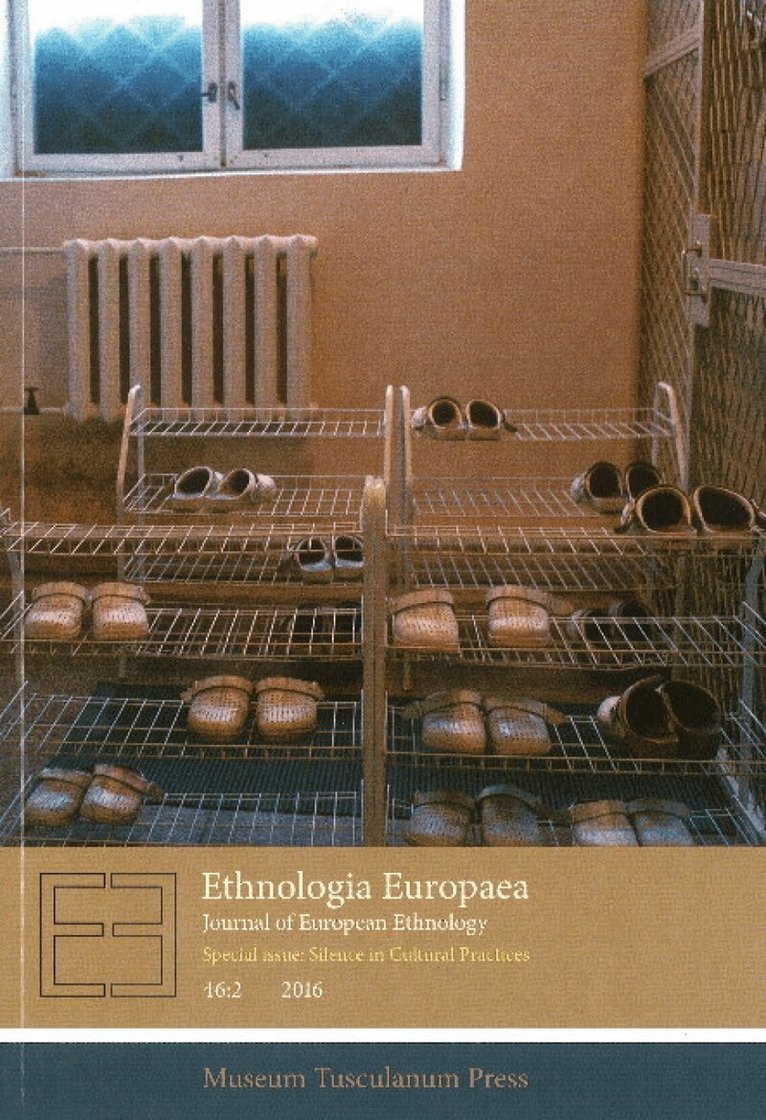
Contributions to this special issue take a back-door approach to the study of cultural practices by exploring various modes and forms of silence and silencing in daily life. Joining Gregory Bateson and scholars inspired by his concept of noncommunication, the articles examine situations and circumstances where communication is avoided, or deemed undesirable, because it would somehow alter the nature of the idea, relationship or situation in question. Authors also draw attention to the unspoken and the unspeakable as they emerge in ethnographic fieldwork and the research process, discussing the challenges of doing fieldwork on silence and pushing the boundaries of silence as an analytical category. Silence emerges from this special issue as a productive and performative force constitutive of agency, power and the margins of society and language. Case studies from Estonia, Finland and the north-western and north-eastern part of European Russia trace the roles silence plays in "doing old age" (Karoliina Ojanen), "doing family" (Pihla Maria Siim), and sustaining co-existence in societies divided by ethnic lines (Elo-Hanna Seljamaa). By exploring the symbolic meanings of silence among Evangelicals, two articles (Tuija Hovi and Piret Koosa) add to the growing body of scholarship that questions the fundamental role of language in Evangelical Christianity and seeks to broaden perspectives on understanding conversion. This volume also includes one open issue contribution by Anne Eriksen, who on the basis of British and Nordic examples explores the entangled genealogies of the notions of history and tradition as the twin products of a uniquely modern temporality.