Els Stronks – författare
Visar alla böcker från författaren Els Stronks. Handla med fri frakt och snabb leverans.
3 produkter
3 produkter
570 kr
Skickas inom 10-15 vardagar
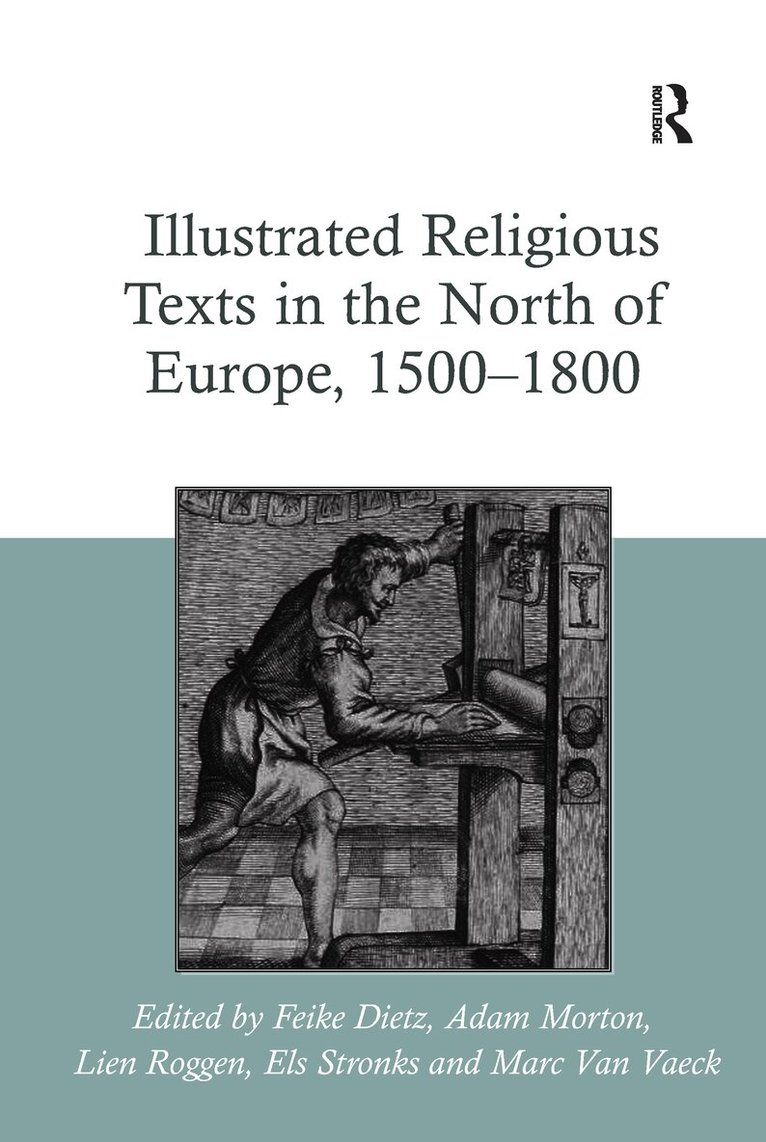
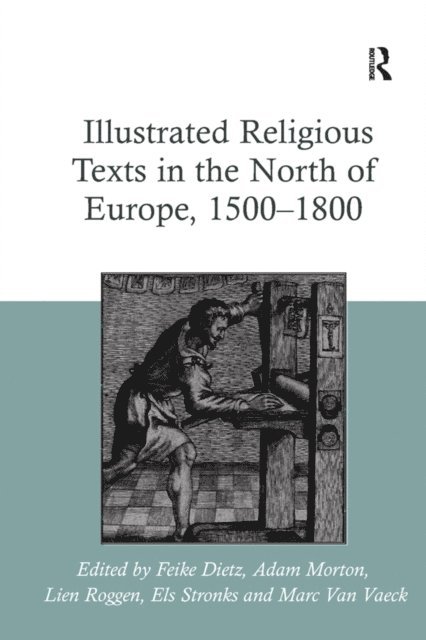
In recent years many historians have argued that the Reformation did not - as previously thought - hamper the development of Northern European visual culture, but rather gave new impetus to the production, diffusion and reception of visual materials in both Catholic and Protestant milieus. This book investigates the crosscurrents of exchange in the realm of illustrated religious literature within and beyond confessional and national borders, and against the background of recent insights into the importance of, on the one hand material, as well as on the other hand, sensual and emotional aspects of early modern culture. Each chapter in the volume helps illuminate early modern religious culture from the perspective of the production of illustrated religious texts - to see the book as object, a point at which various vectors of early modern society met. Case studies, together with theoretical contributions, shed light on the ways in which illustrated religious books functioned in evolving societies, by analysing the use, re-use and sharing of illustrated religious texts in England, France, the Low Countries, the German States, and Switzerland. Interpretations based on points of material interaction show us how the most basic binaries of the early modern world - Catholic and Protestant, word and image, public and private - were disrupted and negotiated in the realm of the illustrated religious book. Through this approach, the volume expands the historical appreciation of the place of imagery in post-Reformation Europe.
2 454 kr
Skickas inom 10-15 vardagar
In recent years many historians have argued that the Reformation did not - as previously thought - hamper the development of Northern European visual culture, but rather gave new impetus to the production, diffusion and reception of visual materials in both Catholic and Protestant milieus. This book investigates the crosscurrents of exchange in the realm of illustrated religious literature within and beyond confessional and national borders, and against the background of recent insights into the importance of, on the one hand material, as well as on the other hand, sensual and emotional aspects of early modern culture. Each chapter in the volume helps illuminate early modern religious culture from the perspective of the production of illustrated religious texts - to see the book as object, a point at which various vectors of early modern society met. Case studies, together with theoretical contributions, shed light on the ways in which illustrated religious books functioned in evolving societies, by analysing the use, re-use and sharing of illustrated religious texts in England, France, the Low Countries, the German States, and Switzerland. Interpretations based on points of material interaction show us how the most basic binaries of the early modern world - Catholic and Protestant, word and image, public and private - were disrupted and negotiated in the realm of the illustrated religious book. Through this approach, the volume expands the historical appreciation of the place of imagery in post-Reformation Europe.
Del 155 - Studies in Medieval and Reformation Traditions
Negotiating Differences
Word, Image and Religion in the Dutch Republic
Inbunden, Engelska, 2011
2 606 kr
Skickas inom 3-6 vardagar
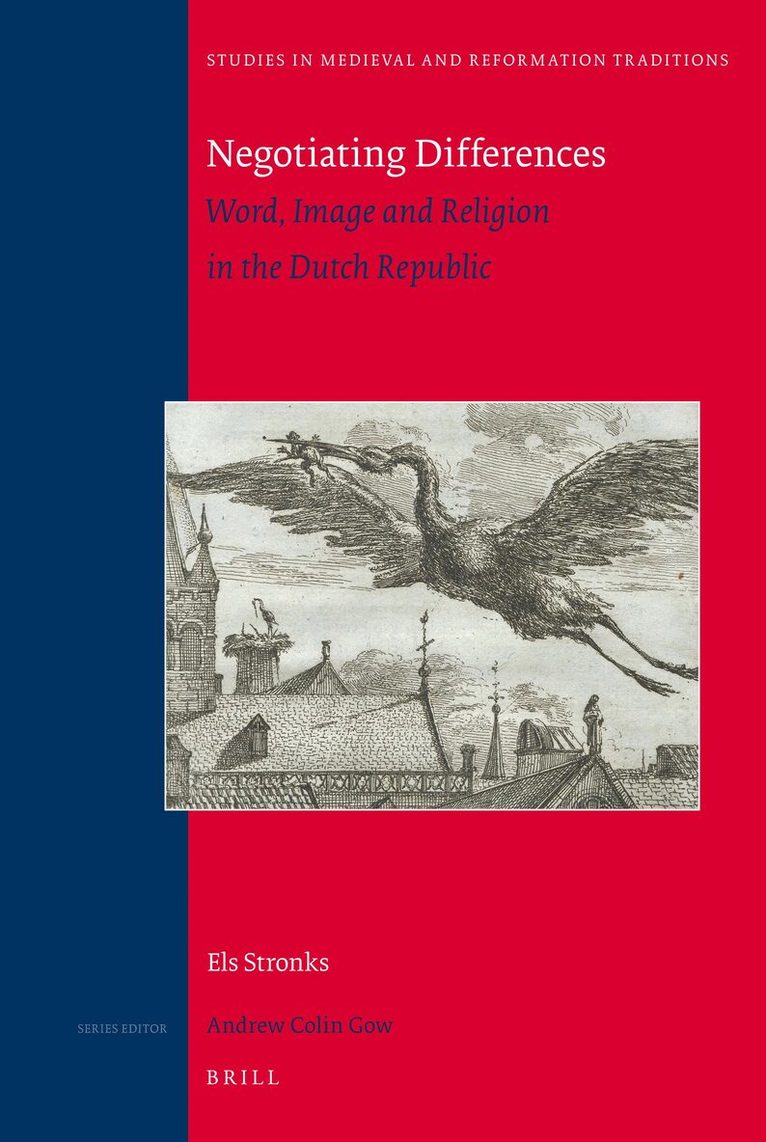
This book explores the dynamics of peaceful coexistence in the Dutch Republic by tracing the literary responses to one of the key controversies between Protestants and Catholics – the role of religious imagery in worship. Why and to what extent were people in the Republic willing to reconcile theological differences and combine elements from their own religious cultural practices with those of another? The intermingling of practices, the author shows, was unexpectedly complicated in the Republic. Restraints were imposed on the use of images in religious literature of all denominations till 1650. Evidence of negotiations appears after 1650, however, as Dutch Protestants absorbed significant aspects of Catholic visual traditions into their own. Religious toleration had clearly become a matter of sharing rather than enduring for the Protestants, but retained features of a monologue since Dutch Catholics were then developing a new, idiosyncratic identity of their own.