Elwin Hofman - Böcker
Visar alla böcker från författaren Elwin Hofman. Handla med fri frakt och snabb leverans.
2 produkter
2 produkter
362 kr
Skickas inom 3-6 vardagar
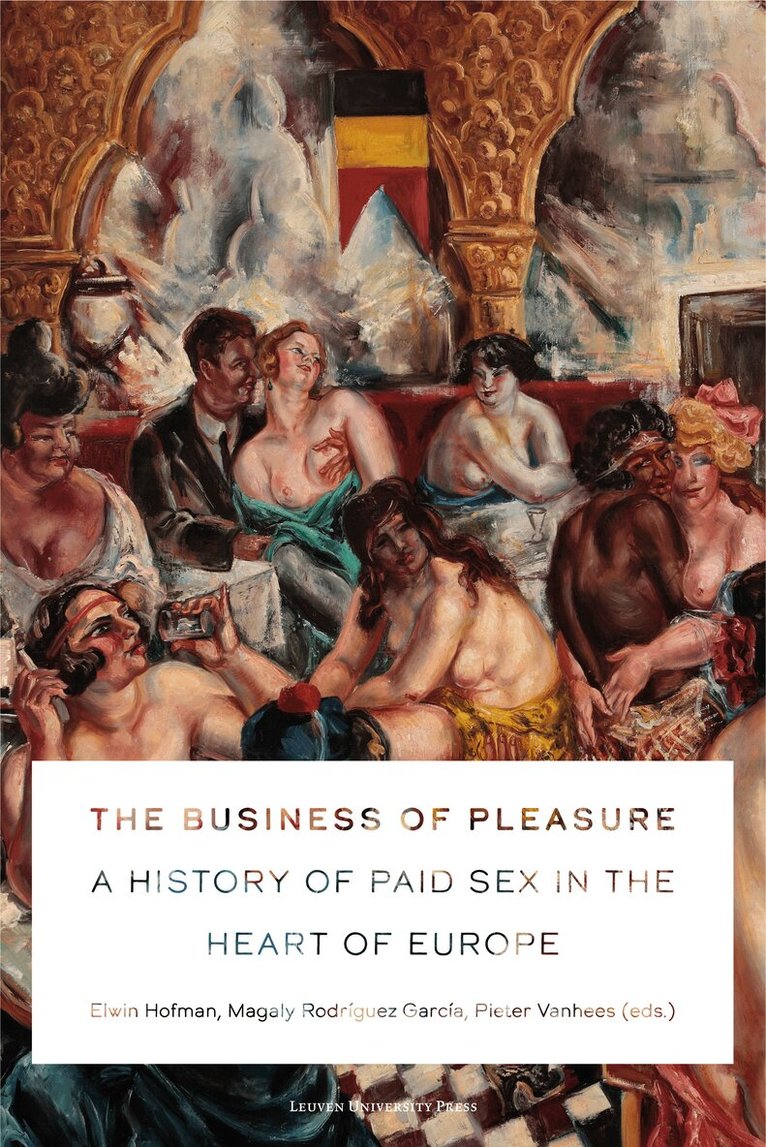
First English-language book on the history of commercial sex in BelgiumIn 2022, the Belgian parliament made a landmark decision by approving the decriminalisation of sex work. This move positioned the small nation as the first country in Europe – and the second globally – to abandon the hypocrisy of tolerance. But this was not the first time paid sex in Belgium gained international notoriety. The medieval bathhouses and ‘frows of Flanders’ were well-known throughout Europe. In the nineteenth century, Belgium faced international outrage as the alleged epicentre of white slavery. Yet while Belgians were accused of forcing white women into prostitution, they were left alone when it came to the inclusion of any suspect woman in the prostitution registers of colonial Congo. Throughout the First and Second World Wars, both allied and German soldiers sought relief in Belgian brothels. The Business of Pleasure presents the compelling life stories of sex workers and their interactions with authorities, clients and pimps. Transcending stereotypes, this history of commercial sex offers a nuanced understanding of the difficulties and opportunities associated with paid sex for women, men and trans persons past and present.Contributors: Elwin Hofman (Utrecht University), Magaly Rodríguez García (KU Leuven), Pieter Vanhees (former researcher KU Leuven), Jelle Haemers (KU Leuven), Amandine Lauro (Université libre de Bruxelles), Maarten Loopmans (KU Leuven), Ilias Loopmans (MA history student at University of Antwerp), Sonia Verstappen (former sex worker).
277 kr
Skickas
This highly original study brings together the disparate histories of murder and enlightenment, prostitution and the cult of nature, sodomy and sentimentalism in order to retell the story of the making of the modern self. It suggests that the history of the self needs to attend more to its class dimensions, and puts this insight into practice by examining the influence of the criminal courts in spreading and negotiating changing ideas of the self. Using criminal interrogations and witness statements, Trials of the self shows that an increasing stress on psychological depth in the late-eighteenth and early nineteenth centuries was not only important for elites, but also for common and illiterate people – sometimes even more so.An electronic edition of this book is freely available under a Creative Commons (CC BY-NC-ND) licence.