Elyce Rae Helford - Böcker
Visar alla böcker från författaren Elyce Rae Helford. Handla med fri frakt och snabb leverans.
6 produkter
6 produkter
363 kr
Skickas
During the early Hollywood sound era, studio director George Cukor produced nearly fifty films in as many years, famously winning the Best Director Oscar at the 1964 Academy Awards for My Fair Lady. His collaborations with so-called difficult actresses such as Katharine Hepburn, Judy Garland, and Marilyn Monroe unsettled producers even as his ticket sales lined their pockets. Fired from Gone with the Wind for giving Vivien Leigh more screen time than Clark Gable, Cukor quickly earned a double-sided reputation as a "woman's director." While the label celebrated his ability to help actresses deliver their best performances, the epithet also branded the gay director as suitable only for work on female-centered movies such as melodramas and romantic comedies. Desperate for success after a failed drag film nearly ended his career, Cukor swore to work within Hollywood's constraints.Nevertheless, What Price Hollywood? Gender and Sex in the Films of George Cukor finds that Cukor continued to explore gender and sexuality on-screen. Drawing on a broad array of theoretical lenses, Elyce Rae Helford examines how Cukor's award-winning films—titles including My Fair Lady and The Philadelphia Story—as well as his lesser-known films engage Hollywood masculinity and gender performativity through camp, drag, and mixed genres. Blending biography with critical analysis of more than twenty-five films, What Price Hollywood? tells the story of a once-in-a-generation director who produced some of the best films in history.
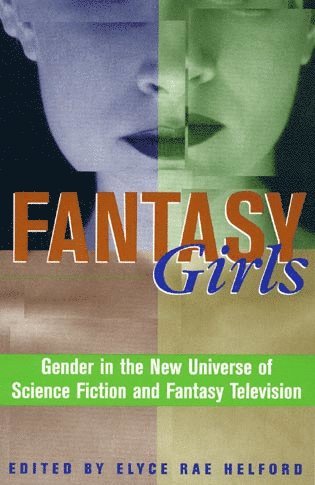
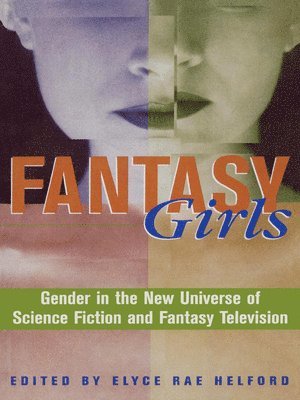
Fantasy Girls
Gender in the New Universe of Science Fiction and Fantasy Television
Häftad, Engelska, 2000
808 kr
Skickas inom 10-15 vardagar
A new collection on women in American television in the 90s uncovers a cultural obsession with tough yet sexy heroines in mythical pasts, the 'girl power' present, and utopic futures. Xena, Buffy, Sabrina, and a host of other characters have become household words, as well as icons of pop culture 'feminism.' Their popularity makes for successful programming, however, how much does this trend truly represent a contemporary feminist breakthrough? And what does it mean for feminism in the next few decades? Fantasy Girls: Navigating the New Universe of Science Fiction and Fantasy Television seeks to explore as well as challenge the power and the promises of this recent media phenomenon. Such TV programming offers the exciting opportunity to rethink established gender norms, but how far is it really pushing the limits of the status quo? Amidst the exuberant optimism of fanzines and doting fan websites, the contributors to this volume endeavor to provide us with a much needed critical analysis of this contemporary trend. These essays explore the contradictions and limitations inherent in the genre, forcing readers to take a fresh and critical look through a variety of lenses including girl power, postfeminism, cyborg feminism, disability politics, queer studies, and much more. Programs covered are Babylon 5, Buffy the Vampire Slayer, Disney's Cinderella, Lois and Clark, Mystery Science Theater 3000, Sabrina the Teenage Witch, Star Trek: Voyager, The X-Files, Third Rock from the Sun, and Xena: Warrior Princess.
1 179 kr
Skickas
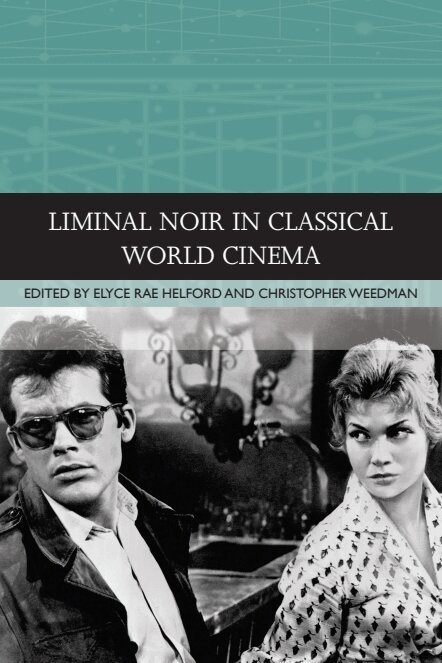
Applys a noir lens to films which defy easy generic categorizationRevaluation of classical-era international films through focus on noir elements in films otherwise not considered film noirConsideration of liminality as a driving feature of film noir, including genre, cultural norm, border, and boundary crossingsA case study approach that explores individual film examples within critical, production, and historical contextsWhile few can deny its incalculable influence on popular filmmaking during and after World War II, film noir has been and remains one of the most contentious categories of cinema, involving more debates than consensus about what constitutes a noir.This collection explores the amorphous parameters of this dark cinematic phenomenon by utilising an expanded, nuanced definition of film noir, which reaches beyond traditional conceptions of genre, style, and cycle to examine its complex international origins and emphasis on issues of liminality. Through illuminating case studies of single films from nations including Argentina, the former Czechoslovakia, France, Great Britain, Poland, Spain, and the US, authors consider elements of genre hybridity, border crossing, boundary breaching, and other signifiers of liminality to reassess classical-era films that defy conventional generic and stylistic categorisation.
453 kr
Skickas inom 3-6 vardagar
While few can deny its incalculable influence on popular filmmaking during and after World War II, film noir has been and remains one of the most contentious categories of cinema, involving more debates than consensus about what constitutes a noir. This collection explores the amorphous parameters of this dark cinematic phenomenon by utilising an expanded, nuanced definition of film noir, which reaches beyond traditional conceptions of genre, style, and cycle to examine its complex international origins and emphasis on issues of liminality. Through illuminating case studies of single films from nations including Argentina, the former Czechoslovakia, France, Great Britain, Poland, Spain, and the US, authors consider elements of genre hybridity, border crossing, boundary breaching, and other signifiers of liminality to reassess classical-era films that defy conventional generic and stylistic categorisation.
1 181 kr
Skickas inom 10-15 vardagar
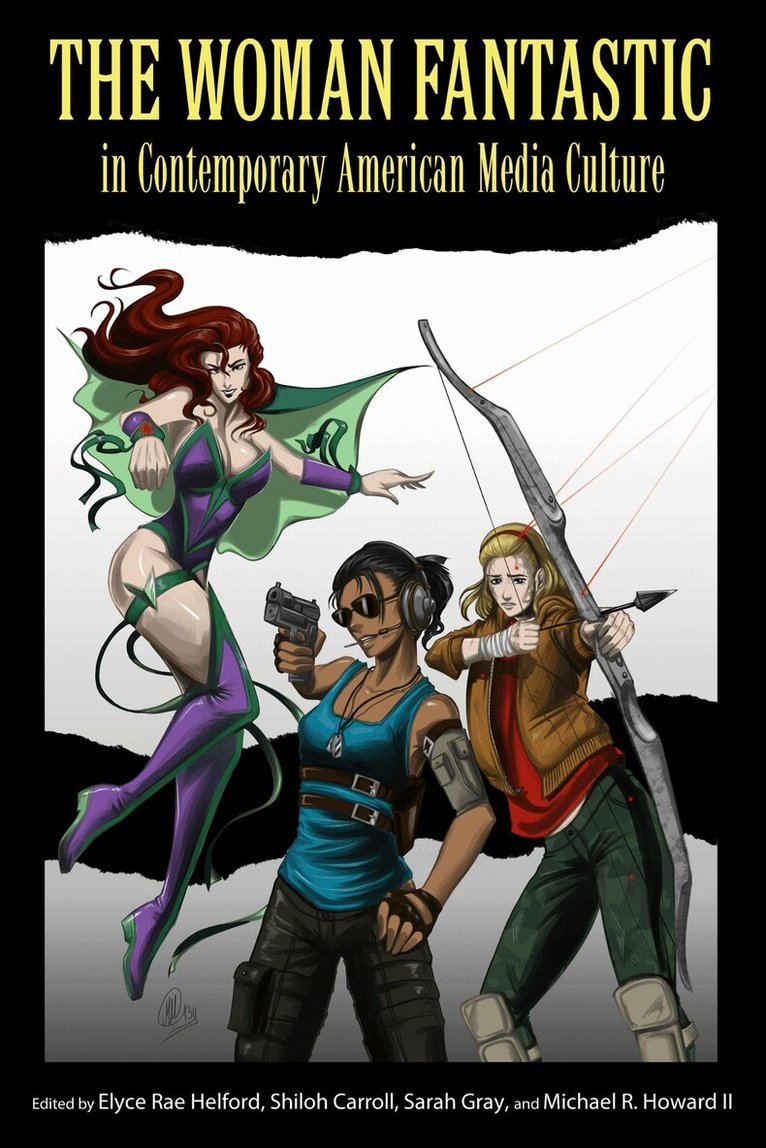
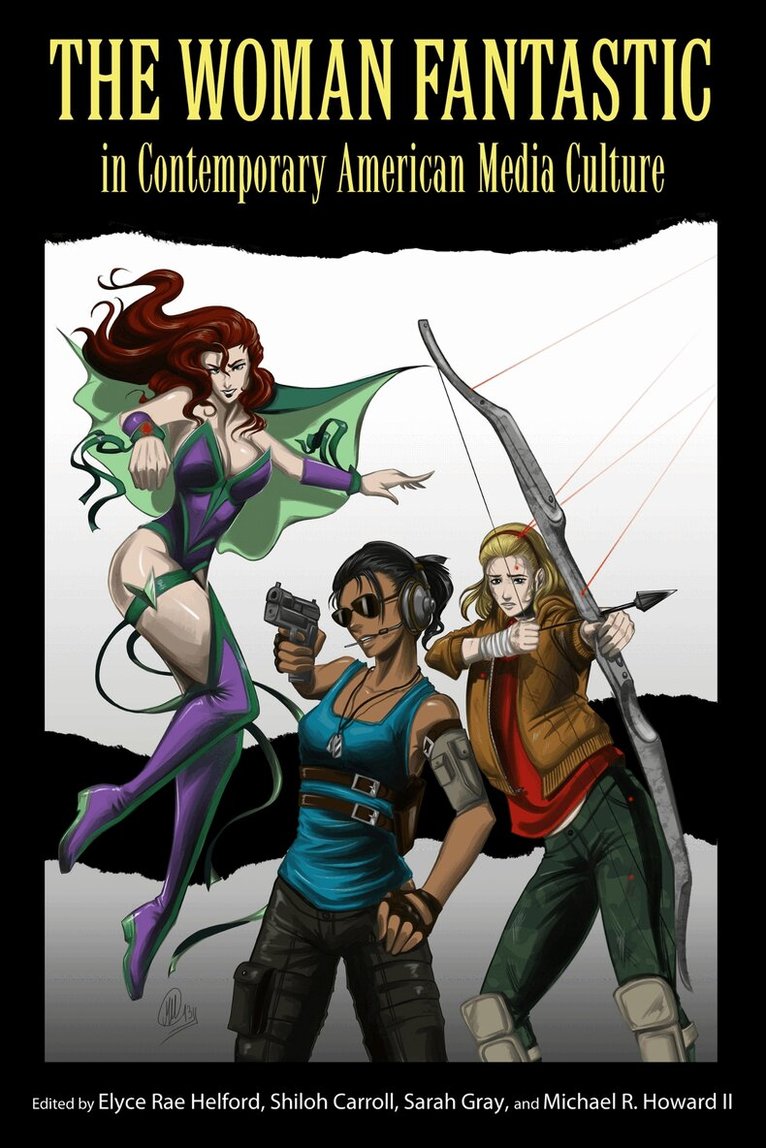
Although the last three decades have offered a growing body of scholarship on images of fantastic women in popular culture, these studies either tend to focus on one particular variety of fantastic female (the action or sci-fi heroine), or on her role in a specific genre (villain, hero, temptress). This edited collection strives to define the ""Woman Fantastic"" more fully. The Woman Fantastic may appear in speculative or realist settings, but her presence is always recognizable. Through futuristic contexts, fantasy worlds, alternate histories, or the display of superpowers, these insuperable women challenge the laws of physics, chemistry, and/or biology.In chapters devoted to certain television programs, adult and young adult literature, and comics, contributors discuss feminist negotiation of today's economic and social realities. Senior scholars and rising academic stars offer compelling analyses of fantastic women from Wonder Woman and She-Hulk to Talia Al Ghul and Martha Washington; from Carrie Vaughn's Kitty Norville series to Cinda Williams Chima's The Seven Realms series; and from Battlestar Gallactica's female Starbuck to Game of Thrones's Sansa and even Elaine Barrish Hammond of USA's Political Animals. This volume furnishes an important contribution to ongoing discussions of gender and feminism in popular culture.
367 kr
Skickas inom 10-15 vardagar
Contributions by: Marleen S. Barr, Shiloh Carroll, Sarah Gray, Elyce Rae Helford, Michael R. Howard II, Ewan Kirkland, Nicola Mann, Megan McDonough, Alex Naylor, Rhonda Nicol, Joan Ormrod, J. Richard Stevens, Tosha Taylor, Katherine A. Wagner, and Rhonda V. Wilcox.Although the last three decades have offered a growing body of scholarship on images of fantastic women in popular culture, these studies either tend to focus on one particular variety of fantastic female (the action or sci-fi heroine), or on her role in a specific genre (villain, hero, temptress). This edited collection strives to define the ""Woman Fantastic"" more fully. The Woman Fantastic may appear in speculative or realist settings, but her presence is always recognizable. Through futuristic contexts, fantasy worlds, alternate histories, or the display of superpowers, these insuperable women challenge the laws of physics, chemistry, and/or biology.In chapters devoted to certain television programs, adult and young adult literature, and comics, contributors discuss feminist negotiation of today's economic and social realities. Senior scholars and rising academic stars offer compelling analyses of fantastic women from Wonder Woman and She-Hulk to Talia Al Ghul and Martha Washington; from Carrie Vaughn's Kitty Norville series to Cinda Williams Chima's The Seven Realms series; and from Battlestar Gallactica's female Starbuck to Game of Thrones's Sansa and even Elaine Barrish Hammond of USA's Political Animals. This volume furnishes an important contribution to ongoing discussions of gender and feminism in popular culture.