Emanuele Sica – författare
Visar alla böcker från författaren Emanuele Sica. Handla med fri frakt och snabb leverans.
2 produkter
2 produkter
442 kr
Skickas inom 7-10 vardagar
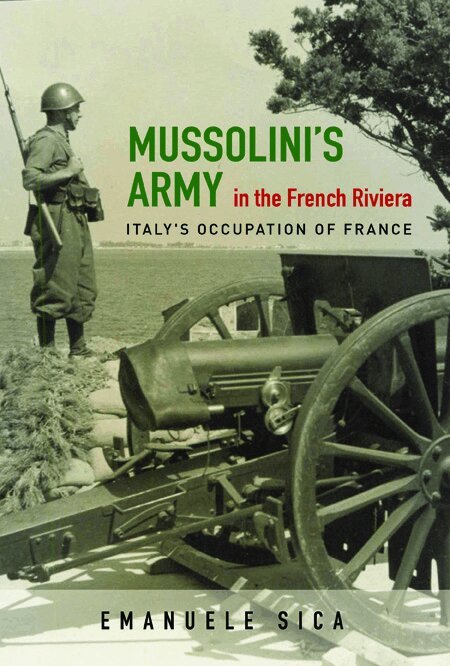
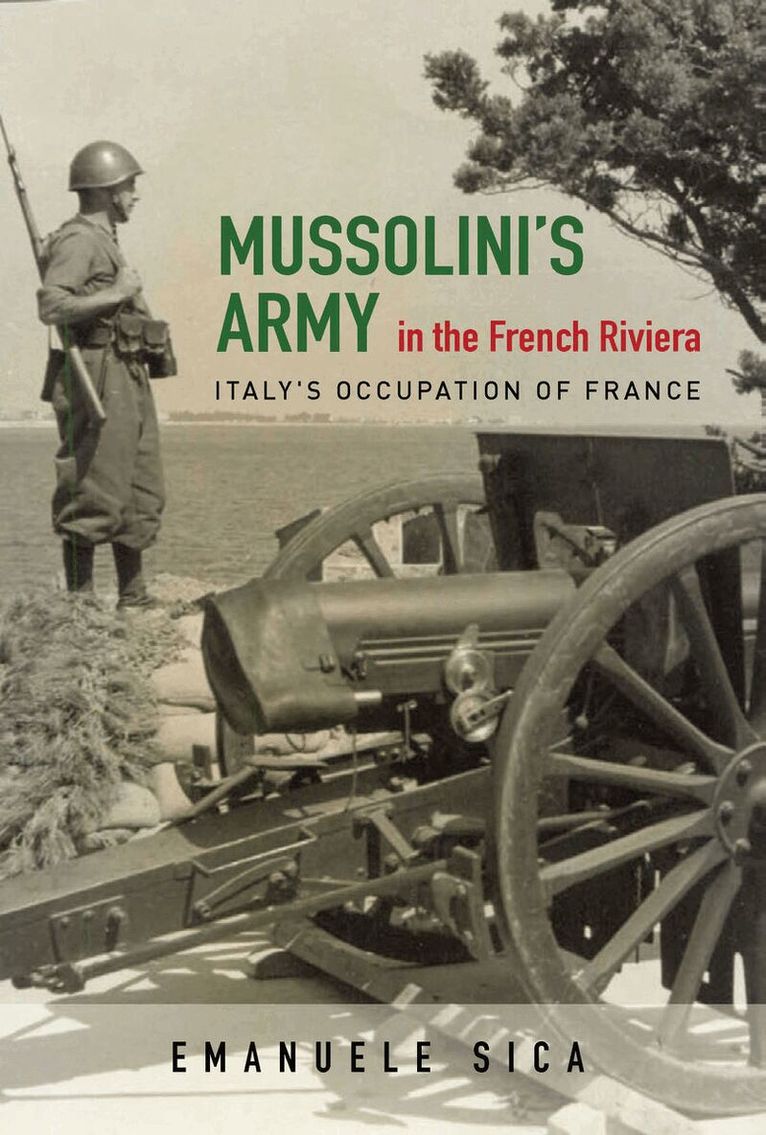
In contrast to its brutal seizure of the Balkans, the Italian Army's 1940-1943 relatively mild occupation of the French Riviera and nearby alpine regions bred the myth of the Italian brava gente, or good fellow, an agreeable occupier who abstained from the savage wartime behaviors so common across Europe. Employing a multi-tiered approach, Emanuele Sica examines the simultaneously conflicting and symbiotic relationship between the French population and Italian soldiers. At the grassroots level, Sica asserts that the cultural proximity between the soldiers and the local population, one-quarter of which was Italian, smoothed the sharp angles of miscommunication and cultural faux-pas at a time of great uncertainty. At the same time, it encouraged a laxness in discipline that manifested as fraternization and black marketeering. Sica's examination of political tensions highlights how French prefects and mayors fought to keep the tatters of sovereignty in the face of military occupation. In addition, he reveals the tense relationship between Fascist civilian authorities eager to fulfil imperial dreams of annexation and army leaders desperate to prevent any action that might provoke French insurrection. Finally, he completes the tableau with detailed accounts of how food shortages and French Resistance attacks brought sterner Italian methods, why the Fascists' attempted "Italianization" of the French border city of Menton failed, and the ways the occupation zone became an unlikely haven for Jews.
706 kr
Skickas inom 3-6 vardagar
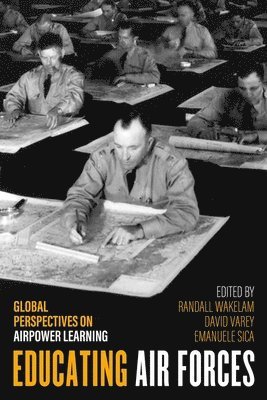
Compared to armies and navies, which have existed as professional fighting services for centuries, the technology that makes air forces possible is much newer. As a result, these services have had to quickly develop methods of preparing aviators to operate in conditions ranging from peace or routine security to full-scale war. The first book to address the history and scope of air power professionalization through learning programs, Educating Air Forces offers valuable new insight into strategy and tactics worldwide. Here, a group of international experts examine the philosophies, policies, and practices of air service educational efforts in the United States, France, Italy, Germany, Australia, Canada, and the UK. First, the contributors discuss the founding, successes, and failures of European air force learning programs between the Great War and World War II. Chapters in section two explore how the tense political climate during the Cold War influenced the creation, curriculum, and results of various programs. The final section addresses the post--Cold War era, specifically examining how educational programs are adapting to soldiers' needs and the demands of modern warfare.Featuring contributions from eminent scholars in the field, this volume surveys the learning approaches globally employed by air forces in the past century and evaluates their effectiveness. Educating Air Forces reveals how experiential learning and formal education are not only inextricably intertwined, but also necessary to cope with advances in modern warfare.