Emile Alexandrov – författare
Visar alla böcker från författaren Emile Alexandrov. Handla med fri frakt och snabb leverans.
4 produkter
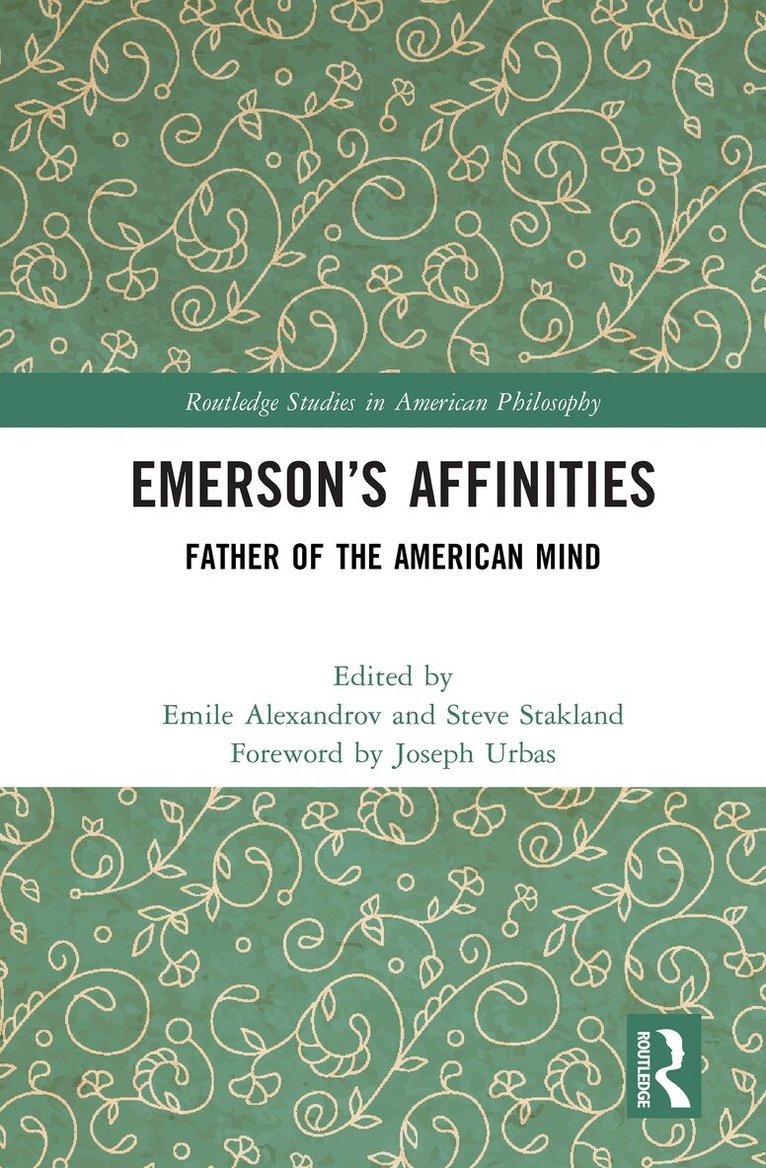
Emerson’s Affinities
Father of the American Mind
Av Emile Alexandrov, Steve Stakland
Inbunden, 2025
2886 kr
Lägg i varukorg
This volume presents Ralph Waldo Emerson’s engagement with diverse philosophical traditions with the concurrent aim of showing the contemporary relevance of his Transcendentalism.As scholarship increasingly centers on Emerson’s place within American philosophy, this collection offers fresh insights …
Emerson's Affinities
Father of the American Mind
Av Steve Stakland, Emile Alexandrov
E-bok, 2025
935 kr
Lägg i varukorg
This volume presents Ralph Waldo Emerson's engagement with diverse philosophical traditions with the concurrent aim of showing the contemporary relevance of his Transcendentalism.As scholarship increasingly centers on Emerson's place within American philosophy, this collection offers fresh insights …
Emerson's Affinities
Father of the American Mind
Av Steve Stakland, Emile Alexandrov
E-bok, 2025
935 kr
Lägg i varukorg
This volume presents Ralph Waldo Emerson's engagement with diverse philosophical traditions with the concurrent aim of showing the contemporary relevance of his Transcendentalism.As scholarship increasingly centers on Emerson's place within American philosophy, this collection offers fresh insights …
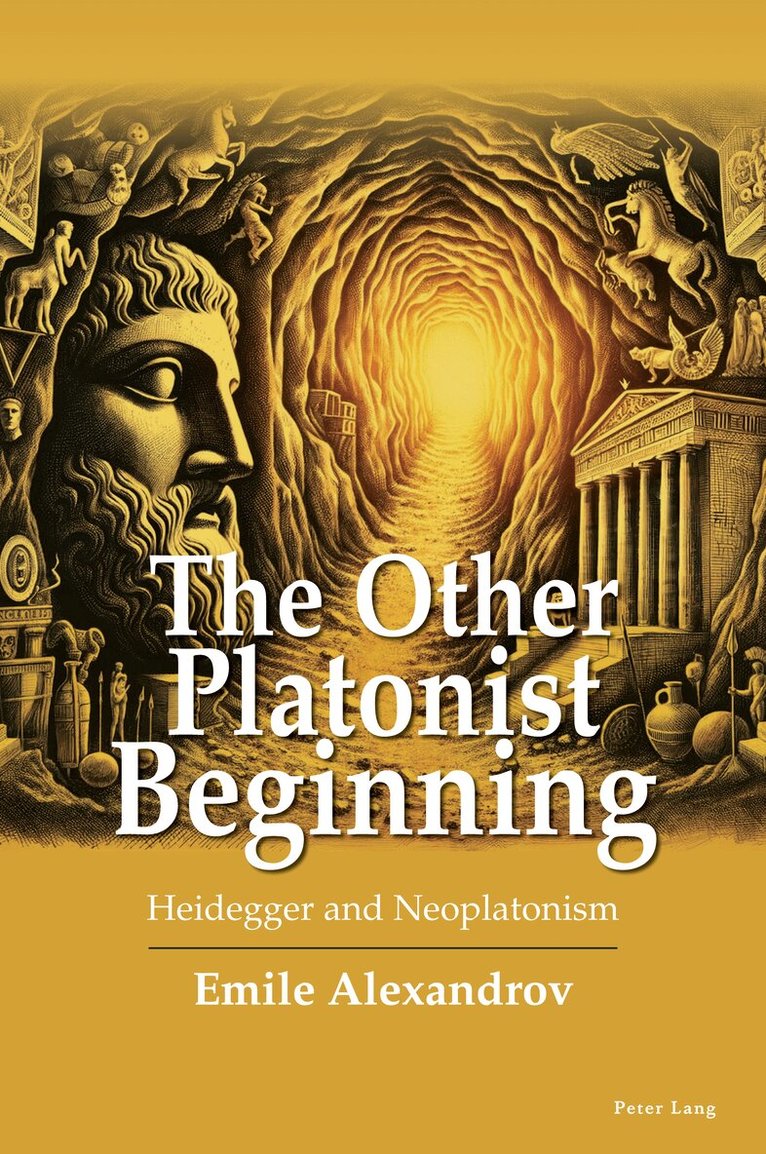
Other Platonist Beginning
Heidegger and Neoplatonism
Häftad, 2024
585 kr
Lägg i varukorg
This book founds an other Platonist beginning by repositioning Plato and Neoplatonism in Heidegger’s history of metaphysics. This beginning begins with Plato and culminates in Heidegger. By revisiting Heidegger’s interpretation of Plato and retrieving Neoplatonist approaches to non-discursive …