Emily Powell – författare
Visar alla böcker från författaren Emily Powell. Handla med fri frakt och snabb leverans.
9 produkter
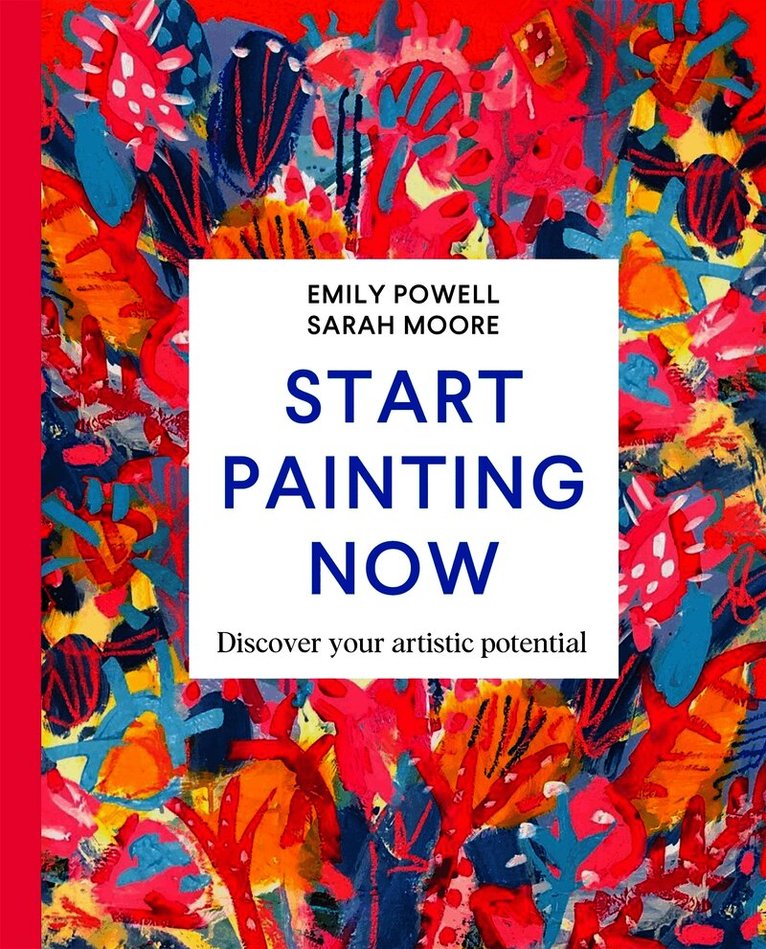
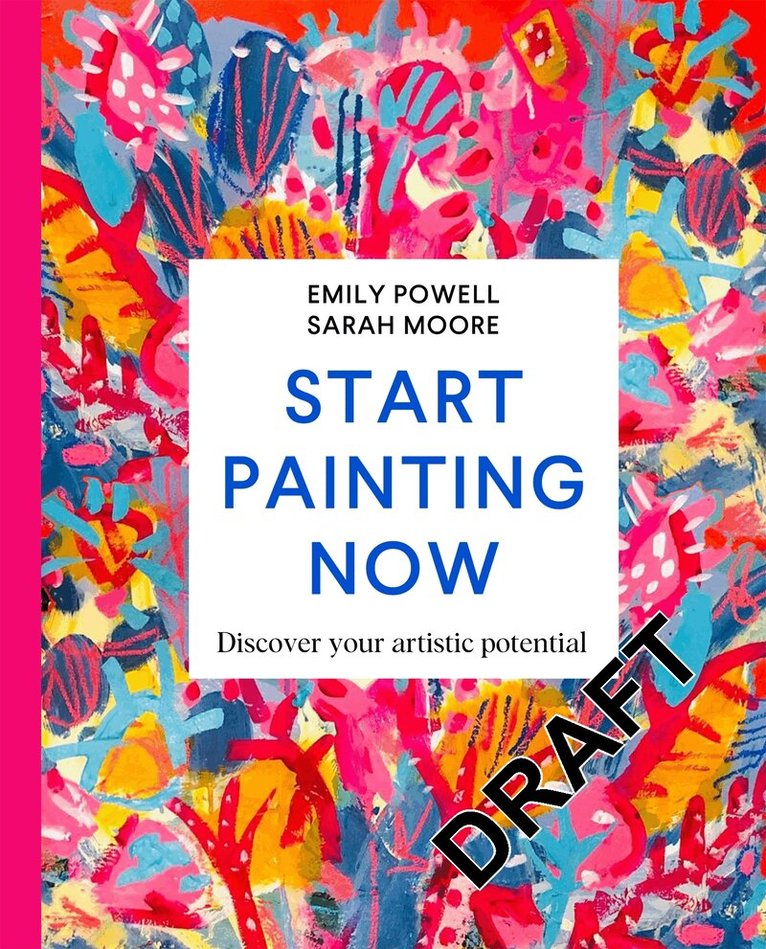
Start Painting Now
Discover Your Artistic Potential
Inbunden, 2022
212 kr
Lägg i varukorg
'A beautiful, joyful book from cover to cover. Start Painting Now is packed full of brilliant and empowering creative advice that will compel you to shout from the rooftops I AM AN ARTIST. ' – Lorna Scobie, creator of the 365 Days of Art seriesStart Painting Now is an inspiring, practical, …
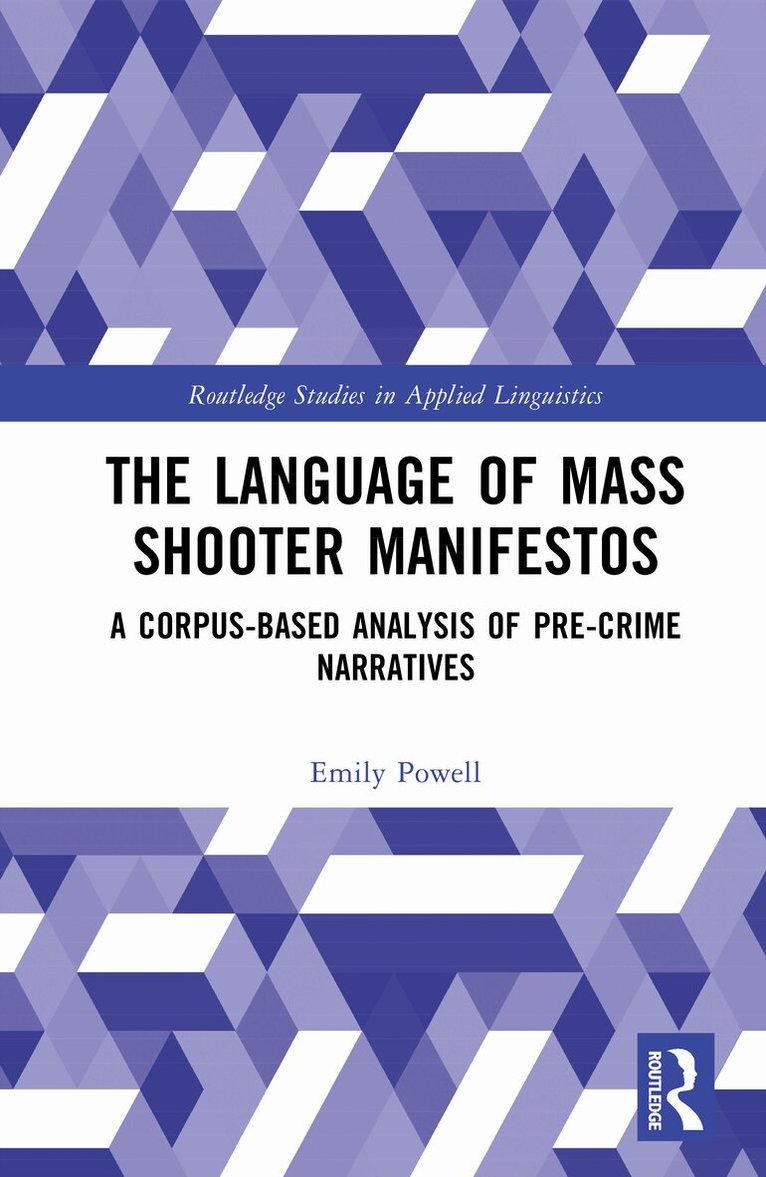
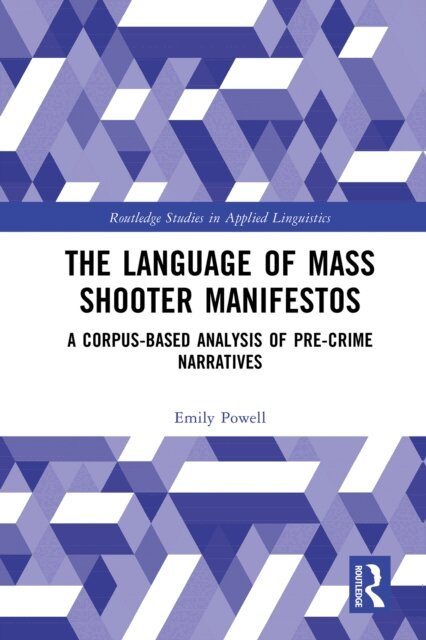
Language of Mass Shooter Manifestos
A Corpus-Based Analysis of Pre-Crime Narratives
Av Emily Powell
Inbunden, 2025
2448 kr
Lägg i varukorg
Bringing together scholarship from corpus linguistics, forensic linguistics, and criminology, this book offers a nuanced exploration of moral agency in the pre-crime narratives of offenders.The volume seeks to complement existing literature in forensic linguistics, which often explore criminal …
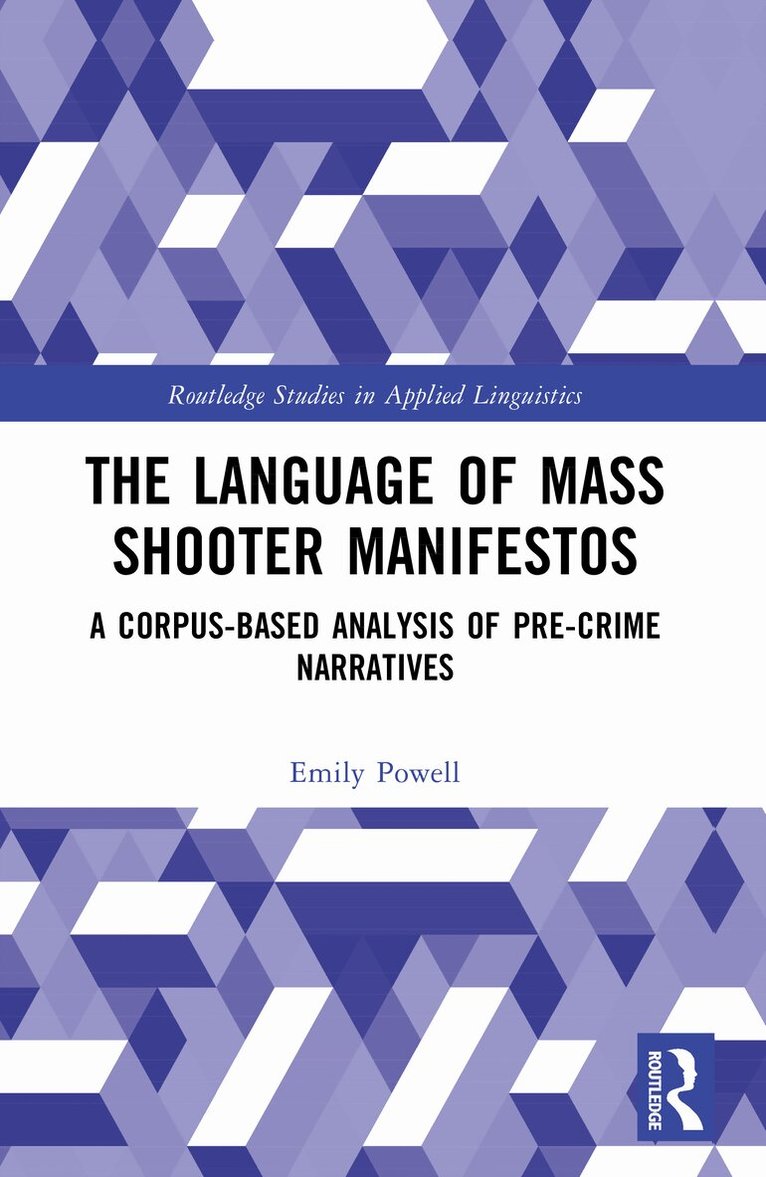
Language of Mass Shooter Manifestos
A Corpus-Based Analysis of Pre-Crime Narratives
Av Emily Powell
Häftad, 2026
688 kr
Lägg i varukorg
Bringing together scholarship from corpus linguistics, forensic linguistics, and criminology, this book offers a nuanced exploration of moral agency in the pre-crime narratives of offenders.The volume seeks to complement existing literature in forensic linguistics, which often explore criminal …
Language of Mass Shooter Manifestos
A Corpus-Based Analysis of Pre-Crime Narratives
Av Emily Powell
E-bok, 2025
831 kr
Lägg i varukorg
Bringing together scholarship from corpus linguistics, forensic linguistics, and criminology, this book offers a nuanced exploration of moral agency in the pre-crime narratives of offenders. The volume seeks to complement existing literature in forensic linguistics, which often explore criminal …
Language of Mass Shooter Manifestos
A Corpus-Based Analysis of Pre-Crime Narratives
Av Emily Powell
E-bok, 2025
813 kr
Lägg i varukorg
Bringing together scholarship from corpus linguistics, forensic linguistics, and criminology, this book offers a nuanced exploration of moral agency in the pre-crime narratives of offenders. The volume seeks to complement existing literature in forensic linguistics, which often explore criminal …
Start Painting Now
Discover Your Artistic Potential
E-bok, 2022
238 kr
Lägg i varukorg
Discover your inner artist and unleash the power of painting for self-care and wellbeing in this inspiring, practical guide. Start Painting Now is an accessible and empowering book that will guide you through the process of ignoring your inner critic and unwinding from the stresses of daily life …
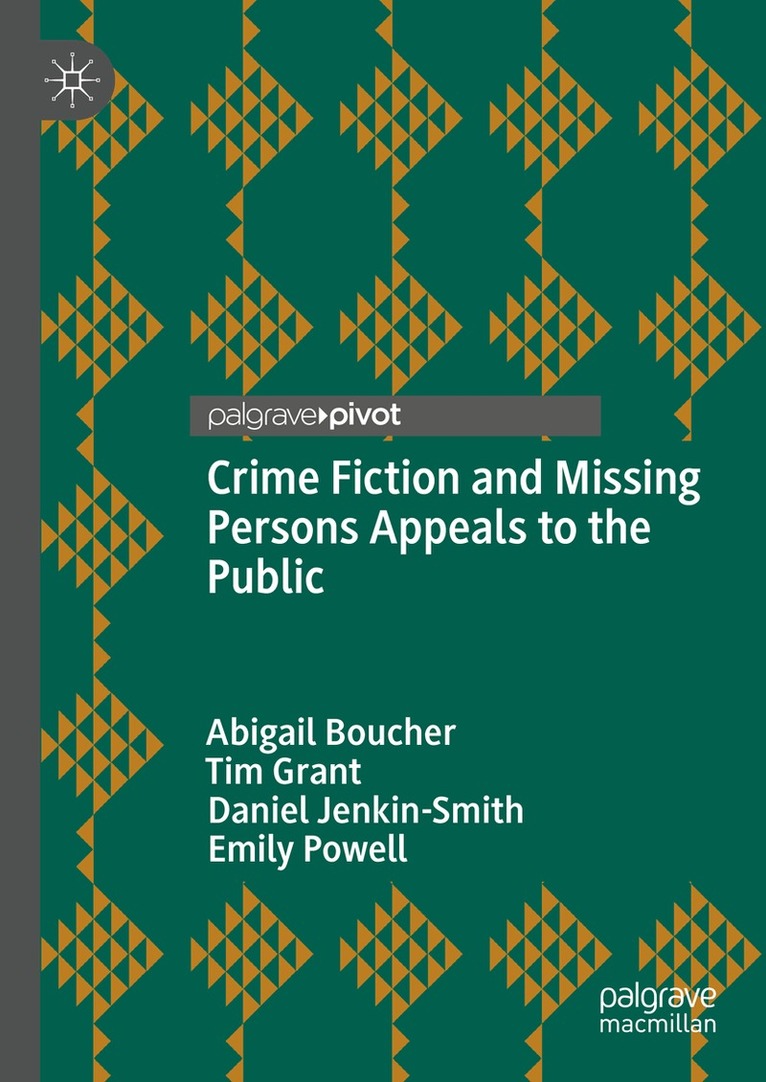
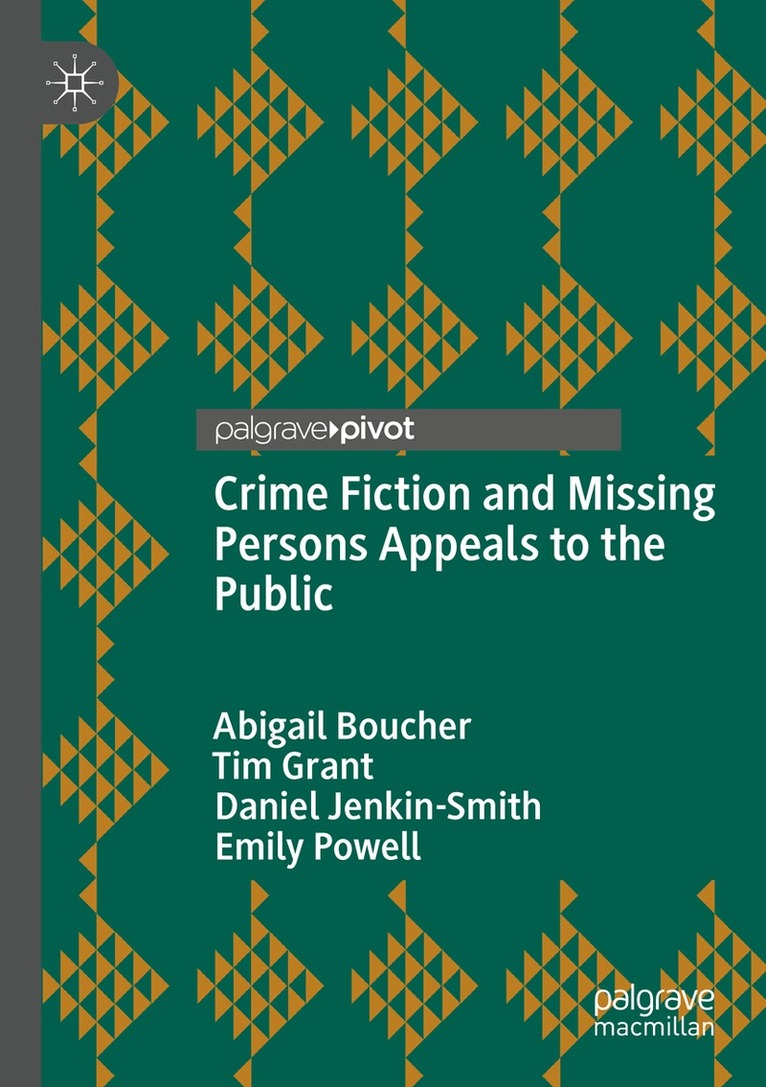
Crime Fiction and Missing Persons Appeals to the Public
Av Abigail Boucher, Tim Grant m. fl.
Inbunden, 2025
544 kr
Lägg i varukorg
This book draws upon genre fiction studies, forensic linguistics, and media studies to investigate the overlap between crime fiction conventions and the writing of missing persons appeals to the public. This book is based on a pilot project funded by the Aston Institute for Forensic Linguistics, …
Crime Fiction and Missing Persons Appeals to the Public
Av Emily Powell, Daniel Jenkin-Smith m. fl.
E-bok, 2025
699 kr
Lägg i varukorg
This book draws upon genre fiction studies, forensic linguistics, and media studies to investigate the overlap between crime fiction conventions and the writing of missing persons appeals to the public. This book is based on a pilot project funded by the Aston Institute for Forensic Linguistics, …
Crime Fiction and Missing Persons Appeals to the Public
Av Abigail Boucher, Tim Grant m. fl.
Häftad, 2026
544 kr
Lägg i varukorg
This book draws upon genre fiction studies, forensic linguistics, and media studies to investigate the overlap between crime fiction conventions and the writing of missing persons appeals to the public. This book is based on a pilot project funded by the Aston Institute for Forensic Linguistics, …