Emily Wingfield – författare
Visar alla böcker från författaren Emily Wingfield. Handla med fri frakt och snabb leverans.
8 produkter
Premodern Scotland
Literature and Governance 1420-1587
Av Emily Wingfield, Joanna Martin
E-bok, 2017
1413 kr
Lägg i varukorg
Premodern Scotland: Literature and Governance 1420-1587 brings together original essays by a group of international scholars to offer fresh and ground-breaking research into the ''advice to princes'' tradition and related themes of good self- and public governance in Older Scots literature, and in …
Premodern Scotland
Literature and Governance 1420-1587
Av Emily Wingfield, Joanna Martin
E-bok, 2017
1413 kr
Lägg i varukorg
Premodern Scotland: Literature and Governance 1420-1587 brings together original essays by a group of international scholars to offer fresh and ground-breaking research into the ''advice to princes'' tradition and related themes of good self- and public governance in Older Scots literature, and in …
Premodern Scotland
Literature and Governance 1420-1587
Av Joanna Martin, Emily Wingfield
Inbunden, 2017
2270 kr
Lägg i varukorg
Premodern Scotland: Literature and Governance 1420-1587 brings together original essays by a group of international scholars to offer fresh and ground-breaking research into the 'advice to princes' tradition and related themes of good self- and public governance in Older Scots literature, and in …
Edinburgh History of the Book in Scotland, Volume 1, Part II
From the Earliest Times to 1707 – Networks, Collections and Genre
Av Daryl Green, Alastair J. Mann m. fl.
Inbunden, 2026
2468 kr
Lägg i varukorg
Over two parts, 69 leading scholars, librarians and archivists come together to analyse the development of the book in Scotland from the early seventh century BCE to the 1707 Union, from depictions of books in carved stone monuments to the printing presses of Edinburgh, Aberdeen and Glasgow …
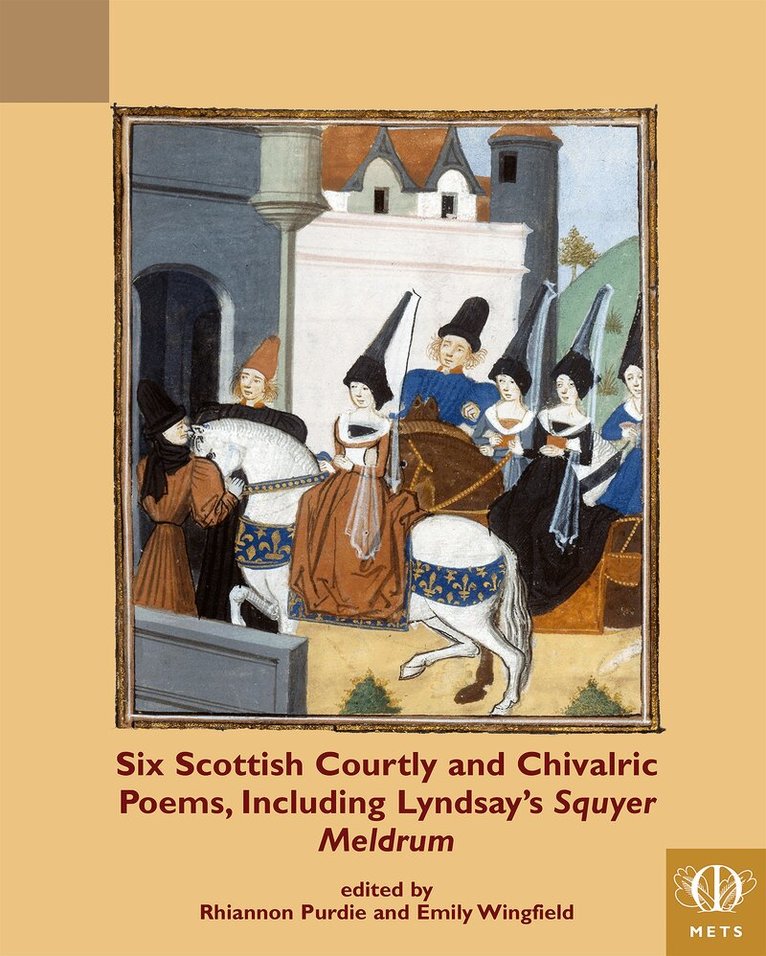
Six Scottish Courtly and Chivalric Poems, Including Lyndsay's Squyer Meldrum
Av Rhiannon Purdie, Emily Wingfield
Häftad, 2018
284 kr
Lägg i varukorg
These six poems explore some of the courtly and chivalric themes that preoccupied late medieval Scottish society. The volume includes Sir David Lyndsay's Historie and Testament of Squyer Meldrum, as well as his Answer to the Kingis Flyting; and three anonymous fifteenth-century poems: Balletis of …
Six Scottish Courtly and Chivalric Poems, Including Lyndsay's Squyer Meldrum
Av Rhiannon Purdie, Emily Wingfield
Inbunden, 2018
1581 kr
Lägg i varukorg
These six poems explore some of the courtly and chivalric themes that preoccupied late medieval Scottish society. The volume includes Sir David Lyndsay's Historie and Testament of Squyer Meldrum, as well as his Answer to the Kingis Flyting; and three anonymous fifteenth-century poems: Balletis of …
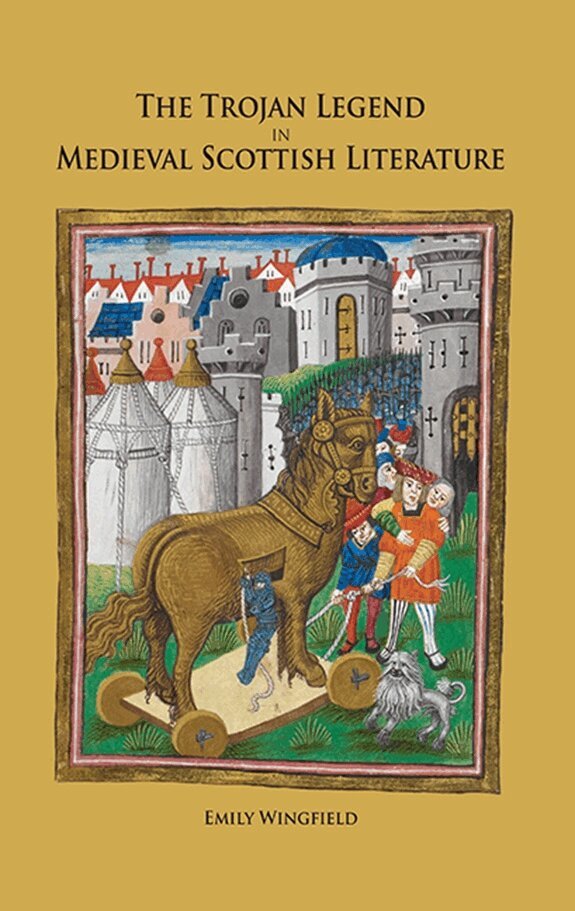
Trojan Legend in Medieval Scottish Literature
Inbunden, 2014
1423 kr
Lägg i varukorg
First full-length treatment of the Trojan legend in medieval Scottish literature, showing the various uses for, and the ways in, which it was deployed.The Trojan legend became hot property during the Anglo-Scots Wars of Independence. During the late thirteenth and early fourteenth centuries, the …