Emmanuel Katongole - Böcker
Visar alla böcker från författaren Emmanuel Katongole. Handla med fri frakt och snabb leverans.
9 produkter
9 produkter
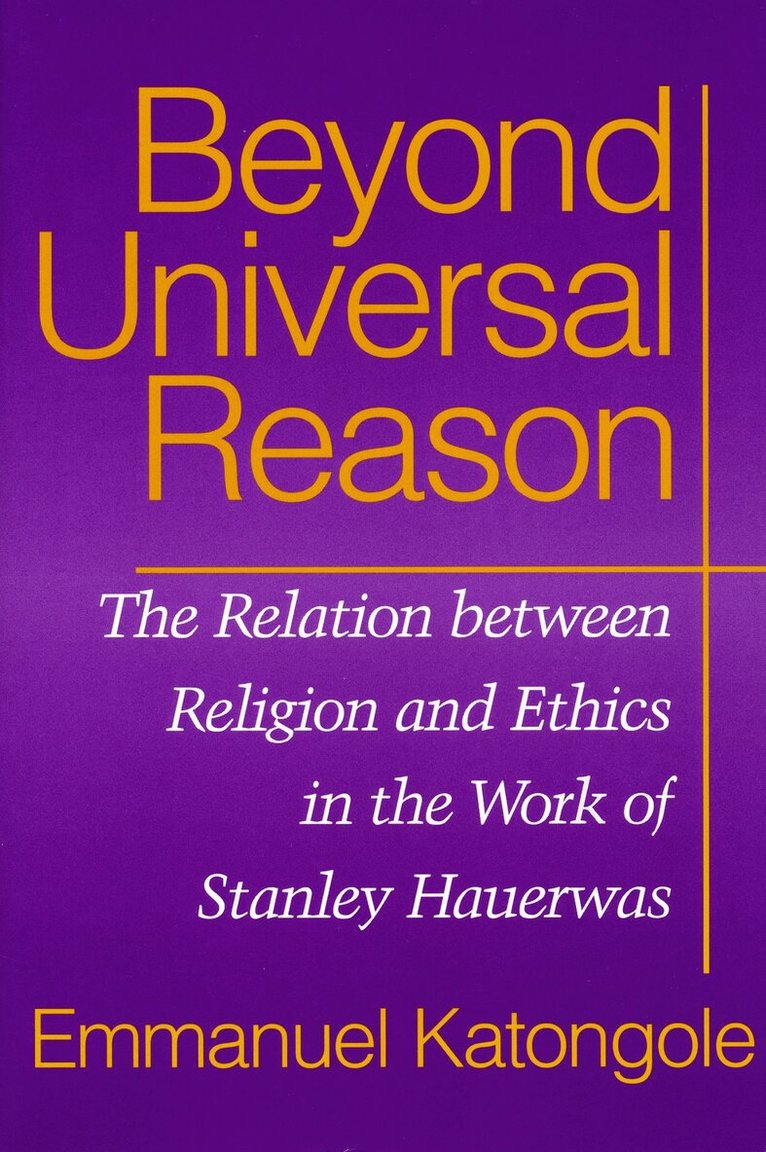
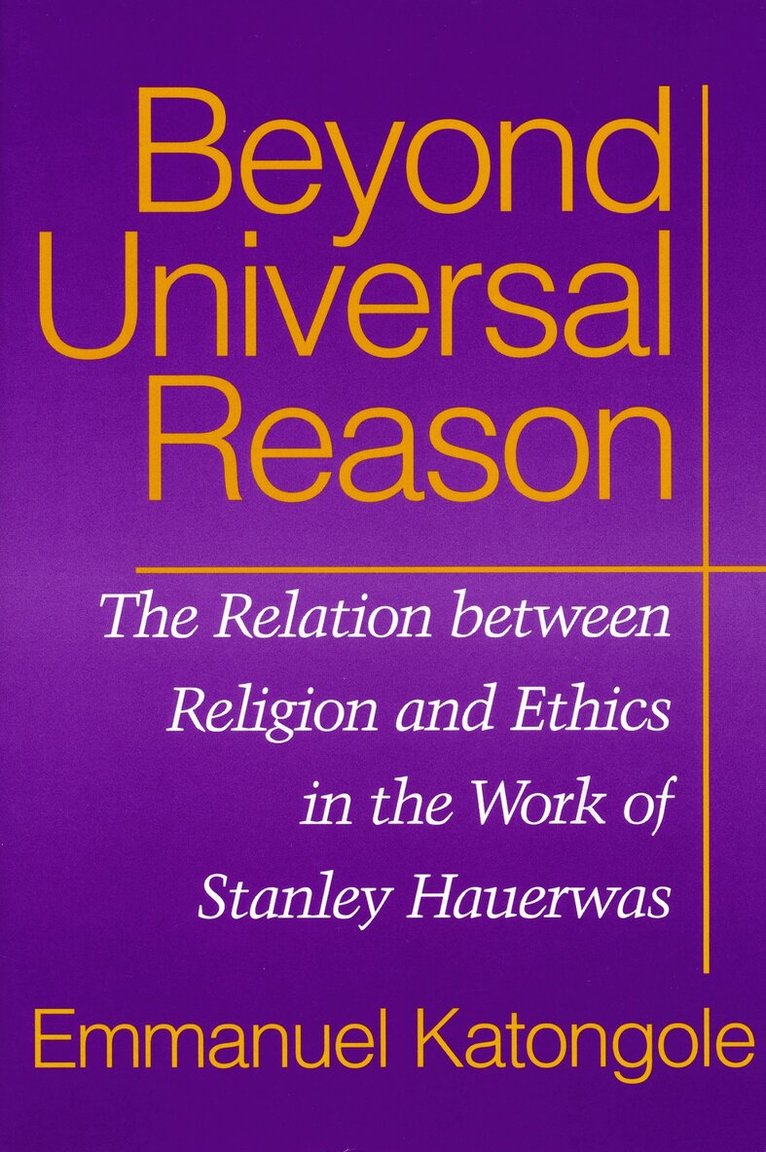
Beyond Universal Reason
The Relation Between Religion and Ethics in the Work of Stanley Hauerwas
Häftad, Engelska, 2000
314 kr
Skickas inom 10-15 vardagar
In The Peaceable Kingdom Stanley Hauerwas claims that "to begin by asking what is the relation between theology and ethics is to have already made a mistake." Hauerwas's claim, and his contribution toward a socially constituted and historically embodied account of the moral life and moral reason, are often charged with sectarianism, relativism, and tribalism. Emmanuel Katongole defends Hauerwas's dismissal of the traditional philosophical "problem" of the relation between ethics and religion. It is, he argues, part of Hauerwas's wider attempt to set aside the dominant Kantian moral tradition. Standard fare in moral philosophy, inspired by that tradition, fosters a highly formal, ahistorical view of ethics that does not do justice to our experience of ourselves as moral agents.
799 kr
Skickas inom 5-8 vardagar
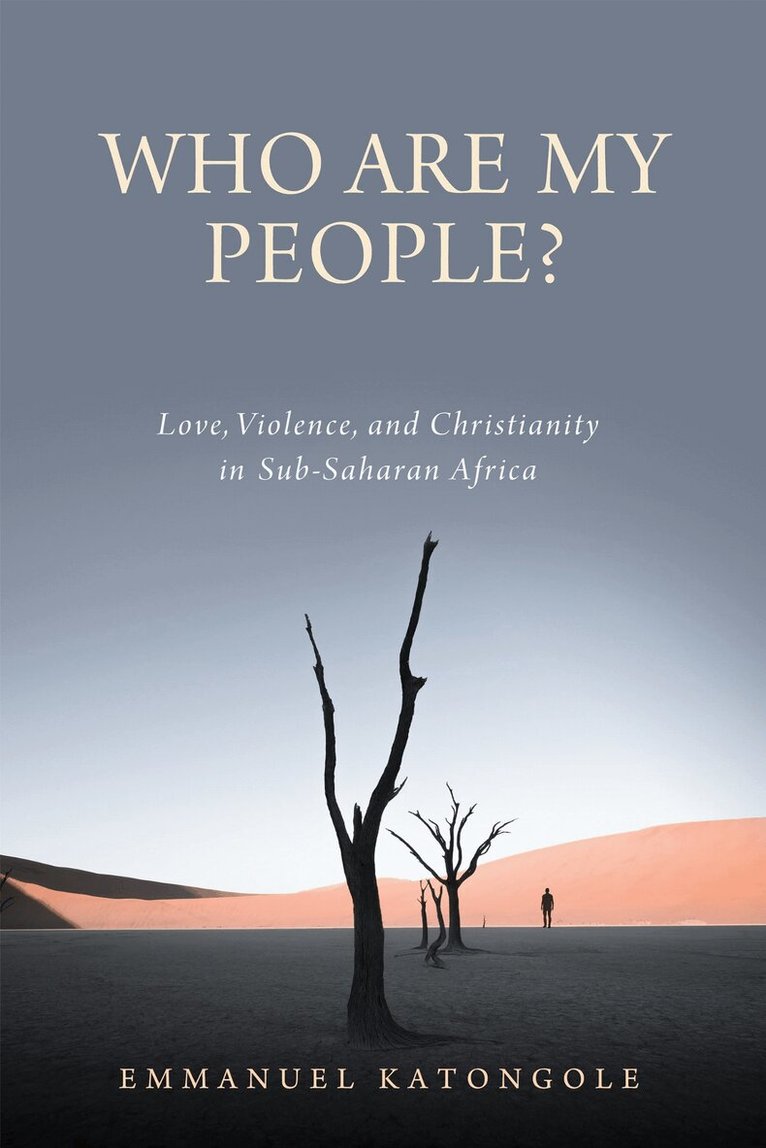
Who Are My People? explores the complex relationship between identity, violence, and Christianity in Africa.In Who Are My People?, Emmanuel Katongole examines what it means to be both an African and a Christian in a continent that is often riddled with violence. The driving assumption behind the investigation is that the recurring forms of violence in Africa reflect an ongoing crisis of belonging. Katongole traces the crisis through three key markers of identity: ethnicity, religion, and land. He highlights the unique modernity of the crisis of belonging and reveals that its manifestations of ethnic, religious, and ecological violence are not three separate forms of violence but rather modalities of the same crisis. This investigation shows that Christianity can generate and nurture alternative forms of community, nonviolent agency, and ecological possibilities.The book is divided into two parts. Part One deals with the philosophical and theological issues related to the question of African identity. Part Two includes three chapters, each of which engages a form of violence, locating it within the broader story of modern sub-Saharan Africa. Each chapter includes stories of Christian individuals and communities who not only resist violence but are determined to heal its wounds and the burden of history shaped by Africa's unique modernity. In doing so, they invent new forms of identity, new communities, and a new relationship with the land. This engaging, interdisciplinary study, combining philosophical analysis and theological exploration, along with theoretical argument and practical resources, will interest scholars and students of theology, peace studies, and African studies.
367 kr
Skickas inom 10-15 vardagar
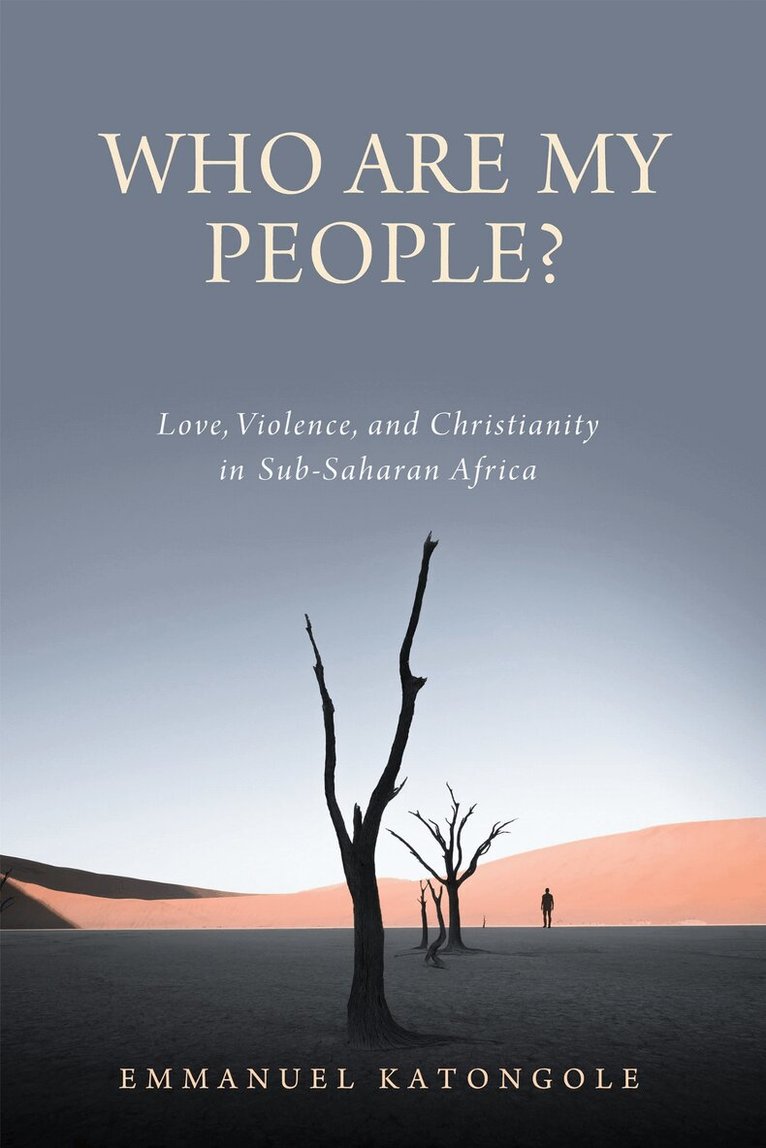
Who Are My People? explores the complex relationship between identity, violence, and Christianity in Africa.In Who Are My People?, Emmanuel Katongole examines what it means to be both an African and a Christian in a continent that is often riddled with violence. The driving assumption behind the investigation is that the recurring forms of violence in Africa reflect an ongoing crisis of belonging. Katongole traces the crisis through three key markers of identity: ethnicity, religion, and land. He highlights the unique modernity of the crisis of belonging and reveals that its manifestations of ethnic, religious, and ecological violence are not three separate forms of violence but rather modalities of the same crisis. This investigation shows that Christianity can generate and nurture alternative forms of community, nonviolent agency, and ecological possibilities.The book is divided into two parts. Part One deals with the philosophical and theological issues related to the question of African identity. Part Two includes three chapters, each of which engages a form of violence, locating it within the broader story of modern sub-Saharan Africa. Each chapter includes stories of Christian individuals and communities who not only resist violence but are determined to heal its wounds and the burden of history shaped by Africa's unique modernity. In doing so, they invent new forms of identity, new communities, and a new relationship with the land. This engaging, interdisciplinary study, combining philosophical analysis and theological exploration, along with theoretical argument and practical resources, will interest scholars and students of theology, peace studies, and African studies.
Beyond Universal Reason
The Relation Between Religion and Ethics in the Work of Stanley Hauerwas
Inbunden, Engelska, 2022
1 341 kr
Skickas inom 10-15 vardagar
In The Peaceable Kingdom Stanley Hauerwas claims that "to begin by asking what is the relation between theology and ethics is to have already made a mistake." Hauerwas's claim, and his contribution toward a socially constituted and historically embodied account of the moral life and moral reason, are often charged with sectarianism, relativism, and tribalism. Emmanuel Katongole defends Hauerwas's dismissal of the traditional philosophical "problem" of the relation between ethics and religion. It is, he argues, part of Hauerwas's wider attempt to set aside the dominant Kantian moral tradition. Standard fare in moral philosophy, inspired by that tradition, fosters a highly formal, ahistorical view of ethics that does not do justice to our experience of ourselves as moral agents.
272 kr
Skickas inom 5-8 vardagar
369 kr
Skickas inom 3-6 vardagar
334 kr
Skickas inom 3-6 vardagar
"The scholarship, wisdom, zeal, and pastoral insight…are an excellent contribution to the curricula of Catholic education and formation activities seeking to address the changing needs and views of modern and diverse societies in the hope of bridging the racial divide."—from the forewordThis collection of essays by various church scholars from the African continent presents a unique perspective on racism and outlines the challenges that we all face in being Church. The issues addressed include the concept of structural sin, the importance of identity, the idea of power and influence, and the effects of racism on the entire church community.Cardinal Peter Turkson was ordained to the priesthood in 1975 and was elevated to cardinal by Pope John Paul II in 2003. As the former Archbishop of Cape Coast, Ghana, and the Vatican's former president of the Pontifical Council for Justice and Peace and former prefect of the Dicastery for Promoting Integral Human Development, Cardinal Turkson is currently the chancellor of the Pontifical Academy of Sciences and of the Pontifical Academy of Social Sciences at the Vatican.Emmanuel Katongole is a priest of the Kampala Archdiocese, Uganda, where he was ordained in 1987. Fr. Katongole is a professor of theology and peace studies at the University of Notre Dame. He holds a joint appointment in the department of theology and in the Kroc Institute for International Peace Studies of the Keough School of Global Affairs.†
100 kr
Skickas inom 5-8 vardagar
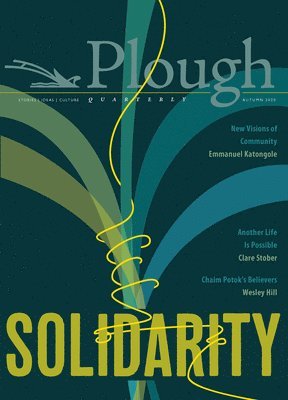
The summer of 2020 has shown us how much we all depend on one another.Whatever else they do, pandemics show us we are not alone. Covid-19 is proof that, yes, there is such a thing as society; the disease has spread precisely because we aren’t autonomous individuals disconnected from each other, but rather all belong to one great body of humanity. The pain inflicted by the pandemic is far from equally distributed. Yet it reveals ever more clearly how much we all depend on one another, and how urgently necessary it is for us to bear one another’s burdens.It’s a good time, then, to talk about solidarity. The more so because it’s a theme that’s also raised by this year’s other major development, the international protests for racial justice following George Floyd’s death. The protests, too, raised the question of solidarity in guilt, even guilt across generations. By taking up our common guilt with all humanity, we come into solidarity with the one who bears it and redeems it all. In Christ, sins are forgiven, guilt abolished, and a new way of living together becomes possible. This solidarity in forgiveness gives rise to a life of love.This issue of Plough explores what solidarity means, and what it looks like to live it out today, whether in Uganda, Bolivia, or South Korea, in an urban church, a Bruderhof, or a convent.
118 kr
Skickas inom 5-8 vardagar
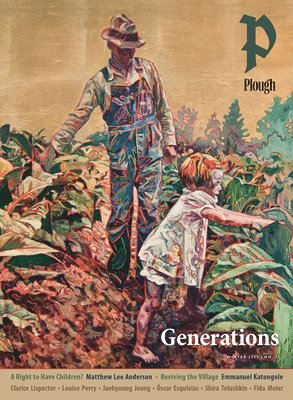
We’re born with a hunger for roots and a desire to pass on a legacy.The past two decades have seen a boom in family history services that combine genealogy with DNA testing, though this is less a sign of a robust connection to past generations than of its absence. Everywhere we see a pervasive rootlessness coupled with a cult of youth that thinks there is little to learn from our elders. The nursing home tragedies of the Covid-19 pandemic laid bare this devaluing of the old. But it’s not only the elderly who are negatively affected when the links between generations break down; the young lose out too. When the hollowing-out of intergenerational connections deprives youth of the sense of belonging to a story beyond themselves, other sources of identity, from trivial to noxious, will fill the void.Yet however important biological kinship is, the New Testament tells us it is less important than the family called into being by God’s promises. “Who is my mother, and who are my brothers?” Jesus asks a crowd of listeners, then answers: “Whoever does the will of my Father in heaven is my brother, and sister, and mother.” In this great intergenerational family, we are linked by a bond of brotherhood and sisterhood to believers from every era of the human story, past, present, and yet to be born. To be sure, our biological families and inheritances still matter, but heredity and blood kinship are no longer the primary source of our identity. Here is a cure for rootlessness.On this theme:- Matthew Lee Anderson argues that even in an age of IVF no one has a right to have a child.- Emmanuel Katongole describes how African Christians are responding to ecological degradation by returning to their roots.- Louise Perry worries that young environmentalist don’t want kids.- Helmuth Eiwen asks what we can do about the ongoing effects of the sins of our ancestors.- Terence Sweeney misses an absent father who left him nothing.- Wendy Kiyomi gives personal insight into the challenges of adopting children with trauma in their past.- Alastair Roberts decodes that long list of “begats” in Matthew’s Gospel.- Rhys Laverty explains why his hometown, Chessington, UK, is still a family-friendly neighborhood.- Springs Toledo recounts, for the first time, a buried family story of crime and forgiveness.- Monica Pelliccia profiles three generations of women who feed migrants riding the trains north.Also in the issue: - A new Christmas story by Óscar Esquivias, translated from the Spanish- Original poetry by Aaron Poochigian- Reviews of Kim Haines-Eitzen’s Sonorous Desert, Matthew P. Schneider’s God Loves the Autistic Mind, Adam Nicolson’s Life between the Tides, and Ash Davidson’s Damnation Spring.- An appreciation for Augustine’s mother, Monica- Short sketches by Clarice Lispector of her father and sonPlough Quarterly features stories, ideas, and culture for people eager to apply their faith to the challenges we face. Each issue includes in-depth articles, interviews, poetry, book reviews, and art.