Emmanuelle Labeau - Böcker
Visar alla böcker från författaren Emmanuelle Labeau. Handla med fri frakt och snabb leverans.
3 produkter
3 produkter
909 kr
Skickas inom 5-8 vardagar
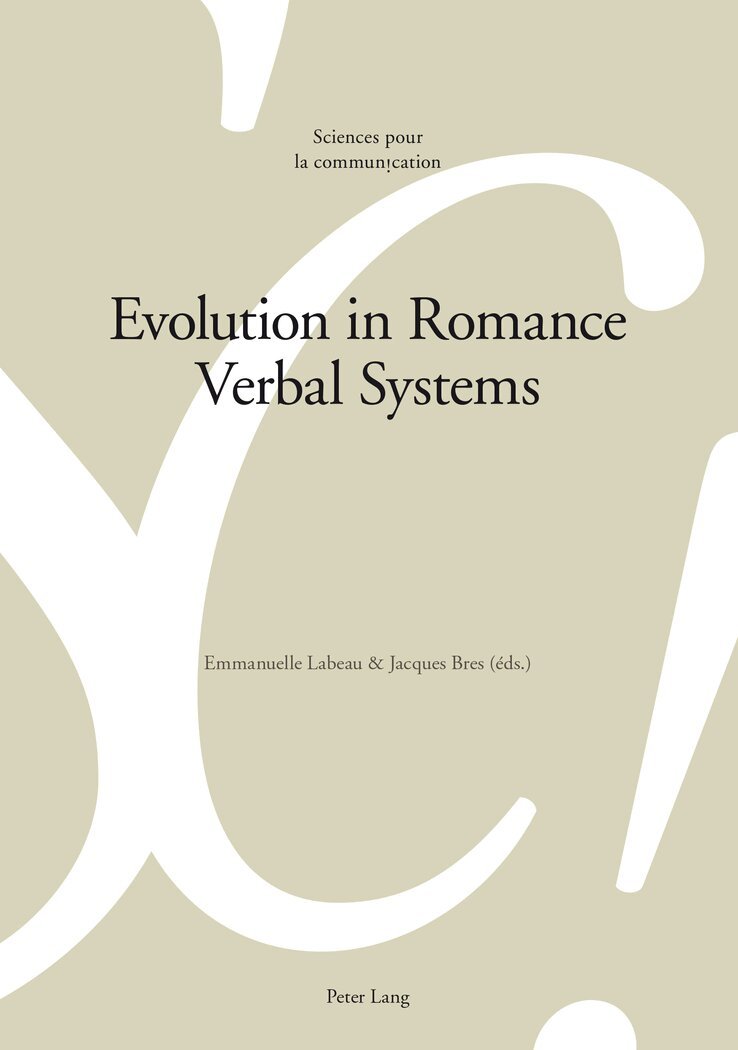
The present book focuses on evolution in the Romance verbal systems. In the wake of Bybee’s and Dahl’s studies, it advocates the benefits of adopting a cross-linguistic and diachronic approach to the study of linguistic phenomena. Within the scope of the Romance family, similar cross-linguistic evolution paths are explored, as related languages at different stages of grammaticalisation may shed light on each other’s developments. A diachronic dimension also proves desirable for several reasons. First, a diachronic approach significantly enhances the explanatory power of linguistic theory by showing how a specific form came to convey a certain function. Second, change is better revealed in diachronic movement than in static synchrony. Third, meaning constantly evolves and a one-off probe will be less revealing than a sustained study through time. Finally and most importantly, similarities across languages appear more obviously in diachrony. All the chapters of this volume participate in their own way to that crosslinguistic and diachronic approach and help make it an original, focused contribution that covers all main Romance languages.
813 kr
Skickas inom 5-8 vardagar
Del 18 - Empirical Approaches to Linguistic Theory
Decline of the French Passé Simple
Inbunden, Engelska, 2022
2 529 kr
Skickas inom 5-8 vardagar
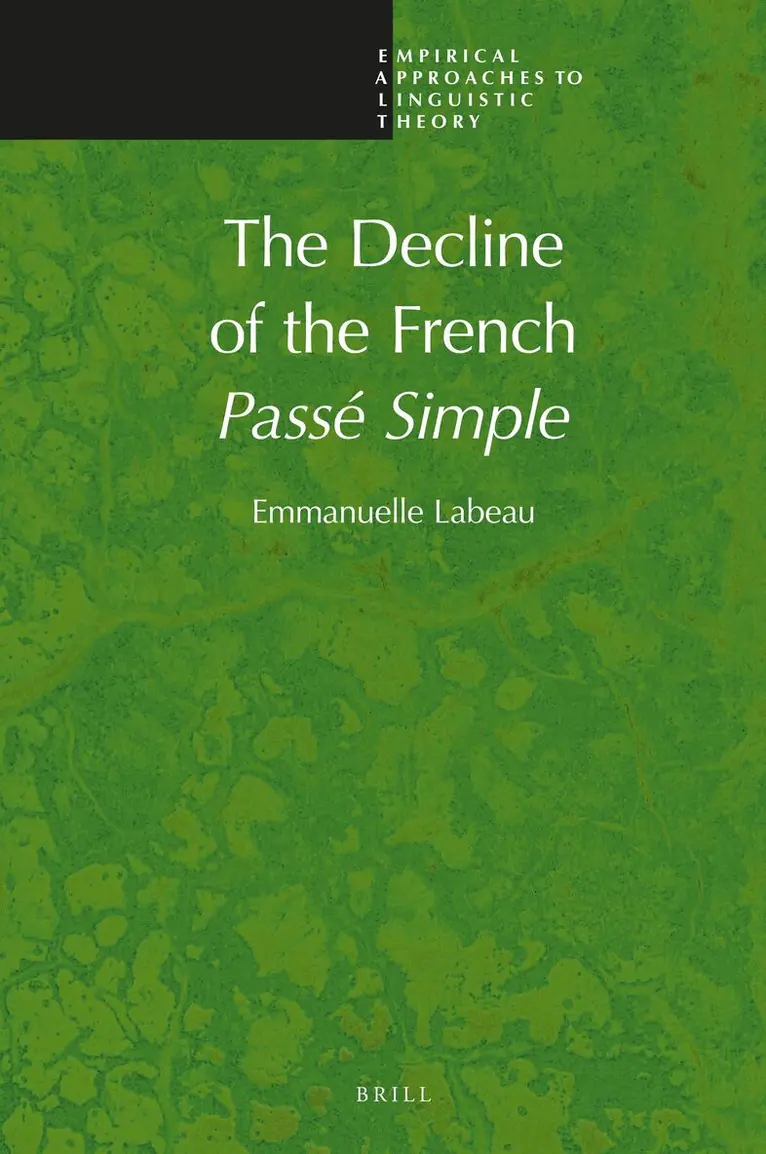
The disappearance of the French simple past has been hotly debated since the early 20th century. This volume offers an overview of its fortunes since French emerged as a language, provides a description of its distinctive features, and discusses the potential impact of its supposed demise on the whole French verb system. These assumptions are tested against a large corpus of contemporary texts. The study concludes that, despite the erosion of its meaning and its increasingly infrequent use, the simple past tense is still used by native speakers in various contexts, and no single substitute has yet emerged. Nevertheless, the simple past may be evolving into a stylistic marker, making it fertile ground for future cross-linguistic studies.