Ennis Barrington Edmonds – författare
Visar alla böcker från författaren Ennis Barrington Edmonds. Handla med fri frakt och snabb leverans.
4 produkter
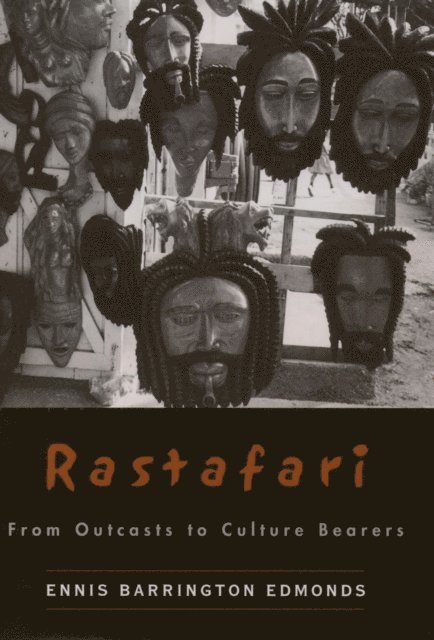
Rastafari
From Outcasts to Cultural Bearers
E-bok, 2002
391 kr
Lägg i varukorg
Once an obscure group of outcasts from the ghettoes of West Kingston, Jamaica, the Rastafarians have transformed themselves into a vibrant movement, firmly grounded in Jamaican society and beyond. In Rastafari, Ennis Barrington Edmonds provides a compelling portrait of the Rastafarian phenomenon …
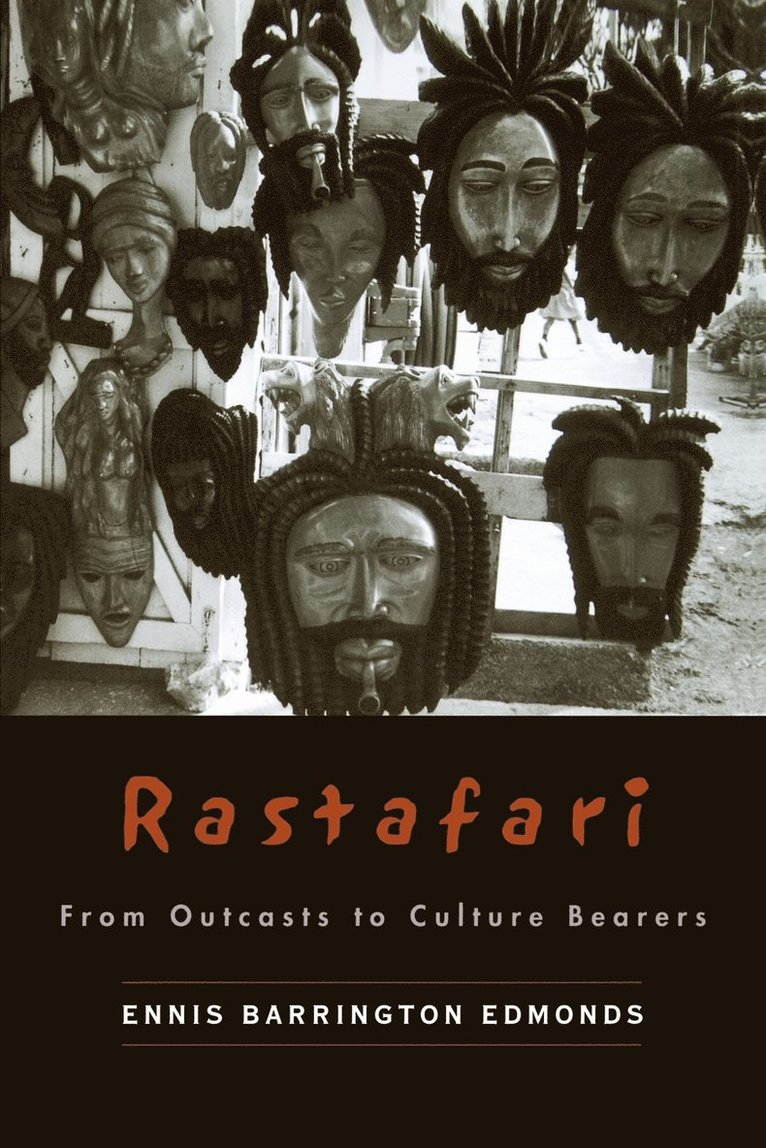
Rastafari
From Outcasts to Culture Bearers
Inbunden, 2003
1726 kr
Lägg i varukorg
Rastafari. The word immediately conjures a host of strong, disparate images. To some, the Rastafarian Movement, which emerged from the ghettos of Jamaica in the 1930s, is embodied by a dreadlocked youth in a haze of marijuana smoke. To others, it represents an authentic, organic expression of …
Rastafari
From Outcasts to Cultural Bearers
Häftad, 2008
569 kr
Lägg i varukorg
Once an obscure group of outcasts from the ghettoes of West Kingston, Jamaica, the Rastafarians have transformed themselves into a vibrant movement, firmly grounded in Jamaican society and beyond. In Rastafari, Ennis Barrington Edmonds provides a compelling portrait of the Rastafarian phenomenon …
Rastafari
From Outcasts to Cultural Bearers
E-bok, 2002
391 kr
Lägg i varukorg
Once an obscure group of outcasts from the ghettoes of West Kingston, Jamaica, the Rastafarians have transformed themselves into a vibrant movement, firmly grounded in Jamaican society and beyond. In Rastafari, Ennis Barrington Edmonds provides a compelling portrait of the Rastafarian phenomenon …