Enrique Rodríguez-Alegría - Böcker
Visar alla böcker från författaren Enrique Rodríguez-Alegría. Handla med fri frakt och snabb leverans.
4 produkter
4 produkter
701 kr
Skickas inom 7-10 vardagar
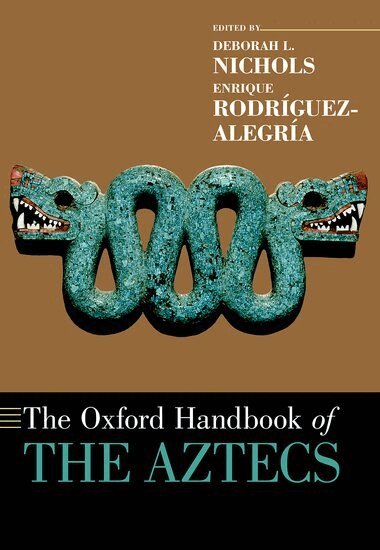
The Oxford Handbook of the Aztecs, the first of its kind, provides a current overview of recent research on the Aztec empire, the best documented prehispanic society in the Americas. Chapters span from the establishment of Aztec city-states to the encounter with the Spanish empire and the Colonial period that shaped the modern world. Articles in the Handbook take up new research trends and methodologies and current debates. The Handbook articles are divided into seven parts. Part I, Archaeology of the Aztecs, introduces the Aztecs, as well as Aztec studies today, including the recent practice of archaeology, ethnohistory, museum studies, and conservation. The articles in Part II, Historical Change, provide a long-term view of the Aztecs starting with important predecessors, the development of Aztec city-states and imperialism, and ending with a discussion of the encounter of the Aztec and Spanish empires. Articles also discuss Aztec notions of history, writing, and time. Part III, Landscapes and Places, describes the Aztec world in terms of its geography, ecology, and demography at varying scales from households to cities. Part IV,Economic and Social Relations in the Aztec Empire, discusses the ethnic complexity of the Aztec world and social and economic relations that have been a major focus of archaeology. Articles in Part V, Aztec Provinces, Friends, and Foes, focuses on the Aztec's dynamic relations with distant provinces, and empires and groups that resisted conquest, and even allied with the Spanish to overthrow the Aztec king. This is followed by Part VI, Ritual, Belief, and Religion, which examines the different beliefs and rituals that formed Aztec religion and their worldview, as well as the material culture of religious practice. The final section of the volume, Aztecs after the Conquest, carries the Aztecs through the post-conquest period, an increasingly important area of archaeological work, and considers the place of the Aztecs in the modern world.
1 319 kr
Skickas inom 5-8 vardagar
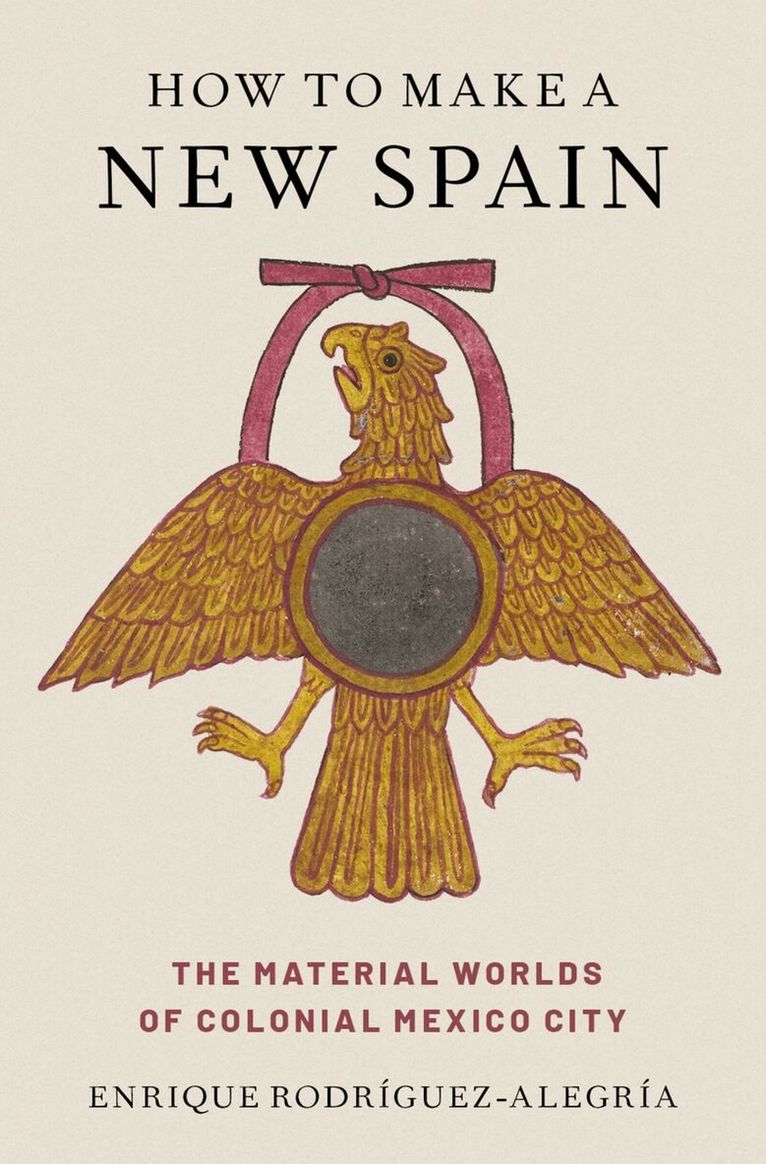
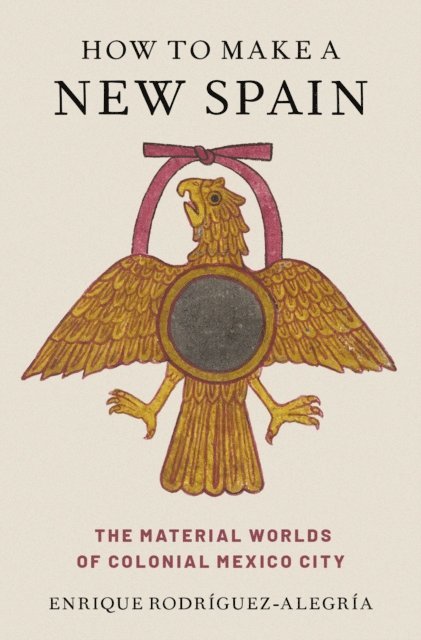
How to Make a New Spain presents an unprecedented view of the material worlds of Mexico City in the sixteenth century, drawing from a combination of sources and methodologies. It presents the author's original analysis of over 11,000 items in the probate inventories of thirty-nine Spanish colonizers. It also synthesizes information from archaeological excavations of Spanish houses at the center of Mexico City. The book begins with a critique of theories of materiality, in which scholars emphasize the agency of things at the expense of an investigation of social relationships. Rodríguez-Alegría argues that now that scholars have shown that the descendants of the Mexica (often known as the Aztecs) maintained social and political power in the colonial period, we should reexamine how Indigenous people, colonizers, and Black people together created the material and social worlds of colonial Mexico. The book assimilates information on architecture, money, clothing, furniture, pottery, slaves, livestock, and tools to provide a new vision of daily life in colonial Mexico City. It shows that colonialism was based on the recognition of people of similar classes across ethnic boundaries, and on the forging of relationships with powerful Indigenous people. Even colonizers who sought to display distinction from Indigenous people with their material culture depended on Indigenous products and technology to achieve that distinction. The complex history of materiality and power that emerges from this book compels us to reimagine colonial Mexico and the people who created it.
2 258 kr
Skickas inom 5-8 vardagar
The Oxford Handbook of the Aztecs, the first of its kind, provides a current overview of recent research on the Aztec empire, the best documented prehispanic society in the Americas. Chapters span from the establishment of Aztec city-states to the encounter with the Spanish empire and the Colonial period that shaped the modern world. Articles in the Handbook take up new research trends and methodologies and current debates. The Handbook articles are divided into seven parts. Part I, Archaeology of the Aztecs, introduces the Aztecs, as well as Aztec studies today, including the recent practice of archaeology, ethnohistory, museum studies, and conservation. The articles in Part II, Historical Change, provide a long-term view of the Aztecs starting with important predecessors, the development of Aztec city-states and imperialism, and ending with a discussion of the encounter of the Aztec and Spanish empires. Articles also discuss Aztec notions of history, writing, and time. Part III, Landscapes and Places, describes the Aztec world in terms of its geography, ecology, and demography at varying scales from households to cities. Part IV,Economic and Social Relations in the Aztec Empire, discusses the ethnic complexity of the Aztec world and social and economic relations that have been a major focus of archaeology. Articles in Part V, Aztec Provinces, Friends, and Foes, focuses on the Aztec's dynamic relations with distant provinces, and empires and groups that resisted conquest, and even allied with the Spanish to overthrow the Aztec king. This is followed by Part VI, Ritual, Belief, and Religion, which examines the different beliefs and rituals that formed Aztec religion and their worldview, as well as the material culture of religious practice. The final section of the volume, Aztecs after the Conquest, carries the Aztecs through the post-conquest period, an increasingly important area of archaeological work, and considers the place of the Aztecs in the modern world.
855 kr
Tillfälligt slut
Although the archaeology of food has long played an integral role in our understanding of past cultures, the archaeology of cooking is rarely integrated into models of the past. The cooks who spent countless hours cooking and processing food are overlooked and the forgotten players in the daily lives of our ancestors. The Menial Art of Cooking shows how cooking activities provide a window into other aspects of society and, as such, should be taken seriously as an aspect of social, cultural, political, and economic life.This book examines techniques and technologies of food preparation, the spaces where food was cooked, the relationship between cooking and changes in suprahousehold economies, the religious and symbolic aspects of cooking, the relationship between cooking and social identity, and how examining foodways provides insight into social relations of production, distribution, and consumption. Contributors use a wide variety of evidence-including archaeological data; archival research; analysis of ceramics, fauna, botany, glass artifacts, stone tools, murals, and painted ceramics; ethnographic analogy; and the distribution of artifacts across space-to identify signs of cooking and food processing left by ancient cooks.The Menial Art of Cooking is the first archaeological volume focused on cooking and food preparation in prehistoric and historic settings around the world and will interest archaeologists, social anthropologists, sociologists, and other scholars studying cooking and food preparation or subsistence.