Epp Annus – författare
Visar alla böcker från författaren Epp Annus. Handla med fri frakt och snabb leverans.
11 produkter
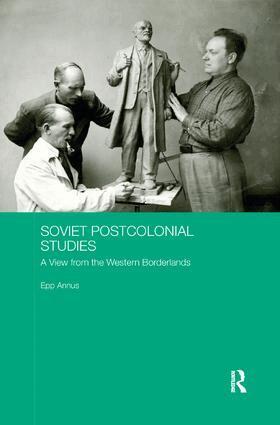
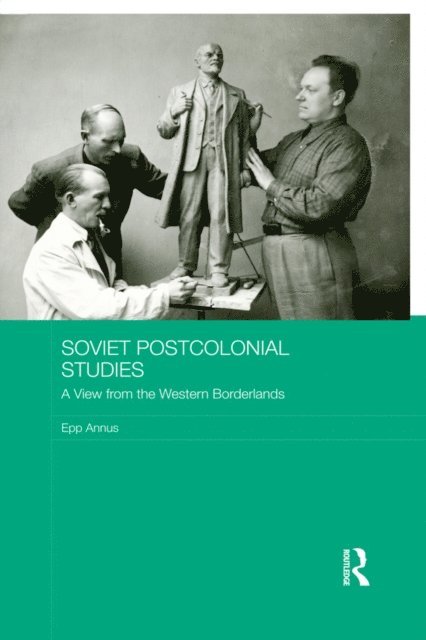
Soviet Postcolonial Studies
A View from the Western Borderlands
Av Epp Annus
Häftad, 2019
847 kr
Lägg i varukorg
Postcolonial studies is a well-established academic field, rich in theory, but it is based mostly on postcolonial experiences in former West European colonial empires. This book takes a different approach, considering postcolonial theory in relation to the former Soviet bloc. It both applies …
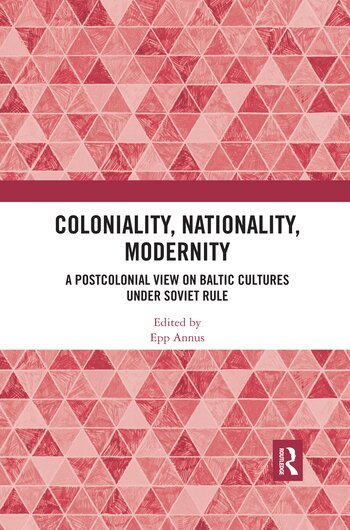
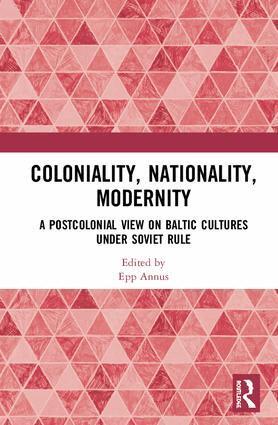
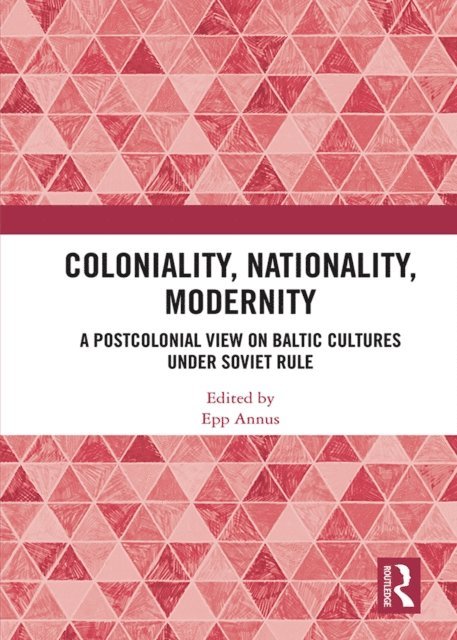
Coloniality, Nationality, Modernity
A Postcolonial View on Baltic Cultures under Soviet Rule
Av Epp Annus
Häftad, 2020
712 kr
Lägg i varukorg
Soviet postcolonial studies is an emerging field of critical inquiry, with its locus of interest in colonial aspects of the Soviet experience in the USSR and beyond. The articles in this collection offer a postcolonial perspective on Baltic societies and cultures – that is, a perspective sensitive …
Soviet Postcolonial Studies
A View from the Western Borderlands
Av Epp Annus
Inbunden, 2017
2586 kr
Lägg i varukorg
Postcolonial studies is a well-established academic field, rich in theory, but it is based mostly on postcolonial experiences in former West European colonial empires. This book takes a different approach, considering postcolonial theory in relation to the former Soviet bloc. It both applies …
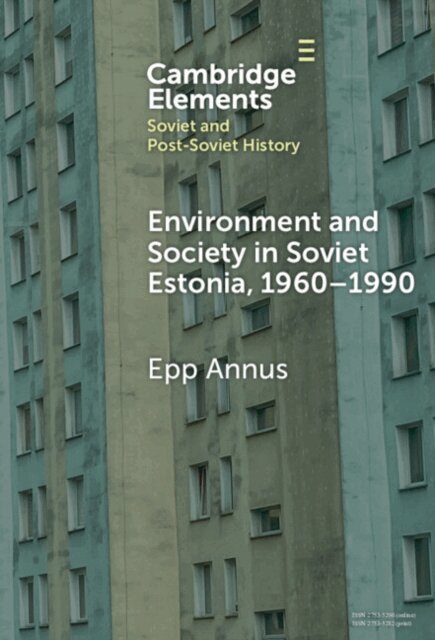
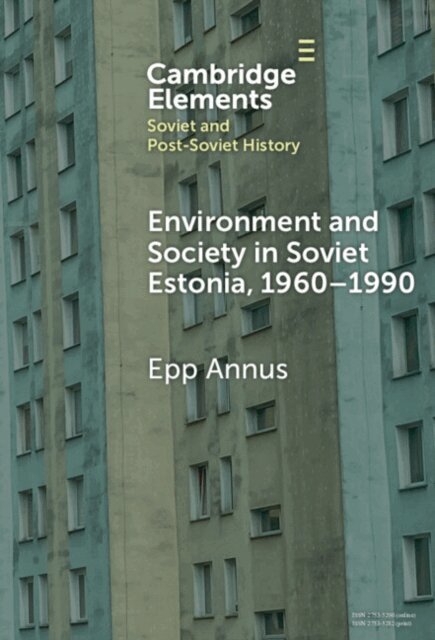
Environment and Society in Soviet Estonia, 1960-1990
An Intimate Cultural History
Av Epp Annus
E-bok, 2025
280 kr
Lägg i varukorg
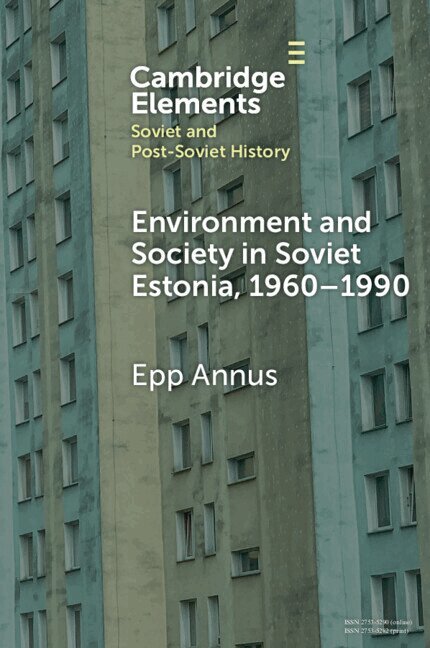
Environment and Society in Soviet Estonia, 1960-1990
An Intimate Cultural History
Av Epp Annus
E-bok, 2025
286 kr
Lägg i varukorg
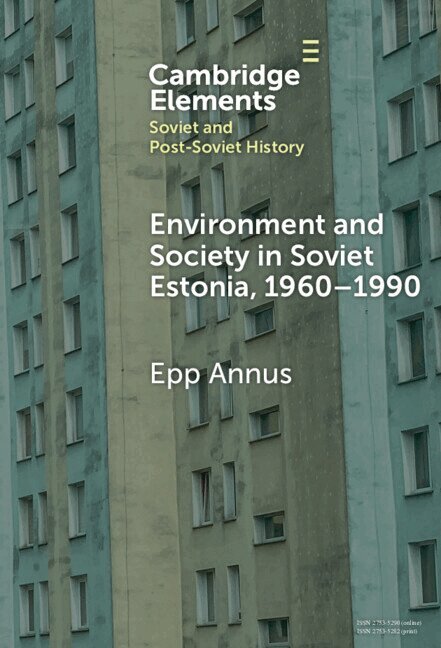
Environment and Society in Soviet Estonia, 1960-1990
An Intimate Cultural History
Av Epp Annus
Häftad, 2025
301 kr
Lägg i varukorg
Russia's twenty-first-century military aggression has inspired calls for re-thinking the Soviet era and its aftermath - in particular, for drawing attention to the non-Russian parts of the (former) USSR. At the same time, the present era of anthropogenic climate change urges us to consider the …
Environment and Society in Soviet Estonia, 1960-1990
An Intimate Cultural History
Av Epp Annus
Inbunden, 2025
854 kr
Lägg i varukorg
Russia's twenty-first-century military aggression has inspired calls for re-thinking the Soviet era and its aftermath - in particular, for drawing attention to the non-Russian parts of the (former) USSR. At the same time, the present era of anthropogenic climate change urges us to consider the …
Coloniality, Nationality, Modernity
A Postcolonial View on Baltic Cultures under Soviet Rule
Av Epp Annus
Inbunden, 2018
2586 kr
Lägg i varukorg
Soviet postcolonial studies is an emerging field of critical inquiry, with its locus of interest in colonial aspects of the Soviet experience in the USSR and beyond. The articles in this collection offer a postcolonial perspective on Baltic societies and cultures – that is, a perspective sensitive …
Coloniality, Nationality, Modernity
A Postcolonial View on Baltic Cultures under Soviet Rule
Av Epp Annus
E-bok, 2018
796 kr
Lägg i varukorg
Soviet postcolonial studies is an emerging field of critical inquiry, with its locus of interest in colonial aspects of the Soviet experience in the USSR and beyond. The articles in this collection offer a postcolonial perspective on Baltic societies and cultures – that is, a perspective sensitive …
Soviet Postcolonial Studies
A View from the Western Borderlands
Av Epp Annus
E-bok, 2017
970 kr
Lägg i varukorg
Postcolonial studies is a well-established academic field, rich in theory, but it is based mostly on postcolonial experiences in former West European colonial empires. This book takes a different approach, considering postcolonial theory in relation to the former Soviet bloc. It both applies …
Soviet Postcolonial Studies
A View from the Western Borderlands
Av Epp Annus
E-bok, 2017
939 kr
Lägg i varukorg
Postcolonial studies is a well-established academic field, rich in theory, but it is based mostly on postcolonial experiences in former West European colonial empires. This book takes a different approach, considering postcolonial theory in relation to the former Soviet bloc. It both applies …