Eric Descheemaeker – författare
Visar alla böcker från författaren Eric Descheemaeker. Handla med fri frakt och snabb leverans.
8 produkter
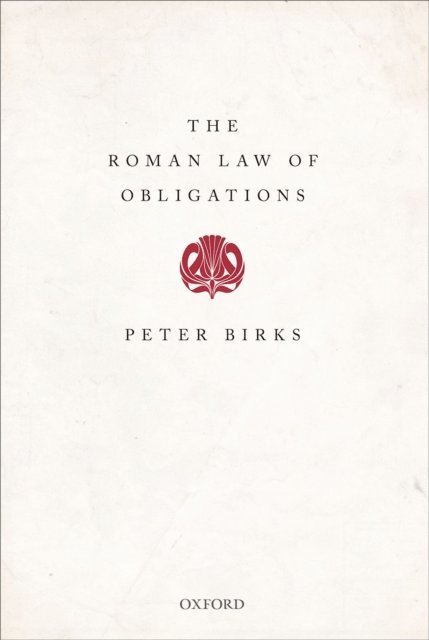
Roman Law of Obligations
Av Peter Birks, Eric Descheemaeker
E-bok, 2014
641 kr
Lägg i varukorg
The Roman Law of Obligations presents a series of lectures delivered by the late Peter Birks as an introductory course in Roman law. Discovered in complete manuscript form following his death, the lectures are published here in paperback for the first time. The lectures present a clear conceptual …
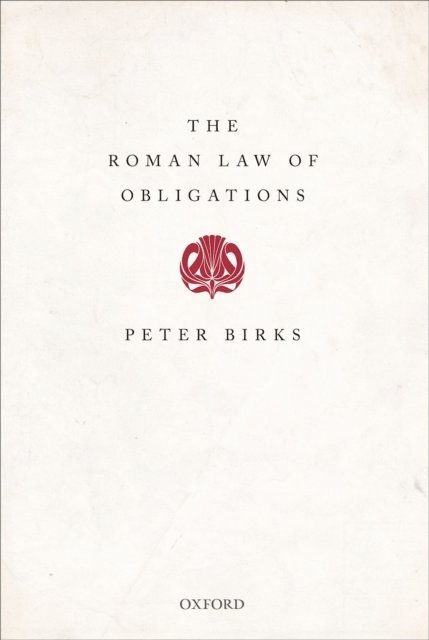
Roman Law of Obligations
Av Peter Birks, Eric Descheemaeker
E-bok, 2014
641 kr
Lägg i varukorg
The Roman Law of Obligations presents a series of lectures delivered by the late Peter Birks as an introductory course in Roman law. Discovered in complete manuscript form following his death, the lectures are published here in paperback for the first time. The lectures present a clear conceptual …
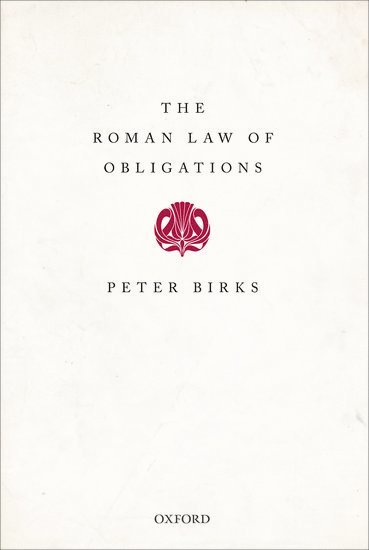
The Roman Law of Obligations
Av Peter Birks, Eric Descheemaeker
Inbunden, 2014
1952 kr
Lägg i varukorg
The Roman Law of Obligations presents a series of lectures delivered by the late Peter Birks as an introductory course in Roman law. Discovered in complete manuscript form following his death, the lectures are published here for the first time.The lectures present a clear conceptual map of the …
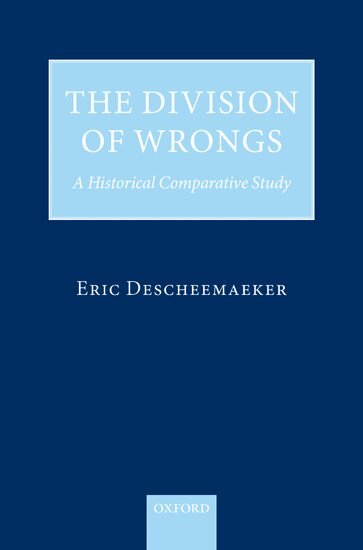
The Division of Wrongs
A Historical Comparative Study
Inbunden, 2009
2518 kr
Lägg i varukorg
The common law, despite procedural divisions, has only ever had one class of civil wrongs. The civilians, by contrast, have typically split their law of wrongs in two, one group being called delicts and the other quasi-delicts. Yet this division, which originated in Roman law, remains mysterious: …
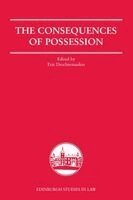
Consequences of Possession
Häftad, 2026
231 kr
Kommande
Provides key entry points into the broad subject of possession in a comparative perspective. Although possession is a topic which has been researched for centuries, there is a surprising dearth of comparative materials and also very little available in English about the law of non-Anglophone …
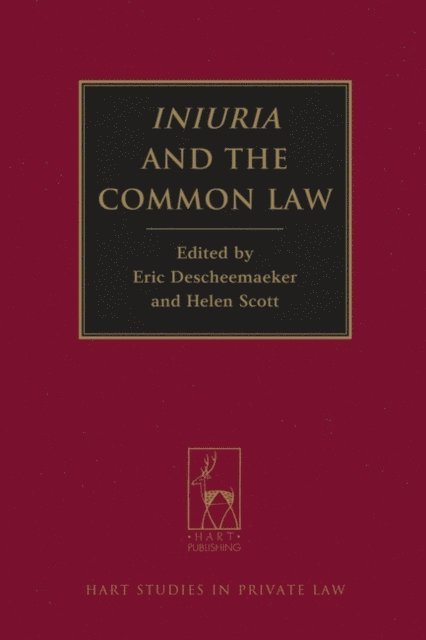
Iniuria and the Common Law
Av Eric Descheemaeker, Helen Scott
E-bok, 2013
1362 kr
Lägg i varukorg
The delict of iniuria is among the most sophisticated products of the Roman legal tradition. The original focus of the delict was assault, although iniuria-literally a wrong or unlawful act-indicated a very wide potential scope. Yet it quickly grew to include sexual harassment and defamation, and …
Iniuria and the Common Law
Av Eric Descheemaeker, Helen Scott
E-bok, 2014
1362 kr
Lägg i varukorg
The delict of iniuria is among the most sophisticated products of the Roman legal tradition. The original focus of the delict was assault, although iniuria-literally a wrong or unlawful act-indicated a very wide potential scope. Yet it quickly grew to include sexual harassment and defamation, and …
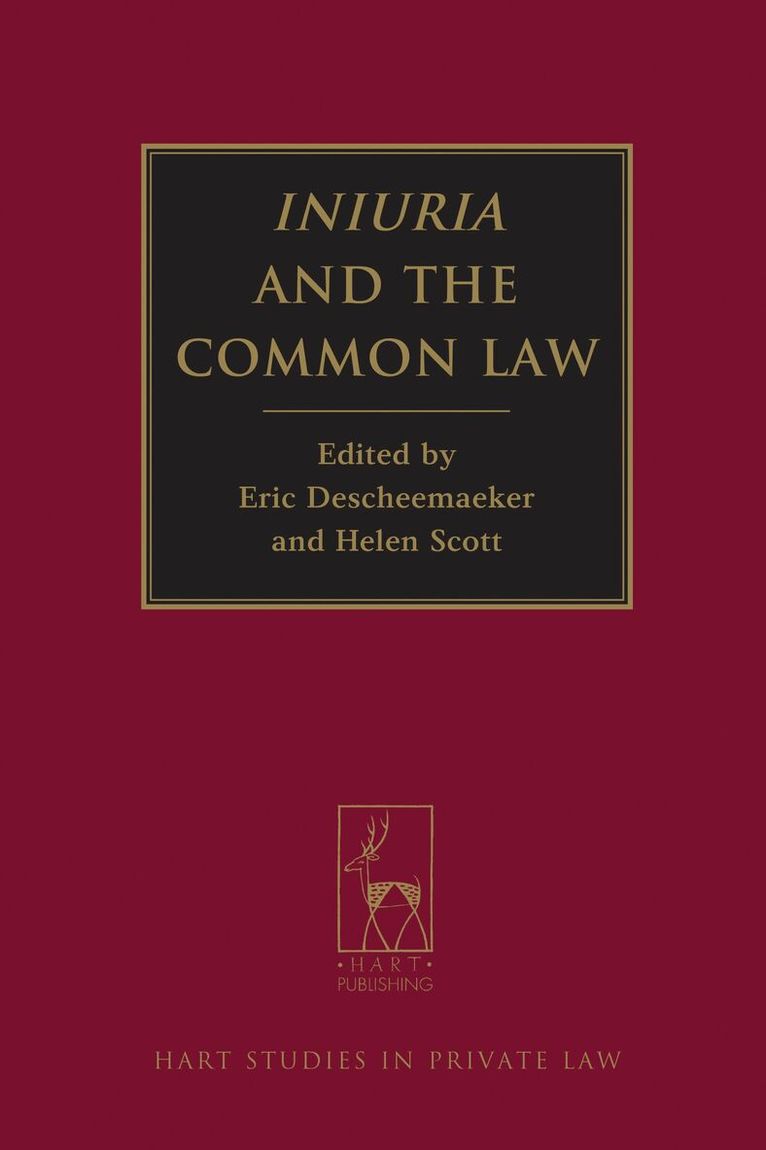
Iniuria and the Common Law
Av Eric Descheemaeker, Helen Scott
Inbunden, 2013
1245 kr
Lägg i varukorg
The delict of iniuria is among the most sophisticated products of the Roman legal tradition. The original focus of the delict was assault, although iniuria-literally a wrong or unlawful act-indicated a very wide potential scope. Yet it quickly grew to include sexual harassment and defamation, and …