Eric Gordy - Böcker
Visar alla böcker från författaren Eric Gordy. Handla med fri frakt och snabb leverans.
3 produkter
3 produkter
804 kr
Skickas inom 10-15 vardagar
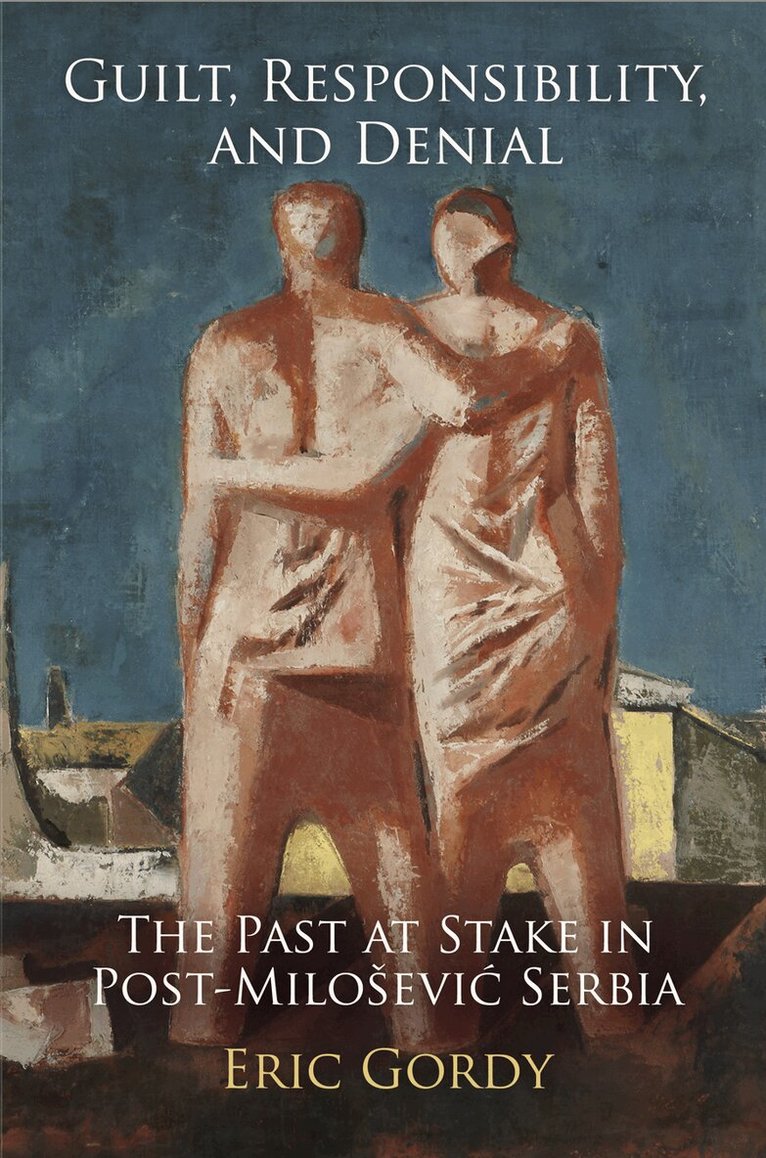
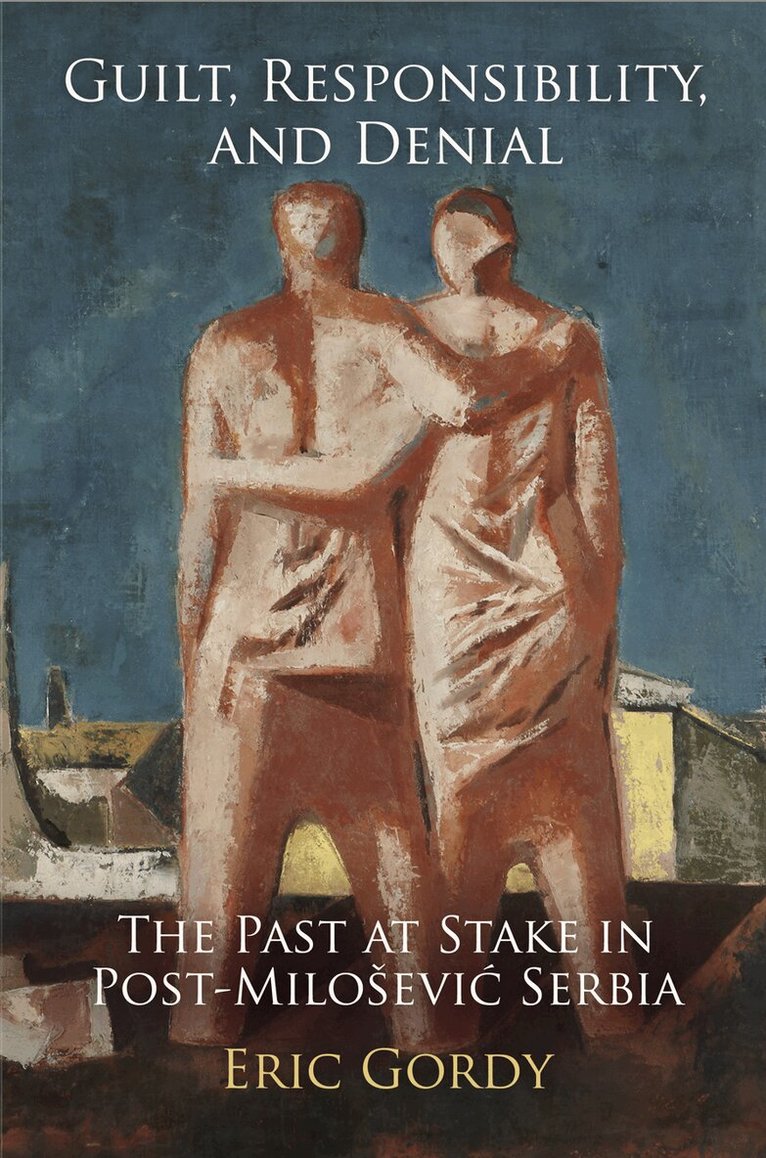
When the regime led by Slobodan MiloŠević came to an end in October 2000, expectations for social transformation in Serbia and the rest of the Balkans were high. The international community declared that an era of human rights had begun, while domestic actors hoped that the conditions that had made a violent dictatorship possible could be eliminated. More than a decade after the International Criminal Tribunal for the Former Yugoslavia initiated the process of bringing violators of international humanitarian law to justice, significant legal precedents and facts have been established, yet considerable gaps in the historical record, along with denial and disagreements, continue to exist in the public memory of the Yugoslav wars.Guilt, Responsibility, and Denial sets out to trace the political, social, and moral challenges that Serbia faced from 2000 onward, offering an empirically rich and theoretically broad account of what was demanded of the country's citizens as well its political leadership-and how these challenges were alternately confronted and ignored. Eric Gordy makes extensive use of Serbian media to capture the internal debate surrounding the legacy of the country's war crimes, providing one of the first studies to examine international institutional efforts to build a set of public memories alongside domestic Serbian political reaction. By combining news accounts, courtroom transcripts, online discussions, and his own field research, Gordy explores how the conflicts and crimes that were committed under MiloŠević came to be understood by the people of Serbia and, more broadly, how projects of transitional justice affect the ways society faces issues of guilt and responsibility. In charting the legal, political, and cultural forces that shape public memory, Guilt, Responsibility, and Denial promises to become a standard resource for studies of Serbia as well as the workings of international and domestic justice in dealing with the aftermath of war crimes.
Del 22 - Interdisciplinary Studies on Central and Eastern Europe
Meaningful reform in the Western Balkans
Between formal institutions and informal practices
Häftad, Engelska, 2019
819 kr
Skickas inom 5-8 vardagar
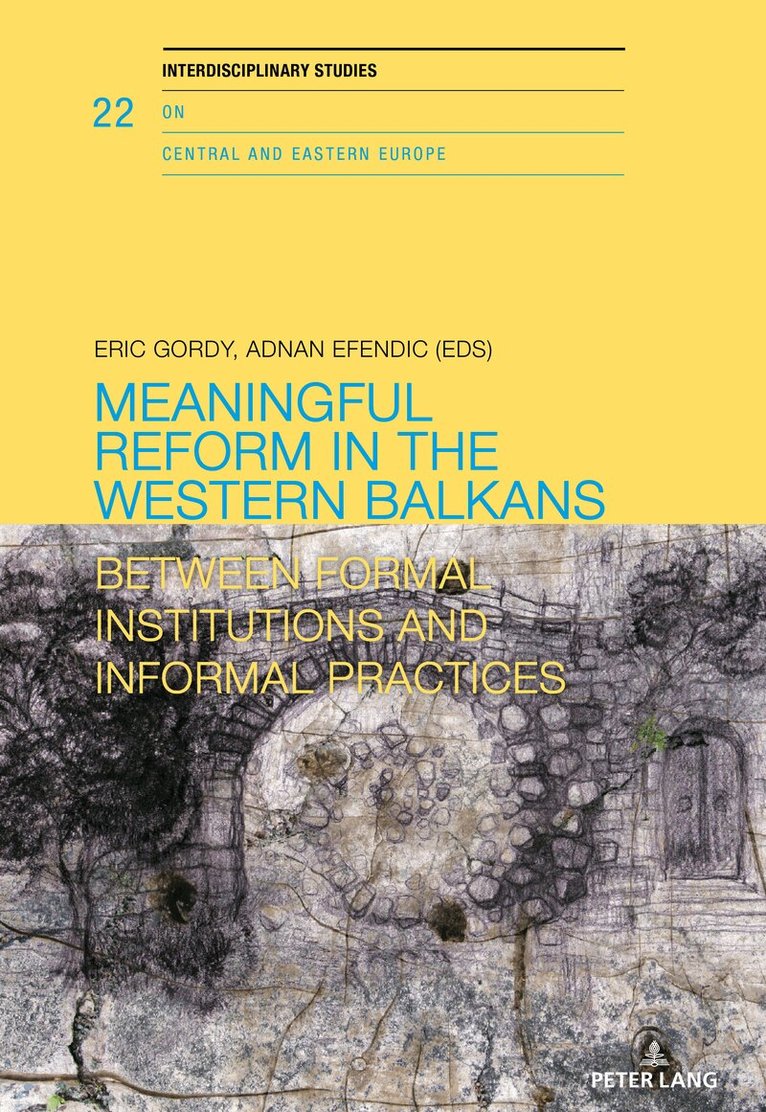
This book contains collection of articles which provide policy implications related to the problem of achieving substantive reform on the basis of harmonising legislation in Western Balkan (WB) countries with the standards of the European Union (EU). While WB states have generally been successful in adopting legal reforms that make up a part of EU conditionality, many laws remain unenforced, amounting to "empty shells." In the space between law, as it is written, and practices as they are engaged in everyday life, exists a gap, characterized by informality, clientelism, and exchange often based on strong tie relationships. Some instances of informality undermine the goal of establishing rule law and contribute to corruption. Others offer valuable solutions to persistent social problems or represent traditional vehicles of social cohesion that should be promoted. The recommendations in this book seek to address both constructive and damaging instances of informality, and to identify policy measures that can help to harmonise not only legislation, but existing informal practices on the ground.
1 498 kr
Skickas inom 7-10 vardagar
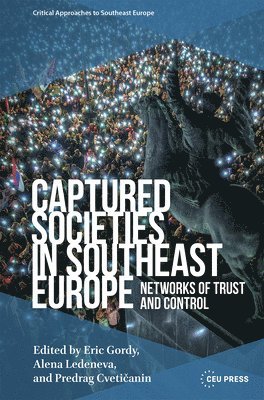
In Southeast Europe, there is a growing disjunction between “the way the world is” and the world that is described by law. The informal practices that address problems when formal institutions fail can be celebrated as spaces of creative problem-solving, or criticized as spaces for favouritism and corruption. When ruling political parties control informal networks, they consolidate the hold of unaccountable actors on power, moving from state capture to societal capture. This book presents findings from a collaborative, multidisciplinary research project. Over three years, a group of forty researchers examined informal practices in nine Southeast European states, adopting a mix of qualitative and quantitative methodologies. This close look at the Balkans illuminates persistent deficits in state legitimacy and capacity. The evidence allows a critical assessment of “Europeanisation” processes that produce only superficial formal changes, and of ways that networks of mutual assistance turn into instruments of social control and closure.