Eric Grynaviski – författare
Visar alla böcker från författaren Eric Grynaviski. Handla med fri frakt och snabb leverans.
5 produkter
5 produkter
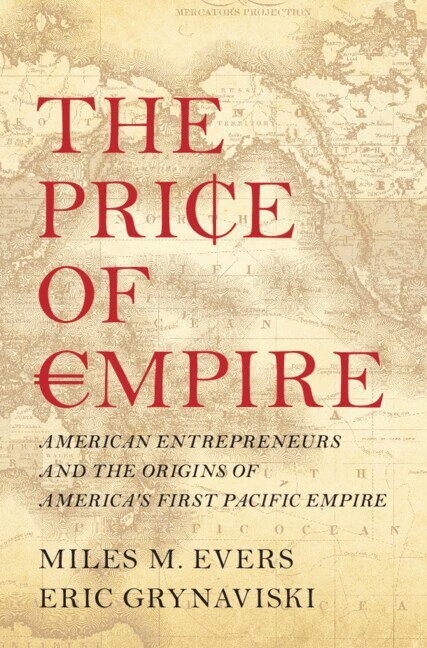
The Price of Empire
American Entrepreneurs and the Origins of America's First Pacific Empire
Häftad, Engelska, 2024
305 kr
Skickas inom 7-10 vardagar
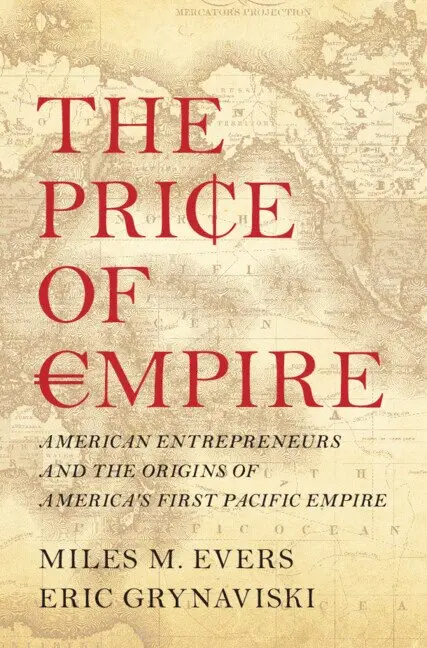
The United States was an upside-down British Empire. It had an agrarian economy, few large investors, and no territorial holdings outside of North America. However, decades before the Spanish-American War, the United States quietly began to establish an empire across thousands of miles of Pacific Ocean. While conventional wisdom suggests that large interests - the military and major business interests - drove American imperialism, The Price of Empire argues that early American imperialism was driven by small entrepreneurs. When commodity prices boomed, these small entrepreneurs took risks, racing ahead of the American state. Yet when profits were threatened, they clamoured for the US government to follow them into the Pacific. Through novel, intriguing stories of American small businessmen, this book shows how American entrepreneurs manipulated the United States into pursuing imperial projects in the Pacific. It explores their travels abroad and highlights the consequences of contemporary struggles for justice in the Pacific.
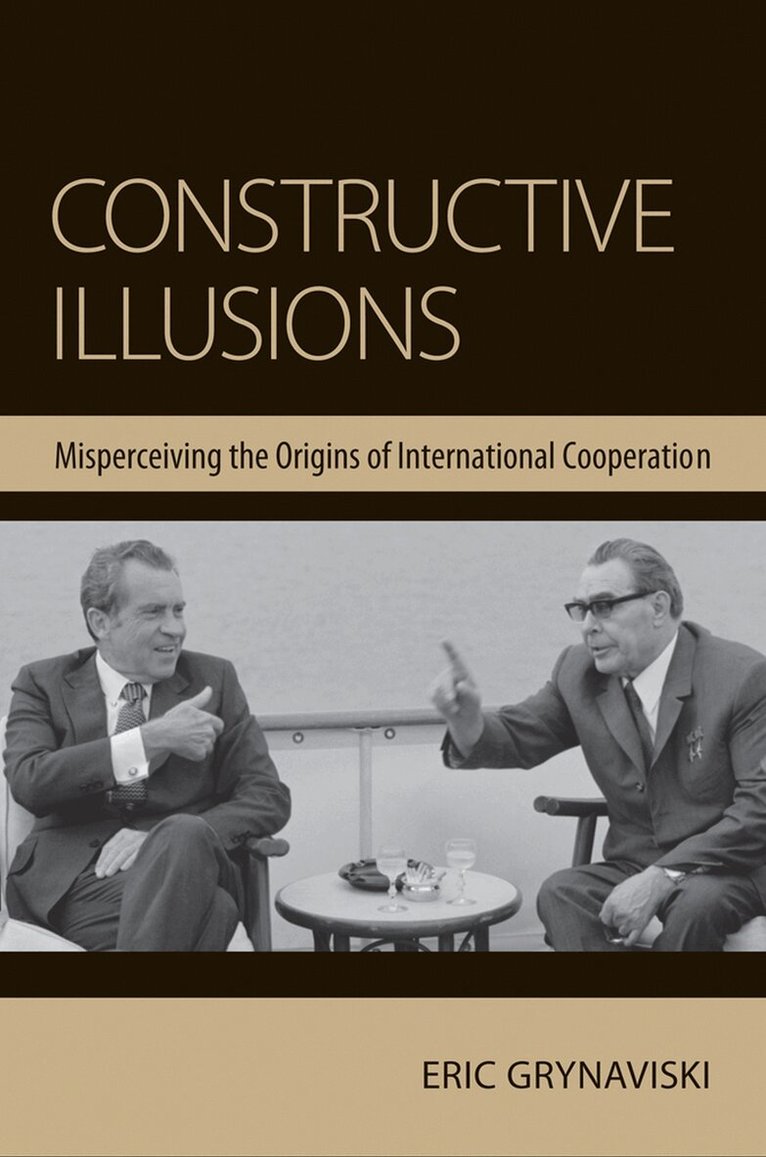
Constructive Illusions
Misperceiving the Origins of International Cooperation
Inbunden, Engelska, 2014
561 kr
Skickas inom 7-10 vardagar
Are the best international agreements products of mutual understanding? The conventional wisdom in economics, sociology, and political science is that accurate perceptions of others' interests, beliefs, and ideologies promote cooperation. Obstacles to international cooperation therefore emerge from misperception and misunderstanding. In Constructive Illusions, Eric Grynaviski challenges this conventional wisdom by arguing that when nations wrongly believe they share a mutual understanding, international cooperation is actually more likely, and more productive, than if they had a genuine understanding of each other's position. Mutual understanding can lead to breakdowns in cooperation by revealing intractable conflicts of interest, identity, and ideology. Incorrectly assuming a mutual understanding exists, in contrast, can enhance cooperation by making actors confident that collaborative ventures are in both parties' best interest and that both parties have a reliable understanding of the terms of cooperation. Grynaviski shows how such constructive misunderstandings allowed for cooperation between the United States and the Soviet Union between 1972 and 1979.During détente, the superpowers reached more than 150 agreements, established standing consultative committees, regularly held high-level summit meetings, and engaged in global crisis management. The turn from enmity to cooperation was so stark that many observers predicted a permanent end to the Cold War. Why did the superpowers move from confrontation to cooperation? Grynaviski's theory of the role of misunderstanding in cooperation provides an explanation that is significantly different from liberal institutionalist and constructivist approaches. This book's central claim is that states can form what French president Valéry Giscard d'Estaing called "a superb agreement based on complete misunderstanding."
The Price of Empire
American Entrepreneurs and the Origins of America's First Pacific Empire
Inbunden, Engelska, 2024
956 kr
Skickas inom 7-10 vardagar
The United States was an upside-down British Empire. It had an agrarian economy, few large investors, and no territorial holdings outside of North America. However, decades before the Spanish-American War, the United States quietly began to establish an empire across thousands of miles of Pacific Ocean. While conventional wisdom suggests that large interests - the military and major business interests - drove American imperialism, The Price of Empire argues that early American imperialism was driven by small entrepreneurs. When commodity prices boomed, these small entrepreneurs took risks, racing ahead of the American state. Yet when profits were threatened, they clamoured for the US government to follow them into the Pacific. Through novel, intriguing stories of American small businessmen, this book shows how American entrepreneurs manipulated the United States into pursuing imperial projects in the Pacific. It explores their travels abroad and highlights the consequences of contemporary struggles for justice in the Pacific.
1 282 kr
Skickas inom 7-10 vardagar
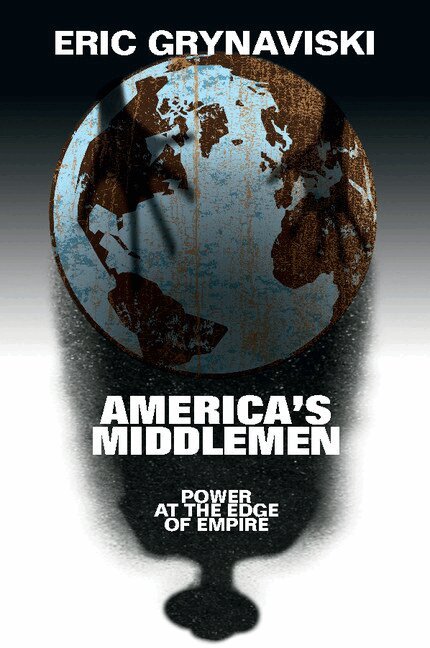
Throughout American political history, the US government has formed alliances with militias, tribes, and rebels. Sometimes, these alliances have been successful, dramatically reshaping the battlefield. But these alliances have also risked creating larger wars in regions where the United States had no real interest. Understanding these alliances - and much of American political history - requires moving beyond our normal focus on traditional diplomats or social elites. Traders, missionaries, former slaves, and low-level government employees drove these alliances. These intermediaries used their relationships across borders to shape security politics, affecting American and thereby world history. Skillfully integrating political science with history and sociology, Eric Grynaviski provides a novel account of who matters and why in international politics. By developing broader views about political agency - how people come to make a difference in world politics - he brings into focus new histories of world politics and how they matter for scholars and the public.
330 kr
Skickas
Throughout American political history, the US government has formed alliances with militias, tribes, and rebels. Sometimes, these alliances have been successful, dramatically reshaping the battlefield. But these alliances have also risked creating larger wars in regions where the United States had no real interest. Understanding these alliances - and much of American political history - requires moving beyond our normal focus on traditional diplomats or social elites. Traders, missionaries, former slaves, and low-level government employees drove these alliances. These intermediaries used their relationships across borders to shape security politics, affecting American and thereby world history. Skillfully integrating political science with history and sociology, Eric Grynaviski provides a novel account of who matters and why in international politics. By developing broader views about political agency - how people come to make a difference in world politics - he brings into focus new histories of world politics and how they matter for scholars and the public.