Eric Herring - Böcker
Visar alla böcker från författaren Eric Herring. Handla med fri frakt och snabb leverans.
5 produkter
5 produkter
579 kr
Skickas inom 10-15 vardagar
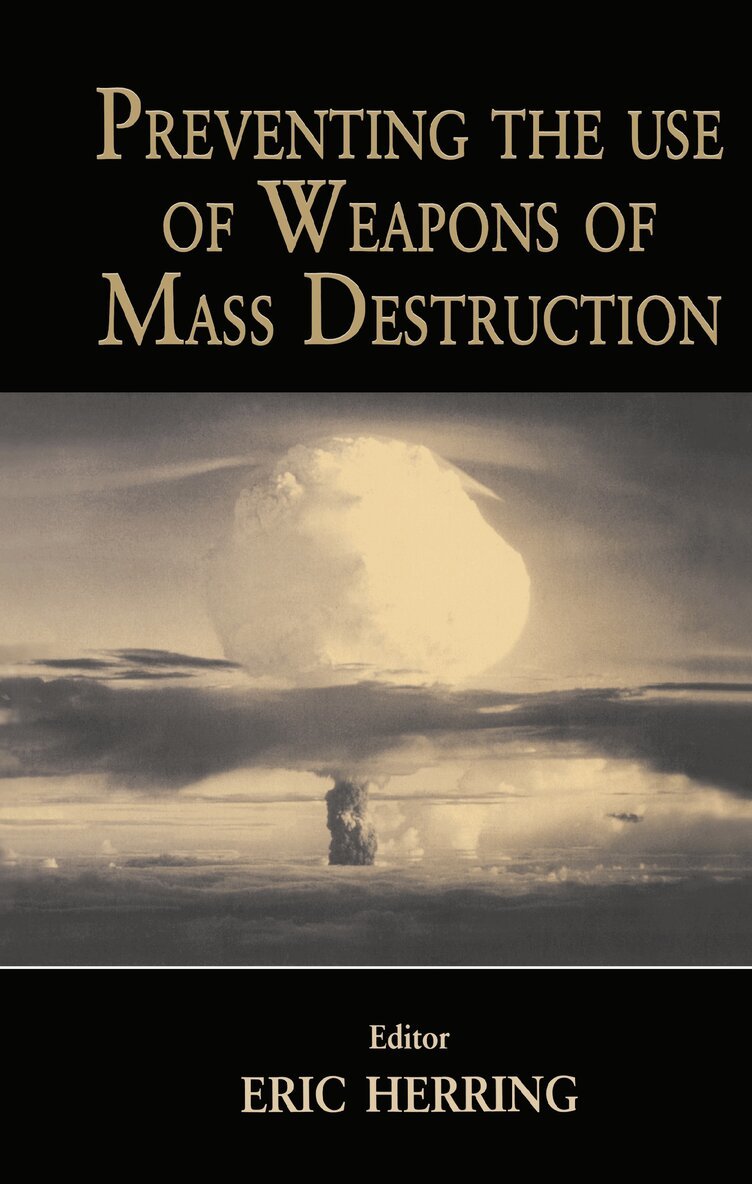
These studies concentrate on preventing the use of weapons of mass destruction. A common argument runs through all of the papers: that, while complacency must be avoided, much of the post-Cold War focus among Western governments on the threat posed by weapons of mass destruction is alarmist.
347 kr
Skickas inom 10-15 vardagar
These studies concentrate on preventing the use of weapons of mass destruction. A common argument runs through all of the papers: that, while complacency must be avoided, much of the post-Cold War focus among Western governments on the threat posed by weapons of mass destruction is alarmist.
Building Democracy?
The International Dimension of Democratisation in Eastern Europe
Häftad, Engelska, 1997
3 035 kr
Skickas inom 5-8 vardagar
The focus of this work is the international dimension of democratization in eastern Europe. Coverage of this theme includes: the role of national governments and international organizations; the behaviour of non-state actors such as entrepreneurs and ethnic groups with cross-border allegiances; unintentional effects, such as those of market forces; and deliberate attempts to exercise influence, such as the use of trade barriers. The work argues that international factors have been a principal component of, and not always favourable to, democratization in eastern Europe. It examines in turn comparative perspectives, theories of democracy and democratization, problems on international security - including the collapse of Yugoslavia - and the roles of the EU and the former USSR. Also considered are the cases of the Czech Repbulic, Slovakia, Hungary and Poland.
880 kr
Skickas inom 3-6 vardagar
When the United States led the invasion of Iraq in March 2003, it expected to be able to establish a prosperous liberal democracy with an open economy that would serve as a key ally in the region. It sought to engage Iraqi society in ways that would defeat any challenge to that state building project and U.S. guidance of it. Eric Herring and Glen Rangwala argue that state building in Iraq has been crippled less by preexisting weaknesses in the Iraqi state, Iraqi sectarian divisions or U.S. policy mistakes than by the fact that the US has attempted-with only limited success-to control the parameters and outcome of that process. They explain that the very nature of U.S. state-building in Iraq has created incentives for unregulated local power struggles and patron-client relations. Corruption, smuggling, and violence have resulted.The main legacy of the US-led occupation, the authors contend, is that Iraq has become a fragmented state-that is, one in which actors dispute where overall political authority lies and in which there are no agreed procedures for resolving such disputes. As long as this is the case, the authority of the state will remain limited. Technocratic mechanisms such as training schemes for officials, political fixes such as elections, and the coercive tools of repression will not be able to overcome this situation.Placing the occupation within the context of regional, global, and U.S. politics, Herring and Rangwala demonstrate how the politics of co-option, coercion, and economic change have transformed the lives and allegiances of the Iraqi population. As uncertainty about the future of Iraq persists, this volume provides a much-needed analysis of the deeper forces that give meaning to the daily events in Iraq.
645 kr
Kommande
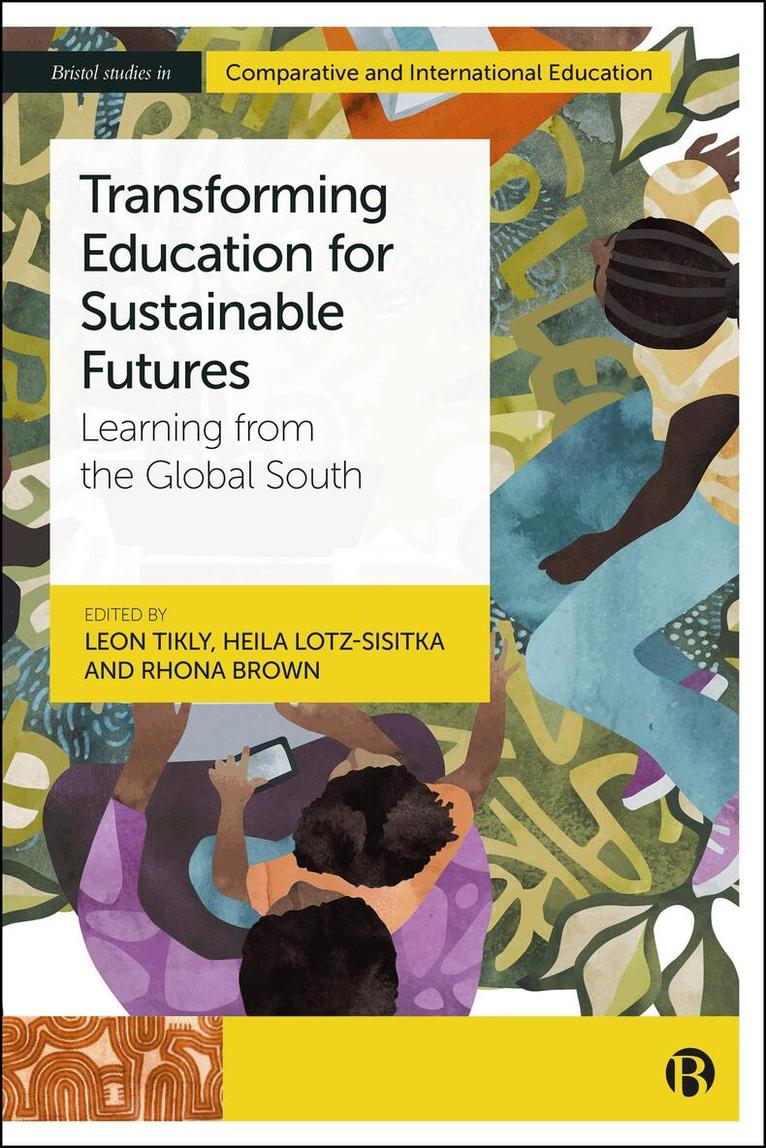
Available open access digitally under CC-BY-NC-ND licence.This book examines how education can drive change for marginalized communities across the Global South. Drawing on evidence from 67 projects in India, Rwanda, Somaliland/Somalia and South Africa, the book shows how education can expand youth livelihoods, strengthen sustainable cities and advance climate action. Yet for education to fulfil this role, it must be reimagined—tackling entrenched inequalities of class, caste, clan, gender, race, rurality and indigeneity. Arguing for more democratic, public and inclusive forms of education, the book calls for research that prioritises collaboration and equity over top-down models, offering a bold new agenda for transformative practice.