Eric J. Wittenberg – författare
Visar alla böcker från författaren Eric J. Wittenberg. Handla med fri frakt och snabb leverans.
31 produkter
Glory Enough for All
Sheridan's Second Raid and the Battle of Trevilian Station
Häftad, 2007
314 kr
Lägg i varukorg
After the ferocious fighting at Cold Harbor, Virginia, in June 1864, Union Lt. Gen. Ulysses S. Grant ordered his cavalry, commanded by Maj. Gen. Philip H. Sheridan, to distract the Confederate forces opposing the Army of the Potomac. Glory Enough for All chronicles the battle that resulted when …
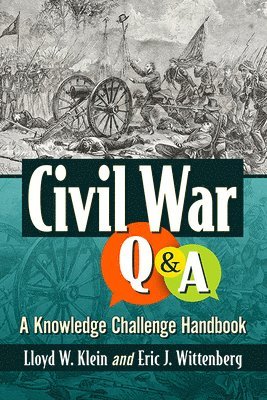
Civil War Q&A
A Knowledge Challenge Handbook
Av Lloyd W. Klein, Eric J. Wittenberg
Häftad, 2023
384 kr
Lägg i varukorg
This Civil War sourcebook organizes the crucial details of the war in an inventive format designed to enhance the reader's knowledge base and big-picture understanding of key events and outcomes. The war's causes, political and economic issues, important personalities, campaigns and battles are …
The Union Cavalry Comes of Age: Hartwood Church to Brandy Station, 1863
Inbunden, 2017
426 kr
Lägg i varukorg
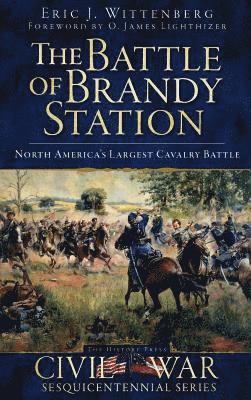
The Battle of Brandy Station: North America's Largest Cavalry Battle
Inbunden, 2010
382 kr
Lägg i varukorg
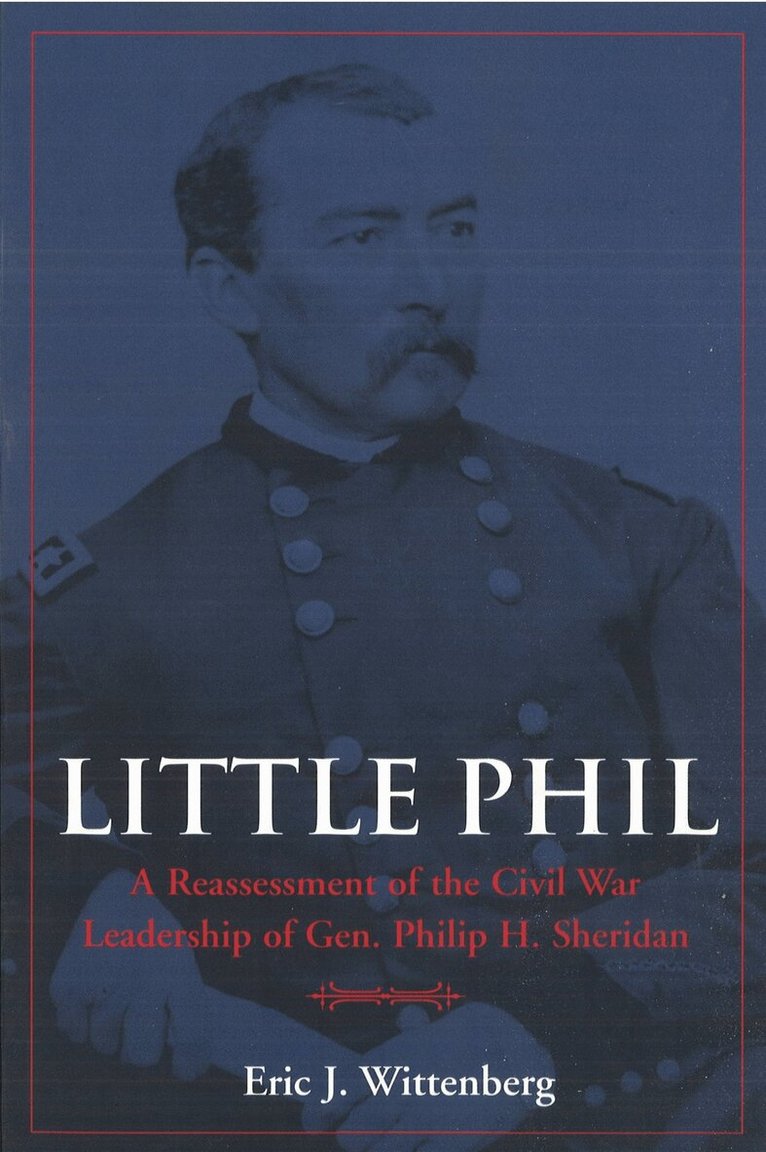
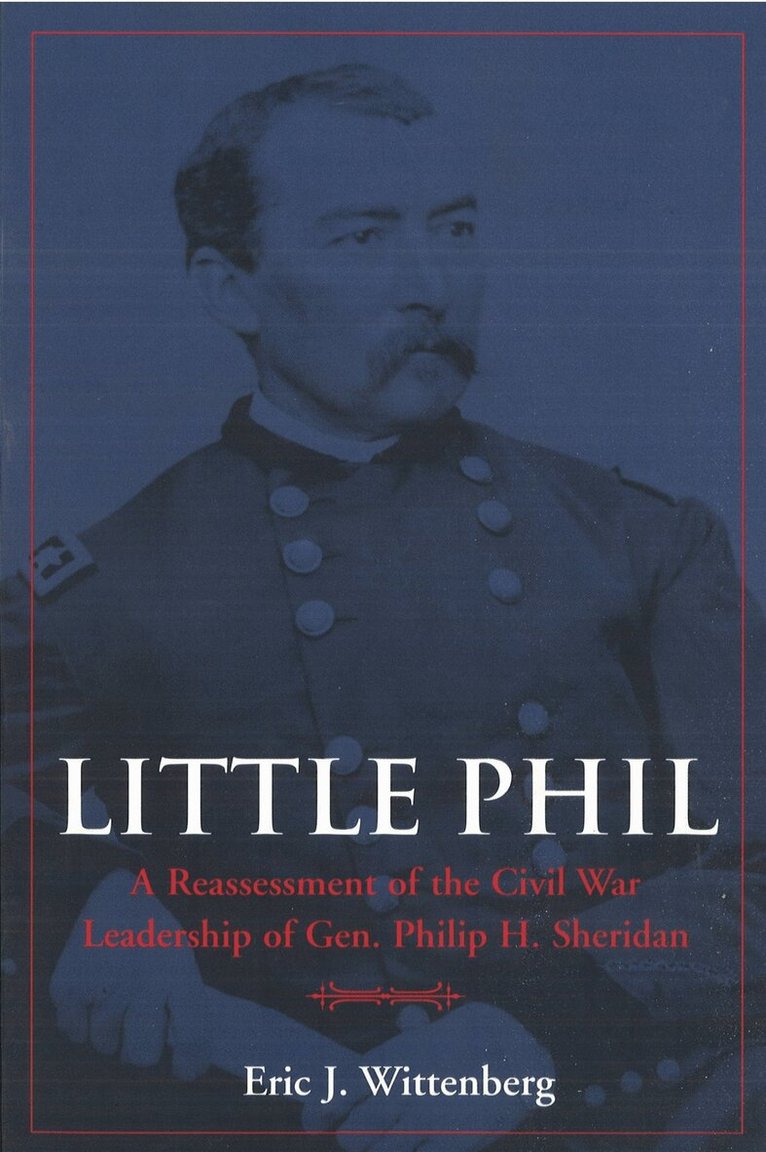
Little Phil
A Reassessment of the Civil War Leadership of Gen. Philip H. Sheridan
Inbunden, 2002
357 kr
Lägg i varukorg
Unlike Gen. Ulysses S. Grant and Gen. William T. Sherman, whose controversial Civil War-era reputations persist today, Maj. Gen. Philip H. Sheridan has been largely untouched by controversy. In Little Phil, historian Eric J. Wittenberg reassesses the war record of a man long considered one of the …
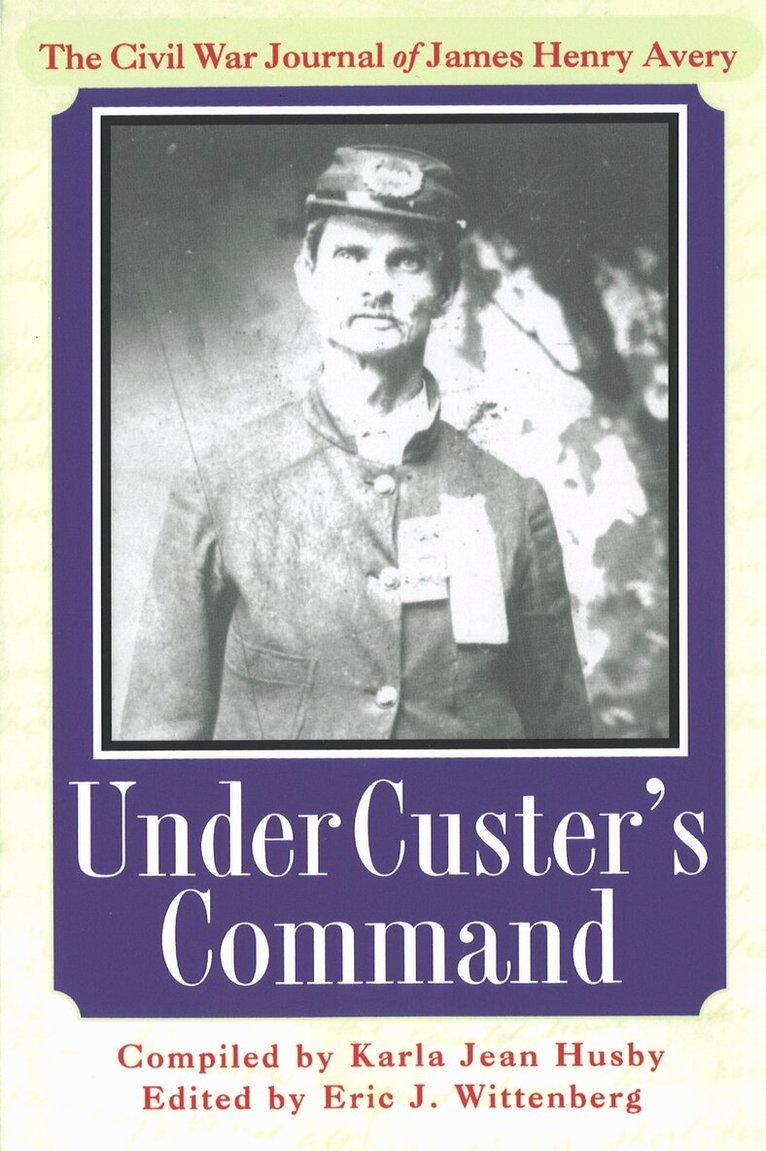
Under Custer's Command
The Civil War Journal of James Henry Avery
Av Karla Jean Husby, Eric J. Wittenberg
Häftad, 2001
233 kr
Lägg i varukorg
Selected by Military Heritage Magazine as the Year's Best Book on Custer"Chronicling the hardship and glory of wartime service with George Custer's famed Michigan Brigade, Avery's memoir is an insightful record of one Federal trooper's experience on campaign and battlefield. His narrative is an …
Little Phil
A Reassessment of the Civil War Leadership of Gen. Philip H. Sheridan
Häftad, 2005
226 kr
Lägg i varukorg
Unlike Gen. Ulysses S. Grant and Gen. William T. Sherman, whose controversial Civil War-era reputations persist today, Maj. Gen. Philip H. Sheridan has been largely untouched by controversy. In Little Phil, historian Eric J. Wittenberg reassesses the war record of a man long considered one of the …
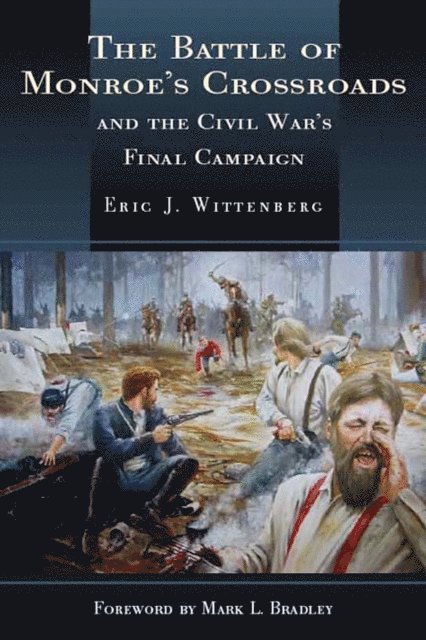
Battle of Monroe's Crossroads
The Civil War''s Last Campaign
E-bok, 2006
191 kr
Lägg i varukorg
A detailed tactical narrative of one of the most important but least known engagements of William T. Sherman''s Carolinas Campaign during the Civil War.As General Sherman''s infantry crossed into North Carolina, Maj. Gen. Judson Kilpatrick''s veteran Federal cavalry division fanned out in front, …
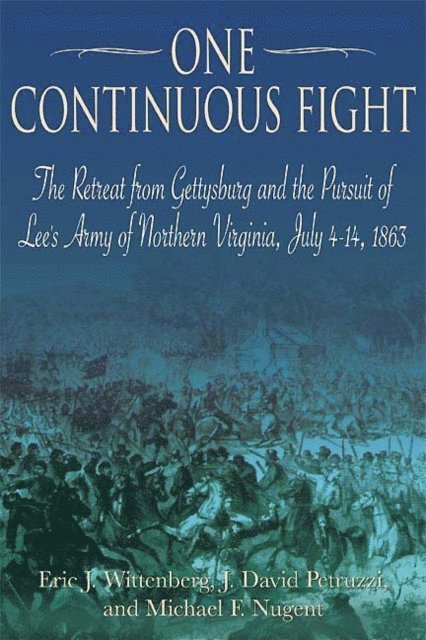
One Continuous Fight
The Retreat from Gettysburg and the Pursuit of Lee''s Army of Northern Virginia, July 4–14, 1863
Av Michael Nugent, J. David Petruzzi m. fl.
E-bok, 2008
150 kr
Lägg i varukorg
A detailed history of the Confederate retreat after the Battle of Gettysburg and the Union effort to destroy the enemy during the American Civil War.The three-day Battle of Gettysburg left 50,000 casualties in its wake, a battered Southern army far from its base of supplies, and a rich …
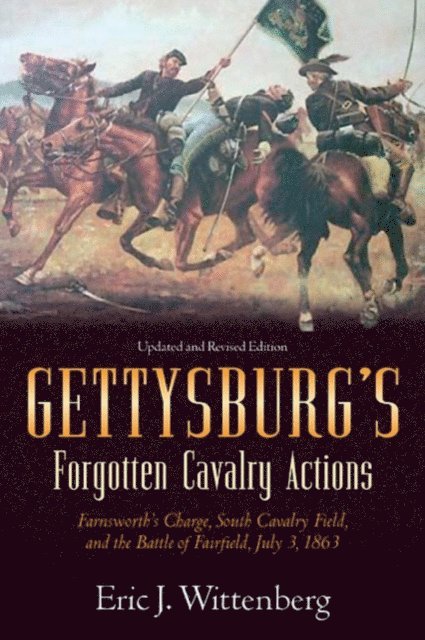
Gettysburg's Forgotten Cavalry Actions
Farnsworths Charge, South Cavalry Field, and the Battle of Fairfield, July 3, 1863
E-bok, 2011
221 kr
Lägg i varukorg
An award-winning historical study of the important role played by Union and Confederate horse soldiers on the Civil War battlefield at Gettysburg. The Union army’s victory at Gettysburg, Pennsylvania, on July 3, 1863, is widely considered to have been the turning point in America’s War between the …
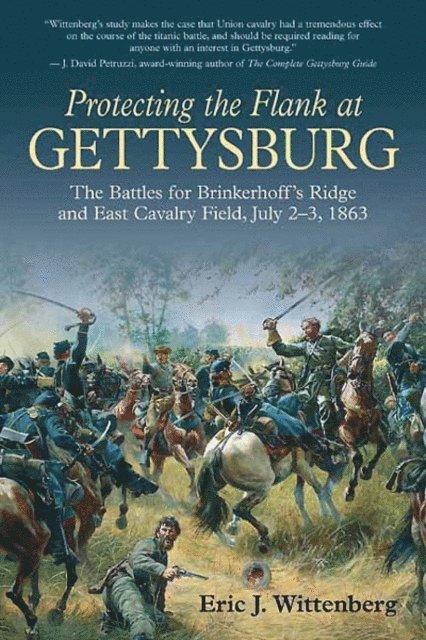
Protecting the Flank at Gettysburg
The Battles for Brinkerhoff''s Ridge and East Cavalry Field, July 2 -3, 1863
E-bok, 2013
216 kr
Lägg i varukorg
The award-winning Civil War historian''s study "makes the case that Union cavalry had a tremendous effect on the course of the titanic battle" (J. David Petruzzi, author of The Complete Gettysburg Guide).On July 3, 1863, a large-scale cavalry fight was waged on Cress Ridge four miles east of …
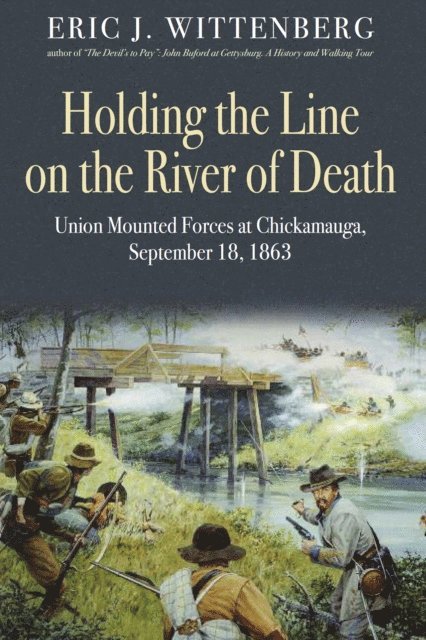
Holding the Line on the River of Death
Union Mounted Forces at Chickamauga, September 18, 1863
E-bok, 2018
149 kr
Lägg i varukorg
The award-winning Civil War historian examines the actions of Union Cavalry on the first day of the Battle of Chickamauga in this history and tour guide.This volume provides an in-depth study of the two important delaying actions conducted by mounted Union soldiers at Reed''s and Alexander''s …
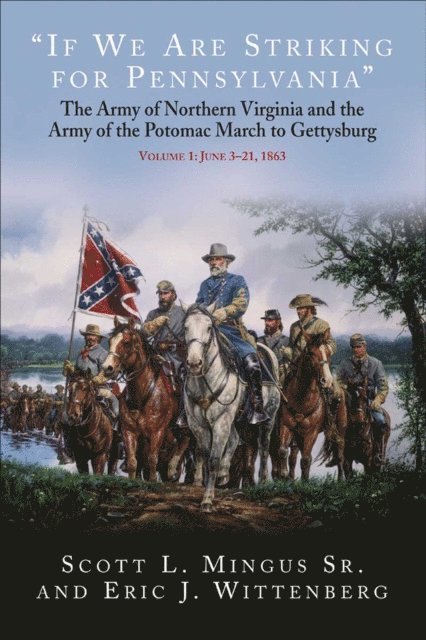
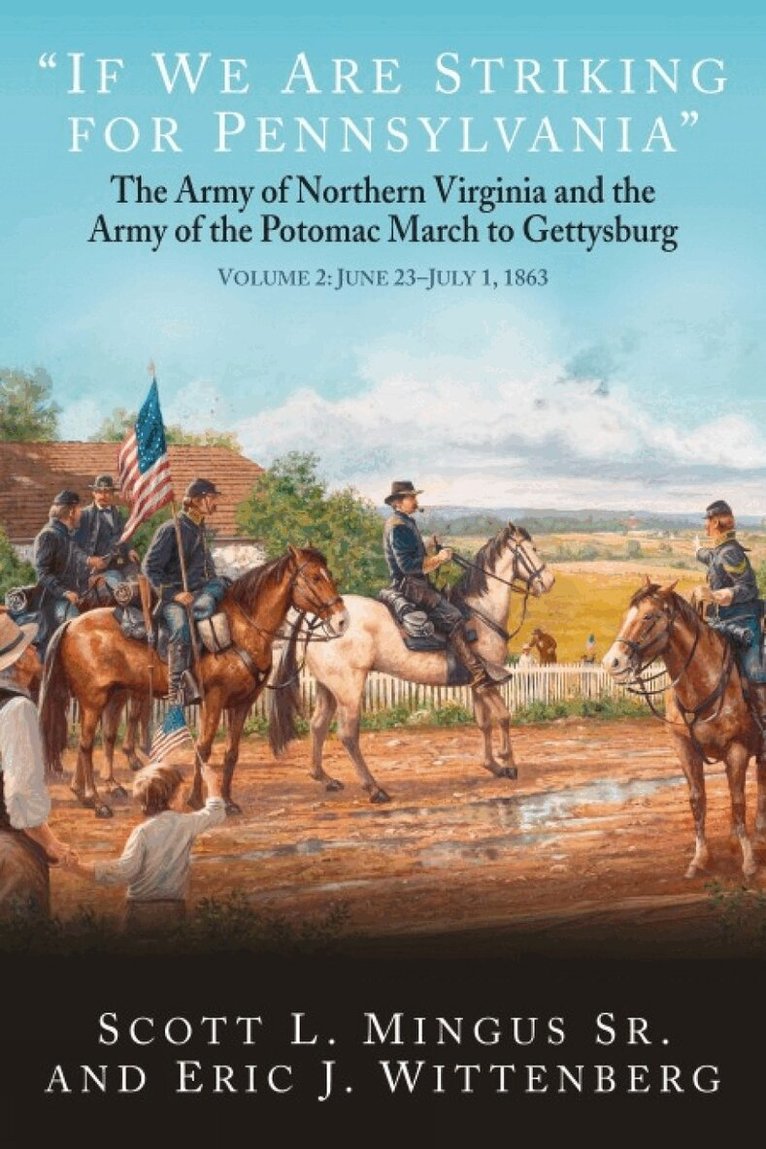
"e;If We Are Striking for Pennsylvania"e;, Volume 1: June 3-21, 1863
The Army of Northern Virginia and the Army of the Potomac March to Gettysburg
Av Eric J. Wittenberg, Scott L. Mingus
E-bok, 2022
167 kr
Lägg i varukorg
Scott L. Mingus Sr. and Eric J. Wittenberg, the authors of more than forty Civil War books, have once again teamed up to present a history of the opening moves of the Gettysburg Campaign in the two-volume study "If We Are Striking for Pennsylvania": The Army of Northern Virginia and the Army of the …
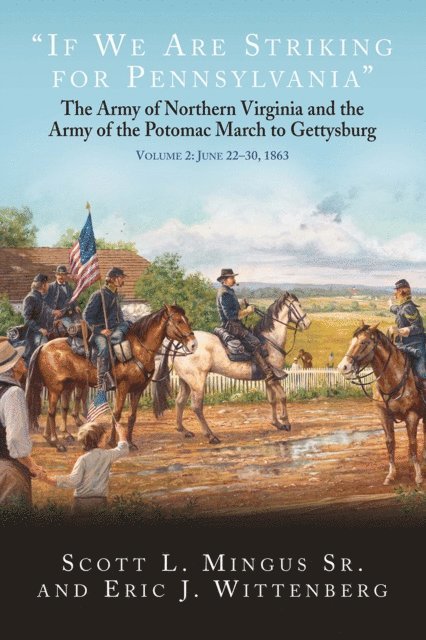
“If We Are Striking for Pennsylvania”
The Army of Northern Virginia and the Army of the Potomac March to Gettysburg Volume 2: June 23-30, 1863
Av Scott Mingus, Eric J Wittenberg
Inbunden, 2023
290 kr
Lägg i varukorg
Award-winning authors Scott L. Mingus Sr. and Eric J. Wittenberg are back with the second and final installment of “If We Are Striking for Pennsylvania”: The Army of Northern Virginia’s and Army of the Potomac’s March to Gettysburg. This compelling and bestselling study is the first to fully …
"e;If We Are Striking for Pennsylvania"e;, Volume 2: June 22-30, 1863
The Army of Northern Virginia and the Army of the Potomac March to Gettysburg
Av Eric J. Wittenberg, Scott L. Mingus
E-bok, 2023
323 kr
Lägg i varukorg
The second half of the two-volume history of the Union''s and Confederacy''s opening moves of the American Civil War''s Gettysburg Campaign.This compelling study is the first to fully integrate the military, political, social, economic, and civilian perspectives with rank-and-file accounts from the …
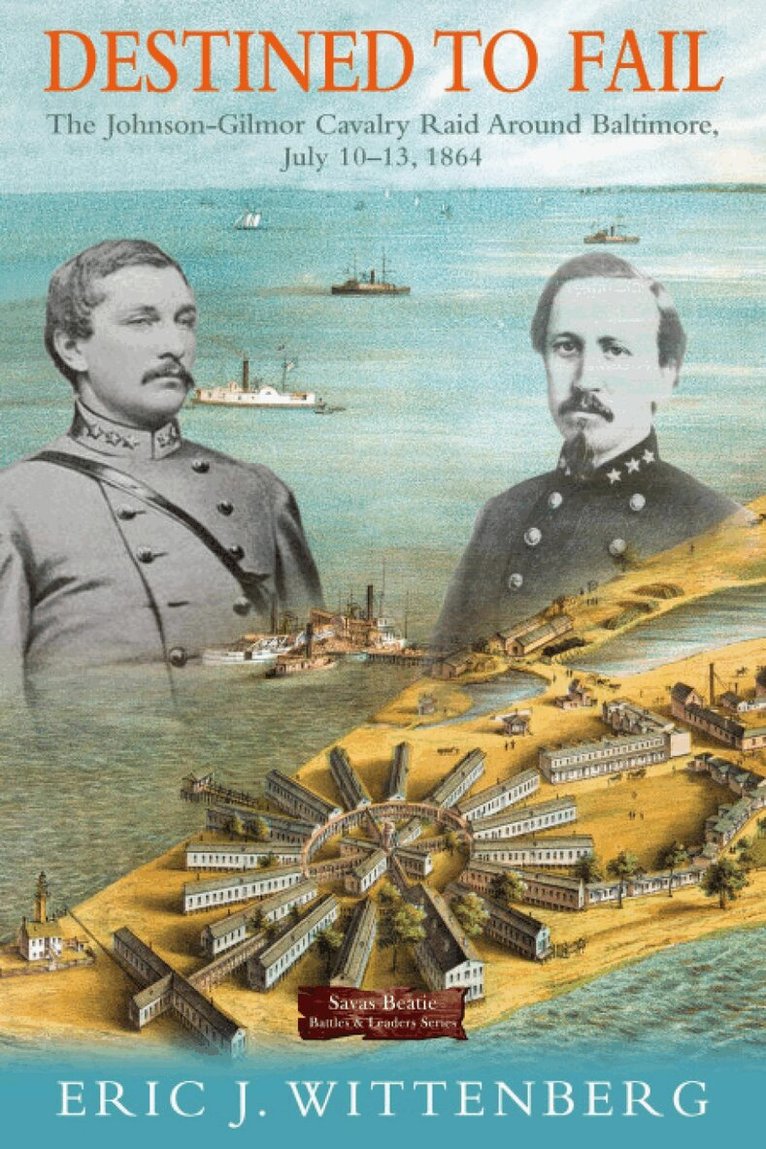
Johnson-Gilmor Cavalry Raid Around Baltimore
July 10-13, 1864
Inbunden, 2025
3,0 utav 5 stjärnor. Totalt antal röster: (1)
346 kr
Lägg i varukorg
The Johnson-Gilmor Raid represents one of three attempts to free prisoners of war during the American Civil War. Like the other two, it was destined to fail for a variety of reasons, mostly because the timetable for the operation was a schedule impossible to meet. The mounted raid was a fascinating …
Tullahoma
The Forgotten Campaign that Changed the Course of the Civil War, June 23–July 4, 1863
Av David A Foy, Eric J Wittenberg
Häftad, 2024
225 kr
Lägg i varukorg
July 1863 was a momentous month in the Civil War. News of the Union victories at Gettysburg and Vicksburg electrified the North and devastated the South. Sandwiched geographically between them—and lost in the heady tumult of events—was news that William S. Rosecrans’s Army of the Cumberland had …
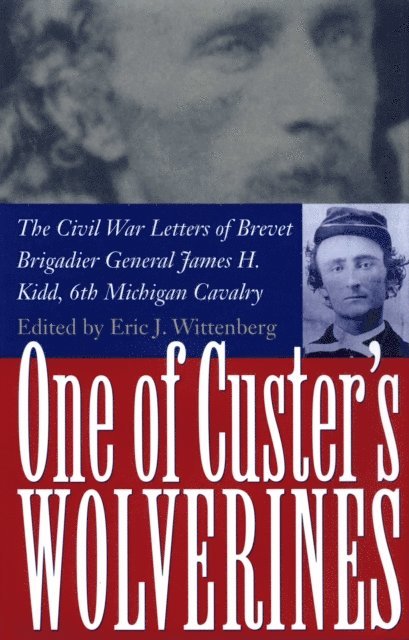
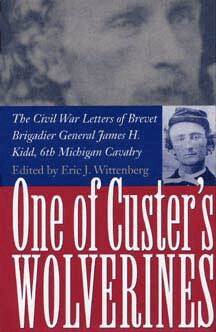
One Of Custer's Wolverines
The Civil War Letters of Brevet Brigadier General James H. Kidd, 6th Michigan Cavalry
E-bok, 2013
422 kr
Lägg i varukorg
Primarily known for his postwar exploits, most famously his 1876 defeat at Little Big Horn, George Armstrong Custer is receiving renewed interest for his successful Civil War generalship. He led the Michigan Cavalry Brigade in more than sixty battles and skirmishes. Forming perhaps the finest …
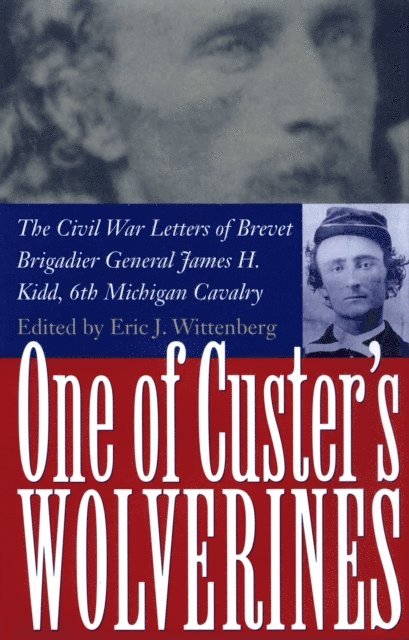
One Of Custer's Wolverines
The Civil War Letters of Brevet Brigadier General James H. Kidd, 6th Michigan Cavalry
E-bok, 2013
413 kr
Lägg i varukorg
Primarily known for his postwar exploits, most famously his 1876 defeat at Little Big Horn, George Armstrong Custer is receiving renewed interest for his successful Civil War generalship. He led the Michigan Cavalry Brigade in more than sixty battles and skirmishes. Forming perhaps the finest …
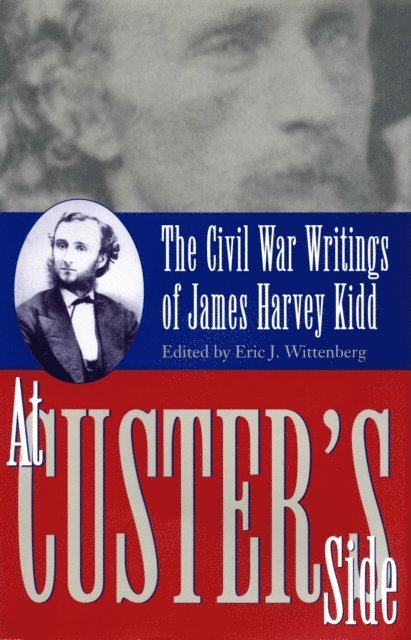
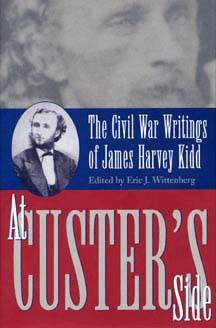
At Custer's Side
Civil War Writing on James Harvey Kidd
E-bok, 2013
295 kr
Lägg i varukorg
During the Civil War, James Harvey Kidd fought alongside General George Armstrong Custer as a member of the 6th Michigan Cavalry—the Wolverines. After the war, Kidd served as brigadier general in the Michigan National Guard and, upon returning to his civilian career as a newspaperman, published two …
At Custer's Side
Civil War Writing on James Harvey Kidd
E-bok, 2013
289 kr
Lägg i varukorg
During the Civil War, James Harvey Kidd fought alongside General George Armstrong Custer as a member of the 6th Michigan Cavalry—the Wolverines. After the war, Kidd served as brigadier general in the Michigan National Guard and, upon returning to his civilian career as a newspaperman, published two …
Five or Ten Minutes of Blind Confusion: The Battle of Aiken, South Carolina, February 11, 1865
Inbunden, 2018
402 kr
Lägg i varukorg
Five or Ten Minutes of Blind Confusion: The Battle of Aiken, South Carolina, February 11, 1865
Häftad, 2018
309 kr
Lägg i varukorg
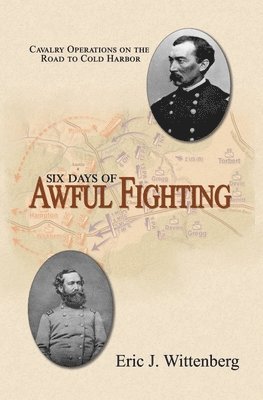
Six Days of Awful Fighting: Cavalry Operations on the Road to Cold Harbor
Inbunden, 2021
531 kr
Lägg i varukorg
Six Days of Awful Fighting: Cavalry Operations on the Road to Cold Harbor
Häftad, 2021
335 kr
Lägg i varukorg
One of Custer's Wolverines
The Civil War Letters of Brevet Brigadier General James H.Kidd, 6th Michigan Infantry
Av Eri J. Wittenberg, Wittenberg m. fl.
Inbunden, 2000
424 kr
Tillfälligt slut
Primarily known for his postwar exploits, most famously his 1876 defeat at Little Big Horn, George Armstrong Custer is receiving renewed interest for his successful Civil War generalship. He led the Michigan Cavalry Brigade in more than sixty battles and skirmishes. Forming perhaps the finest …
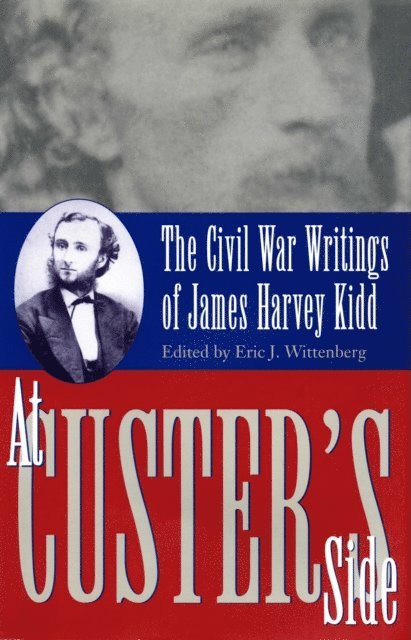
At Custer's Side
The Civil War Writings of James Harvey Kidd
Inbunden, 2001
365 kr
Tillfälligt slut
During the Civil War, James Harvey Kidd fought along side the General George Armstrong Custer as a member of the 6th Michigan Cavalry, the Wolverines. A student at the University of Michigan at the outbreak of the ear, Kidd enlisted in 1862 and was elected captain, commanding a company of …
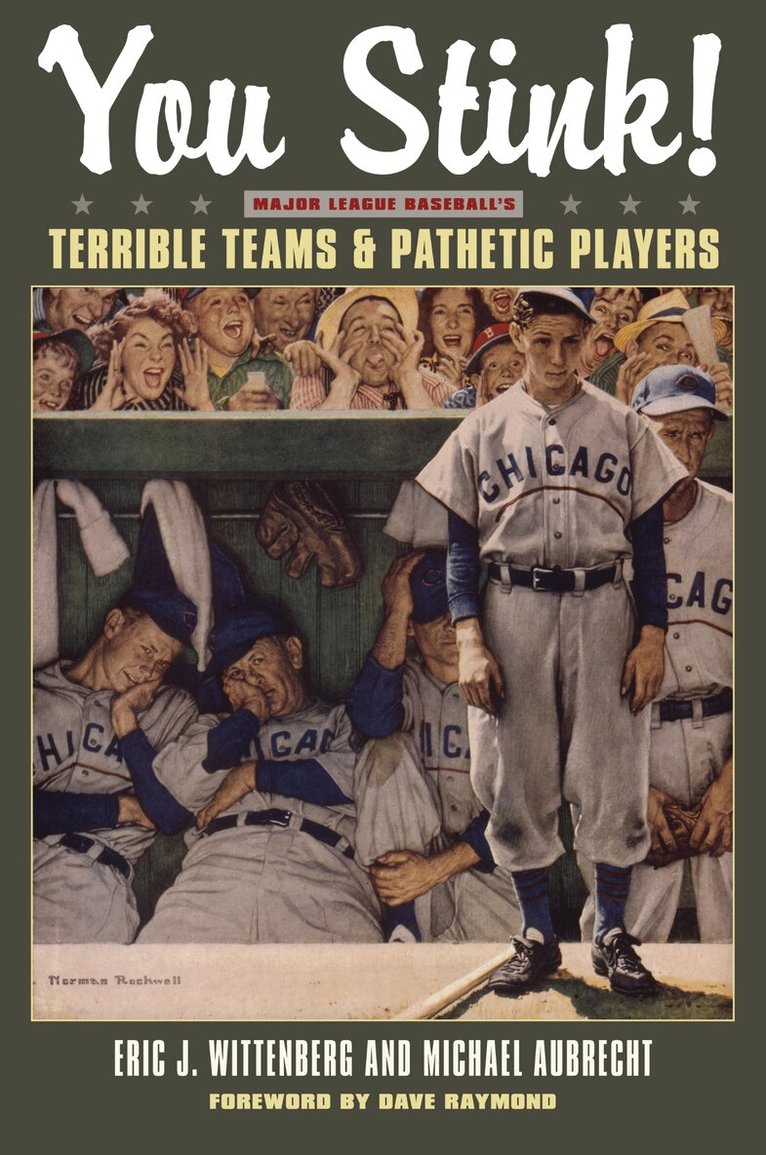
You Stink!
Major League Baseball's Terrible Teams and Pathetic Players
Av Eric J. Wittenberg, Michael Aubrecht
Häftad, 2012
290 kr
Tillfälligt slut
There are countless volumes celebrating the best teams in professional baseball. Unfortunately, winning represents only one side of the game. For every champion's record-setting season, there has been an equally memorable story of defeat. These teams and their shameful contributions to America's …